

+86-159 9860 6917
info@geofantex.com
geofantex@gmail.com
+86-400-8266163-44899
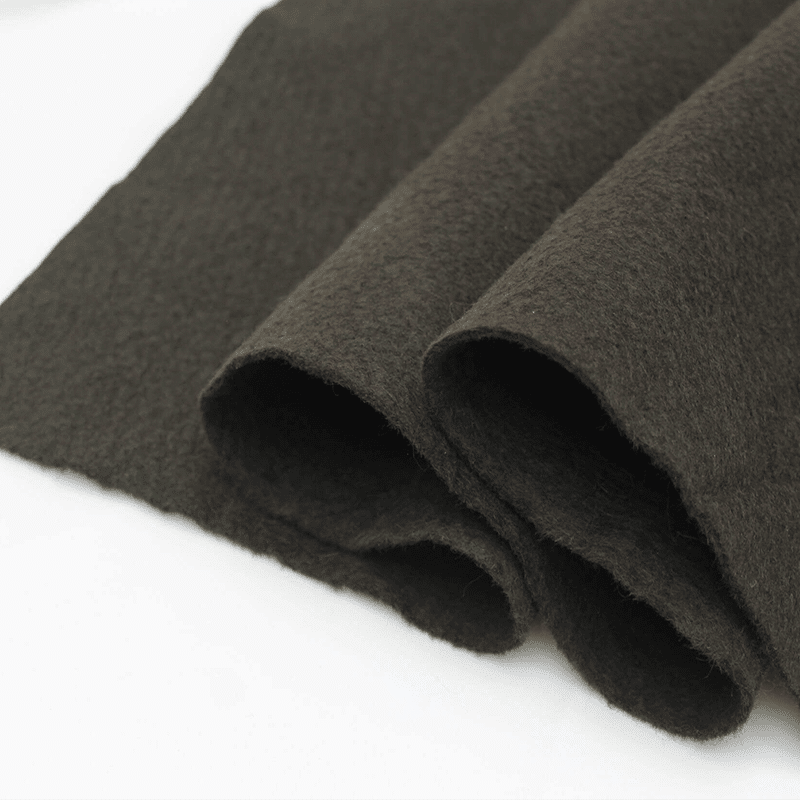
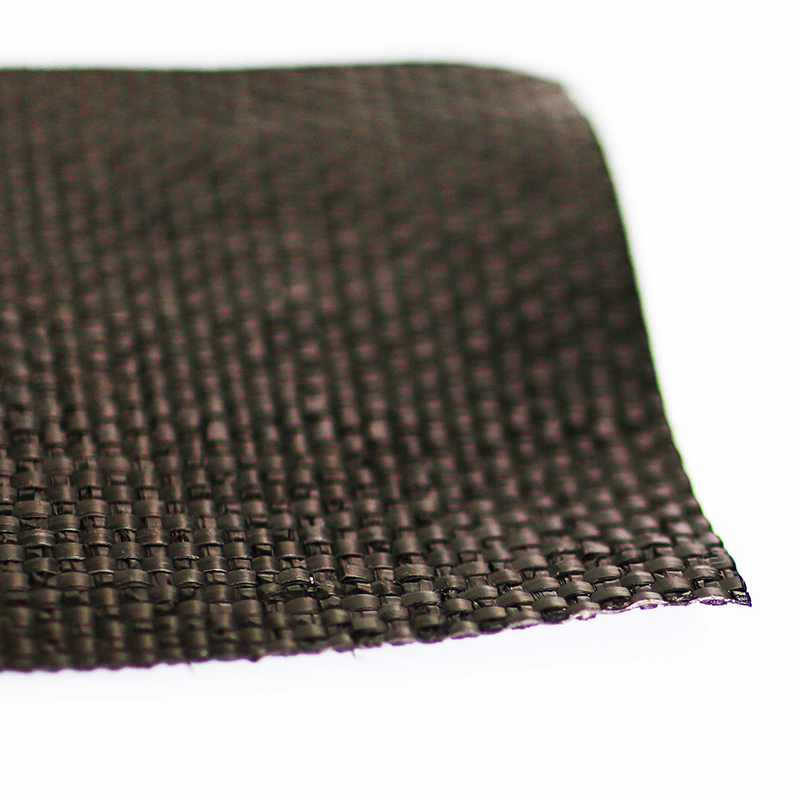
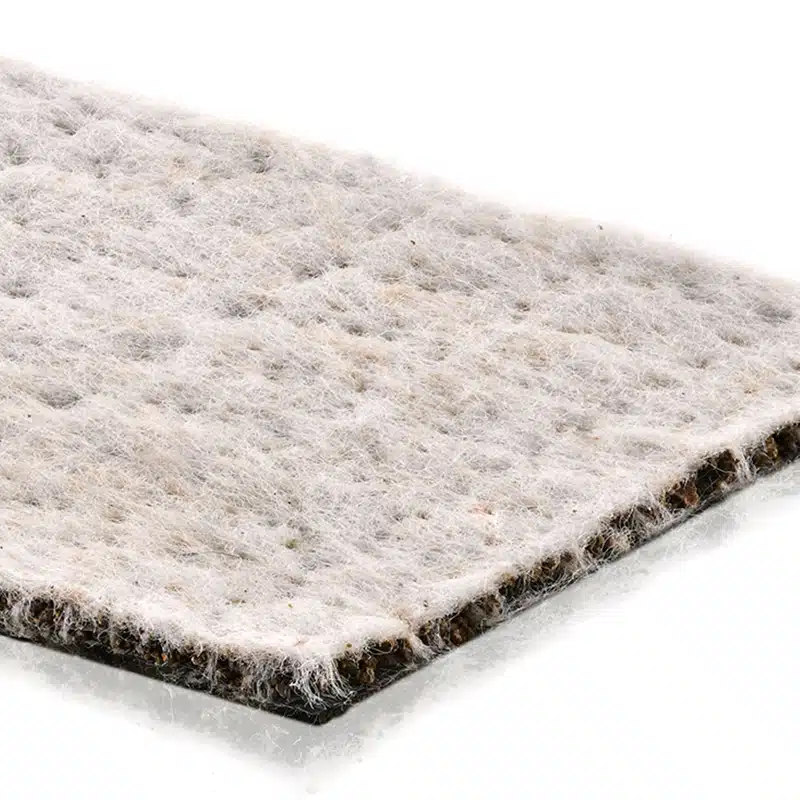
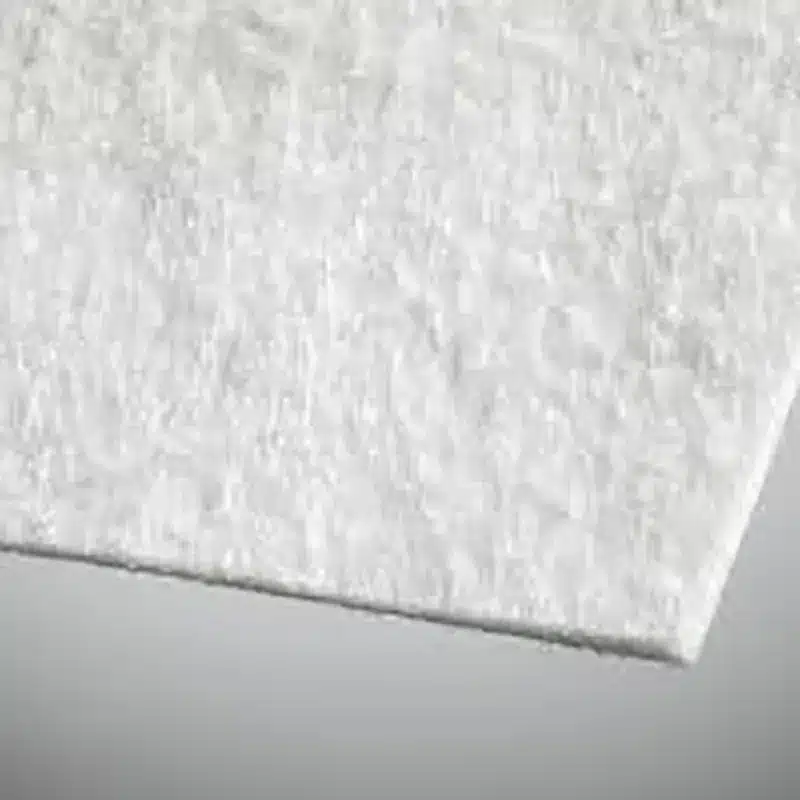
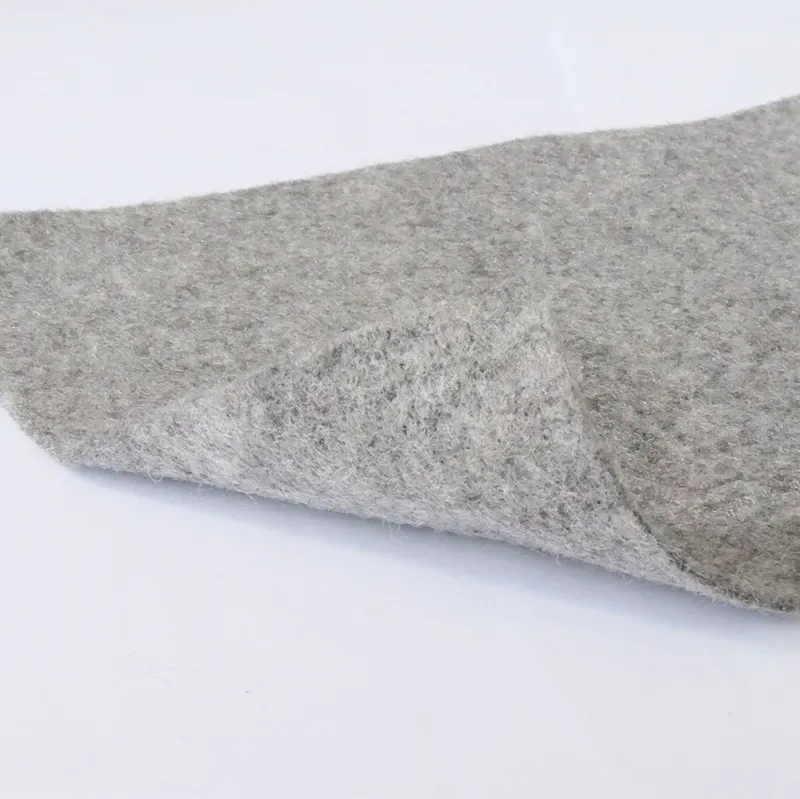
Filter Fabric Geotextile is a permeable geosynthetic material designed for soil filtration, separation, and drainage in civil engineering and construction projects. It helps retain soil particles while allowing water to pass through, protecting drainage systems and reducing the risk of clogging. As a geotextile manufacturer and global supplier, Geofantex offers woven and nonwoven options with customizable specifications for roads, retaining walls, and environmental applications. Contact us for technical specifications, bulk pricing, and a quotation tailored to your project requirements.
What Is Filter Fabric Geotextile?
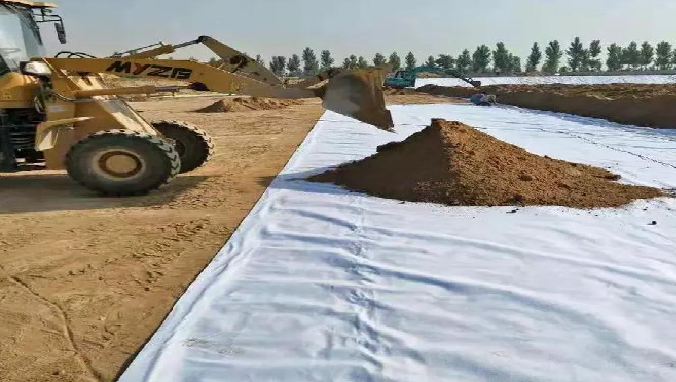
Filter fabric geotextile is a specialized type of synthetic geotextile material designed primarily for filtration, drainage, and soil stabilization. This high-performance geotextile solution is widely used in construction, environmental, and civil engineering projects to maintain soil integrity while allowing water to flow freely.
Key Features and Functionality:
- Filtration: Retains soil particles while allowing water to pass through, preventing clogging in drainage systems.
- Drainage: Ensures controlled water flow, reducing pore water pressure and protecting structural elements such as pipes, retaining walls, and road bases.
- Erosion Control: Stabilizes soil on slopes and vulnerable areas, preventing erosion from water or wind.
- Soil Separation and Stabilization: Separates soil layers in roadway or construction projects, preventing intermixing of subgrade and aggregate layers and reinforcing soil to increase load-bearing capacity.
- Weed Barrier: Functions as a barrier to unwanted vegetation without restricting soil moisture in landscaping applications.
Filter fabric geotextile is an indispensable material for maintaining soil stability, controlling erosion, and enabling efficient water drainage. Correct selection, proper installation, and adequate maintenance ensure long-term performance and durability in civil, environmental, and construction projects.
Difference Between Geotextile Fabric and Filter Fabric Geotextile
- Geotextile Fabric: A broad category of synthetic permeable fabrics used for soil stabilization, separation, reinforcement, drainage, and protection. Applied in roads, embankments, foundations, retaining walls, and general geotechnical works.
- Filter Fabric Geotextile: A specialized subset of geotextiles designed for filtration and drainage control. It permits controlled water flow while retaining soil particles, preventing clogging, piping, and internal erosion.
- Engineering Insight: All filter fabrics are geotextiles, but not all geotextiles serve filtration purposes. Filter fabric geotextile is chosen when hydraulic conductivity, permeability, and soil particle retention are critical, while general geotextiles are for structural performance.
- Design Outcome: Selecting the proper material ensures long-term soil stability, efficient drainage, and lower maintenance in erosion control, infrastructure, and environmental protection projects.
What is filter fabric used for?
- Drainage Criterion: Filter fabric must allow water to pass through efficiently while preventing soil particles from entering drainage systems. Proper drainage performance ensures pipes, underdrains, and retaining wall drains remain unclogged and function effectively.
- Erosion Control Criterion: The fabric must stabilize soil on slopes and vulnerable areas, preventing erosion caused by water or wind. Adequate coverage and placement protect soil integrity and reduce maintenance.
- Separation and Stabilization Criterion: Filter fabric should separate soil layers in roadway or construction projects, preventing mixing of subgrade and aggregate layers. It also reinforces soil, enhancing stability under load and prolonging the lifespan of pavements, embankments, and foundations.
- Filtration and Weed Barrier Criterion: The fabric must retain fine soil particles while allowing water to flow freely, acting as a filter around pipes, landscaping, or mulch layers. Additionally, it can serve as a weed barrier, blocking weed growth without restricting soil moisture.
Together, these criteria ensure filter fabric geotextiles provide reliable drainage, soil stabilization, erosion control, filtration, and landscaping performance, making them essential in construction and environmental projects.
What Are the Three Main Types of Geotextile Fabric?
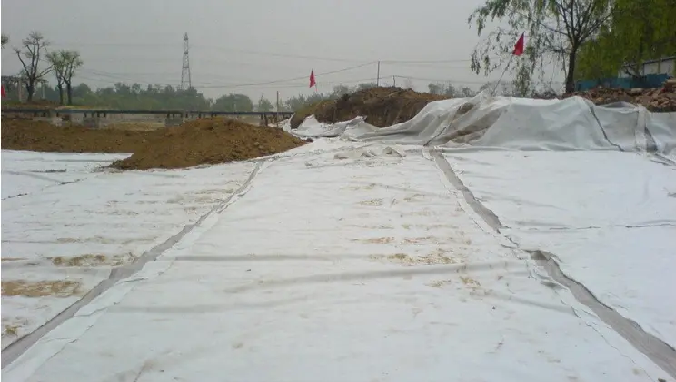
- Filtration: Retains soil particles while allowing water to pass through, preventing clogging and maintaining efficient drainage performance.
- Drainage: Regulates water flow, reduces pore water pressure, and protects structural elements such as drainage pipes, retaining walls, and road bases.
- Erosion Control: Stabilizes soil on slopes and exposed areas, minimizing soil loss caused by rainfall, runoff, or wind.
- Soil Separation and Stabilization: Separates subgrade soil from aggregate layers in construction projects, preventing intermixing and improving load-bearing capacity and structural stability.
- Weed Barrier: Acts as a barrier against unwanted vegetation while allowing water and air to reach the soil in landscaping applications.
Filter fabric geotextile is a critical material for enhancing soil stability, controlling erosion, and ensuring effective water drainage. Proper material selection, correct installation, and regular maintenance are essential to achieve long-term performance and durability in civil engineering, environmental, and construction projects.
In conclusion, filter fabric geotextile is a specialized geotextile designed for filtration purposes. It is an indispensable material in various construction and environmental projects, offering solutions for erosion control, drainage, and soil stabilization. Understanding its types and applications is crucial to making the most of this versatile material in your projects. Remember to choose the right type of filter fabric geotextile, install it correctly, and perform regular maintenance for optimal results.
Get Free Sample
We’ll respond as soon as possible(within 12 hours)