How Tensile Strength Impacts the Performance of Geosynthetics
Discover geosynthetic tensile strength, fiber types, ASTM standards, and applications in soil reinforcement and erosion control .
Tel: +86-411-39569550 | E-mail: info@geofantex.com/geofantex@gmail.com
Discover geosynthetic tensile strength, fiber types, ASTM standards, and applications in soil reinforcement and erosion control .
Woven geotextile fabric is a versatile material engineered for various construction and environmental applications. Created by weaving synthetic fibers, typically polypropylene or polyester, into a durable, permeable fabric, it provides high tensile strength and stability. Its primary roles include strengthening soil and reinforcement of structures such as walls, embankments, highways, under railroads, and as underlayment for house foundations, as well as soil reinforcement, separation, and erosion control. As industries and infrastructure projects continue to prioritize efficiency and durability, woven geotextile fabrics have become crucial for optimizing groundwork and ensuring long-lasting performance in diverse settings.
Gravel driveways are a popular choice for many homeowners due to their cost-effectiveness and rustic appeal. However, without proper stabilization, gravel can shift, causing ruts, potholes, and uneven surfaces. This is where geogrids come into play. A geogrid is a geosynthetic material used to reinforce and stabilize the gravel, ensuring a long-lasting and durable driveway. In this article, we will discuss the best geogrid options for gravel driveways and answer some common questions to help you make an informed decision.
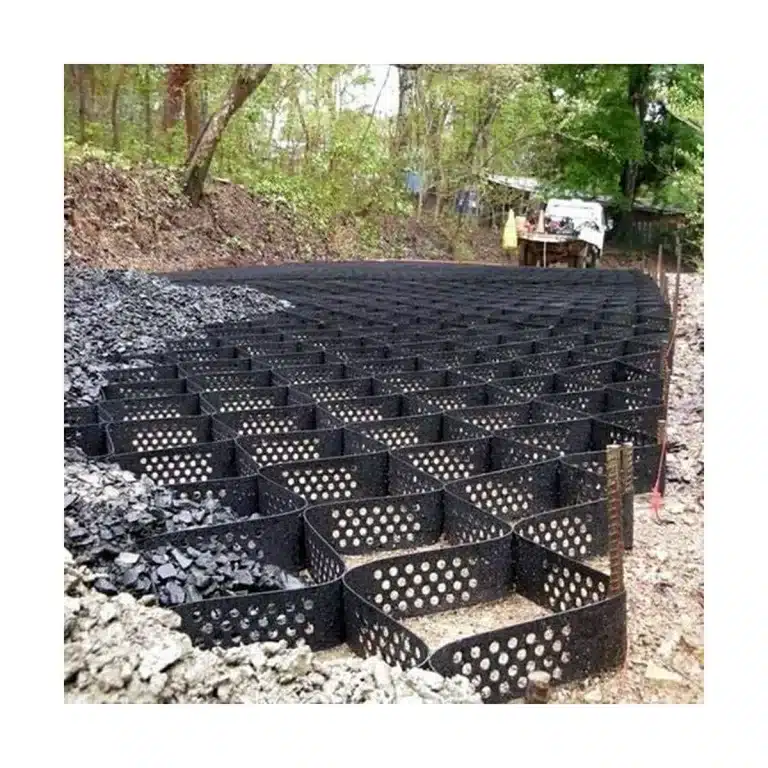
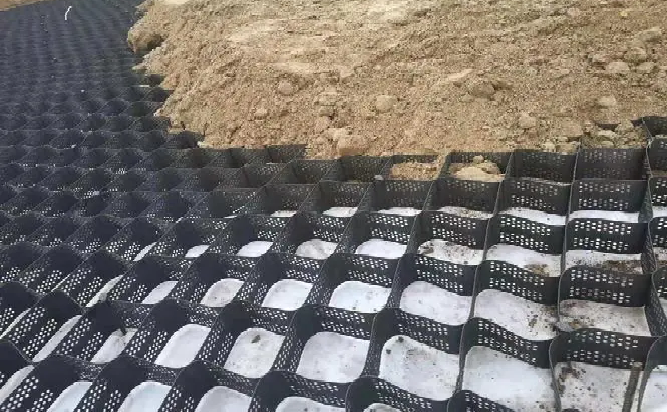
Ground geocells are a versatile and innovative solution for soil stabilization, erosion control, and load distribution in various civil engineering projects. Made from high-density polyethylene (HDPE) or other durable materials, geocells create a honeycomb-like structure that reinforces the ground. By confining soil or other infill materials within the cells, they provide greater stability and load-bearing capacity. This article explores the purpose of geocells, their different types, and their applications, along with the comparison to geogrid solutions.
When constructing a driveway, ensuring its durability and longevity is essential. One effective way to achieve this is by using geotech fabric, also known as geotextile fabric. This material acts as a protective layer between the soil and the aggregate base, preventing erosion, improving drainage, and increasing the overall stability of the driveway. In this article, we will explore the different types of fabric used for driveways, discuss whether geotextile fabric is necessary, and provide guidance on how to install it correctly.
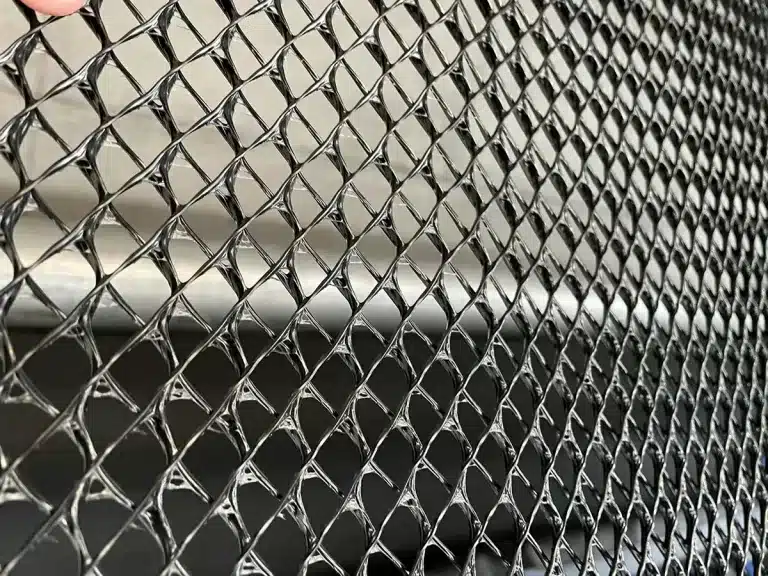
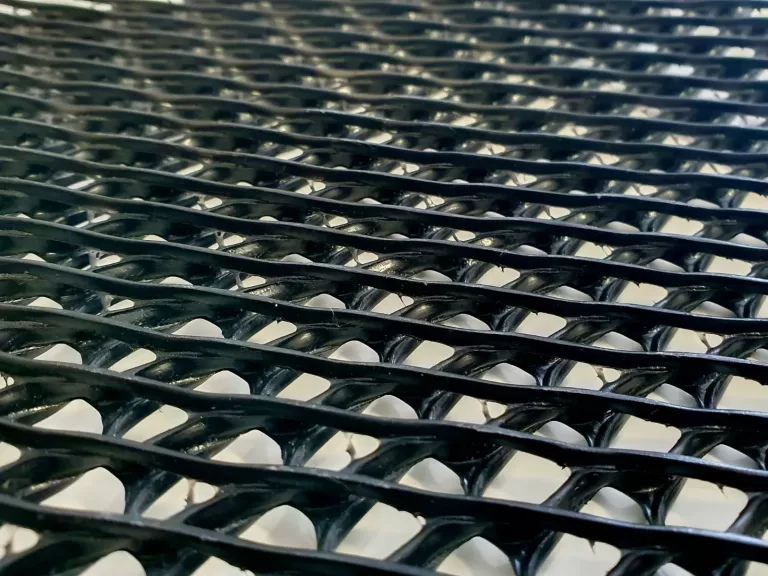
Geogrids are essential materials in modern construction, providing critical soil reinforcement and stability. These grid-like structures, often made from polymers such as polyethylene, are designed to strengthen and stabilize soil by providing a reinforcing structure that interlocks with the soil. When combined with properly sized aggregate fills, geogrids not only improve load distribution but also offer additional benefits like filtration and separation. This article delves into the role of geogrids in enhancing soil stability, addressing key questions and concepts related to their use.
Weeds can be a persistent problem in gardens, stealing nutrients, water, and sunlight from your plants. One effective way to combat this issue is by using a weed barrier, also known as landscape fabric or garden fabric. This material acts as a protective layer, blocking sunlight and preventing weeds from sprouting while allowing water and nutrients to reach the soil. In this article, we’ll explore the best practices for using weed barriers in your garden, answering common questions to help you make the most of this gardening tool.
Geotextiles play an essential role in modern civil engineering, helping to reinforce and protect the environment by managing water flow, stabilizing soil, and controlling erosion. These versatile fabrics come in two main types: woven and nonwoven geotextiles. While both serve important functions, their construction and ideal applications differ significantly. This article will explore what makes woven and nonwoven geotextiles unique, when to use woven geotextile fabric, and how they are manufactured for specific purposes.
Landscape fabric is a valuable tool in gardening and landscaping, helping to control weeds while allowing water and nutrients to pass through to the soil. However, many gardeners wonder about the correct way to install landscape fabric, particularly which side should face up. The slightly shiny side is typically designed to be more durable and is intended to face up, providing better weed control and stability. In this article, we’ll answer common questions related to landscape fabric installation, including how to determine the top and bottom sides, the best way to lay it down, and considerations for its long-term effectiveness.
Gravel driveways are a popular choice for many homeowners due to their cost-effectiveness and rustic appeal. However, they can be prone to issues like rutting, shifting, and unevenness over time, especially with regular traffic. A solution to these common problems is the use of geogrid—a geosynthetic material designed to reinforce the gravel driveway’s base. Geogrids provide greater stability, prevent rutting, and keep the gravel in place, significantly reducing long-term maintenance needs.
End of content
End of content
WhatsApp us