

+86-159 9860 6917
info@geofantex.com
geofantex@gmail.com
+86-400-8266163-44899
Geotextile sheet uses are essential for improving soil stability, drainage performance, and environmental protection in mining and water engineering projects. These geosynthetic materials help engineers and contractors solve challenges such as erosion, soil migration, weak foundations, and water management while improving the durability of infrastructure systems.
Geotextile sheets are widely applied in mining areas, reservoirs, canals, dams, and other civil engineering projects where reliable separation, filtration, and reinforcement are required.
What Are the Main Geotextile Sheet Uses in Geosynthetic Applications?
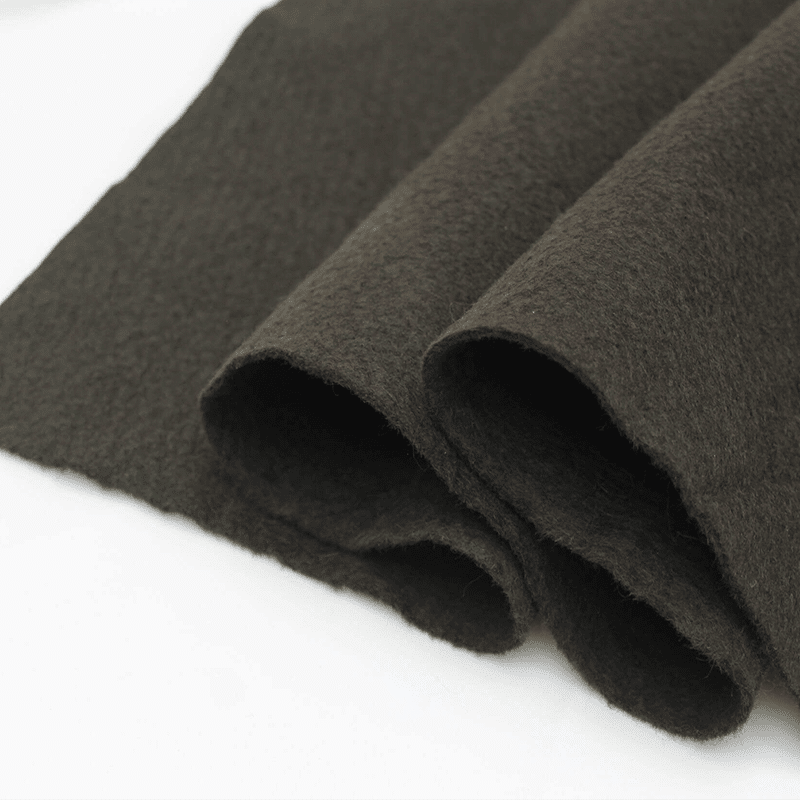
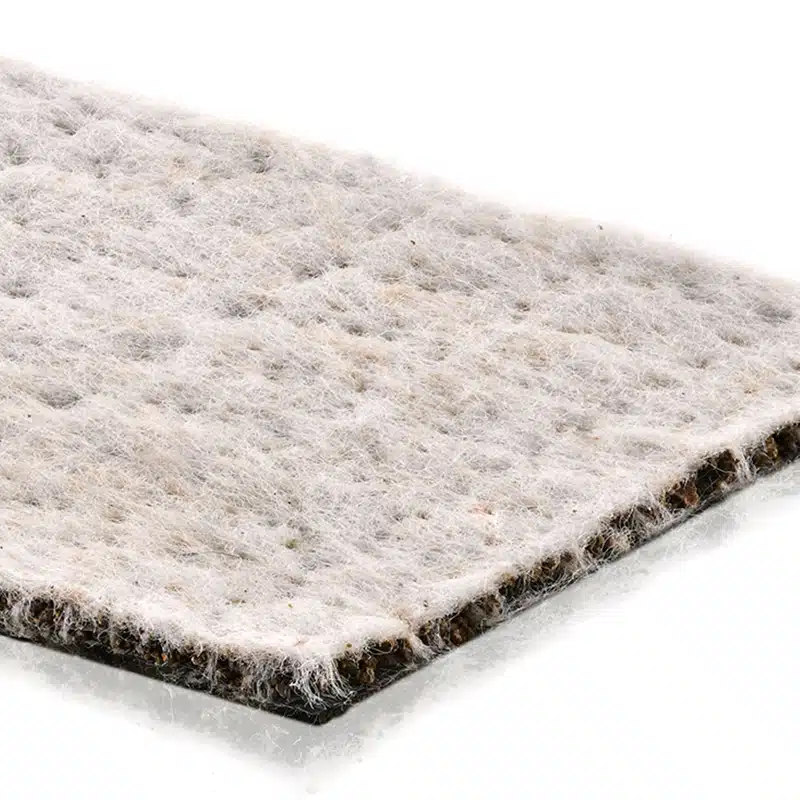
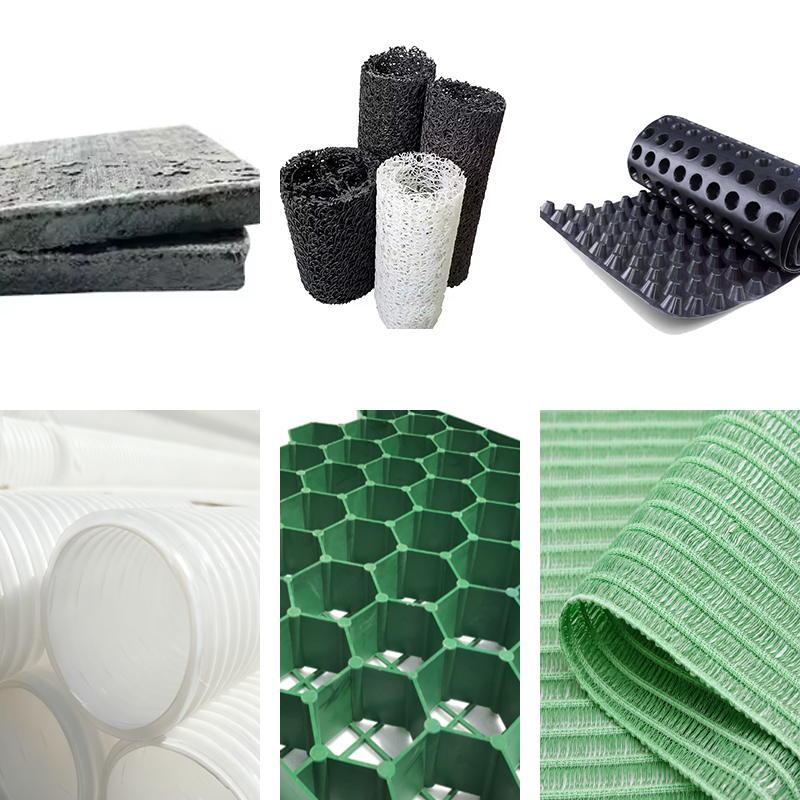
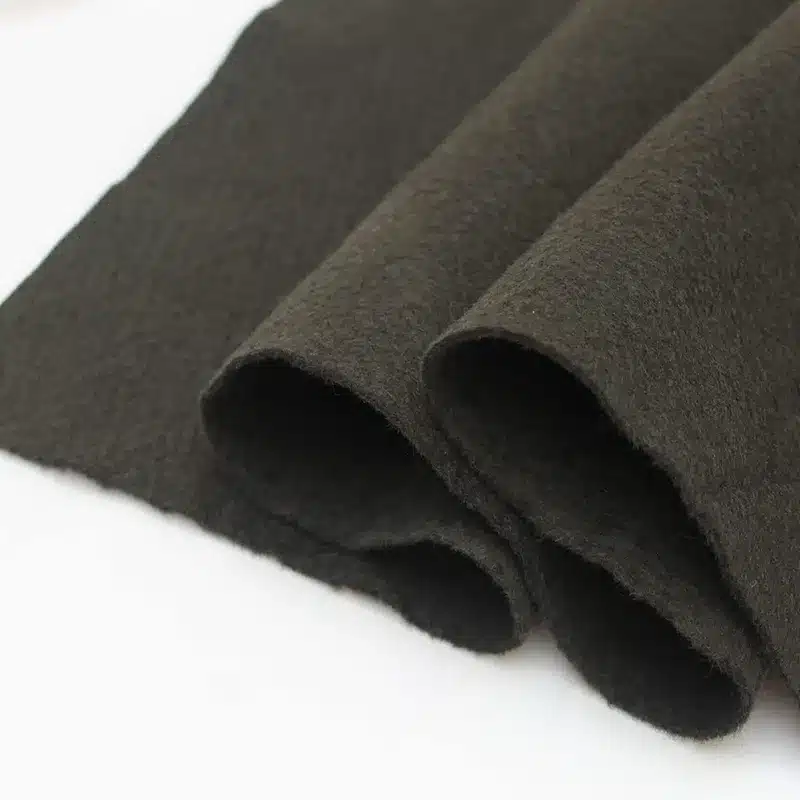
Geotextile sheets are permeable synthetic fabrics manufactured mainly from polypropylene (PP) or polyester (PET). They are designed to improve the interaction between soil, aggregates, and water by controlling particle movement and enhancing structural performance.
The main geotextile sheet uses include:
- Soil separation: Geotextile sheets prevent different soil layers from mixing, maintaining the stability of roads, mining platforms, and foundation structures.
- Filtration: They allow water to pass through while stopping fine soil particles from moving, protecting drainage systems from clogging.
- Drainage improvement: Geotextiles create efficient water pathways around retaining walls, dams, and underground structures.
- Reinforcement: High-strength geotextile products improve load distribution and increase the stability of weak soils.
- Erosion control: They protect slopes, waterways, and exposed soil surfaces from erosion caused by rainfall and water flow.
For engineers selecting materials for demanding projects, understanding geotextile applications for soil stabilization and drainage systems helps ensure the right product performance.
How Do Geotextile Sheet Uses Benefit Mining Projects?
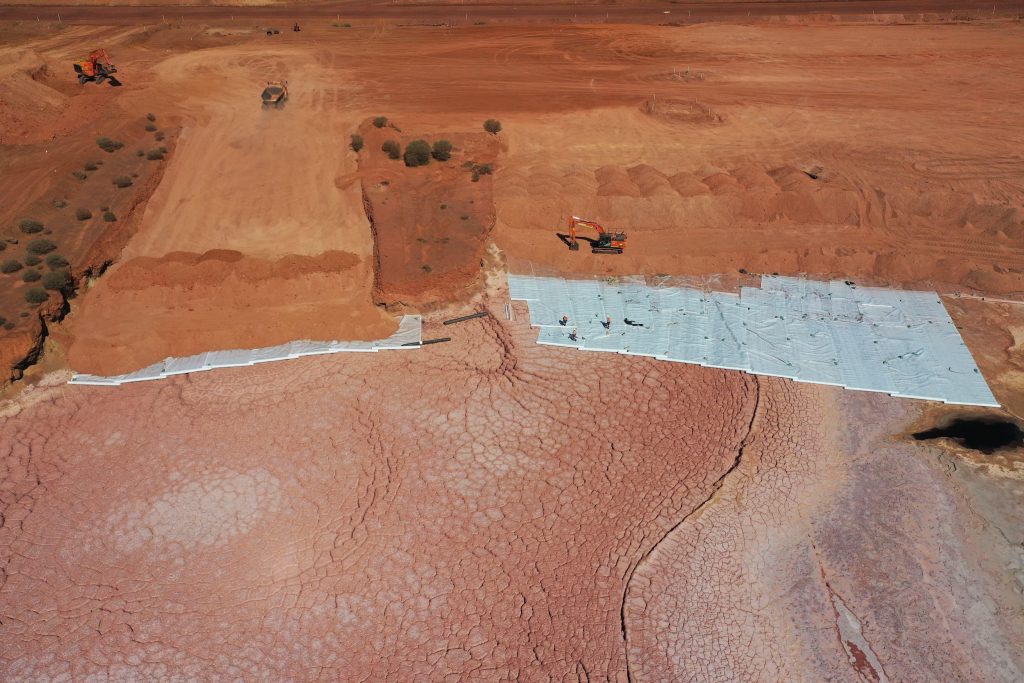
Mining projects often face challenges including unstable ground conditions, heavy equipment loads, water accumulation, and environmental protection requirements. Geotextile sheets provide effective solutions by improving the performance of mining infrastructure.
In mine haul roads and working platforms, geotextiles act as a separation layer between soft subgrade soil and aggregate materials. This reduces aggregate loss, improves bearing capacity, and extends the service life of temporary and permanent roads.
For tailings storage facilities and waste containment areas, geotextiles help improve filtration and drainage performance. They prevent fine particles from migrating into drainage layers while allowing excess water to escape safely.
High-performance geotextile sheet solutions for mining reinforcement are also used in slope protection systems, helping maintain stability and reduce erosion risks around mining sites.
What Are the Applications of Geotextile Sheets in Water Engineering?
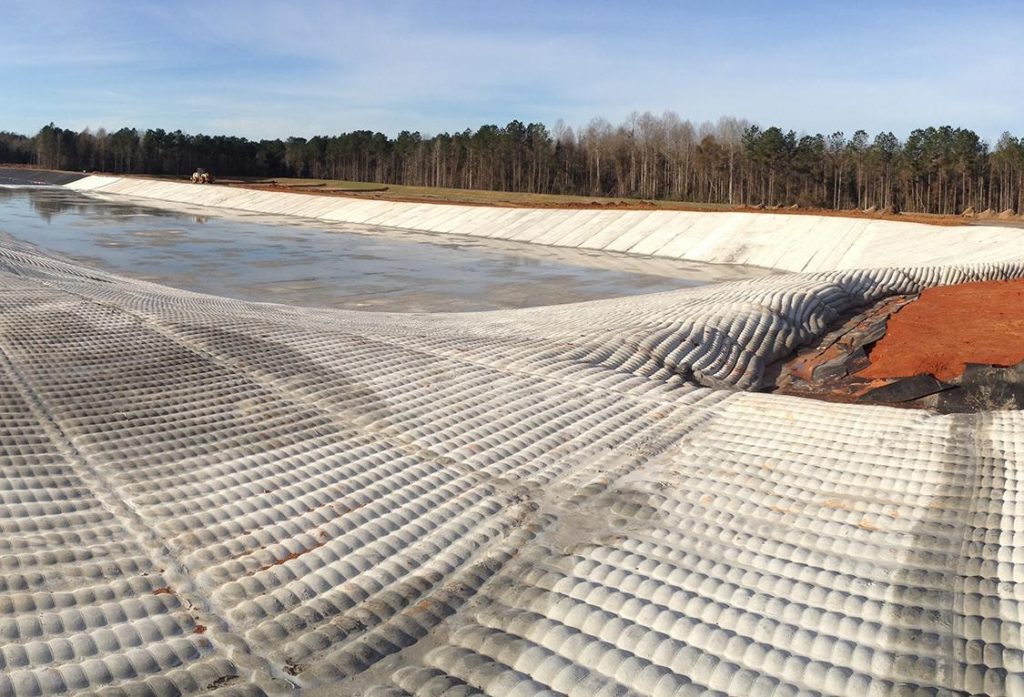
Water engineering projects require durable materials that can manage water flow while protecting soil structures. Geotextile sheets are commonly used in dams, reservoirs, canals, riverbanks, and coastal protection systems.
Key applications include:
- Dam and reservoir protection: Geotextiles provide filtration layers that prevent soil erosion and maintain the stability of hydraulic structures.
- Canal lining systems: They protect soil surfaces and improve drainage efficiency under protective layers.
- Riverbank erosion control: Geotextiles reduce soil loss caused by water currents and wave action.
- Drainage systems: They separate soil from gravel drainage layers, ensuring long-term hydraulic performance.
Selecting suitable materials based on strength, permeability, and environmental conditions is critical for achieving reliable results in water projects.
How to Choose the Right Geotextile Sheet for Different Projects?
Choosing the correct geotextile requires evaluating project conditions and technical requirements. Important selection factors include:
- Tensile strength: Determines whether the geotextile can withstand expected loads and stresses.
- Permeability: Ensures effective water flow while maintaining soil filtration.
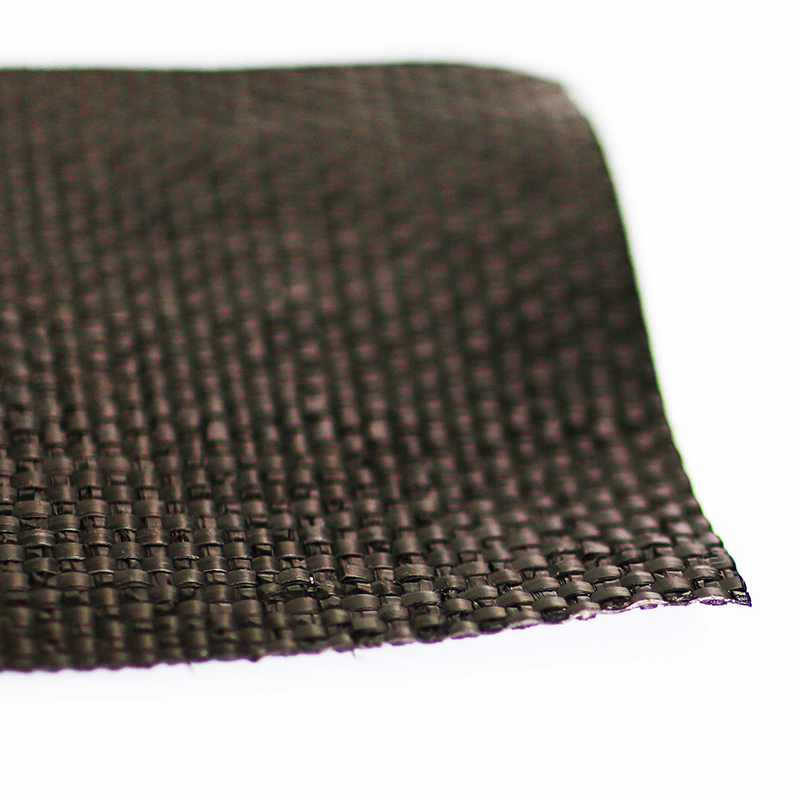
- Material type: Nonwoven geotextiles are commonly used for filtration and drainage, while woven geotextiles are preferred for reinforcement applications.
- Chemical resistance: Important for mining environments and projects exposed to aggressive substances.
- Durability: Ensures long-term performance under weather, water, and mechanical loading conditions.
For large-scale infrastructure projects, engineers should consider both current site conditions and future maintenance requirements. Properly selected geotextile materials can reduce construction costs, improve stability, and extend project lifespan.
Geotextile sheets provide reliable solutions for mining, water management, and civil engineering applications by improving separation, filtration, drainage, and reinforcement performance. Understanding different geotextile sheet uses allows project owners and engineers to select suitable materials for challenging environments and achieve long-term structural stability.

Get Free Sample
We’ll respond as soon as possible(within 12 hours)