Geosynthetics in Civil Engineering: Applications and Benefits
Geosynthetics engineering plays an important role in modern civil engineering, providing innovative solutions to environmental challenges.
Tel: +86-411-39569550 | E-mail: info@geofantex.com/geofantex@gmail.com

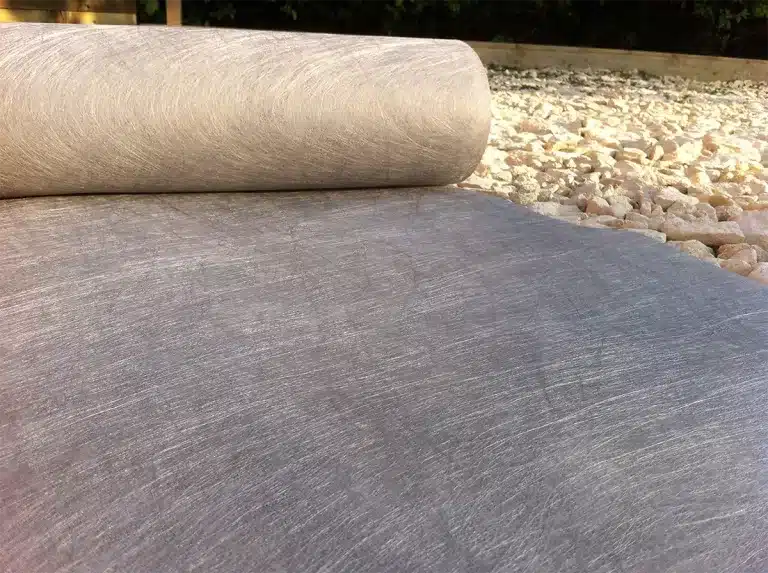
Geosynthetics engineering plays an important role in modern civil engineering, providing innovative solutions to environmental challenges.
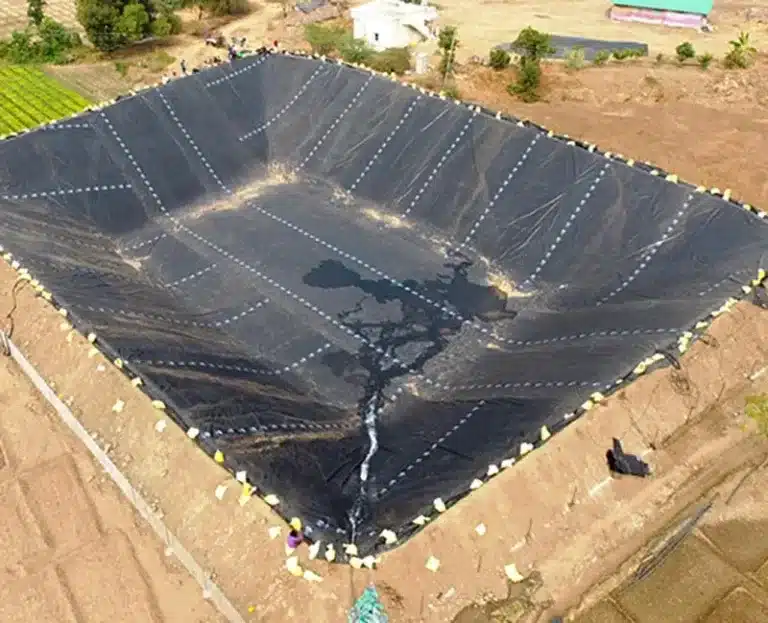
Geogrid road reinforcement is a crucial application in modern civil engineering, providing enhanced strength and longevity to road structures. Geogrids are a type of geosynthetic material designed to stabilize soil and distribute loads evenly across road surfaces, effectively reducing rutting, cracking, and overall deterioration. They are widely used in constructing and reinforcing roads, railways, embankments, and other load-bearing surfaces. This article explores the role of geogrids in road reinforcement, their unique characteristics compared to other geosynthetics, and their broader applications in pavement engineering.
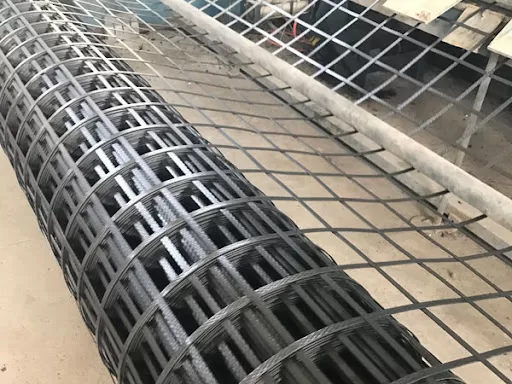
Geogrid road reinforcement is an important application in modern civil engineering to enhance the service life of roads.
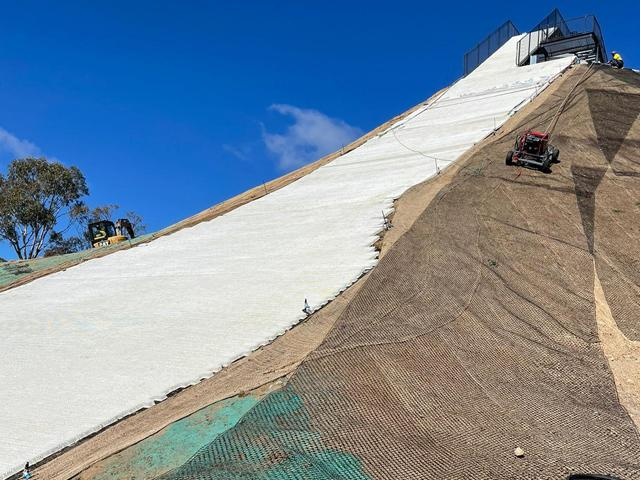
Cutting non-woven geotextile fabric with durable material, easy installation, and custom solutions. Get a quote today.
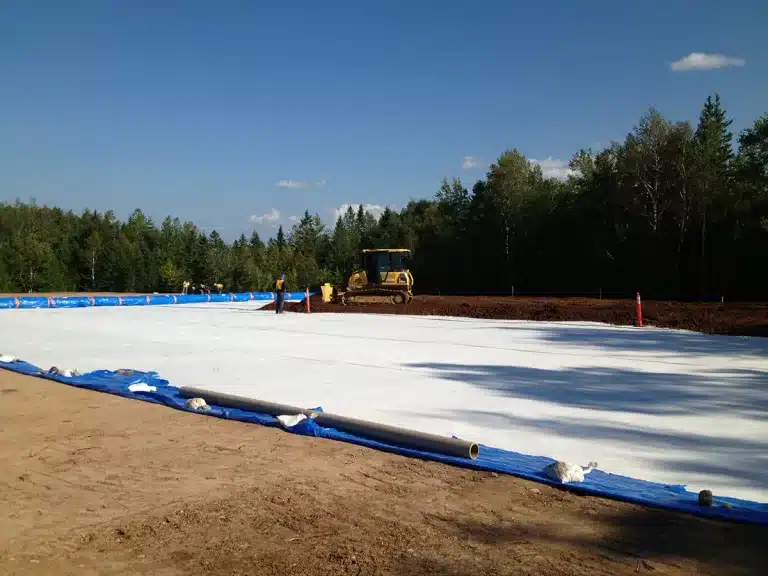
Paved roads are essential infrastructure, supporting the efficient movement of people and goods. However, these roads are constantly exposed to stresses from traffic loads, weather conditions, and ground movement, all of which can lead to wear and damage. Geosynthetics, an advanced category of materials, have become invaluable in strengthening and stabilizing paved road structures. These synthetic materials play a crucial role in enhancing the longevity, durability, and performance of roads by providing essential reinforcement, filtration, and drainage. This article explores the application of geosynthetics in paved roads, their civil engineering applications, and how they differ from geotextiles.
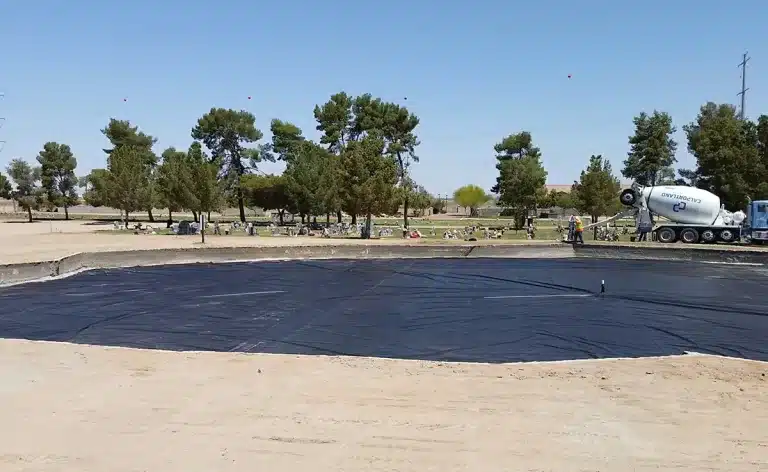
Geomembranes are highly durable synthetic membranes used to control the flow of liquids or gases in various industrial and environmental applications. These materials, often made from high-density polyethylene (HDPE), polyvinyl chloride (PVC), or other polymers, are commonly used in landfills, water reservoirs, and mining operations to create impermeable barriers. Their durability is a critical factor in ensuring the long-term safety and effectiveness of these projects. In this article, we explore the lifespan, waterproofing capabilities, and overall benefits of geomembranes.
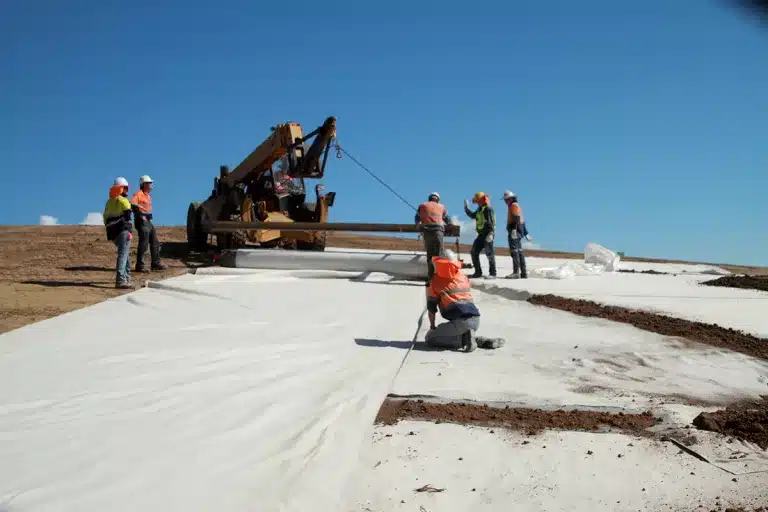
Geosynthetics are a group of synthetic materials used in civil engineering, environmental protection, and construction projects worldwide. These materials, including geotextiles, geomembranes, geogrids, and more, offer specialized properties that reinforce soil, provide erosion control, and improve drainage in various construction applications. From roads to landfills, geosynthetics play a crucial role in building durable, environmentally friendly structures.
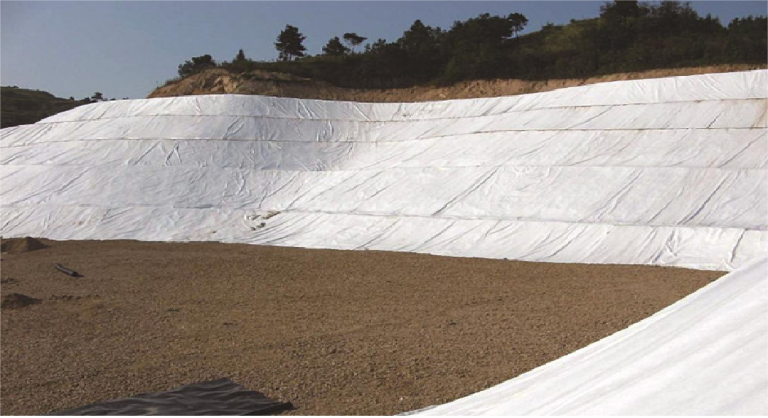
Road geotextile fabric is a specialized material used in the construction of roads to provide support, strength, and stability to the foundation layers. Made from synthetic fibers, these fabrics serve various purposes, such as improving drainage, reinforcing the soil, and preventing erosion. As a crucial component in road construction, geotextile fabrics ensure that roads can withstand heavy traffic, environmental stress, and weather conditions. The use of road geotextile fabric has grown significantly in modern civil engineering due to its efficiency and cost-effectiveness in maintaining long-lasting infrastructure.
Geosynthetic-reinforced soil (GRS) is a key innovation in civil engineering that improves the stability and performance of infrastructure projects. By integrating geosynthetic materials into soil structures, engineers can create more durable and flexible systems for applications like retaining walls, embankments, and road foundations. Recent advances in GRS technology introduce new concepts that further optimize the use of geosynthetics in construction, improving both performance and sustainability. This article explores these new concepts and their impact on the future of construction.
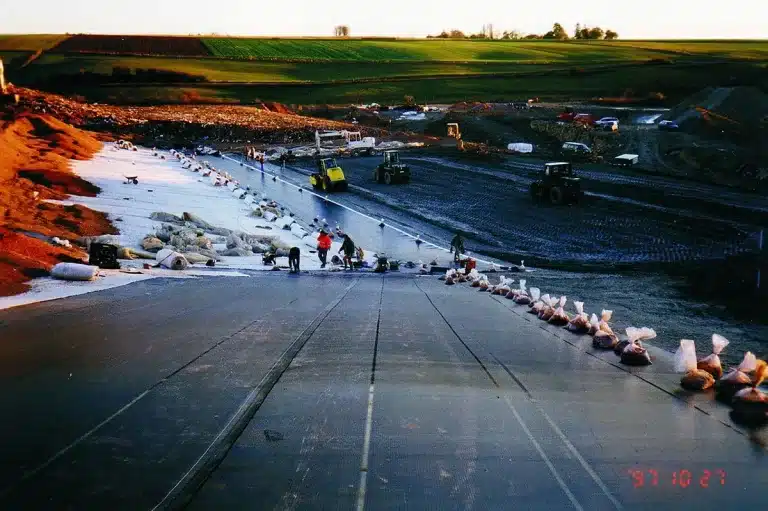
These synthetic liners offer reliable containment and protection in a range of settings, from waste management to water conservation.
End of content
End of content
WhatsApp us