How Woven Polyethylene Fabric Compares to Other Synthetic Fabrics
Explore woven polyethylene fabric, a durable, water-resistant material ideal for tarps, packaging, geotextiles and.
Tel: +86-411-39569550 | E-mail: info@geofantex.com/geofantex@gmail.com
Explore woven polyethylene fabric, a durable, water-resistant material ideal for tarps, packaging, geotextiles and.
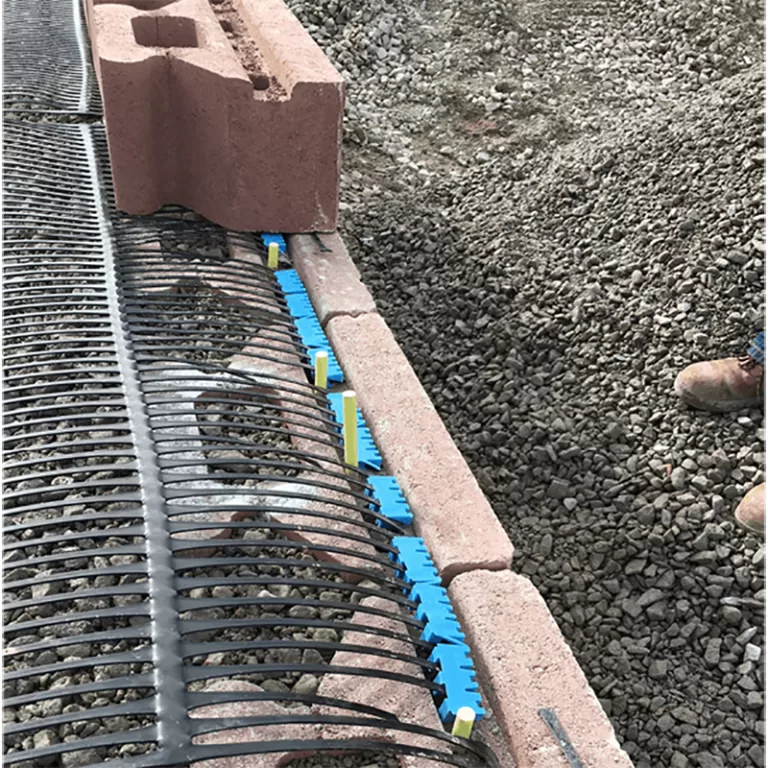
Geogrids are a vital component in modern road construction, playing a crucial role in reinforcing and stabilizing the roadbed. These grid-like structures are made from polymers such as polypropylene, polyethylene, or polyester, and are used to enhance the strength and durability of roadways. In this article, we will explore the use of geogrids in road construction, their purpose, when they should be used, and their specific application in rigid pavements.
Gravel driveways are a popular choice for their affordability and natural look, but maintaining their integrity over time can be challenging due to issues like erosion, weed growth, and sinking gravel. Geotextile fabric is a cost-effective solution to these problems. It acts as a stabilizing layer between the gravel and the soil, offering enhanced durability and better water drainage while preventing gravel from sinking into the ground. This article explores the benefits of geotextile fabric in gravel driveway construction and answers common questions regarding its application.
Landscape fabric is a popular tool among gardeners and landscapers for controlling weeds and managing soil conditions. Landscape fabric is an effective, short-term weed control solution but has deleterious long-term effects on soil health. However, many people wonder whether it truly works as advertised. In this article, we’ll delve into the effectiveness of landscape fabric, answering common questions about its use, installation, and comparison to other materials like plastic. We’ll explore how landscape fabric functions, its pros and cons, and provide insights into whether it is the right choice for your gardening needs.
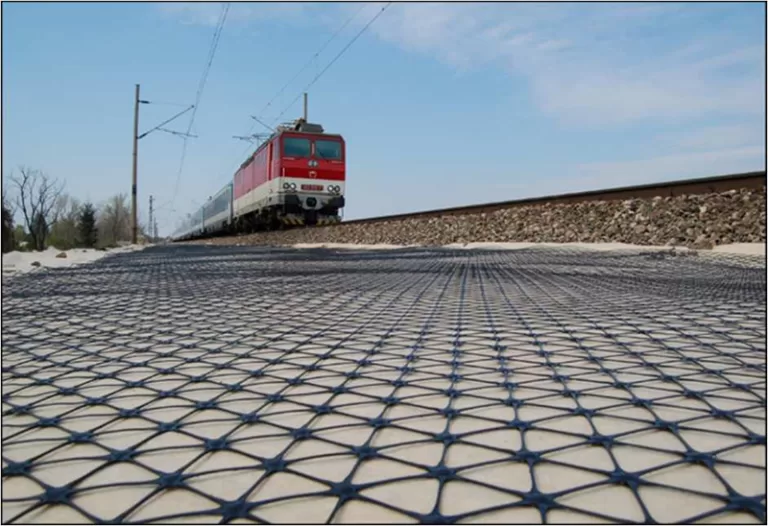
Geogrid fabric has emerged as a critical component in modern road construction and rehabilitation. This innovative material, designed to enhance the structural integrity of roadways, plays a vital role in supporting and distributing loads, improving drainage, and preventing soil erosion. In this article, we’ll explore the various applications of geogrid fabric in road construction, answer common questions about its benefits, and understand its significance in pavement design.
Synteen geogrids are innovative geosynthetic materials designed to enhance soil stability and support various construction applications. With their unique structure and engineering capabilities, these geogrids play a crucial role in improving the performance and longevity of infrastructure projects, such as roads, retaining walls, and foundations. This article explores the key aspects of Synteen geogrids, addressing common questions about their types, differences from geonets, purpose, and properties.
Geosynthetics play a crucial role in modern construction and civil engineering, providing solutions for soil stabilization, erosion control, and infrastructure support. One important aspect of geosynthetics is their ability to withstand aerial strain, which refers to the stress or strain they experience when subjected to forces such as pulling or stretching. This article explores the concept of geosynthetic aerial strain, its implications in construction, and answers common questions related to geosynthetics, including their pull-out resistance, differences from geotextiles, and their applications in construction.
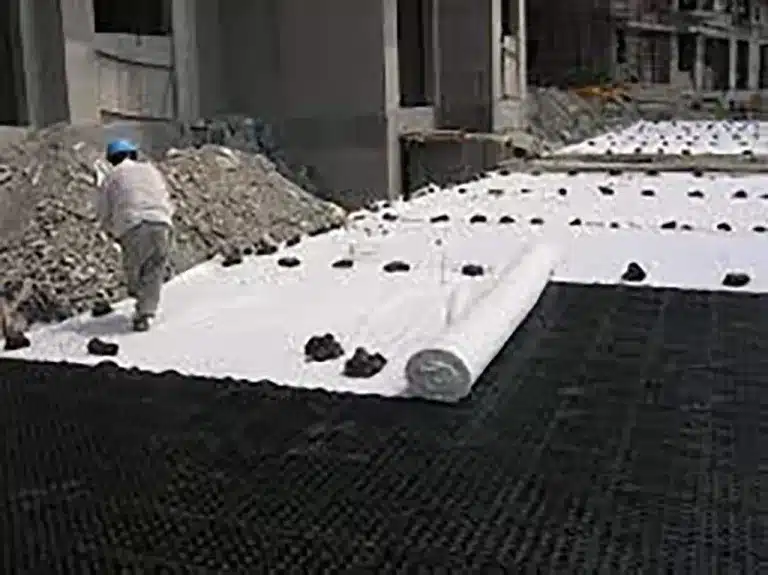
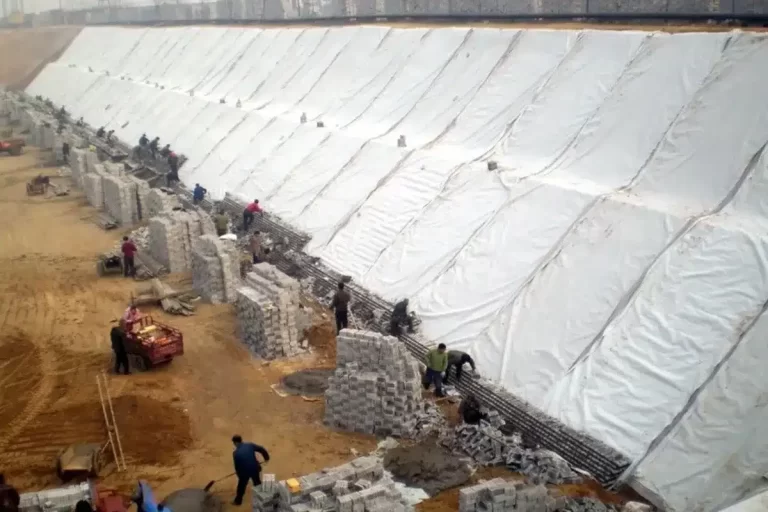
High-strength geotextiles are engineered fabrics that provide exceptional support and durability in various applications, from construction to environmental protection. Made from synthetic fibers, these materials are designed to withstand significant tensile forces, making them ideal for reinforcing soil and enhancing the stability of structures. Their versatility has made them indispensable in geotechnical engineering, helping to improve drainage, reduce erosion, and increase the lifespan of infrastructure.
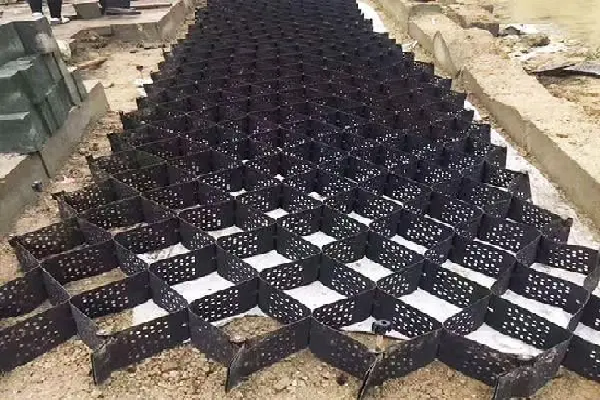
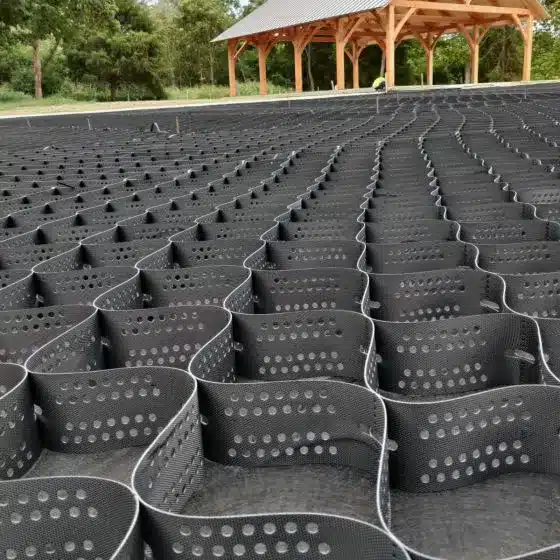
Geocell technology has become an integral part of modern road construction, providing stability and durability to a variety of projects.
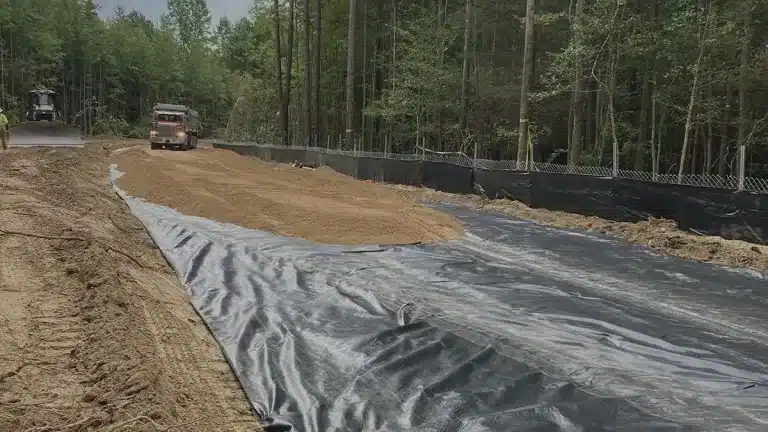
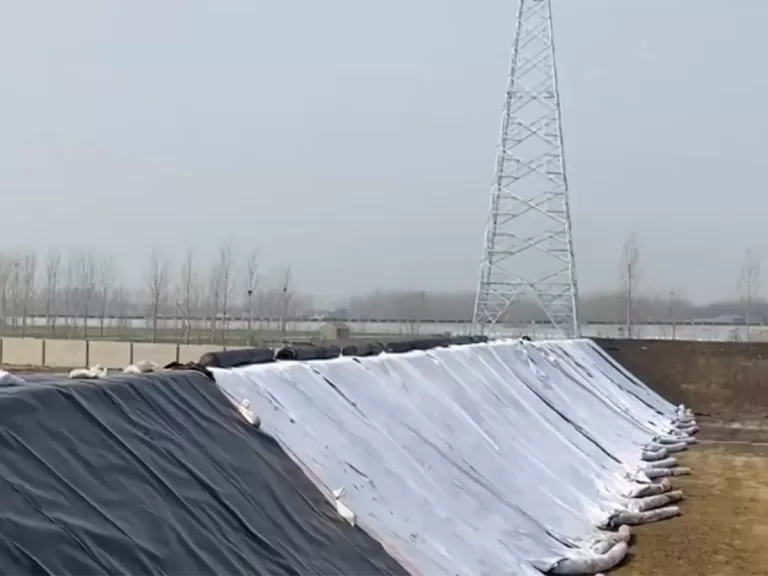
Geomembranes are synthetic materials widely used in various industries for watertight and durable containment solutions. These impermeable liners play a crucial role in environmental protection, waste management, and construction projects. This article explores the properties of geomembranes, their applications, and their differences from other containment technologies, such as geosynthetic clay liners (GCL). Read on to understand how geomembranes work, their service life, and why they are essential for projects requiring reliable waterproof barriers.
End of content
End of content
WhatsApp us