Essential Geogrid Requirements for Retaining Walls
Learn when to use geogrid in retaining walls, proper layer spacing, depth placement, and design tips to ensure stability .
Tel: +86-411-39569550 | E-mail: info@geofantex.com/geofantex@gmail.com
Learn when to use geogrid in retaining walls, proper layer spacing, depth placement, and design tips to ensure stability .
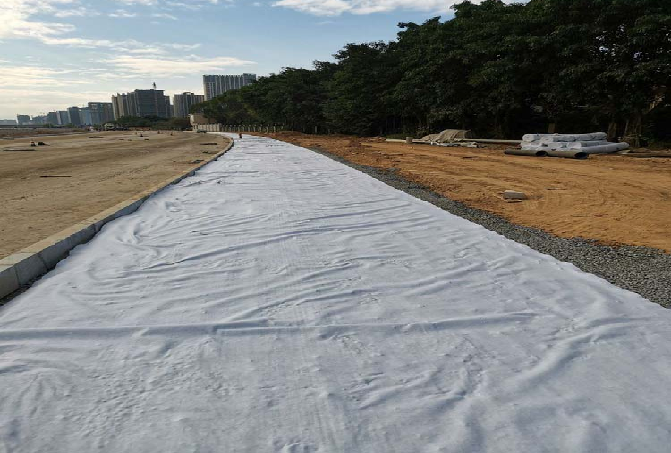
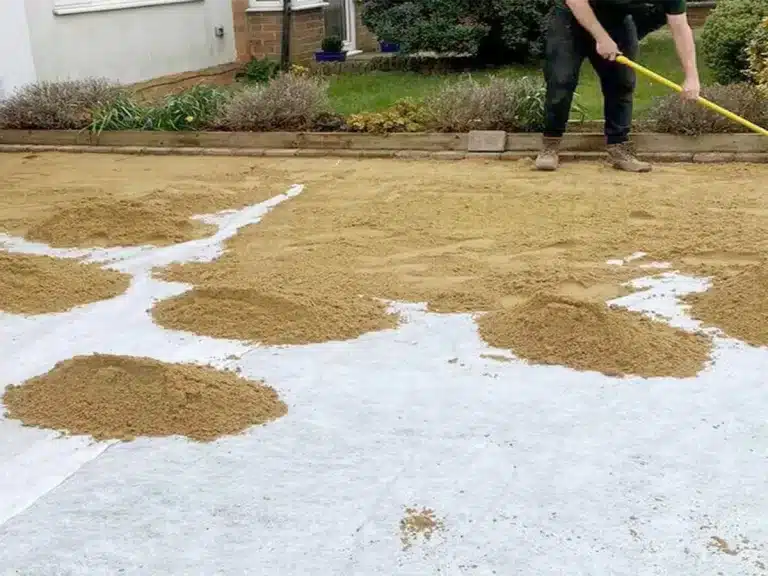
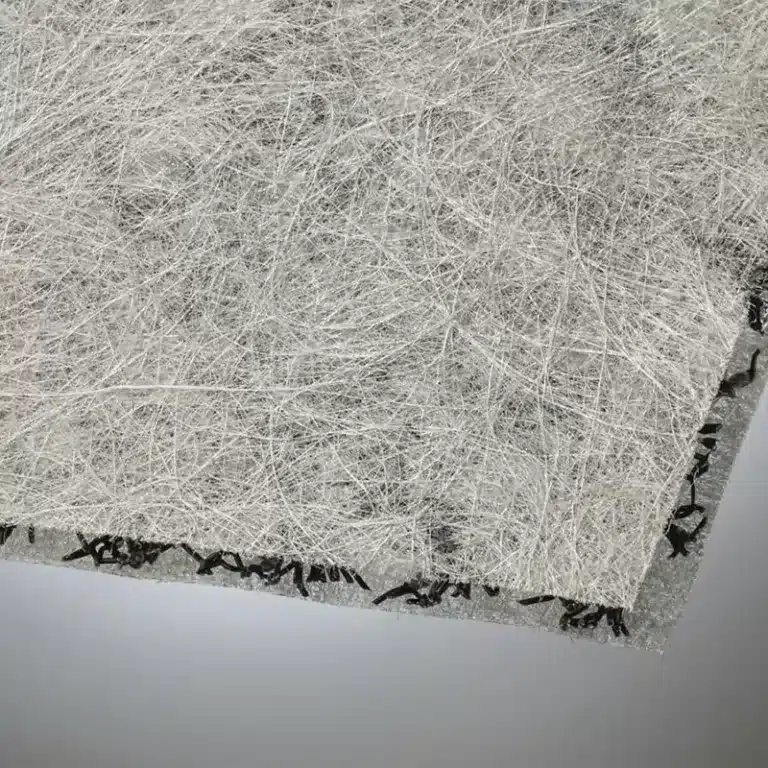
The type of landscaping fabric you should use is determined by the specific needs of your project. Landscaping fabrics generally fall into two primary categories: woven and non-woven. Woven fabrics are designed to allow water and air to easily reach the soil beneath, making them ideal for promoting healthy plant growth. On the other hand, non-woven fabrics create a more substantial barrier, making them better suited for use with rocks and gravel.
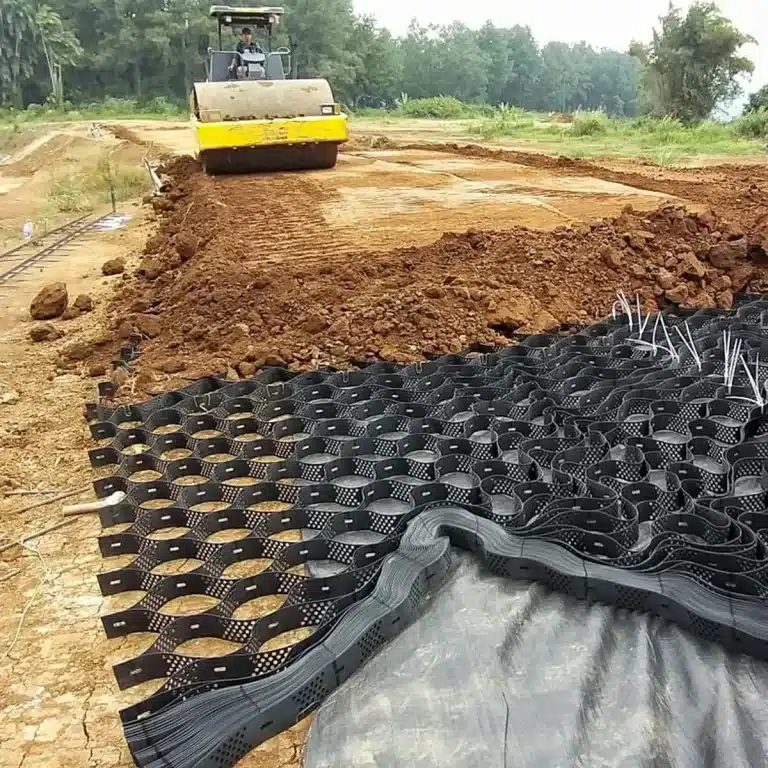
In the world of civil engineering and geotechnical applications, geocells and geogrids play crucial roles in soil stabilization, erosion control, and load distribution. The geocell is a deep, three-dimensional mesh structure, while the geogrid is typically two-dimensional, reflecting their distinct functions. Although both are geosynthetic materials designed to reinforce and stabilize soils, they function differently and are suited to different applications. This article explores the key differences between geocells and geogrids, how they work, and when to use each for optimal results.
Landscape fabric plays a crucial role in gardening and construction, acting as a barrier that controls weeds and stabilizes the soil. Choosing between woven and non-woven types can significantly impact the effectiveness and longevity of your landscaping projects. This article explores the key differences, applications, and advantages of both woven and non-woven landscape fabrics to help you make the best choice for your specific needs.
The quantity of landscaping fabric required for your project primarily depends on the type of project, the environment and soil conditions.
Geogrids have become an increasingly popular solution when it comes to constructing a durable and stable driveway. Geogrids are synthetic materials used in civil engineering projects to reinforce soil and other materials. For driveways, they offer significant benefits, including improved load distribution, reduced soil displacement, and enhanced longevity. This article explores the effectiveness of geogrids in driveway construction by addressing common questions related to their application and benefits.
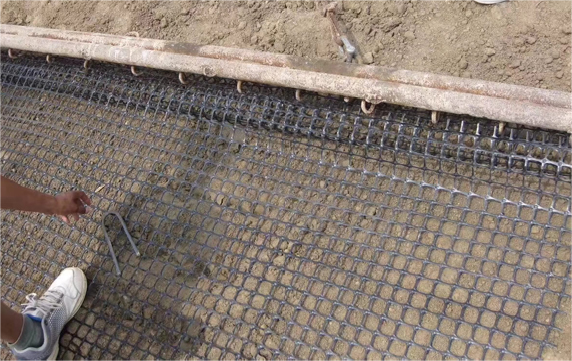
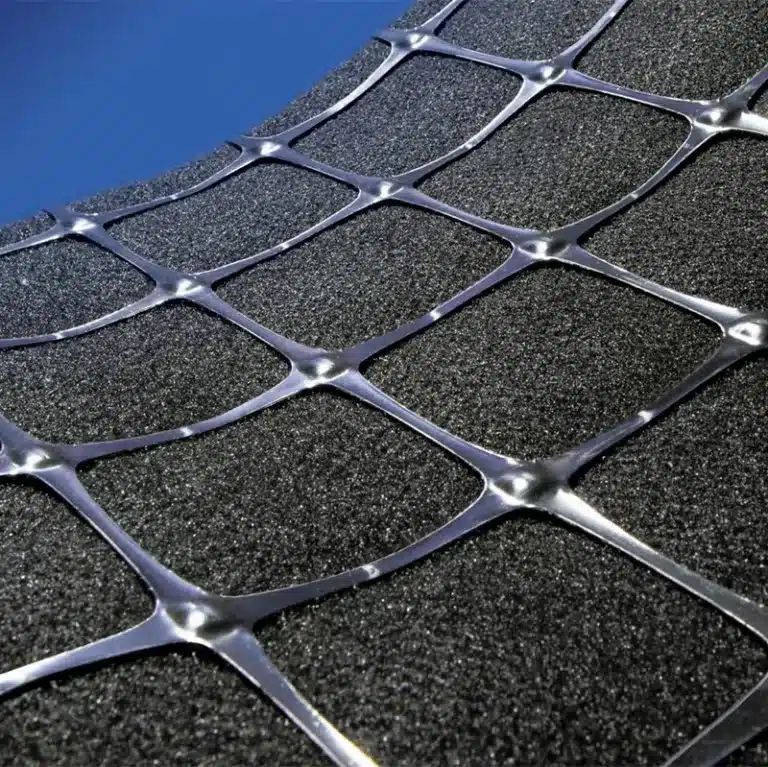
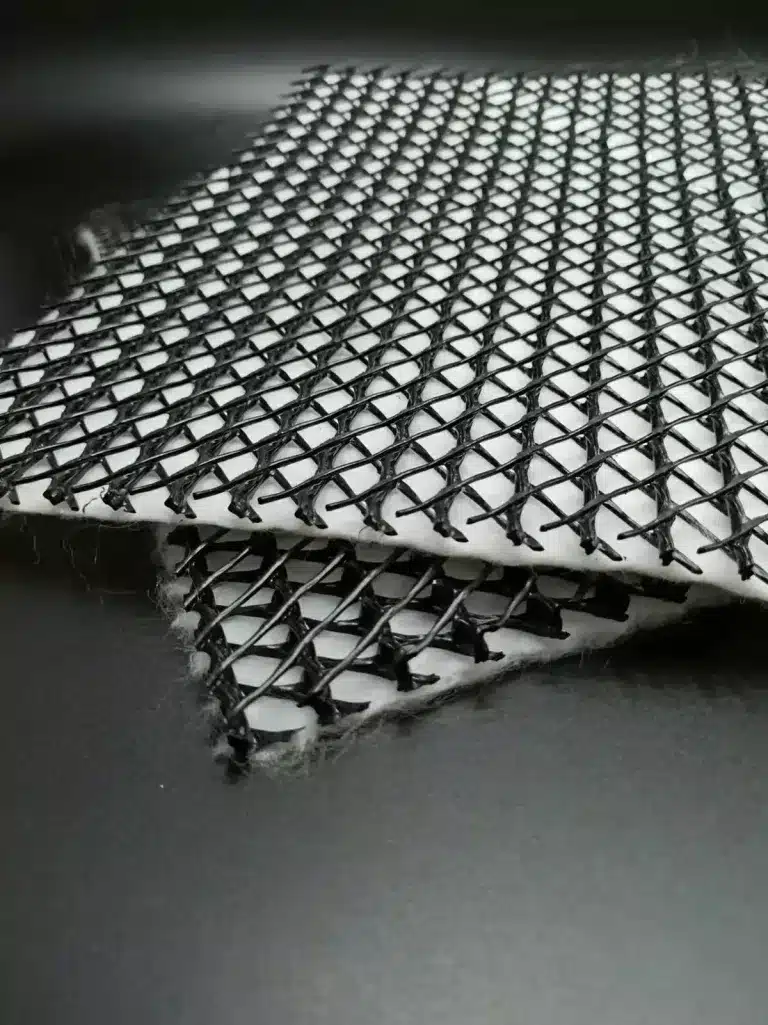
Retaining walls are essential structures used to hold back soil, prevent erosion, and create usable land in sloped areas, especially when dealing with 36”-48” exposed wall heights. One crucial component in the construction of a durable and effective retaining wall is the use of geogrids. These synthetic materials are designed to reinforce the soil and improve the wall’s stability. This article explores the best practices for using geogrid in retaining walls and answers common questions about its application.
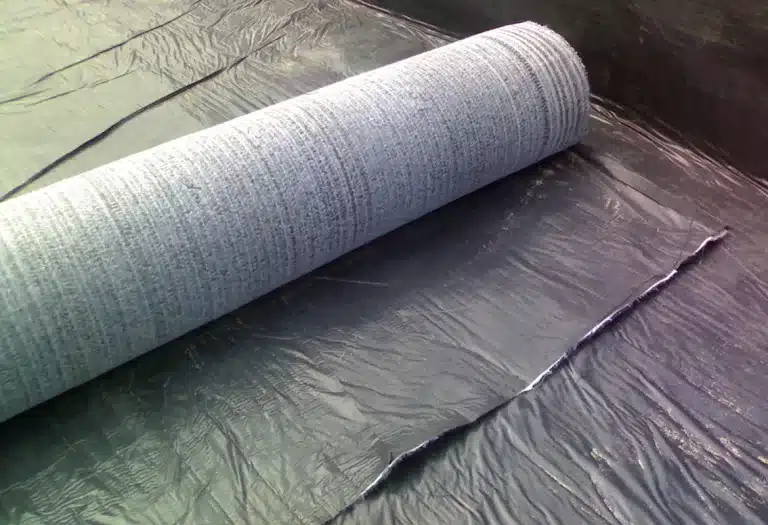
Geomembranes are an essential component in various construction and environmental projects, primarily known for their waterproofing capabilities. These synthetic membranes are used to prevent the migration of fluids and gases, making them indispensable in applications such as landfills, ponds, and building foundations. In this article, we’ll explore the key aspects of geomembranes, focusing on their role as waterproofing underlayment.
Riprap is essential for protecting, stabilizing, and shielding soil surfaces from erosion in areas of concentrated flow. Typically consisting of rock or other durable materials, riprap is placed over geotextile along graded ditches, channels, and shoreline banks. It serves multiple functions in erosion control, including the construction of retention berms for sediment traps and temporary check dams to safeguard high-velocity culvert inlets.
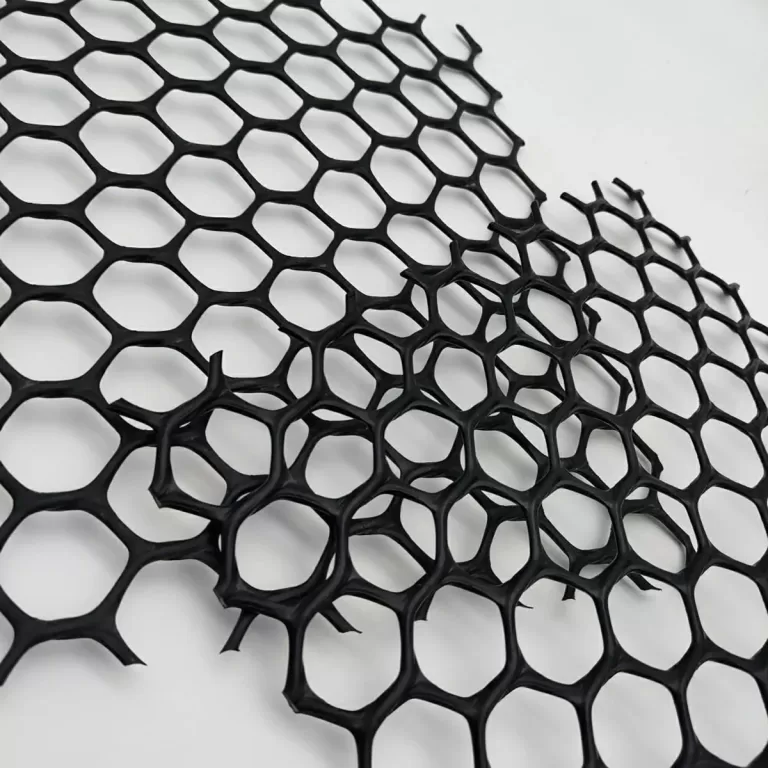
Geocells are a type of geosynthetic material widely used in construction and civil engineering projects. They consist of a honeycomb-like structure made from polymer strips that are joined together to form flexible, three-dimensional cells. These cells can be filled with soil, gravel, or other materials to create a stable and reinforced structure. The versatility of geocells makes them an essential tool in various applications, particularly to protect slopes from erosion and help stabilize the surface, as well as in erosion control, slope stabilization, and load support. This article explores the uses, benefits, and characteristics of geocells, as well as how they compare to other geosynthetic materials like geogrids.
End of content
End of content
WhatsApp us