Geotextile Fabric: Key Properties and Benefits for Infrastructure Projects
Explore geotextile fabric uses, properties, and benefits for soil stabilization, drainage, and road construction to enhance infrastructure.
Tel: +86-411-39569550 | E-mail: info@geofantex.com/geofantex@gmail.com
Explore geotextile fabric uses, properties, and benefits for soil stabilization, drainage, and road construction to enhance infrastructure.
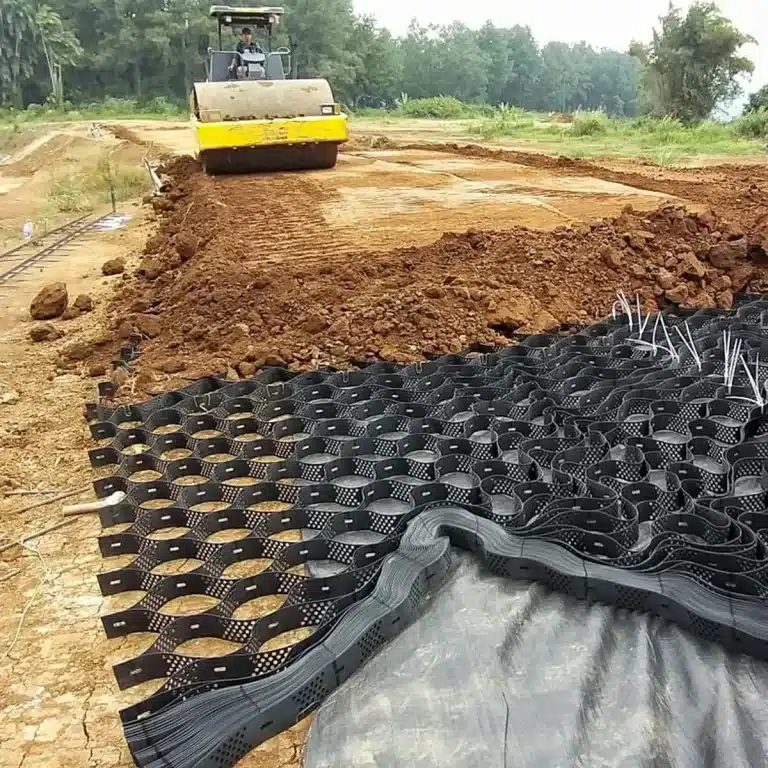
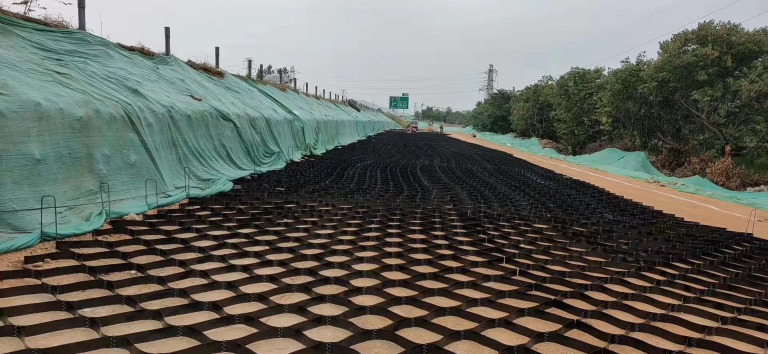
Geocell grids have emerged as an essential solution in modern slope protection techniques. These honeycomb-like structures offer superior stability, erosion control, and load distribution, making them ideal for a variety of applications, from highways to retaining walls. In this article, we’ll explore the role of geocell grids in slope protection, their interaction with geotextiles, the installation process, and how they compare to traditional slope protection methods.
Learn how geocell erosion control stabilizes slopes up to 1:1, improves drainage, and prevents soil loss effectively.
Discover how slope stabilization fabric prevents erosion, reinforces slopes, and enhances long-term soil stability in construction projects.
Learn how geotextile fabric enhances retaining wall performance by improving drainage, reinforcing soil, and preventing erosion.
Root protection geocell is an innovative solution that merges the benefits of geocells with the need to safeguard tree roots and vegetation. This method is particularly effective in areas where construction or landscaping activities may threaten the integrity of existing roots. In this article, we explore the concept of root protection, the role of geocells in slope protection, and how these two technologies work together to provide a stable and sustainable environment.
Driveways are a significant investment, and ensuring their longevity is crucial. One of the most effective ways to protect your driveway and increase its lifespan is by using geo fabric, also known as geotextile fabric. This engineered material is placed beneath the driveway surface, acting as a barrier to prevent soil erosion, weed growth, and gravel displacement. In this article, we’ll explore the benefits of geo fabric for driveways and guide you through the installation process, ensuring your driveway remains durable for years to come.
Contaminated soils present a significant environmental and health challenge, often requiring advanced techniques to manage and remediate. One of the most effective tools in addressing these challenges is the use of geosynthetics. These engineered materials play a crucial role in isolating, containing, and remediating contaminated soils, making them indispensable in modern environmental engineering. In this article, we will explore the remediation process of contaminated soils, the role of geosynthetics in soil management, and their specific applications in erosion and sediment control.
Geocells are widely recognized as an effective solution for slope protection and stabilization. Made from high-density polyethylene (HDPE), these three-dimensional honeycomb structures provide reinforcement to soil, prevent erosion, and improve load distribution. In slope protection projects, geocells help stabilize the surface by containing and reinforcing various types of fill material such as soil, gravel, or sand. This article explores the role of geocells in slope protection, how geotextile fabrics complement this system, and the installation process for optimal performance.
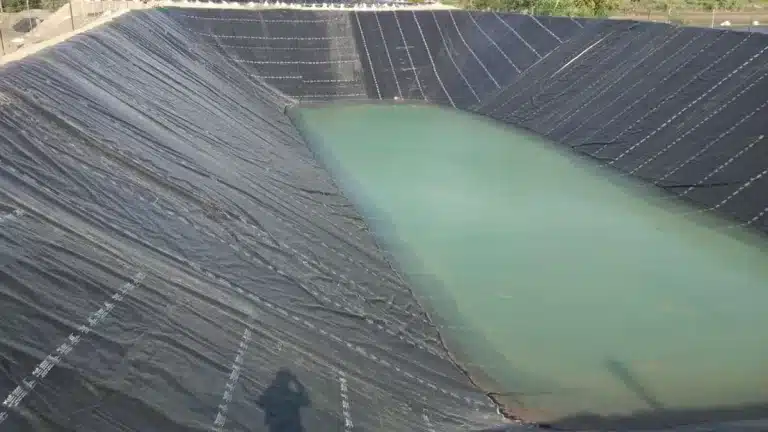
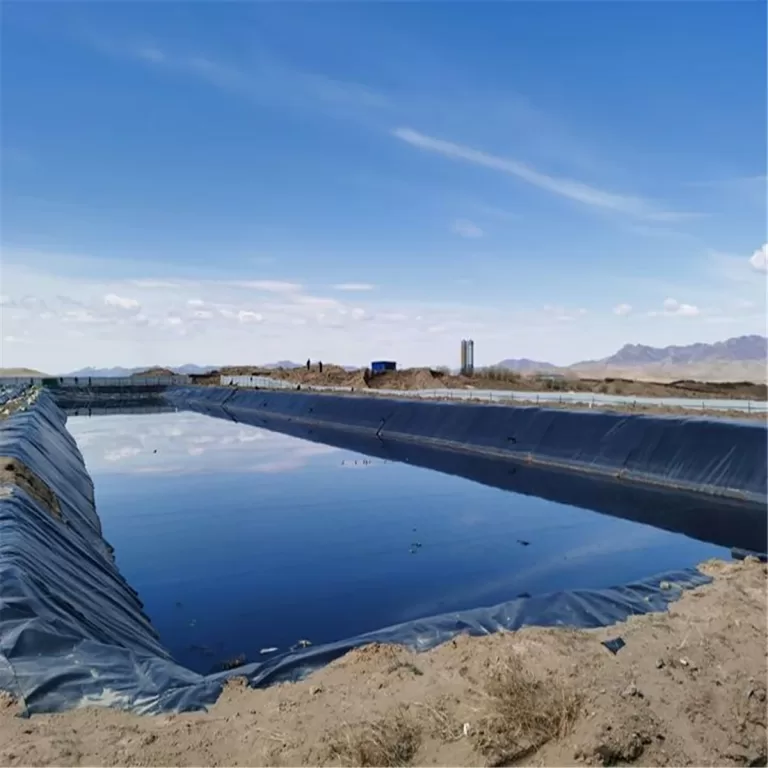
Geomembranes are an essential tool in various engineering and environmental applications, primarily known for their waterproofing capabilities. These synthetic membranes are used to prevent the movement of fluids or gases across a physical barrier, making them invaluable in projects ranging from landfills to ponds. In this article, we will delve into the waterproof nature of geomembranes, how they are sealed, and the specific role of polyethylene in enhancing their waterproofing properties.
End of content
End of content
WhatsApp us