

+86-159 9860 6917
info@geofantex.com
geofantex@gmail.com
+86-400-8266163-44899
Geotextile for road construction plays an important role in improving pavement stability, soil separation, filtration, and drainage. Installed between the subgrade and aggregate layers, geotextiles help prevent material mixing, limit rutting, and maintain the integrity of road structures.
For contractors, engineers, and project buyers, selecting the appropriate woven or nonwoven geotextile requires evaluating soil conditions, traffic loads, drainage requirements, and mechanical properties. Understanding these factors helps identify suitable materials for highways, access roads, and other infrastructure projects while optimizing construction and maintenance costs.
What Is Geotextile for Road Construction and What Are Its Main Functions?
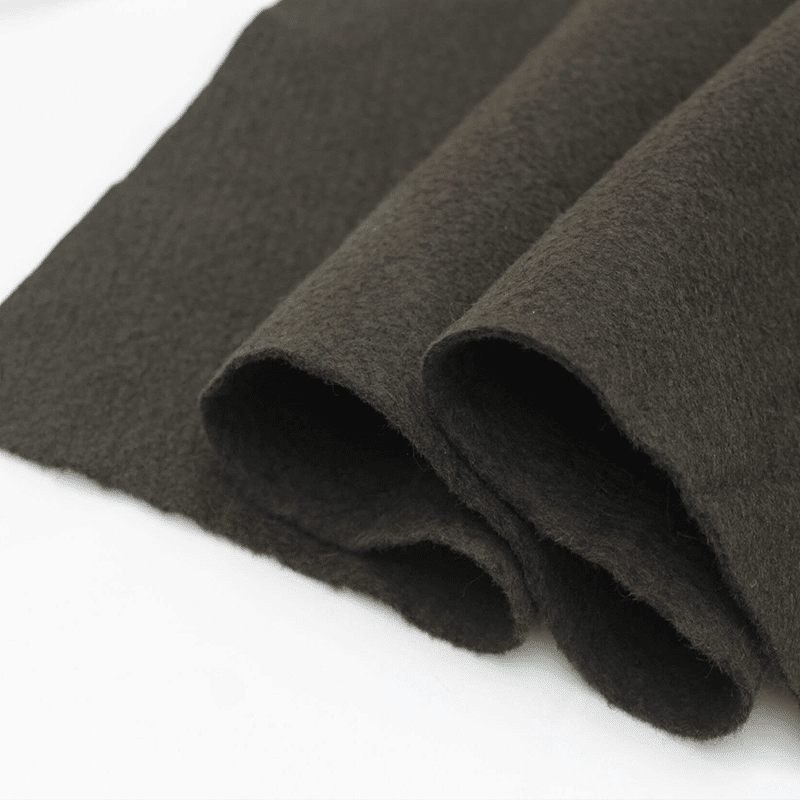
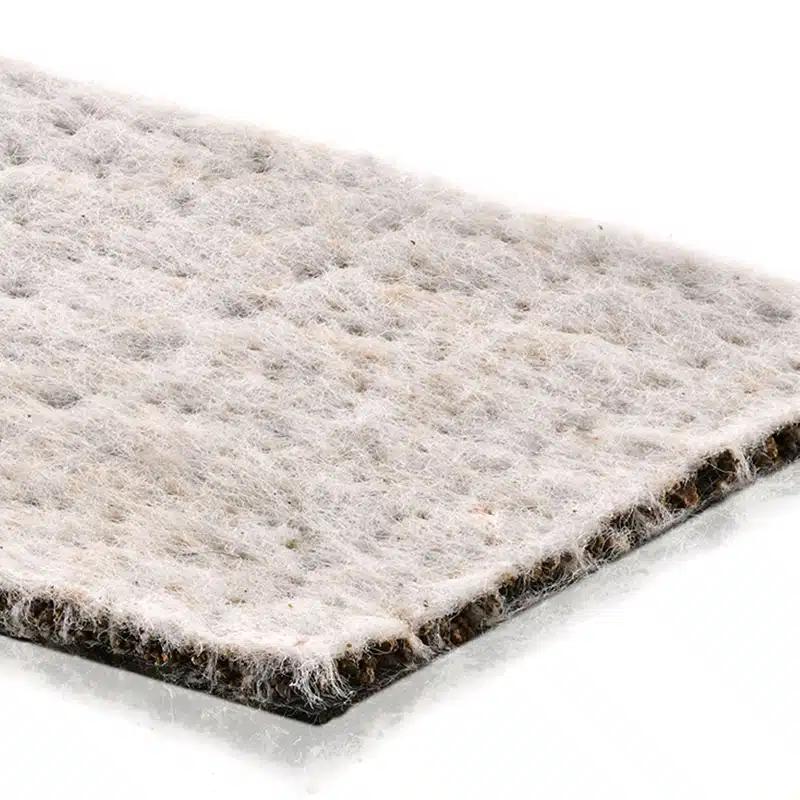
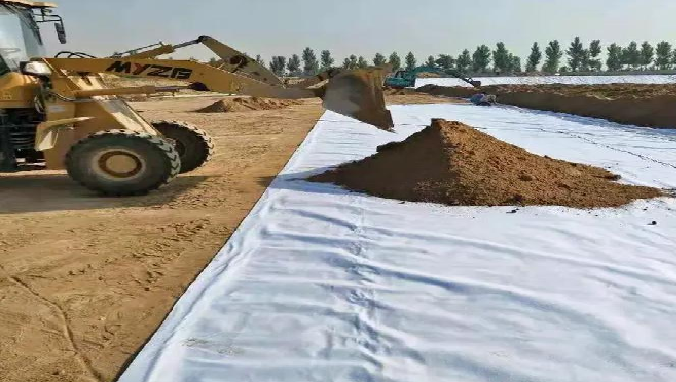
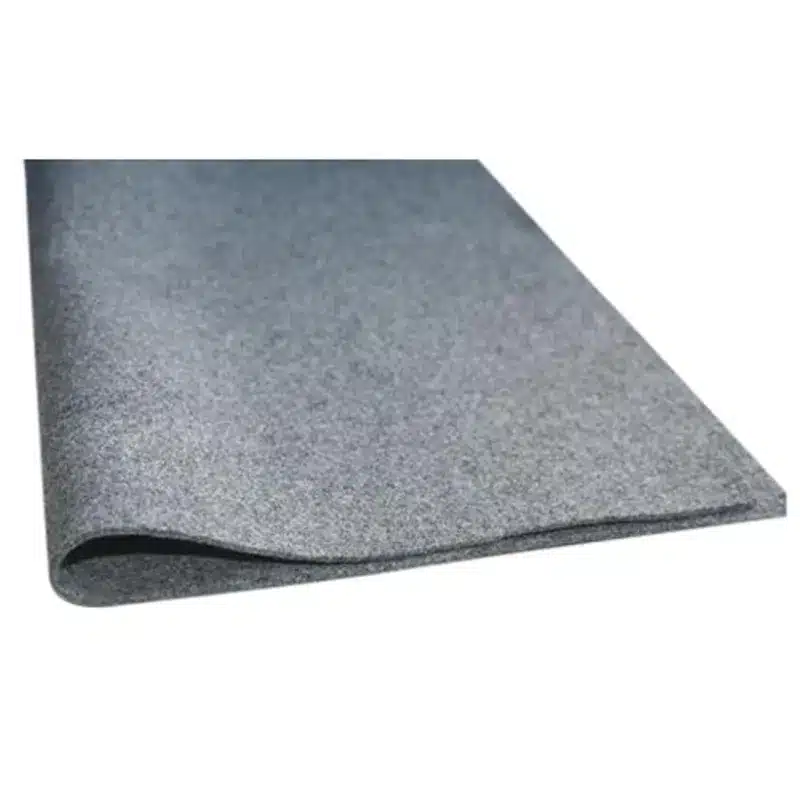
A roadway geotextile is a permeable geosynthetic material manufactured primarily from polypropylene (PP) or polyester (PET). It is installed within pavement structures to perform functions such as separation, filtration, drainage, and, when appropriately designed, reinforcement.
Geotextiles help maintain the performance of road foundations by limiting the migration of fine soil particles into aggregate layers. Their effectiveness depends on the fabric structure, material properties, and site conditions.
How Does Geotextile for Road Construction Improve Soil Separation?
Geotextiles create a separation layer between the natural subgrade and the granular base.
This prevents fine soil particles from contaminating the aggregate and limits the penetration of aggregate into weak subgrade soils.
Maintaining separation helps preserve the thickness and structural integrity of the granular layer, particularly under repeated traffic loading.
What Are the Benefits of Geotextile for Road Construction on Weak Soils?
Weak or saturated subgrades can experience deformation when subjected to construction equipment and vehicle loads.
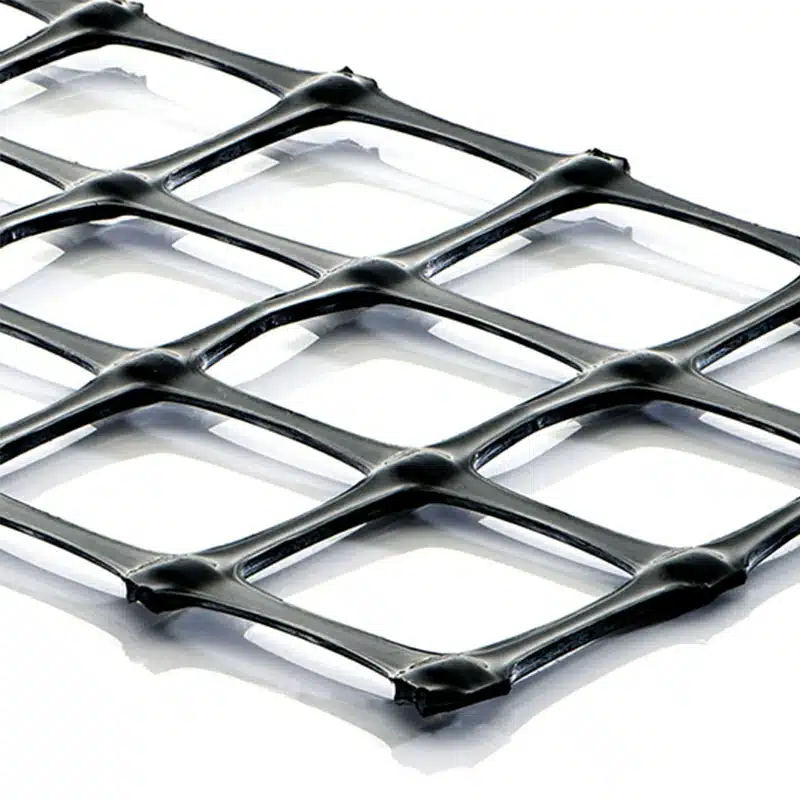
A properly selected geotextile helps maintain separation and reduces aggregate contamination. Certain geotextiles can also provide tensile reinforcement when designed for that purpose.
However, performance depends on subgrade strength, traffic loading, geotextile properties, and construction methods.
How Does Geotextile for Road Construction Reduce Rutting and Pavement Failure?
Poor subsoil can lead to rutting, potholes, and road deformation. By acting as a separation layer, the fabric ensures that the road structure maintains its integrity. It also distributes loads more evenly, reducing the pressure on weaker soils and significantly minimizing the risk of early road failure.
How Do Roadway Geotextiles Improve Drainage and Soil Filtration?
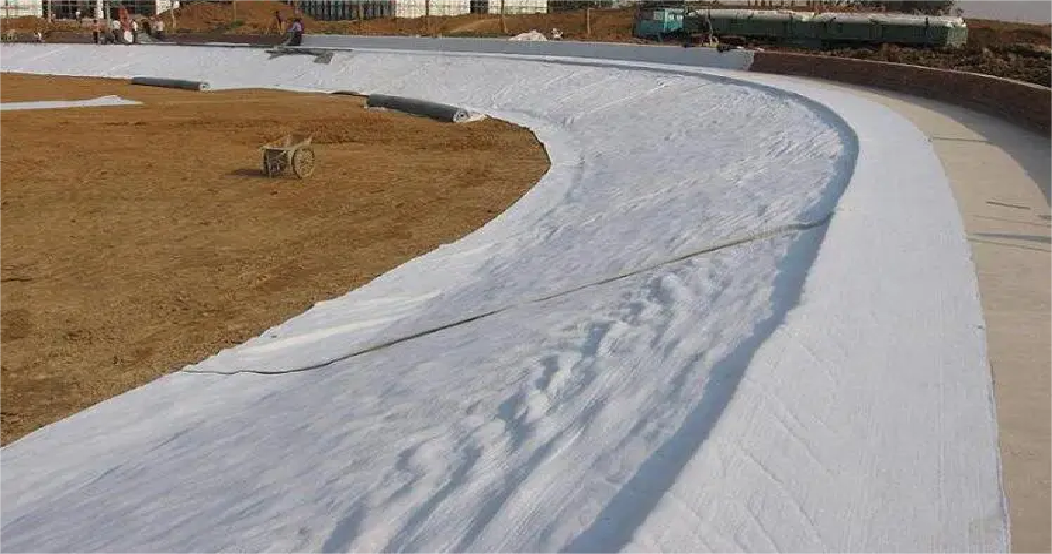
Yes. Many types of roadway geotextile fabric are designed to allow water to pass through while keeping soil in place. This helps control excess moisture buildup in the road base, which can weaken the structure and lead to erosion or frost heave in colder climates.
How to Choose Between Woven and Nonwoven Geotextiles for Road Projects?
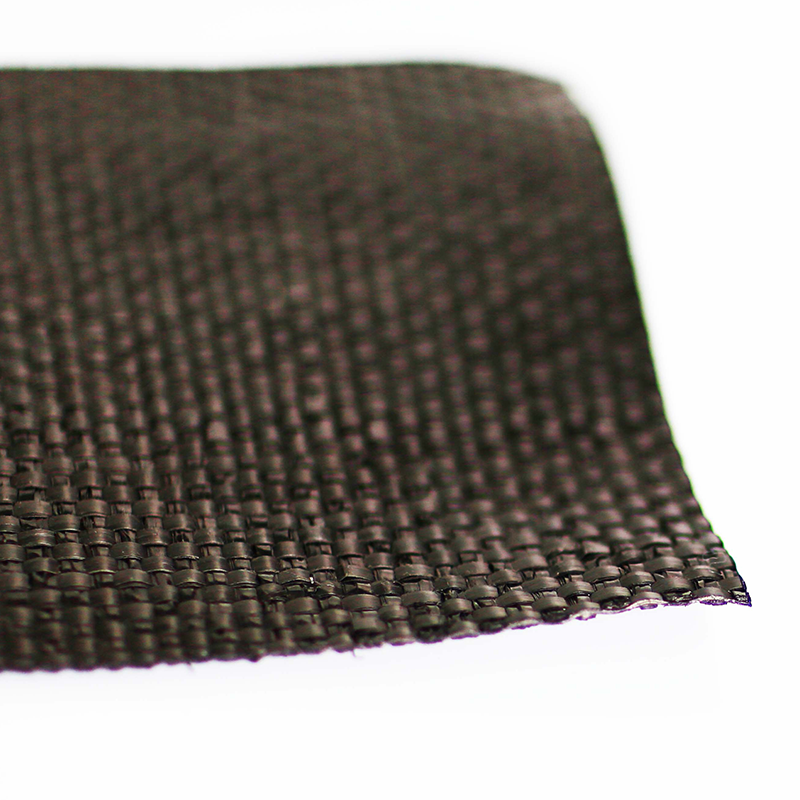
Key factors include soil type, expected traffic loads, climate, and project objectives. Choosing the right fabric—woven or nonwoven—can greatly impact performance. Consulting with geosynthetics experts ensures proper material selection for maximum effectiveness and cost-efficiency.
Roadway geotextile fabric is a vital geosynthetic material used in road construction to improve stability, prevent soil mixing, enhance drainage, and extend pavement life. It addresses common problems like poor soil conditions, water retention, and early road failure. Selecting the right type of fabric based on project needs ensures better performance and long-term cost savings.

Get Free Sample
We’ll respond as soon as possible(within 12 hours)