

+86-159 9860 6917
info@geofantex.com
geofantex@gmail.com
+86-400-8266163-44899
In many construction projects, effective drainage is essential to prevent soil instability and water accumulation. A geocomposite strip drain is a reliable solution designed to manage water efficiently, ensuring long-term stability and performance. Below, we address common concerns related to drainage and how this geosynthetic product provides effective solutions.
What Is a Geocomposite Strip Drain, and How Does It Work?
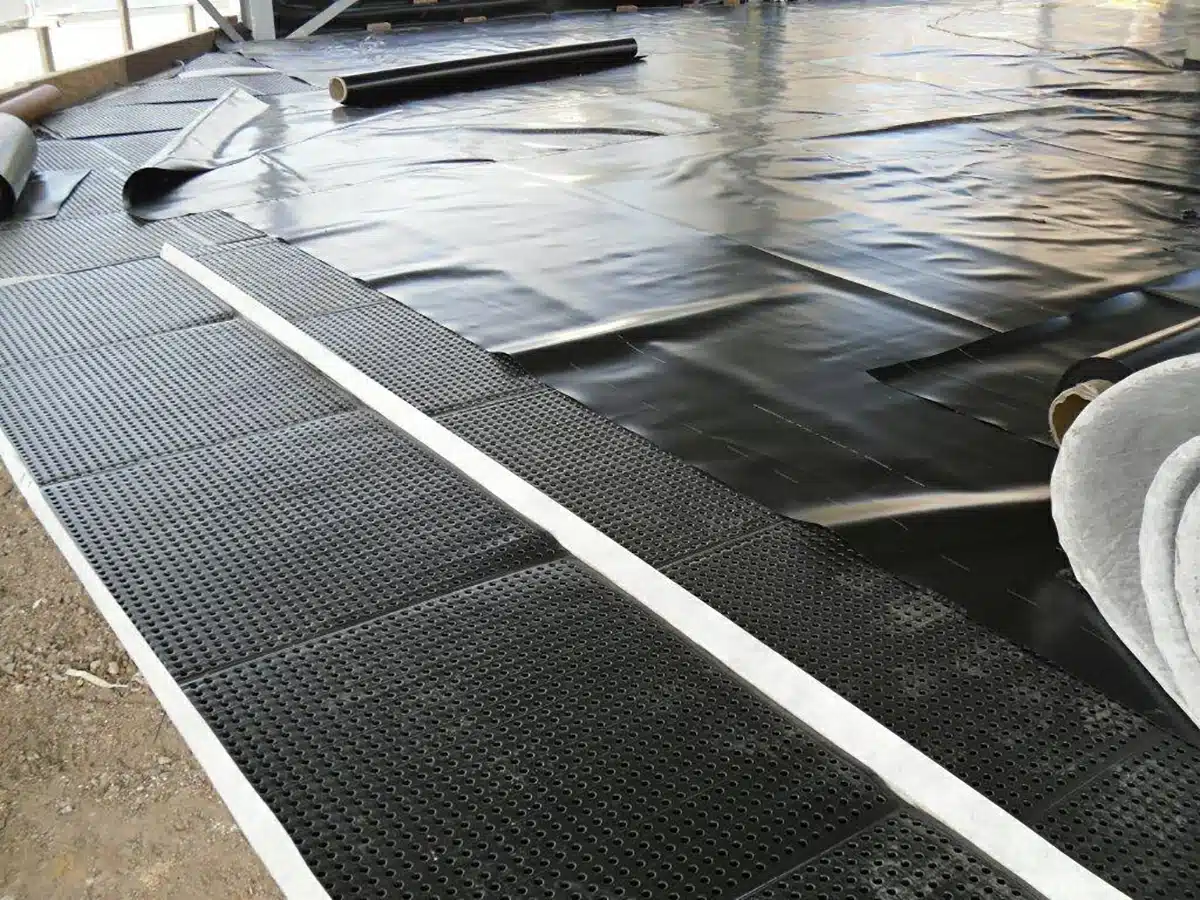
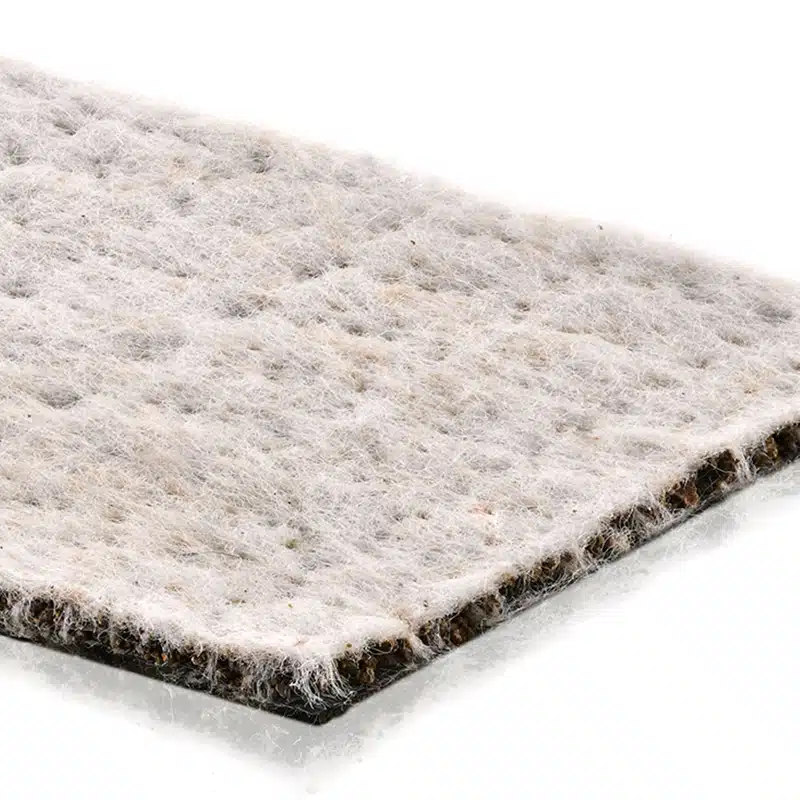
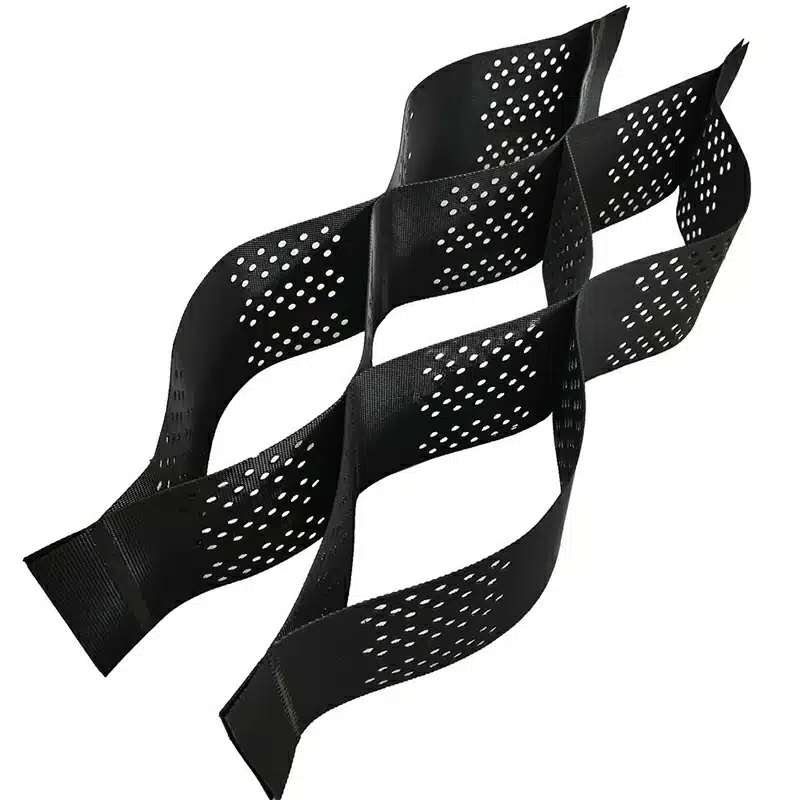
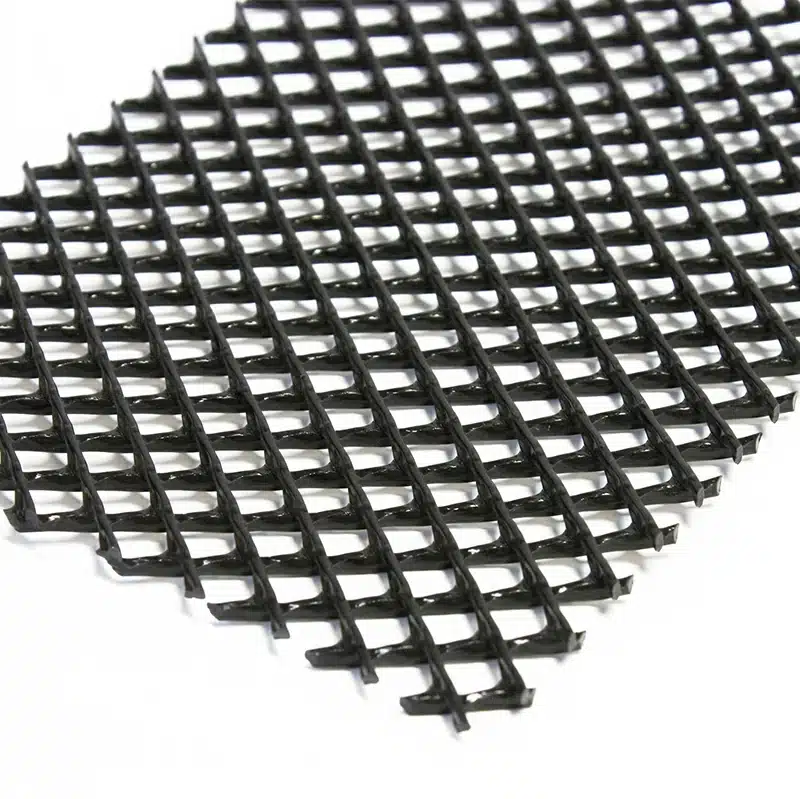
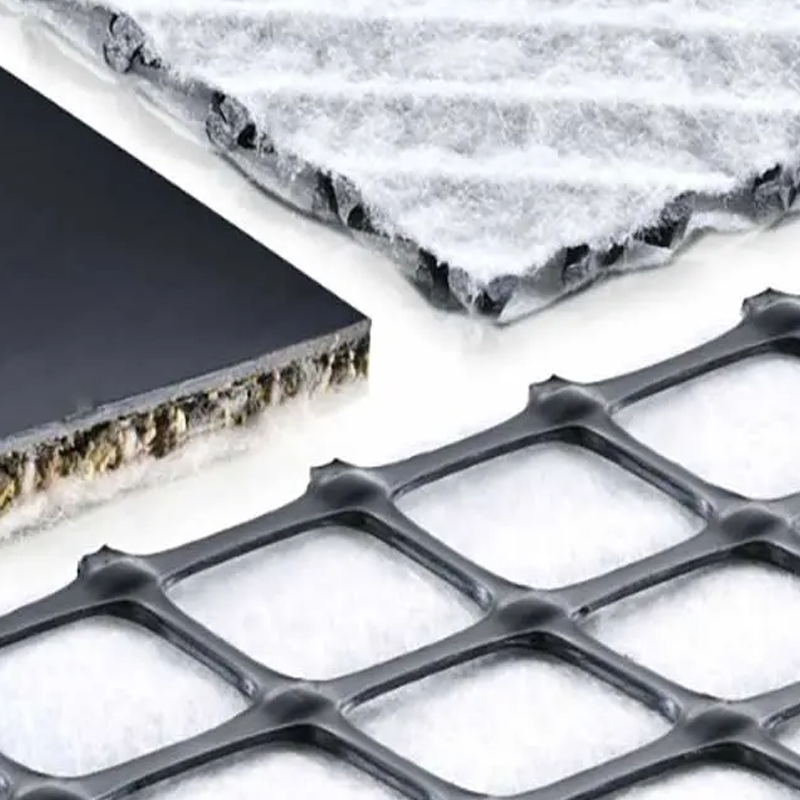
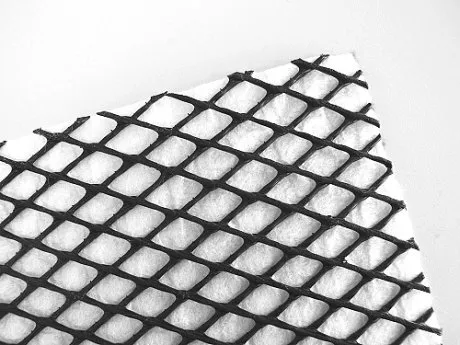
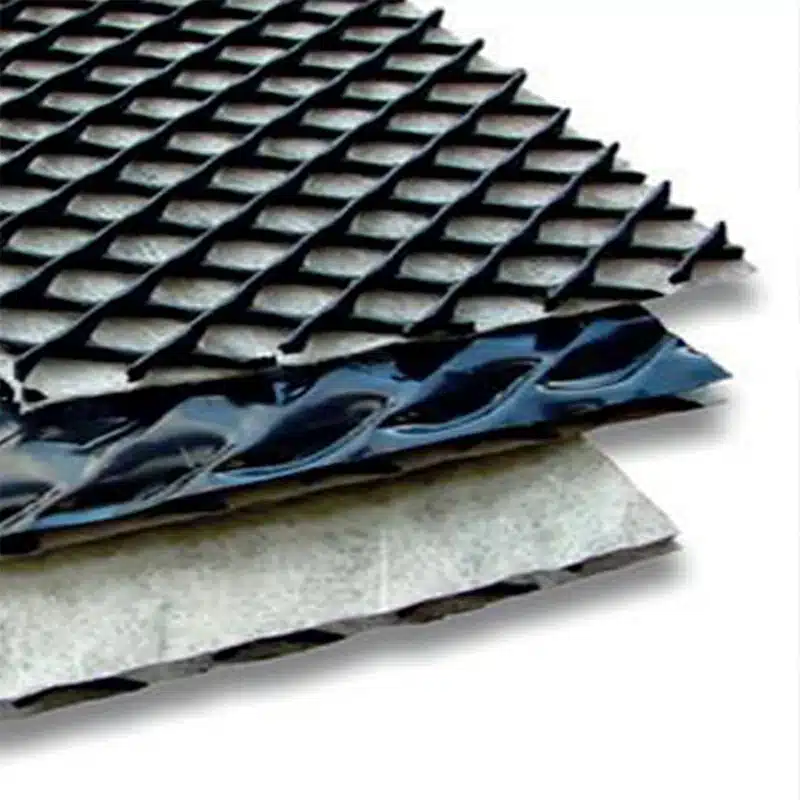
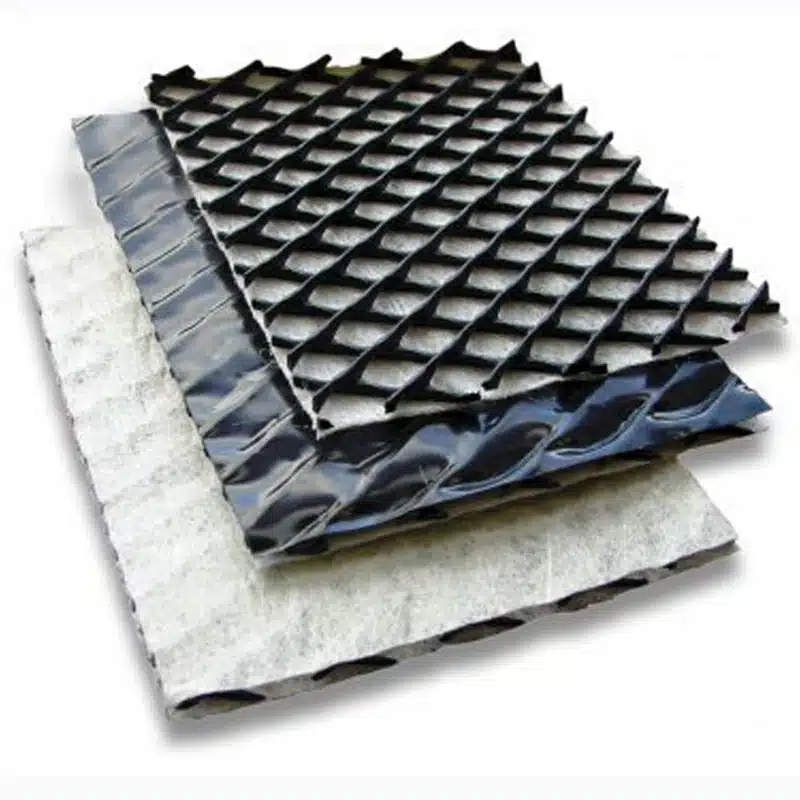
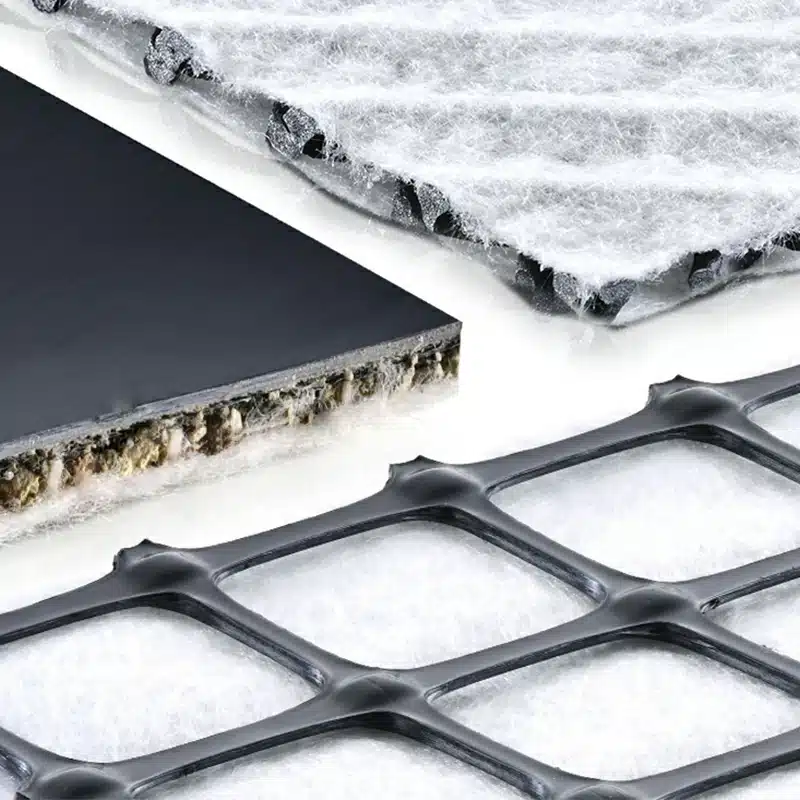
- Definition: A geocomposite strip drain is a drainage solution combining a geotextile fabric with a perforated drainage core, designed to efficiently manage water flow in construction projects.
- Effective Drainage: The core channels water away from foundations, walls, and embankments, preventing accumulation and reducing soil instability.
- Soil Protection: The geotextile layer filters fine soil particles, preventing clogging and maintaining long-term drainage performance.
- Advantages Over Gravel Drains: Geocomposite drains are lightweight, easier to install, require less excavation, and provide higher flow capacity than traditional gravel drains.
- Common Applications: Used in retaining walls, road embankments, sports fields, landscaping, and tunnels, especially in areas with limited space or heavy water flow.
- Durability and Cost Efficiency: Resistant to environmental stress, these drains reduce maintenance costs and improve project longevity, making them a reliable, cost-effective drainage solution.
Geocomposite strip drains ensure efficient water management, soil stability, and erosion prevention, providing long-term performance for infrastructure and environmental projects.
Why Is a Geocomposite Strip Drain Better Than Traditional Gravel Drains?
- Lightweight Design: Geocomposite strip drains are significantly lighter than gravel systems, reducing transportation and handling effort on site.
- Faster Installation: They require minimal excavation and no heavy machinery, which shortens construction time and lowers labor costs.
- Higher Flow Capacity: The engineered drainage core provides consistent and efficient water conveyance, even under high hydraulic loads.
- Reduced Clogging Risk: The integrated geotextile filter prevents fine soil particles from entering the core, ensuring long-term performance.
- Lower Environmental Impact: Less excavation and material use minimize disturbance to surrounding soil and ecosystems.
- Cost Efficiency: Reduced material volume, faster installation, and lower maintenance needs make geocomposite strip drains more economical over the project lifecycle.
Compared with traditional gravel drains, geocomposite strip drains offer a modern, space-saving, and high-performance drainage solution suitable for demanding construction environments.
How Does This Drainage Solution Prevent Soil Erosion?
- Lightweight Structure: Geocomposite strip drains are much lighter than traditional gravel systems, making transportation, storage, and on-site handling easier and more efficient.
- Simplified Installation: They require narrow trenching and minimal excavation, reducing the need for heavy equipment and accelerating project timelines.
- High Drainage Efficiency: The engineered core maintains consistent water flow capacity, even under significant soil loads and hydraulic pressure.
- Integrated Filtration: The bonded geotextile layer filters fine soil particles, preventing clogging and preserving long-term drainage performance.
- Space-Saving Design: Their slim profile allows installation in confined areas where gravel drains are impractical or too bulky.
- Long-Term Durability: Manufactured from high-strength polymer materials, they resist biological, chemical, and environmental degradation.
- Lifecycle Cost Savings: Reduced material quantities, lower labor requirements, and minimal maintenance contribute to improved cost efficiency over the entire project lifespan.
Compared with conventional gravel drains, geocomposite strip drains provide a compact, efficient, and modern drainage solution ideal for infrastructure, retaining structures, and demanding site conditions.
What Are the Key Applications of Geocomposite Strip Drain?
This drainage system is commonly used in infrastructure projects, such as road embankments, retaining walls, sports fields, and tunnel drainage. It provides an efficient way to control water buildup in confined spaces where traditional drainage methods are impractical.
By integrating a geocomposite strip drain into construction projects, engineers can ensure better water management, reducing long-term maintenance costs and improving overall stability.
Get Free Sample
We’ll respond as soon as possible(within 12 hours)