

+86-159 9860 6917
info@geofantex.com
geofantex@gmail.com
+86-400-8266163-44899
Geocomposite for paved roads is an advanced geosynthetic solution for contractors, engineers, and infrastructure buyers seeking to improve pavement performance, enhance drainage, and extend road service life. By combining multiple geosynthetic functions into a single system, geocomposites reinforce pavement structures, reduce water infiltration, minimize reflective cracking, and lower long-term maintenance costs, making them an ideal choice for new road construction, rehabilitation, and highway infrastructure projects.
What Is Geocomposite for Paved Roads?
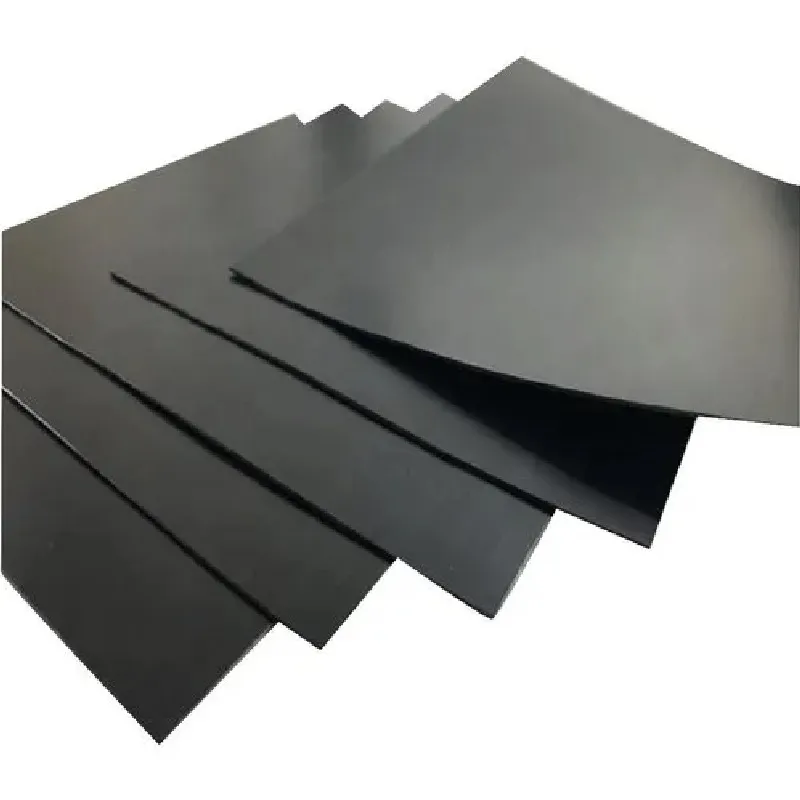
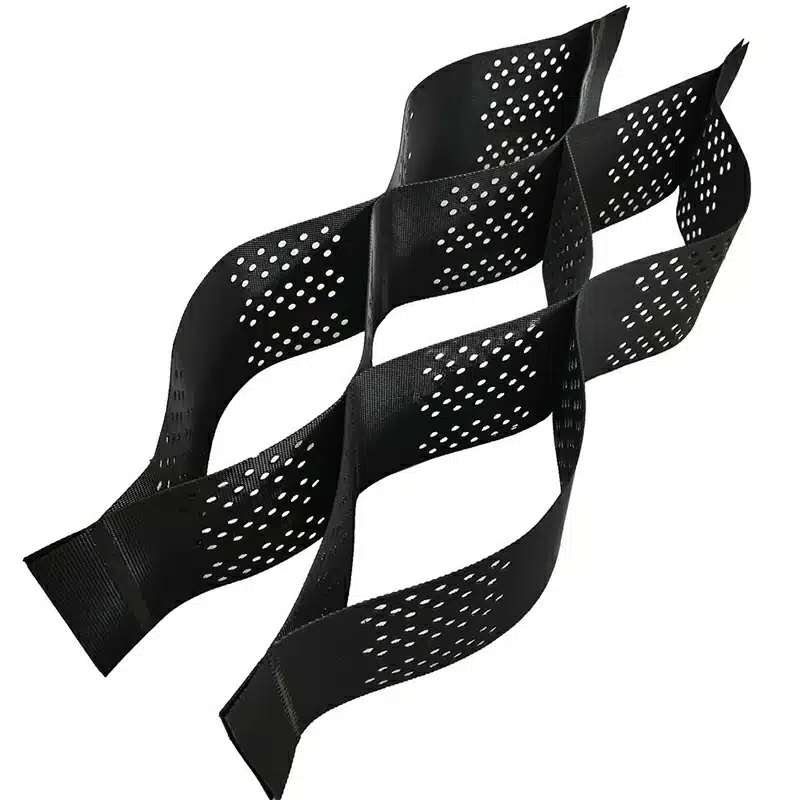
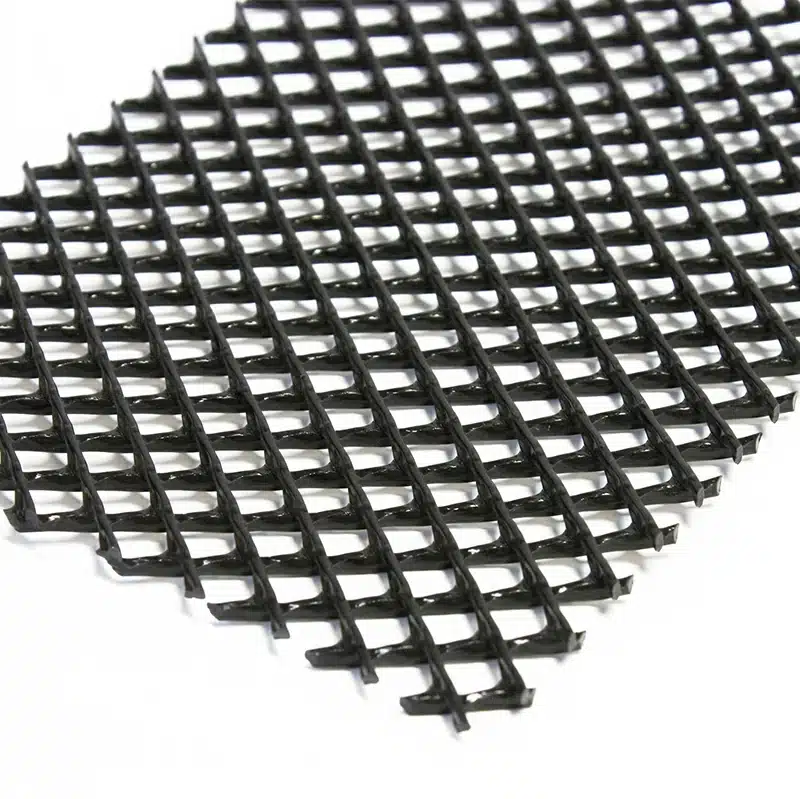
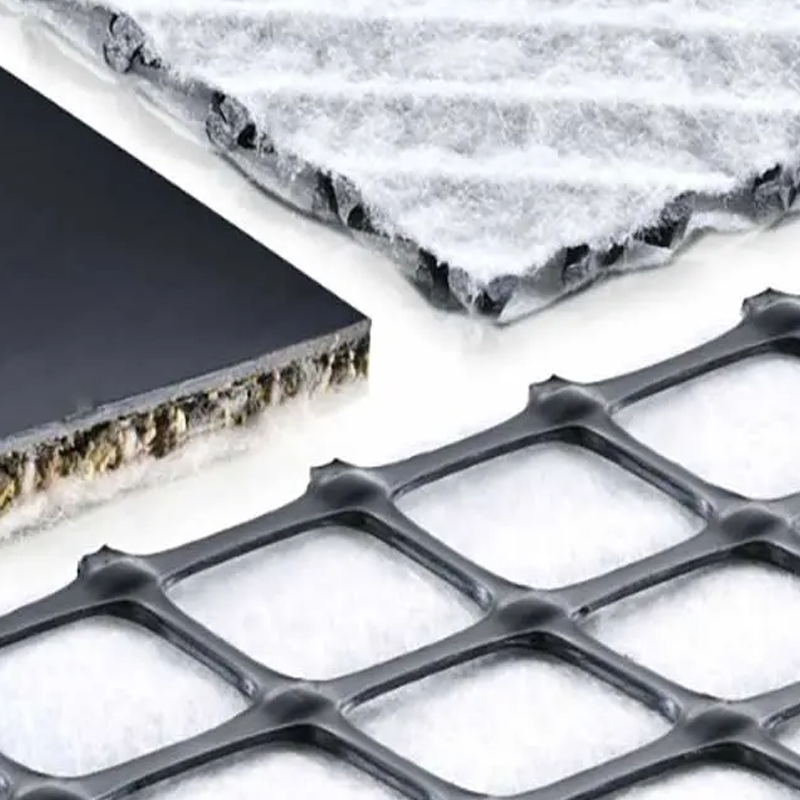
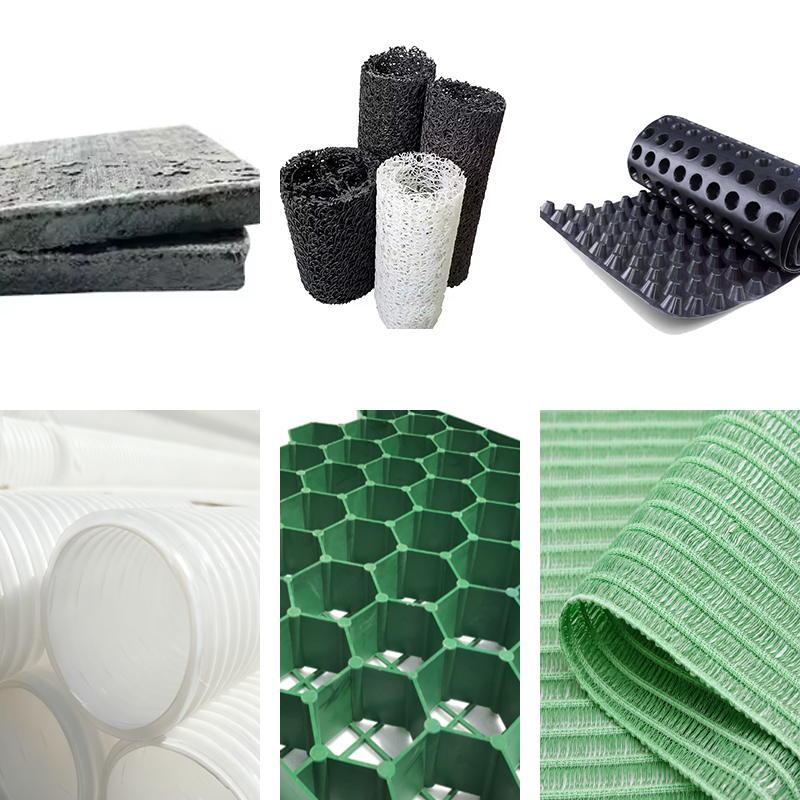
Geocomposite for paved roads refers to engineered geosynthetic systems that combine two or more materials—such as geotextiles, geogrids, geonets, or geomembranes—into a single product. These multifunctional materials improve pavement performance by providing reinforcement, separation, filtration, drainage, and waterproofing in one integrated solution.
They are widely used in highways, municipal roads, airport pavements, parking areas, and road rehabilitation projects because they improve structural stability, reduce maintenance requirements, and extend pavement service life.
Types of Geocomposite for Paved Roads Used in Pavement Construction
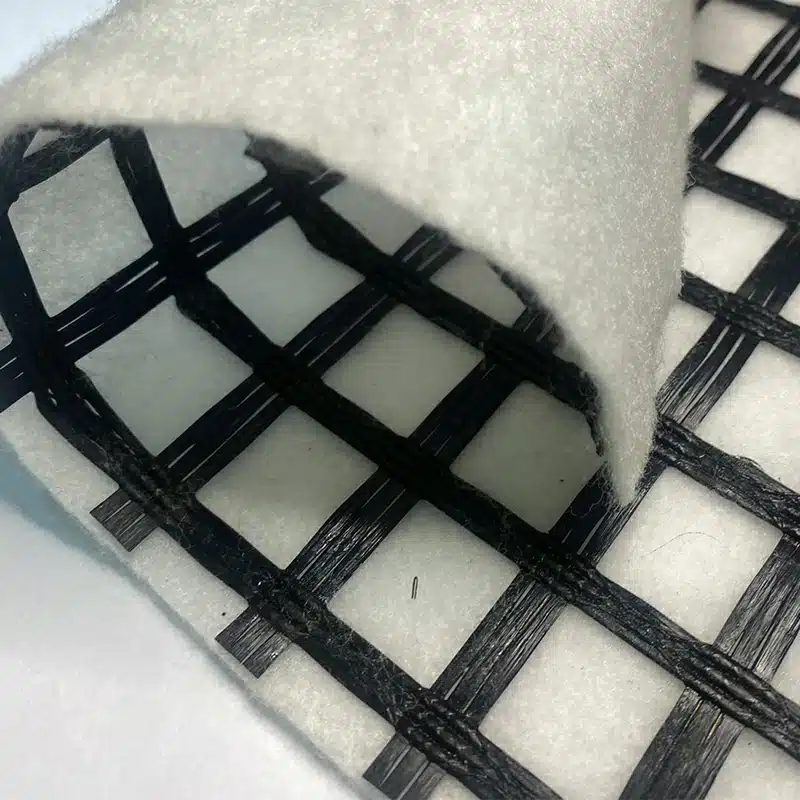
Geotextile-Geogrid Geocomposite for Paved Roads
A geotextile-geogrid composite combines the reinforcement and lateral confinement of a geogrid with the separation and filtration functions of a geotextile. It is particularly useful where weak subgrades and aggregate contamination are important design concerns.
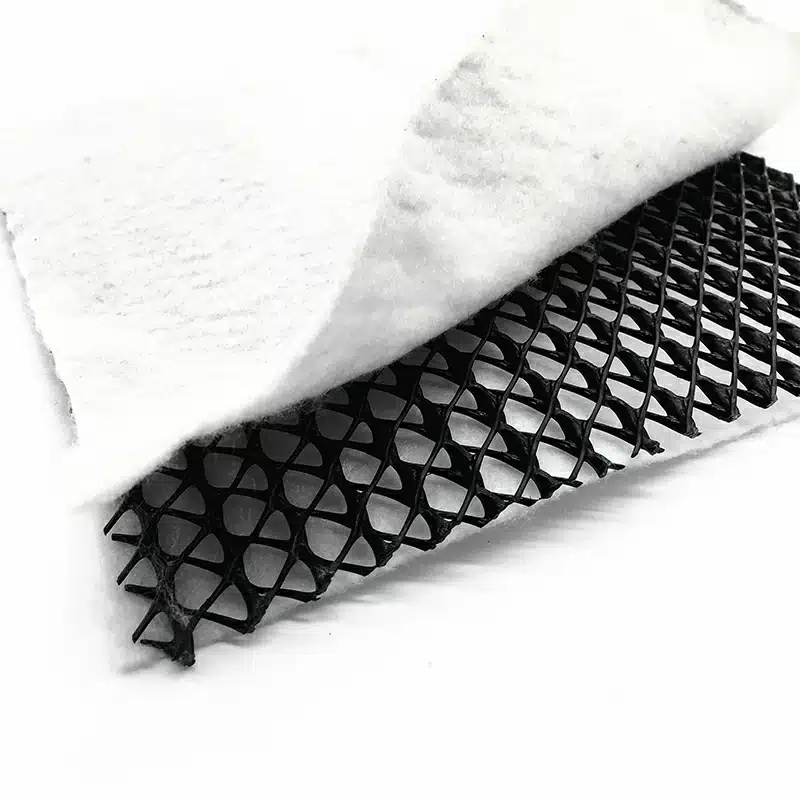
Drainage Geocomposite for Paved Roads and Highway Projects
Drainage composites provide a preferential flow path for removing excess water from pavement bases and subgrades. Effective subsurface drainage helps limit moisture-related loss of bearing capacity and supports long-term pavement performance.
Asphalt Reinforcement Geocomposite for Paved Road Rehabilitation
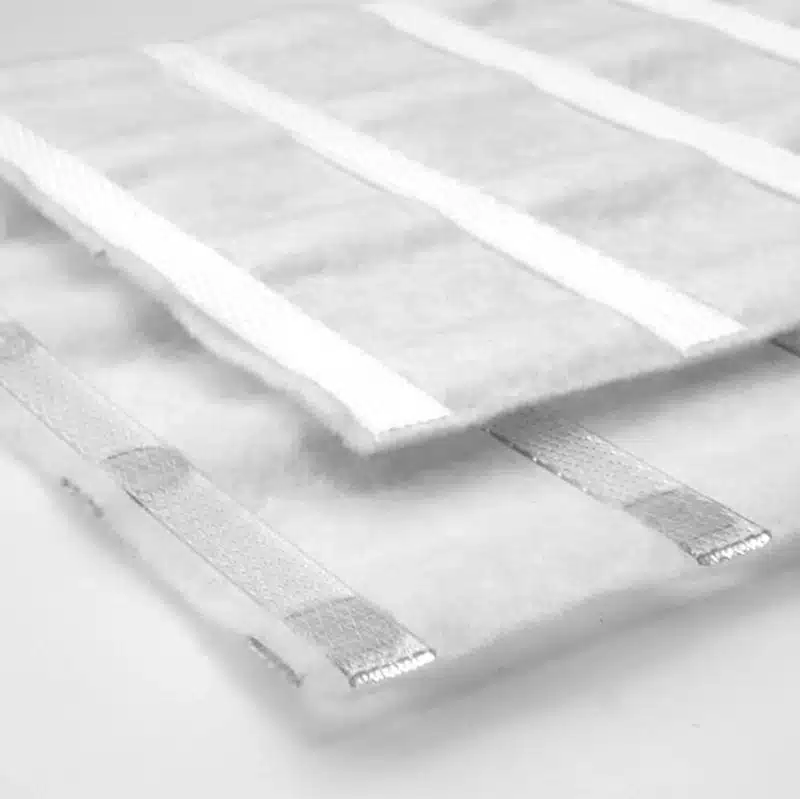
Asphalt reinforcement composites typically incorporate high-strength grids or fabrics designed for installation within pavement layers. They help distribute stresses and reduce the development or propagation of reflective cracking caused by traffic and thermal movement.
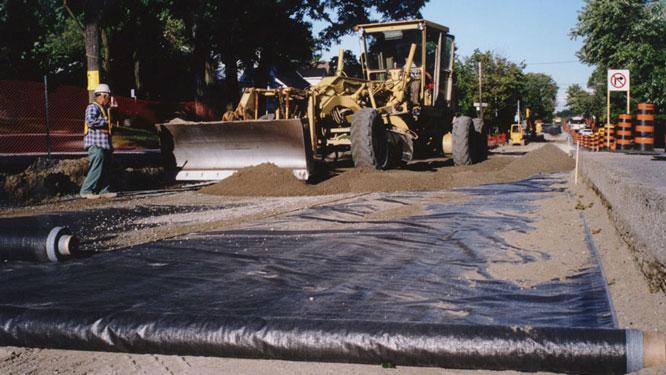
What is the use of geotextile in pavement?
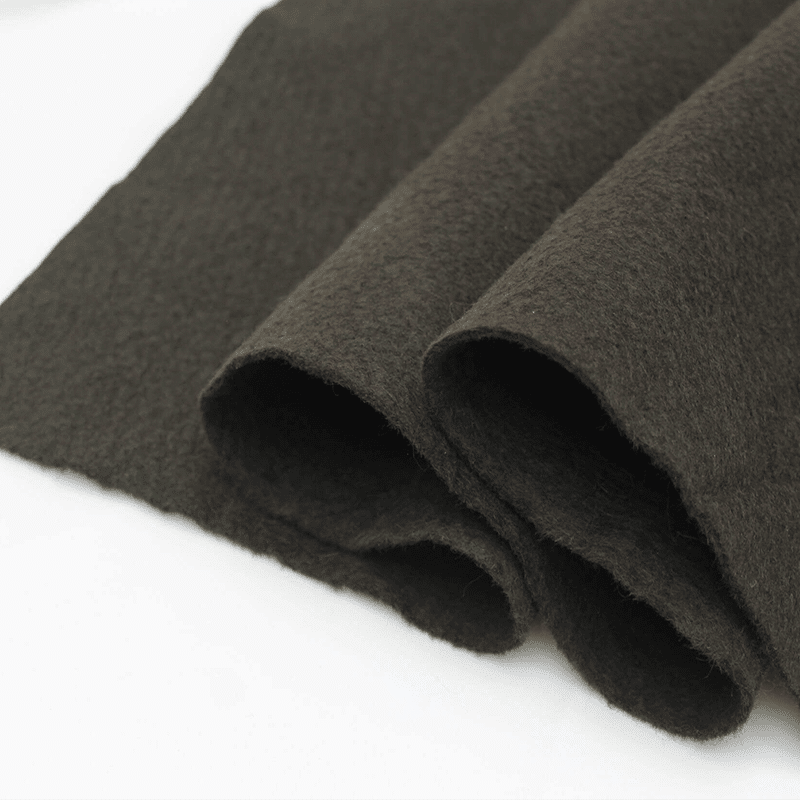
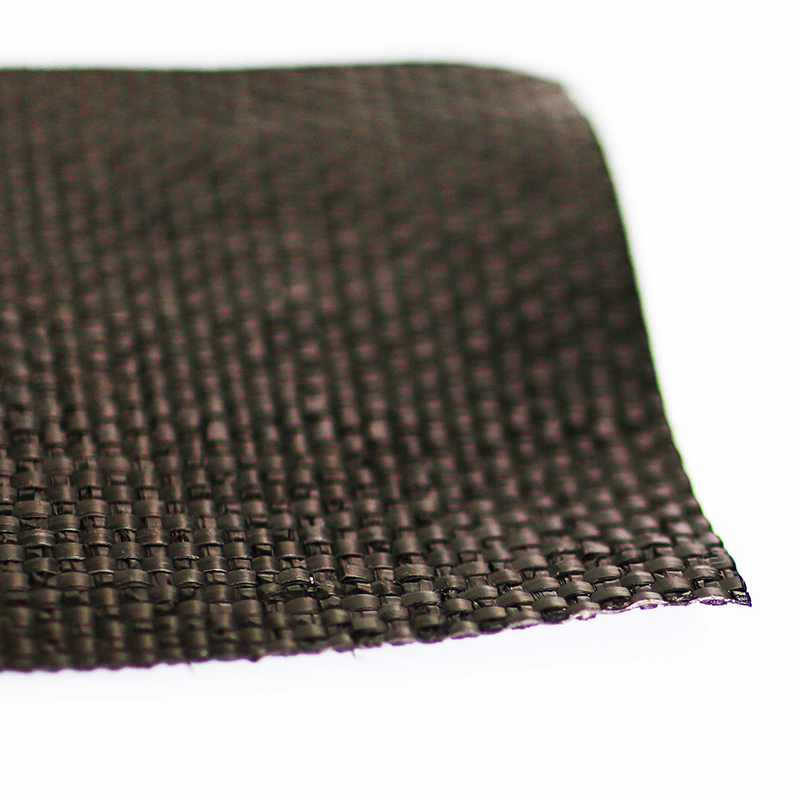
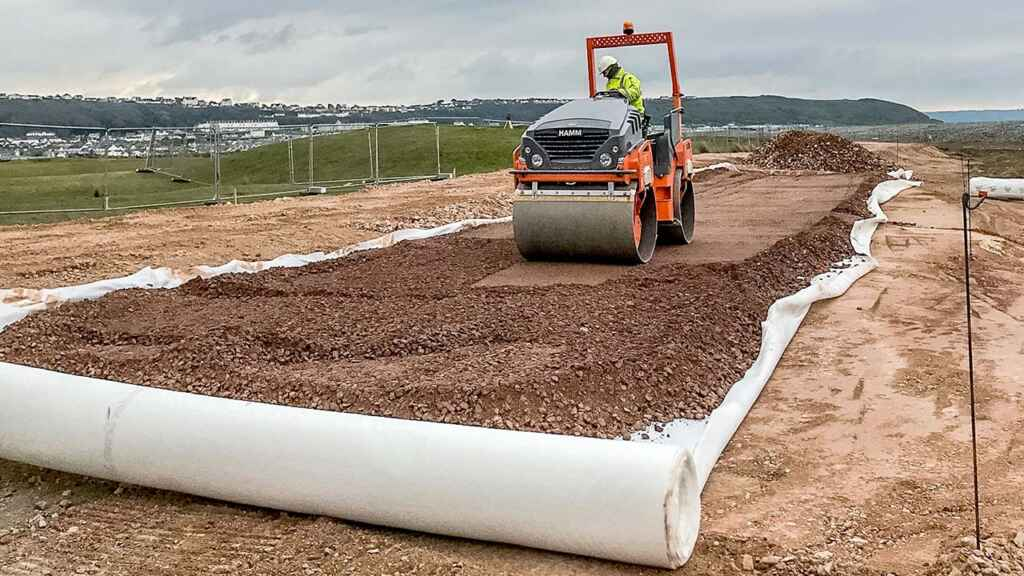
Geotextiles play a significant role in pavement construction and maintenance, offering a range of benefits that enhance the performance and longevity of paved surfaces. Here are some of the primary uses of geotextiles in pavement:
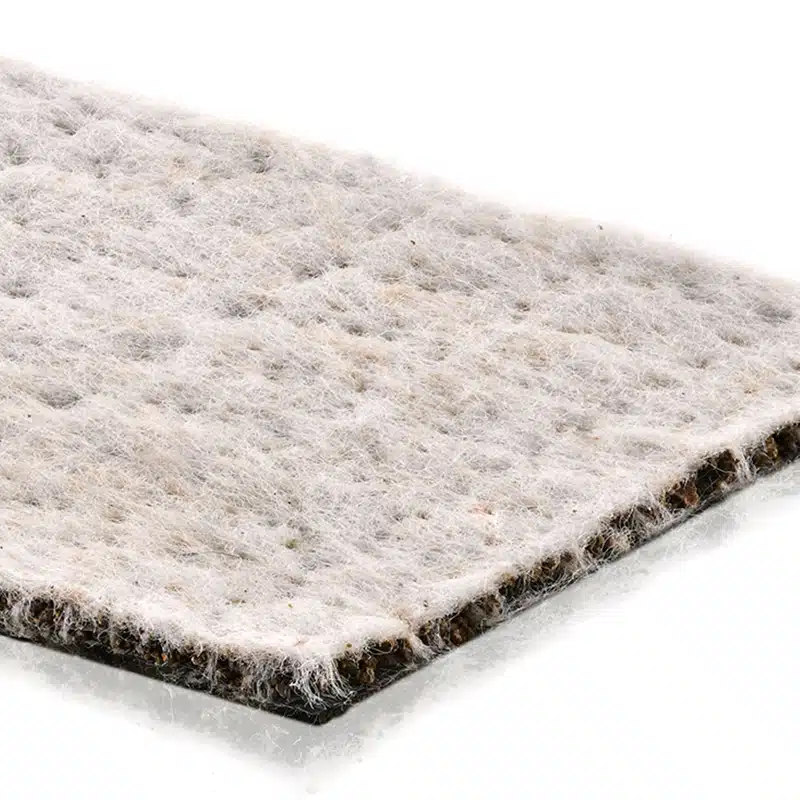
- Separation: Geotextiles act as a separator between the subgrade (the native soil) and the aggregate base or sub-base layers. This separation prevents the intermixing of these layers. When soils and aggregates mix, it can lead to reduced pavement strength and stability. By maintaining separation, geotextiles help in preserving the structural integrity of the pavement.
- Stabilization and Reinforcement: Geotextiles can provide additional stability and reinforcement in areas with weak or unstable subgrade soils. They distribute loads more evenly across the subgrade, which can reduce rutting and extend the pavement’s lifespan. This is particularly important in areas with heavy traffic or soils prone to expansion and contraction.
- Filtration and Drainage: Geotextiles allow water to pass through while preventing the movement of fine soil particles. This filtration is crucial for maintaining proper drainage in and around the pavement structure, thereby preventing water accumulation and potential damage from freeze-thaw cycles. Proper drainage also helps in reducing the risk of subgrade soil weakening due to saturation.
- Moisture Barrier: In some cases, geotextiles can act as a moisture barrier, reducing the penetration of water into the subgrade. This is particularly beneficial in environments where the subgrade soil is susceptible to weakening when wet.
- Stress Absorption and Crack Prevention: When used in asphalt overlays, certain geotextiles can absorb stress and prevent the propagation of cracks from the old pavement to the new layer. This application is particularly useful in rehabilitation projects where the existing pavement is cracked but not severely deteriorated.
- Reflective Crack Mitigation: In-pavement rehabilitation, geotextiles can be used to mitigate reflective cracking. When placed between an existing pavement layer and a new overlay, they can absorb and dissipate stresses to reduce the likelihood of cracks reflecting up into the new surface layer.
- Cost-Effectiveness: By improving the overall performance and extending the lifespan of pavement structures, geotextiles can offer significant cost savings over the long term. They can reduce the need for frequent repairs and maintenance, leading to lower lifecycle costs.
What is the use of geogrid in pavement?
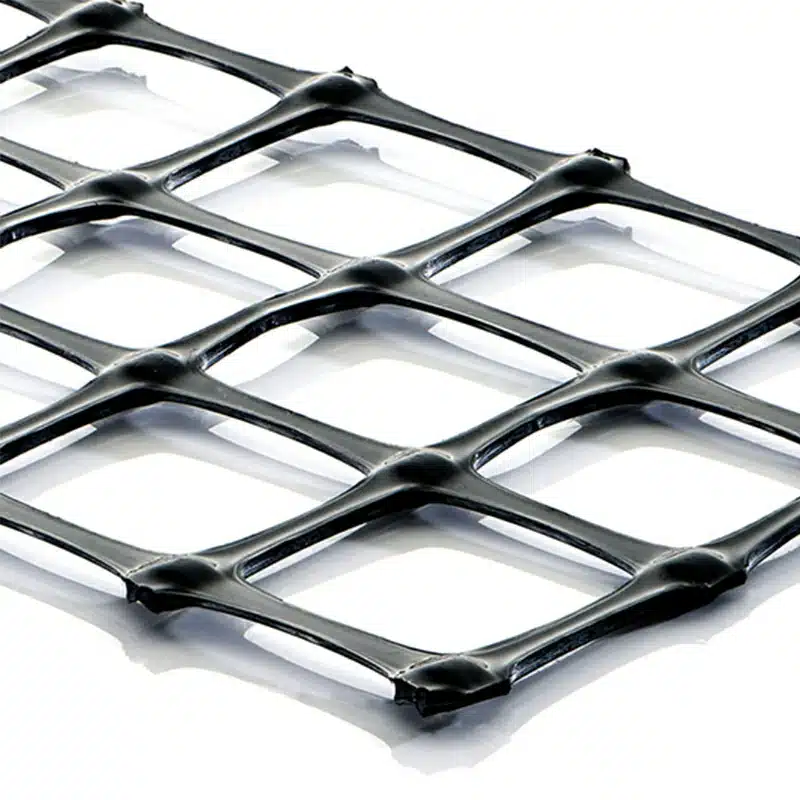
Geogrids are widely used in pavement construction and rehabilitation due to their unique properties and benefits. They are synthetic grid-like structures, typically made from materials like polypropylene or polyester, and are used to reinforce and stabilize soil. In pavement applications, geogrids serve several key functions:
- Soil Reinforcement: Geogrids are primarily used for reinforcing the pavement base and sub-base layers. They increase the load-bearing capacity of the soil, which is particularly important in areas with weak or unstable subgrade. By reinforcing these layers, geogrids help distribute the loads more evenly, reducing the risk of pavement deformation and failure.
- Stabilization: Geogrids stabilize the pavement structure by providing lateral confinement to the base materials. This confinement helps in maintaining the desired alignment and thickness of the base and sub-base layers, preventing spreading and deformation under traffic loads.
- Reducing Rutting: By enhancing the structural integrity of the base and sub-base layers, geogrids can significantly reduce the occurrence of rutting, especially in areas subjected to heavy or repeated traffic loads.
In summary, geocomposite materials have revolutionized pavement construction and maintenance, combining the advantages of geotextiles, geogrids, and geomembranes into comprehensive solutions. Geotextiles provide separation, filtration, and drainage, while geogrids reinforce and stabilize base layers, distributing loads and increasing road durability. When integrated into geocomposite systems, these materials reduce water infiltration, prevent erosion, and minimize deterioration from freeze-thaw cycles, ensuring stronger, longer-lasting pavements.
Get Free Sample
We’ll respond as soon as possible(within 12 hours)