

+86-159 9860 6917
info@geofantex.com
geofantex@gmail.com
+86-400-8266163-44899
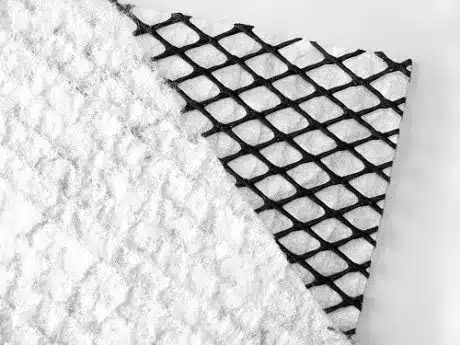
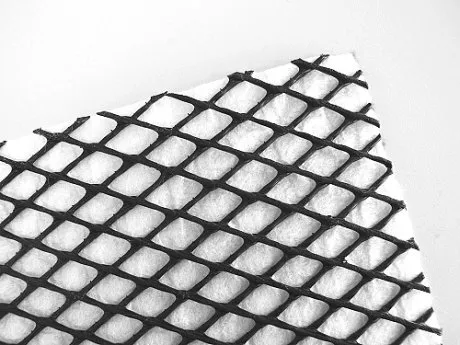
Composite geonet is a practical drainage solution for contractors, engineers, distributors, and project buyers who require reliable liquid or gas transmission in civil and environmental projects. By combining an HDPE drainage core with geotextile filtration layers, the system can simplify installation, improve drainage efficiency, and help reduce the amount of conventional granular drainage material required.
How Does Composite Geonet Work?
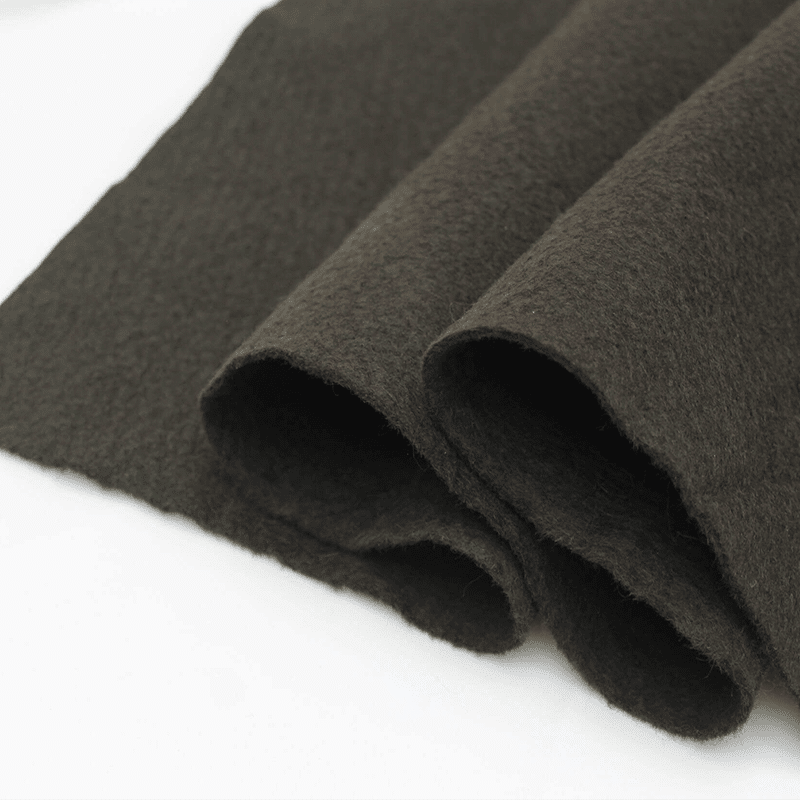
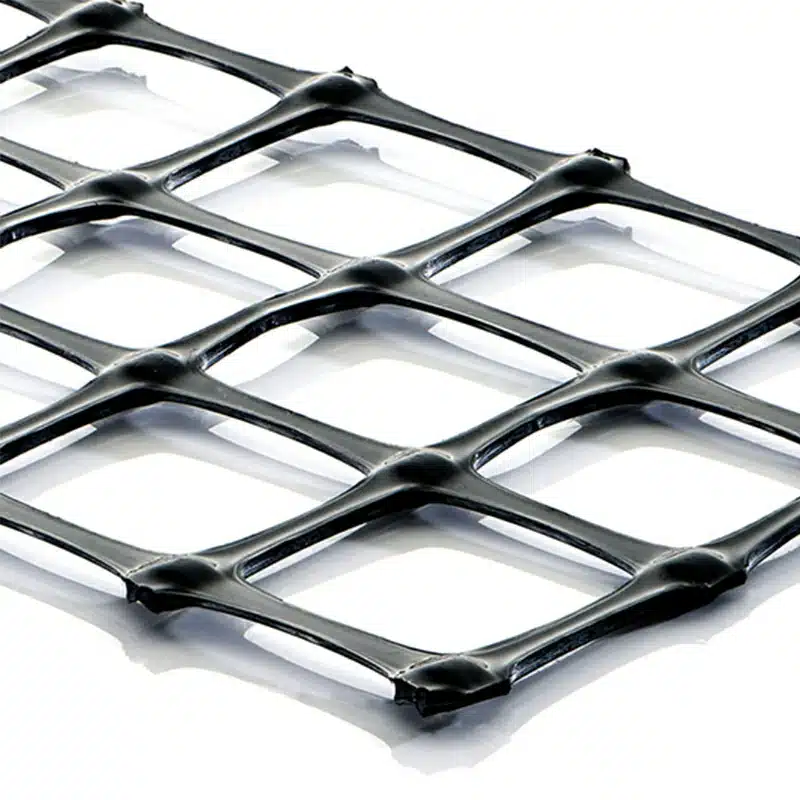
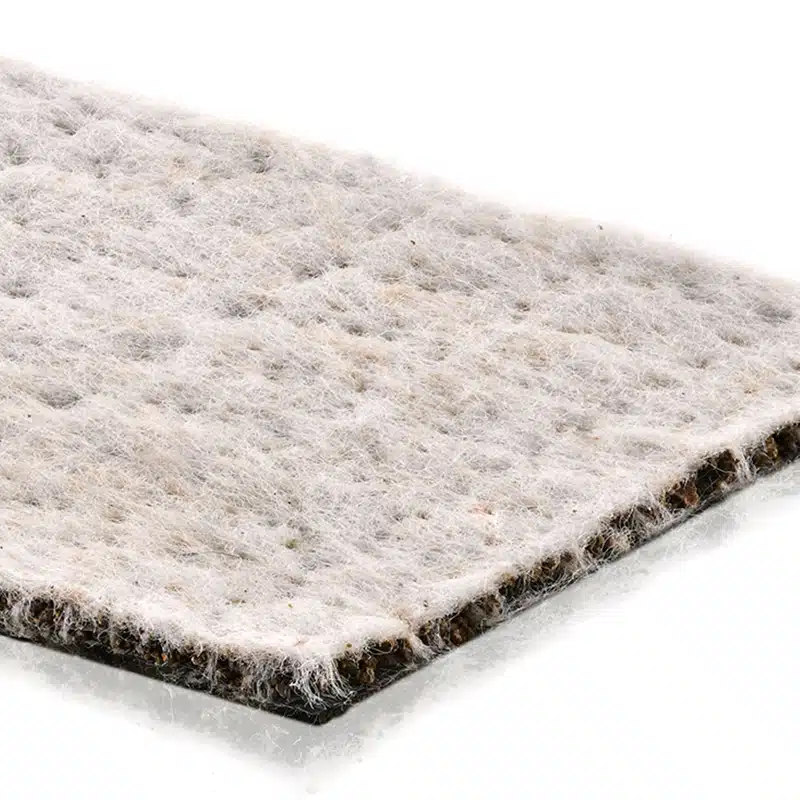
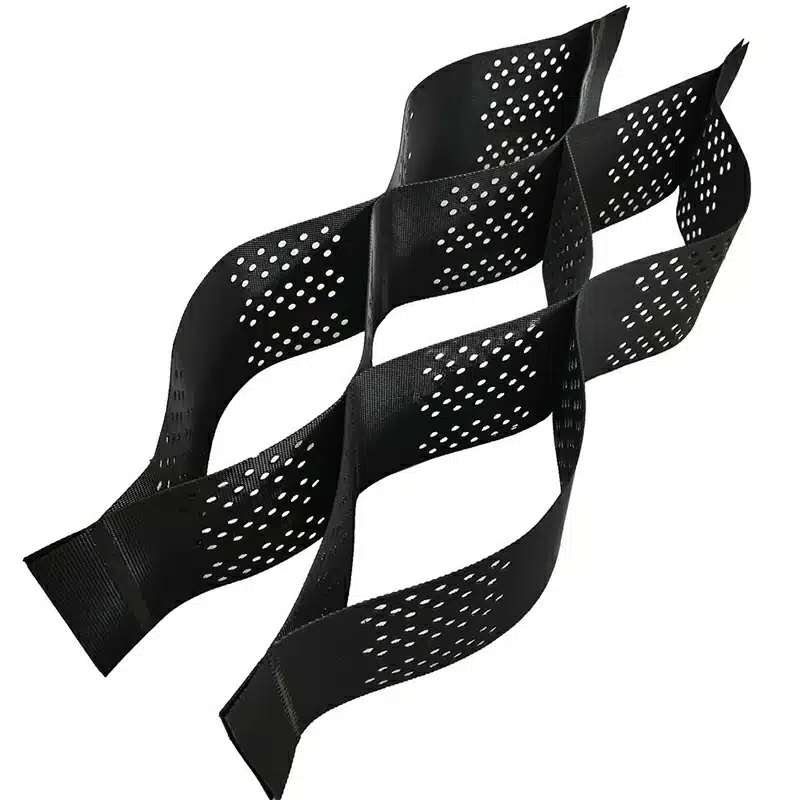
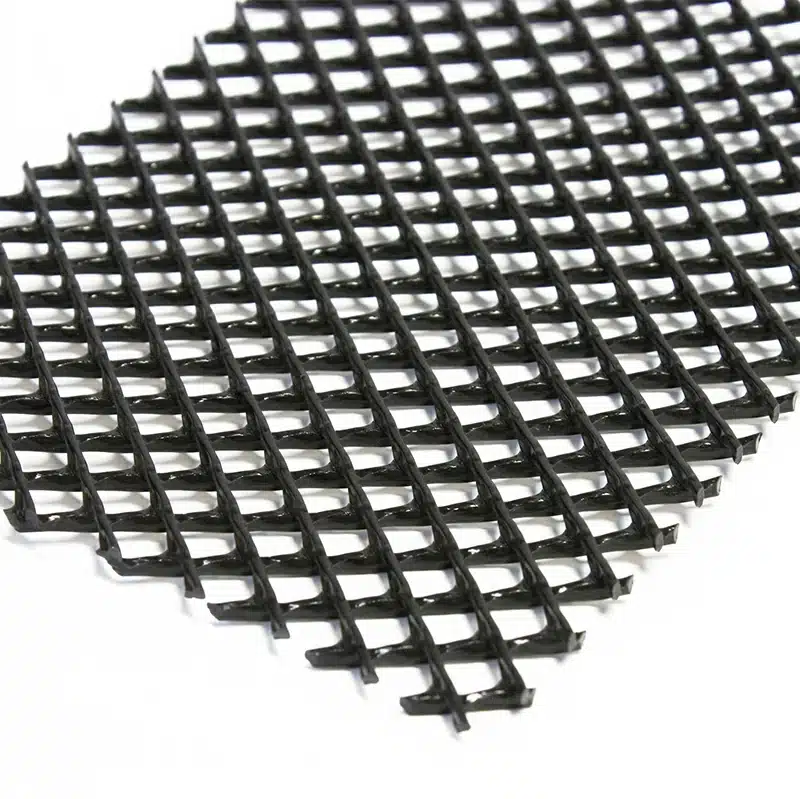
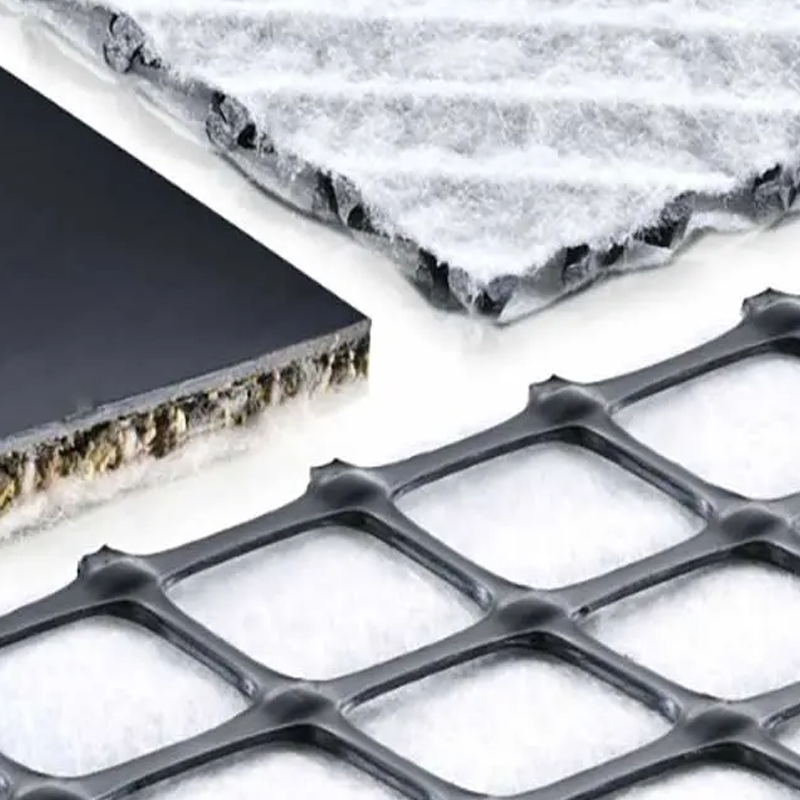
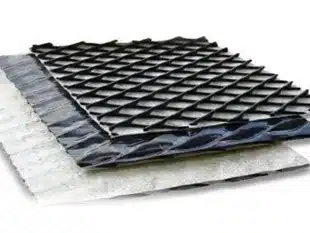
A drainage geocomposite typically consists of a three-dimensional HDPE geonet core bonded to a nonwoven geotextile on one or both sides. The geonet creates continuous channels for water, leachate, or gas, while the geotextile filters surrounding soil particles and helps prevent the drainage pathways from becoming clogged.
This structure makes composite geonet drainage systems for retaining wall projects suitable for applications where groundwater must be collected and directed away from a structure. Behind retaining walls, effective drainage can help reduce water accumulation and support the long-term performance of the wall and backfill system.
Compared with traditional drainage layers, a prefabricated geocomposite can also reduce installation steps. Lightweight rolls are easier to transport and position on site, while the integrated drainage and filtration functions help simplify material planning.
Where Is Composite Geonet Used?
Drainage geocomposites are widely used in environmental, infrastructure, and landscaping projects where controlled subsurface drainage is required.
In landfill applications, they can be installed within liner systems, leachate collection systems, or cover systems. The drainage core provides an in-plane pathway for liquids or gases, while the geotextile layer helps retain adjacent soil or waste particles.
For landfill projects, composite geonet solutions for landfill drainage systems can be selected according to the required flow capacity, normal load, geotextile specifications, and project design conditions.
Other common applications include:
- Retaining wall drainage
- Landfill leachate collection
- Landfill gas drainage
- Tunnel and underground structure drainage
- Mining and containment systems
- Road and embankment drainage
- Green roof and plaza drainage
The correct product configuration should always be selected according to project loading, hydraulic requirements, installation conditions, and long-term performance expectations.
What Specifications Should Buyers Compare?
When sourcing drainage geocomposites, buyers should compare performance data rather than relying solely on thickness or price per square meter.
Key parameters include:
- Geonet core material
- Core thickness
- Bi-planar or tri-planar structure
- Transmissivity
- Compressive behavior
- Geotextile type and mass per unit area
- Filtration performance
- Roll width and length
- Chemical resistance
- Required test standards
Transmissivity is especially important because it indicates the material’s ability to transmit liquid within the plane of the product under specified loading and hydraulic conditions.
For projects exposed to higher normal loads, buyers should also consider long-term compressive performance and potential reductions in drainage capacity. Providing project conditions allows the supplier to recommend a configuration that is better matched to actual service requirements.
How to Select the Right Drainage Geocomposite
The most suitable product depends on the application, soil conditions, expected loading, drainage demand, and required service life.
For retaining walls and general civil works, drainage capacity and filtration performance are usually key considerations. For landfill or mining applications, chemical resistance, sustained loading, and long-term transmissivity may be more important.
When comparing products, composite geonet specifications for civil engineering drainage should be reviewed together with the project drawings, technical specifications, and expected field conditions.
A supplier can provide a more accurate recommendation when the following information is available:
- Project application
- Required quantity
- Required transmissivity
- Normal load
- Hydraulic gradient
- Geotextile requirements
- Roll dimensions
- Delivery destination
Request a Project-Based Recommendation
Selecting the right drainage geocomposite can help improve drainage efficiency, simplify installation, and support long-term system performance. The product should be matched to actual hydraulic and loading conditions rather than selected based on thickness alone.
Geofantex supplies drainage geonet and geotextile-geonet systems for retaining walls, landfills, infrastructure, mining, and other geotechnical applications.
Send your project specifications, required quantity, application, and destination to receive a suitable product recommendation and quotation.
Get Free Sample
We’ll respond as soon as possible(within 12 hours)