

+86-159 9860 6917
info@geofantex.com
geofantex@gmail.com
+86-400-8266163-44899
Road Base materials are essential for contractors and project buyers seeking a stable, cost-effective foundation for driveways, parking areas, and access roads. By selecting high-quality aggregates and ensuring proper compaction and reinforcement, road base solutions deliver strong load-bearing capacity, improved drainage, and long-term durability for bulk construction projects.
What Is the Best Material for a Road Base?
The best road base material depends on traffic load, drainage conditions, soil strength, budget, and long-term maintenance expectations. A well-chosen base material provides structural support, distributes loads, and resists deformation and erosion.
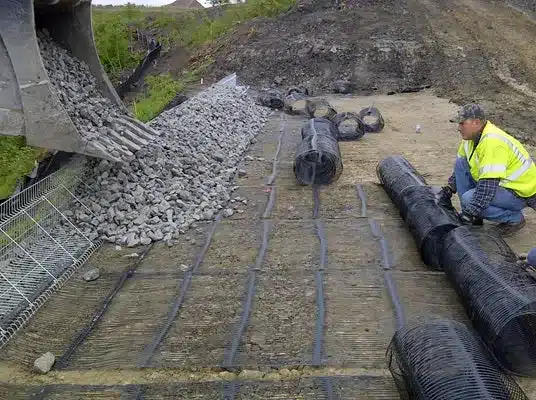
Crushed stone / road base (crusher run): This is generally the best all-around Groad base option for driveways and parking areas. Made from well-graded crushed rock (granite or limestone fines mixed with larger particles), it compacts tightly to form a dense, stable layer with excellent load-bearing capacity and good resistance to rutting.
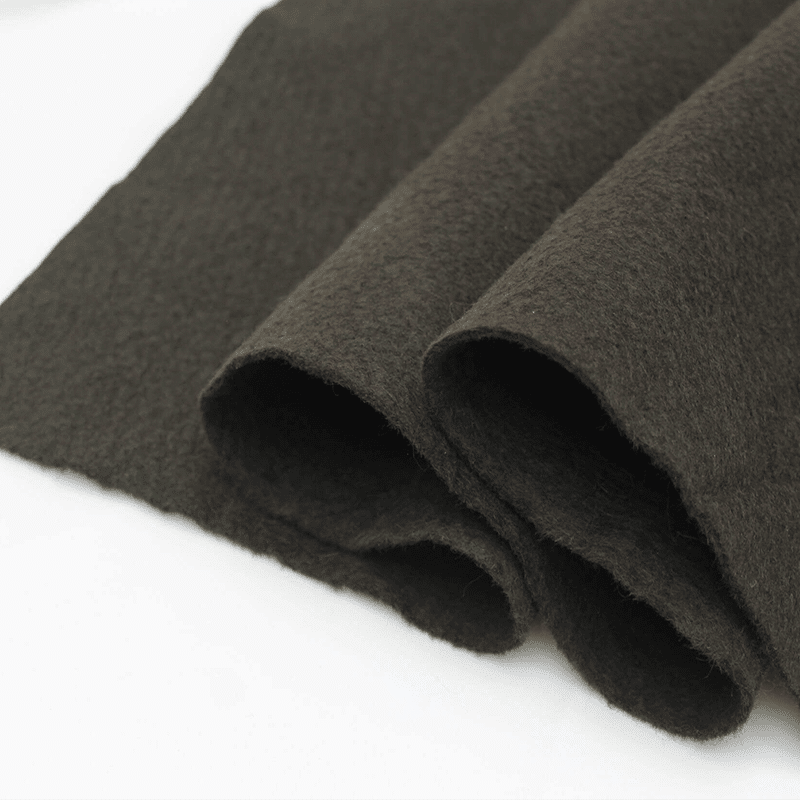
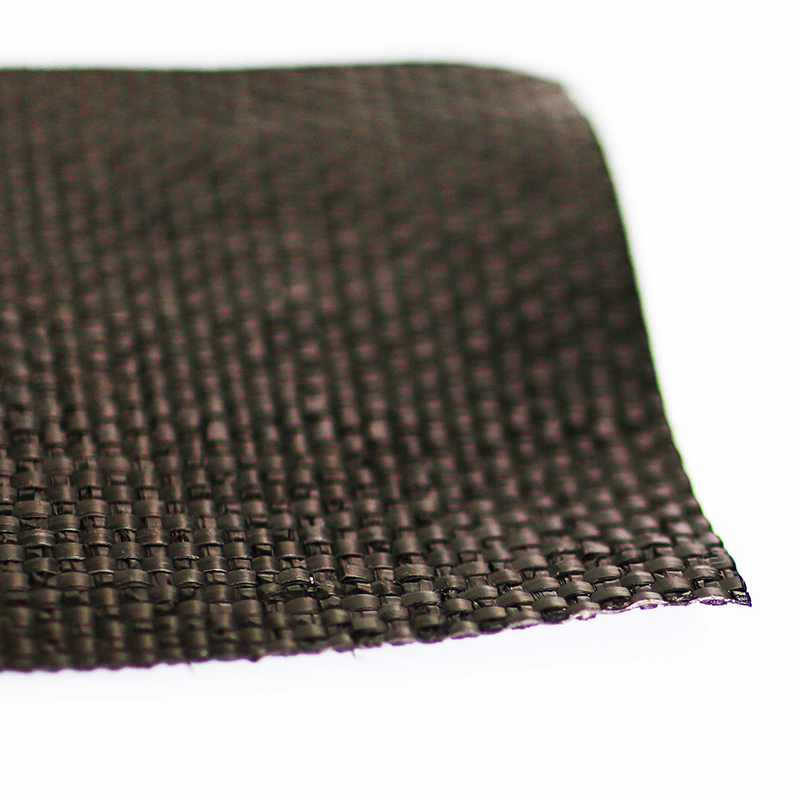
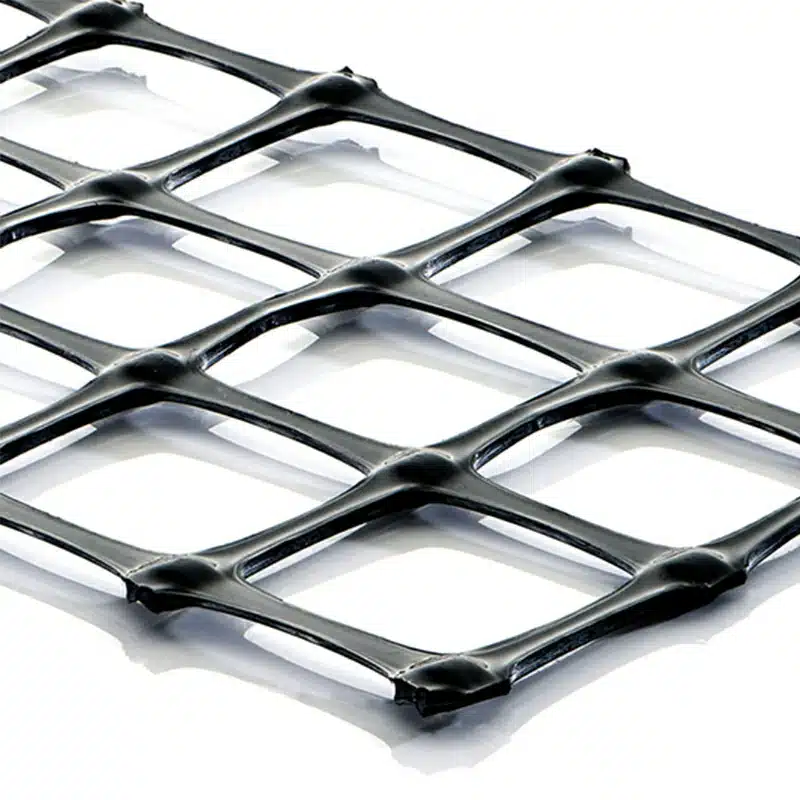
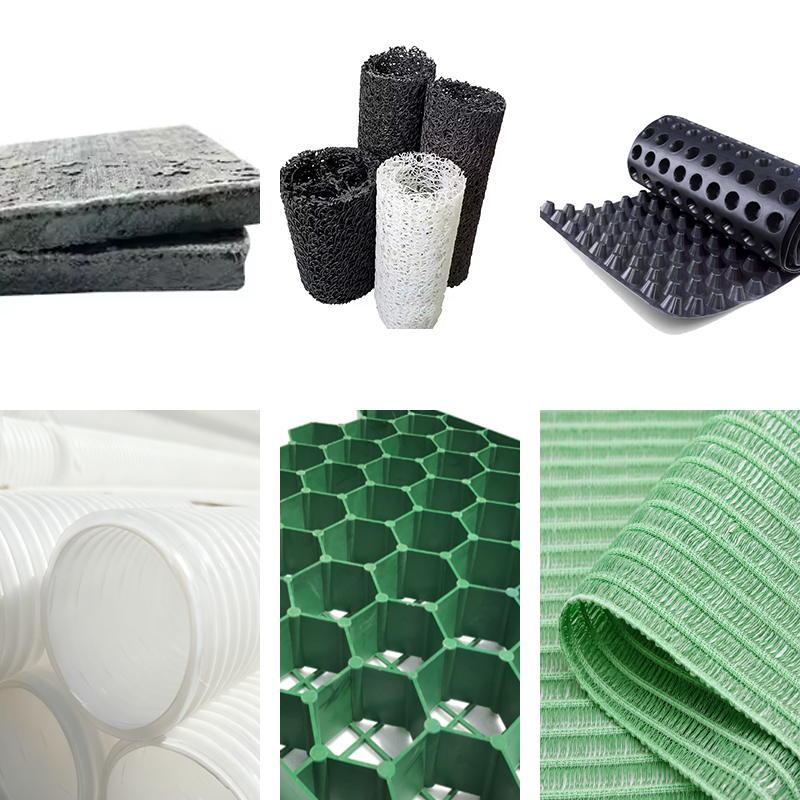
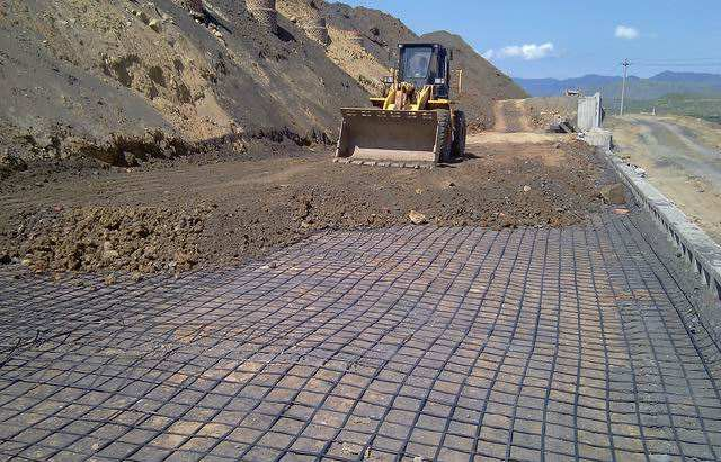
Gravel, recycled concrete, compacted soil, and chip seal are alternatives, but for long-term performance, Groad base reinforced with geotextiles or geogrids provides the best balance of strength, drainage, and erosion resistance.
What Is the Cheapest Road-Base Material?
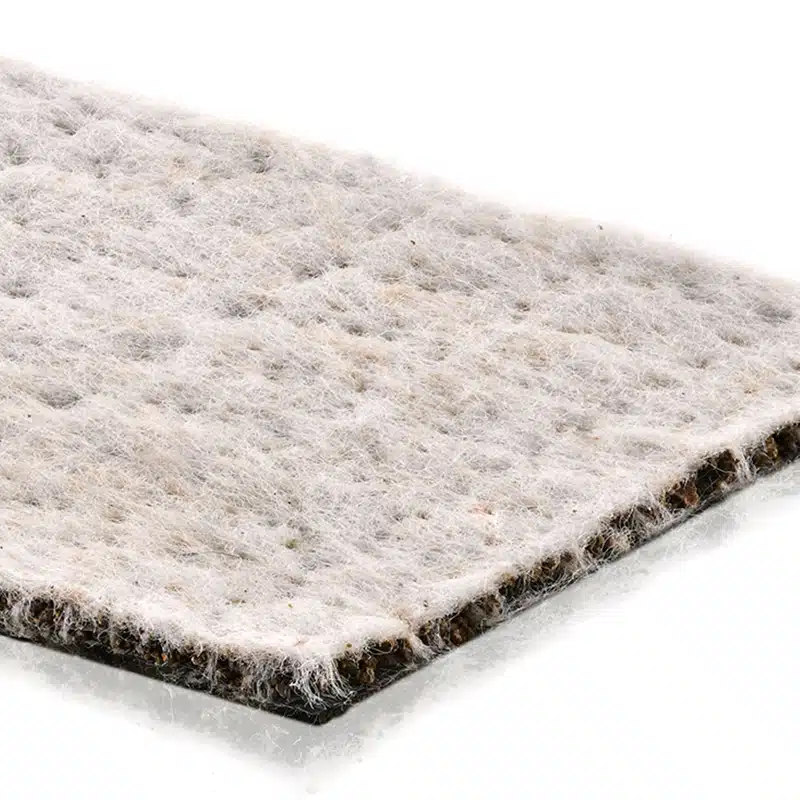
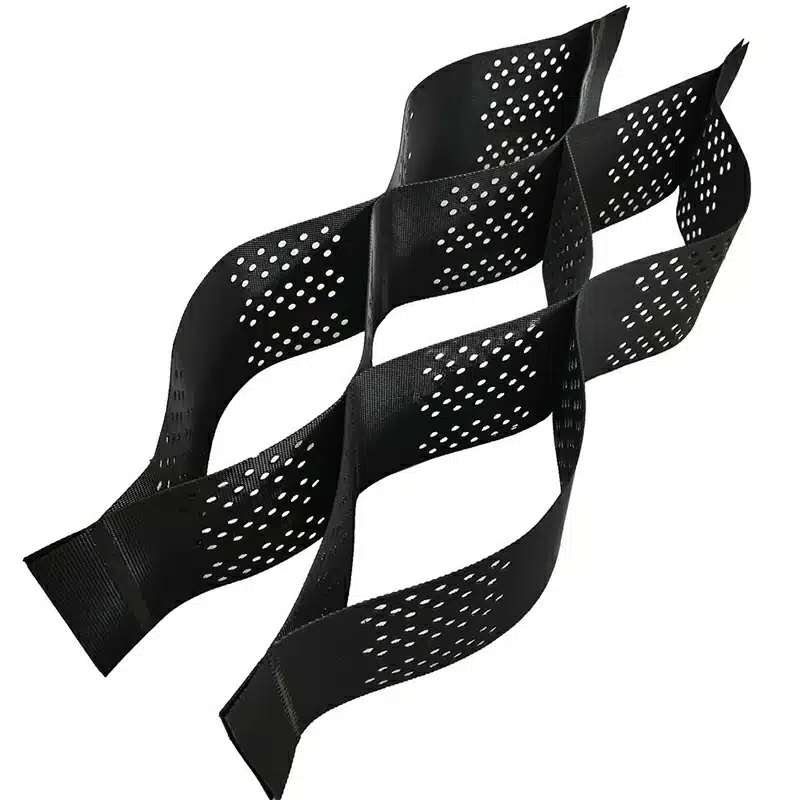
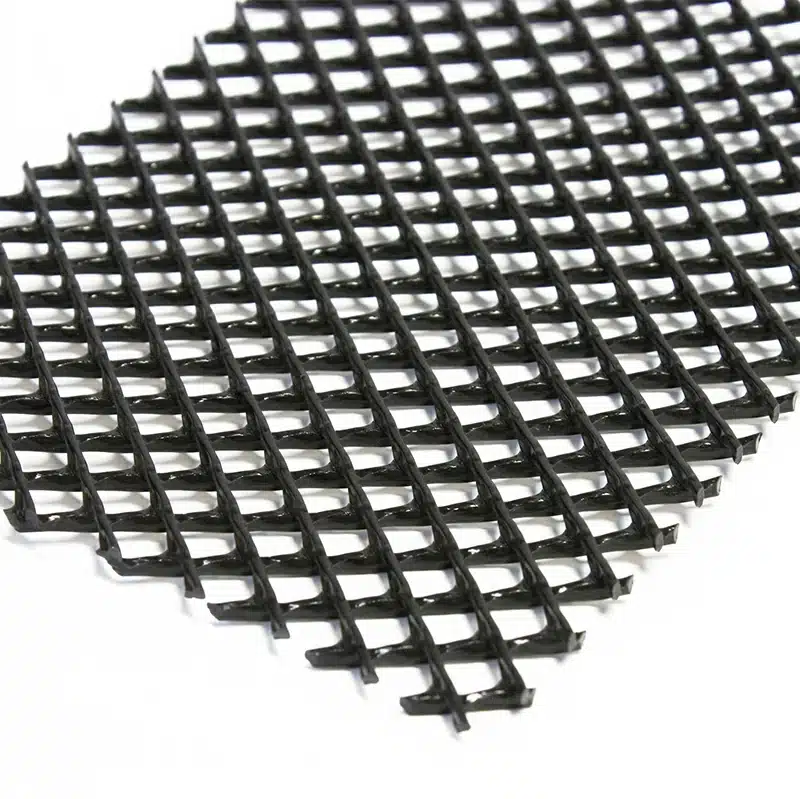
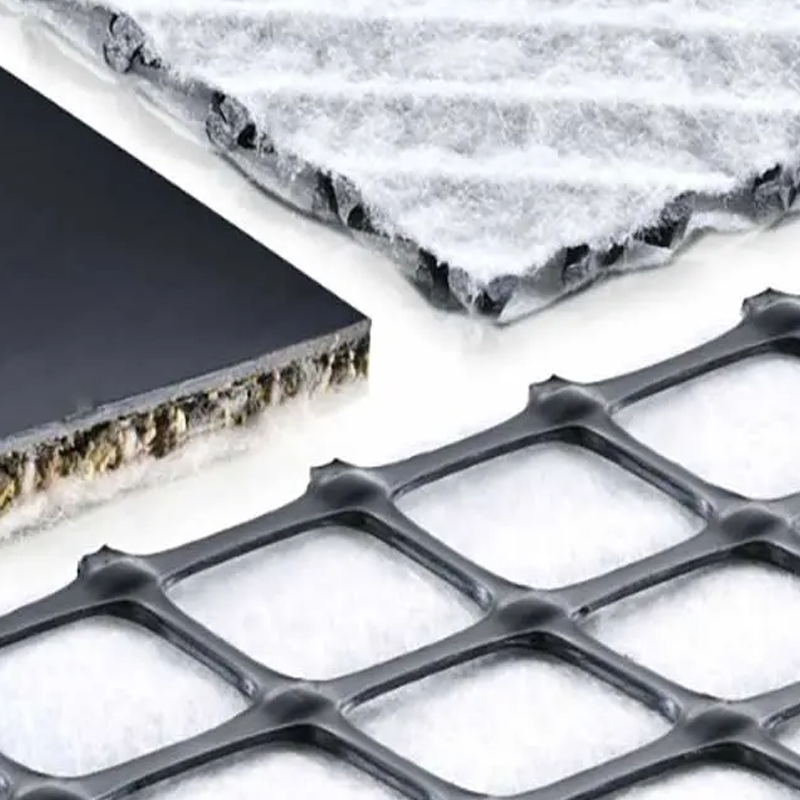
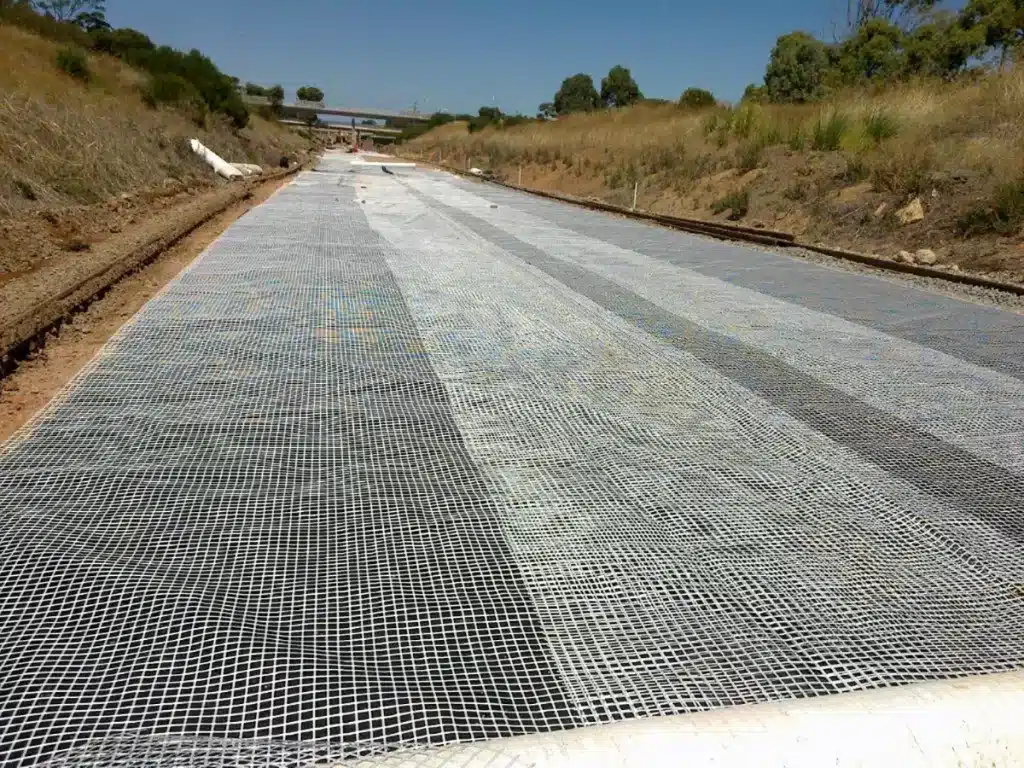
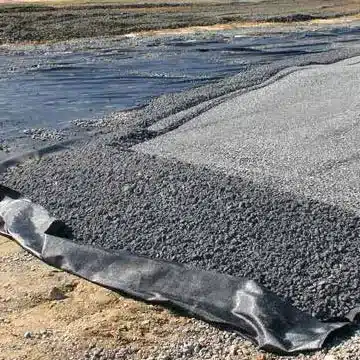
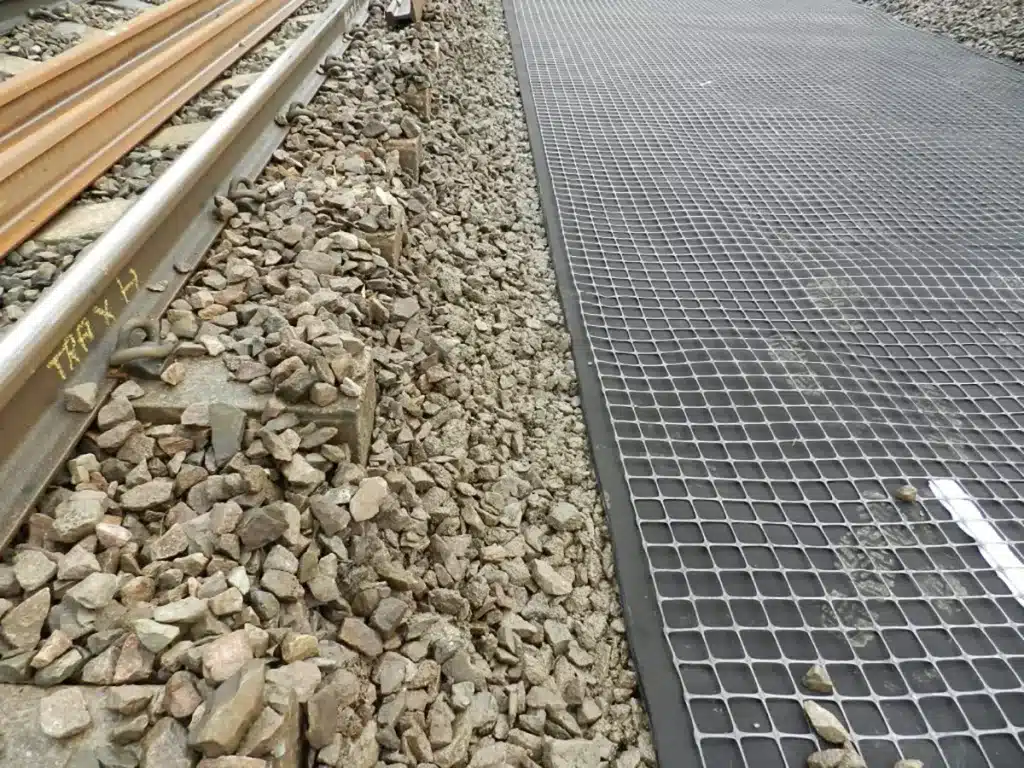
Compaction quality, drainage, reinforcement layers, aggregate gradation, and routine maintenance all affect the performance of a road base. Installing geotextiles or geogrids beneath the Groad base prevents intermixing of subgrade soils and aggregates, improves load transfer, and resists deformation, ensuring long-term stability even under heavy traffic or wet conditions.
Is Gravel or Road Base Better for a Driveway?
Choosing between gravel and road base depends on priorities:
| Gravel | Road Base (crusher dust or compacted rock) | |
| Pros | Affordable, easy to spread, excellent drainage. | Packs tightly, creating a stable and durable surface that resists shifting and rutting, and requires less maintenance. |
| Cons | Can shift over time, requiring regular maintenance. | Slightly more expensive and labor-intensive to install. |
For a low-maintenance, long-lasting surface, Groad base remains the superior choice, while gravel is more suitable if initial cost and ease of installation are priorities.
Will the Road Base Wash Away?
To prevent washout, the road base must meet criteria for compaction, drainage, stabilization, material selection, and maintenance. Using well-graded crushed stone or limestone as the Groad base combined with reinforcement layers significantly reduces erosion and rutting risks, ensuring a durable surface for driveways, roads, parking areas, and access routes.
In summary, proper design, construction, and maintenance of Groad base ensure stability, durability, and long-term performance even under extreme weather or heavy traffic.
Get Free Sample
We’ll respond as soon as possible(within 12 hours)