Geogrid vs Geofabric: Differences and Selecting the Appropriate Option
Learn the differences between geogrid and geofabric for soil reinforcement, drainage, and erosion control in construction projects.
Tel: +86-411-39569550 | E-mail: info@geofantex.com/geofantex@gmail.com
Learn the differences between geogrid and geofabric for soil reinforcement, drainage, and erosion control in construction projects.
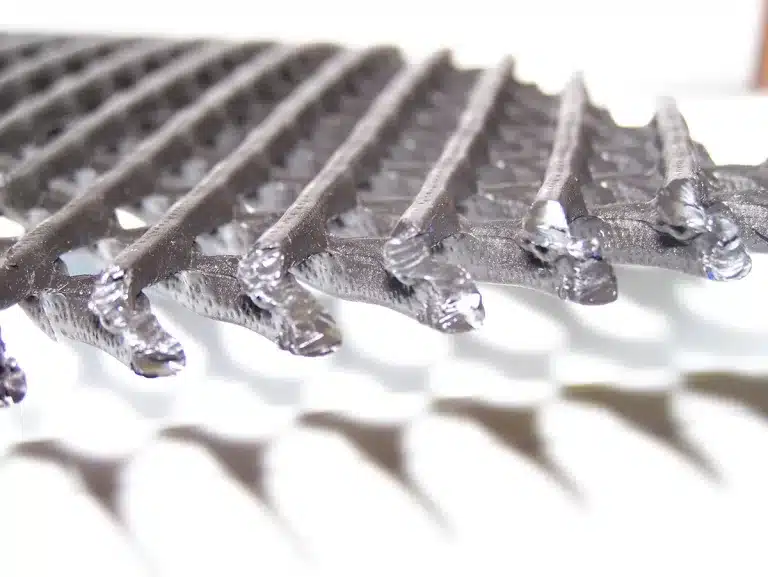
Geonets, with their intricate designs and efficient drainage capabilities, play a vital role in redirecting water away from critical areas. Their exceptional drainage efficiency ensures that moisture is managed effectively, reducing the risk of hydrostatic pressure buildup, particularly in underground applications like tunnels and basements.
We explore the role of geogrids in slope grading and answer crucial questions about their application and benefits.
Geonets, with their intricate designs and efficient drainage capabilities, play a vital role in redirecting water away from critical areas. They excel in reducing hydrostatic pressure, ensuring soil stability, and preventing erosion.
In the realm of railway infrastructure, geocell technology is a game-changer. Geocells provide durability, stability, and cost-effectiveness for railway projects. They stabilize the ballast, reduce vertical and lateral stresses, and limit ballast movement. In this article, we’ll delve into the concept of geocells in railways, and their functions, and answer key implementation questions.
Using geotextile fabric under patio pavers improves drainage, prevents weeds, stabilizes the base, and extends patio lifespan.
Learn how to install HDPE geomembranes, overcome common challenges, and ensure leak-proof, durable, and cost-effective containment.
In the realm of road construction, the utilization of geotextile road-based materials has become increasingly vital. Geotextile road base involves the strategic integration of geotextiles in road infrastructure projects to bolster durability and performance.
Transmissivity in geocomposite drainage is key in geotechnical engineering, indicating how well these materials allow fluid flow, especially water. This measure is vital for assessing their performance in drainage, filtration, and containment. Knowing a material’s transmissivity is critical for choosing the right one for effective water management and project success. Engineers depend on this understanding to make decisions that affect project outcomes, including waterlogging prevention, soil stability, and containment integrity.
Geocells are three-dimensional cellular confinement systems that provide numerous benefits to road construction projects. In this article, we’ll explore the use of geocell in road construction, the requirements for implementing this solution, and answer important questions about its advantages and practical applications.
End of content
End of content
WhatsApp us