

+86-159 9860 6917
info@geofantex.com
geofantex@gmail.com
+86-400-8266163-44899
Geonet water transmissivity is a key specification when purchasing drainage geosynthetics for landfills, retaining walls, and civil engineering projects. It indicates how effectively water flows through a geonet under specified hydraulic and loading conditions. For engineers, contractors, and procurement teams, understanding this property helps them compare products, evaluate drainage capacity, and select materials suitable for long-term performance.
What Is Geonet Water Transmissivity?
Geonet water transmissivity describes the ability of a geonet to transport water within its plane. It is typically expressed in square meters per second (m²/s).
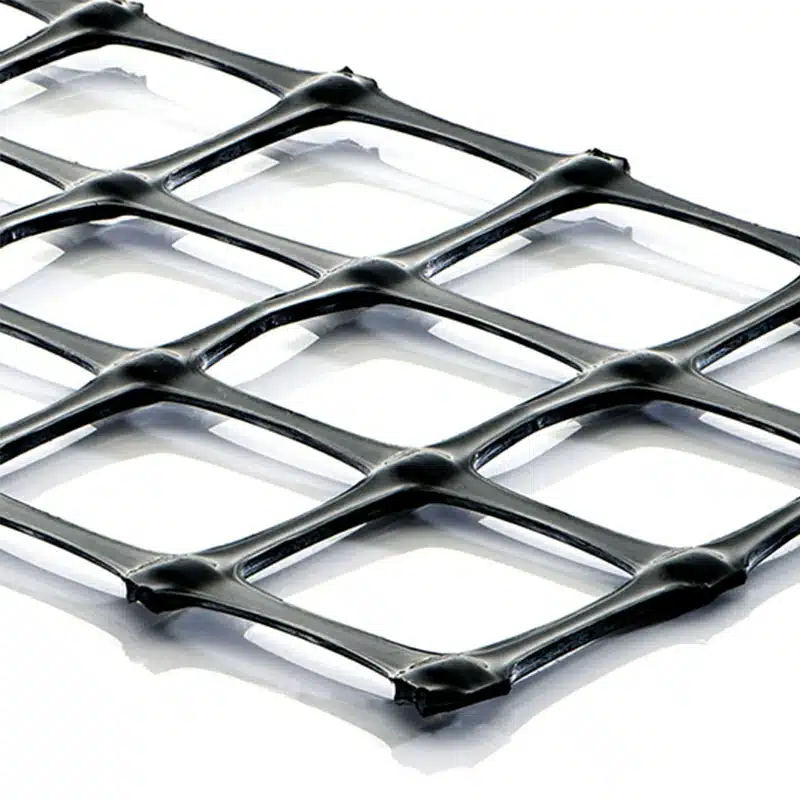
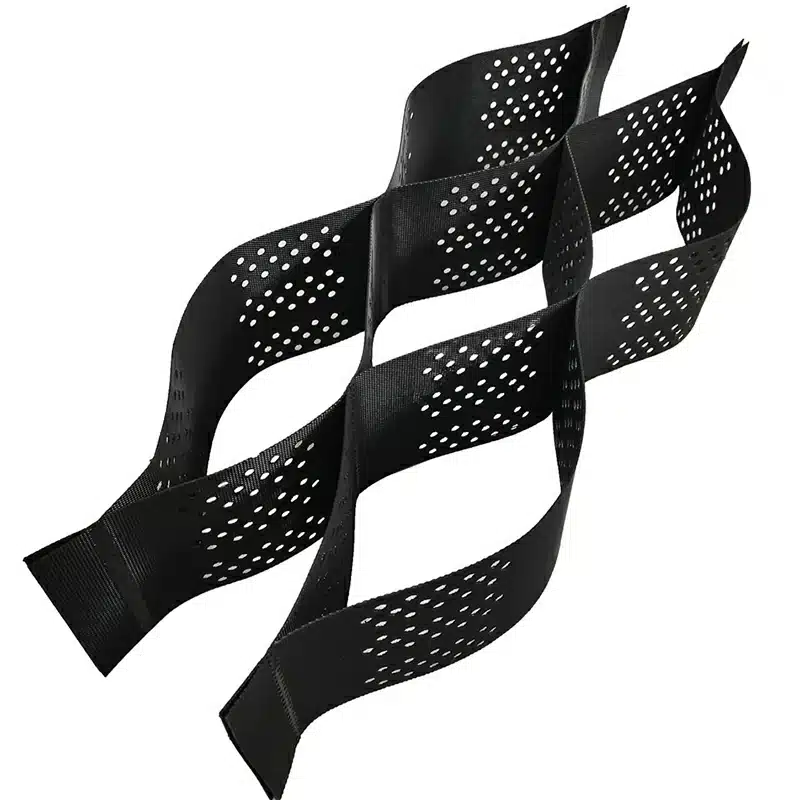
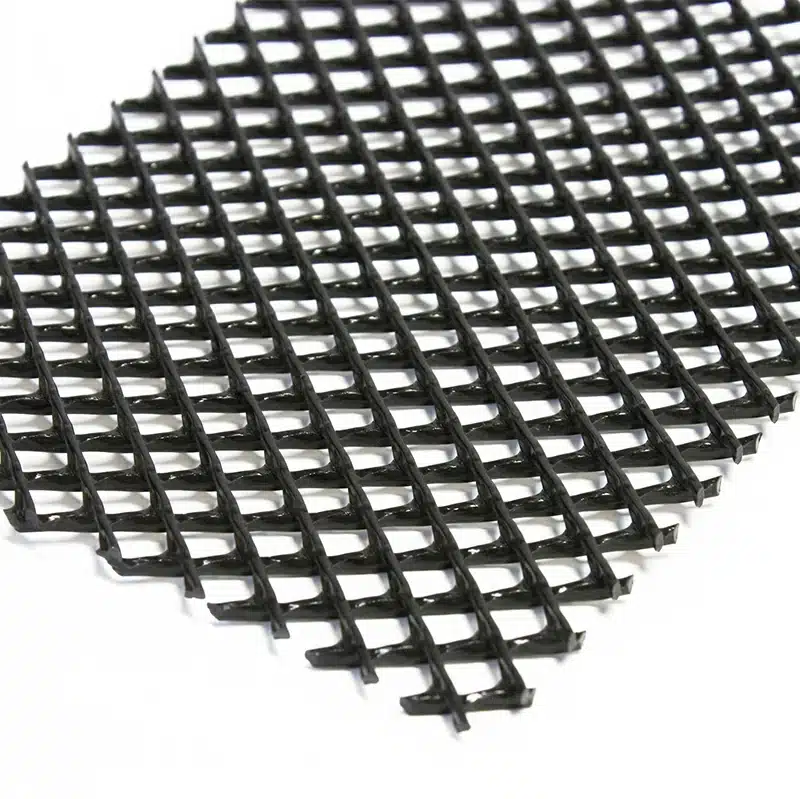
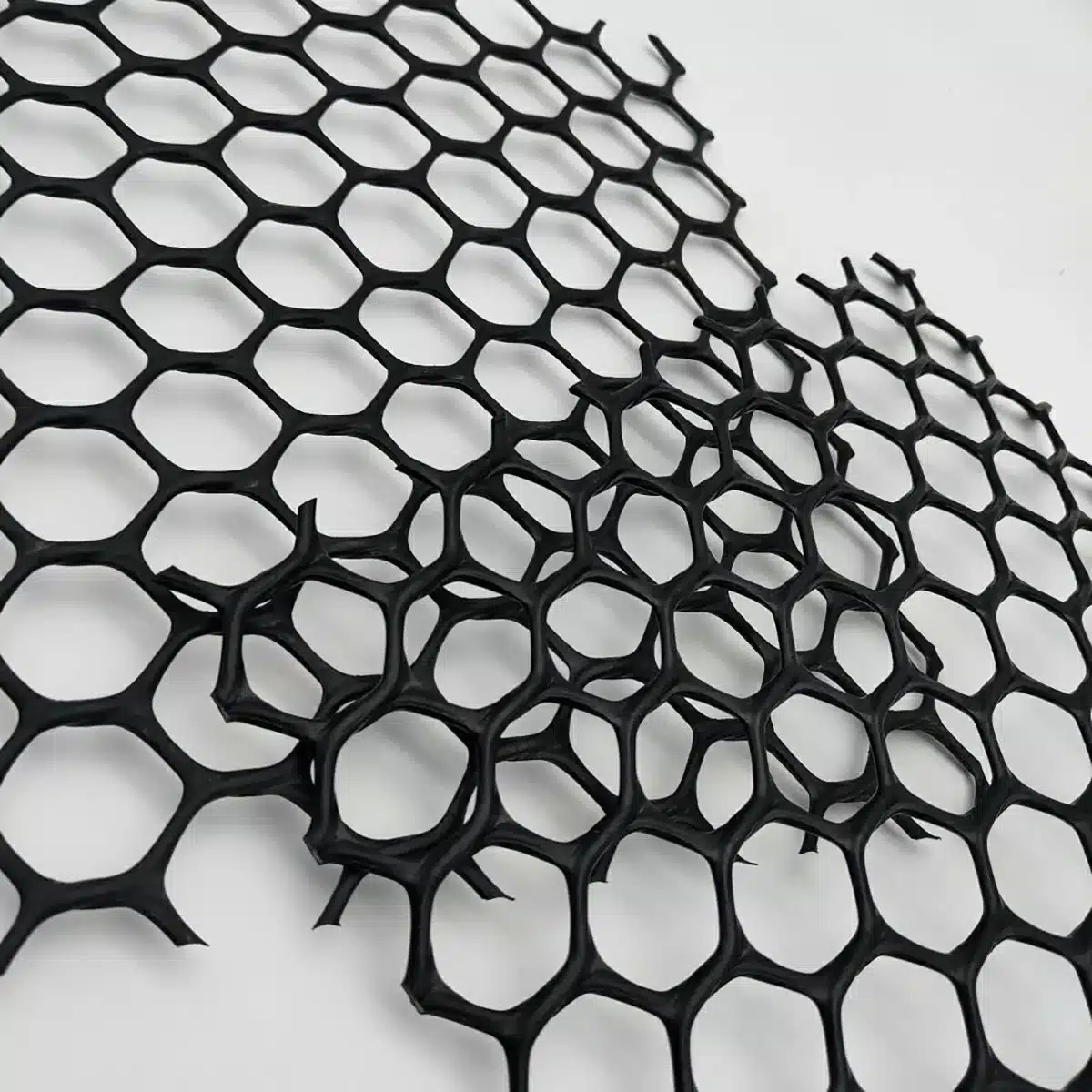
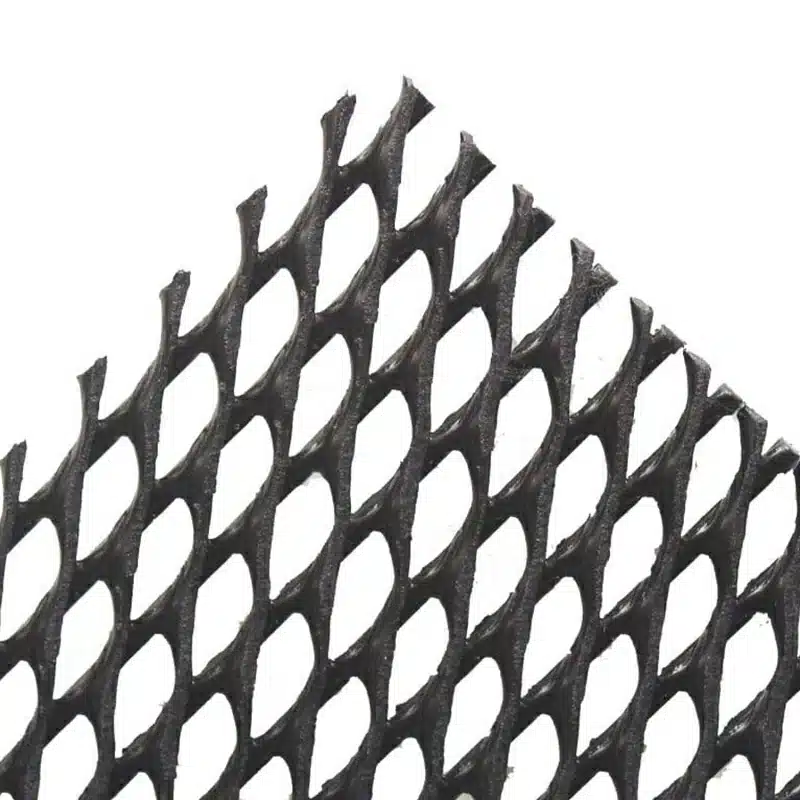
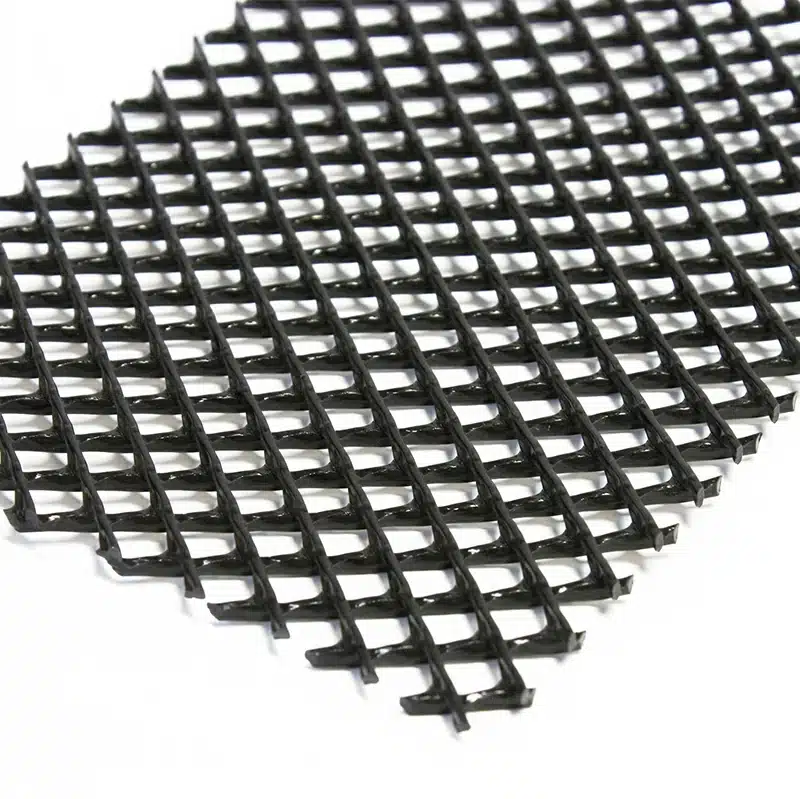
Unlike conventional granular drainage layers, geonets use interconnected polymer ribs to create channels for water movement. These channels allow collected water to flow toward drainage pipes or designated outlets.
A higher transmissivity value generally indicates greater drainage capacity under comparable testing conditions. However, actual performance depends on compressive stress, hydraulic gradient, and surrounding materials.
Understanding geonet water transmissivity and drainage performance requirements helps engineers evaluate products based on actual project conditions.
How Is Geonet Water Transmissivity Tested?
Geonet water transmissivity is commonly measured according to ASTM D4716, which evaluates in-plane water flow under controlled laboratory conditions.
During testing, a geonet specimen is subjected to specified hydraulic gradients and normal compressive stresses. The resulting water flow rate is measured to determine hydraulic transmissivity.
The basic calculation is:
θ = Q / (W × i)
Where:
- θ: Hydraulic transmissivity (m²/s)
- Q: Water flow rate (m³/s)
- W: Specimen width (m)
- i: Hydraulic gradient (dimensionless)
For example, if the measured flow rate is 0.0006 m³/s, the specimen width is 0.30 m, and the hydraulic gradient is 0.10, the calculated transmissivity is 0.02 m²/s.
This illustrative result represents the specified test conditions, not a universal product rating.
Engineers should review complete laboratory test reports before comparing different drainage products.
Factors Affecting Geonet Drainage Performance
Several engineering conditions influence the hydraulic performance of geonets.
Normal Compressive Stress
Pressure from soil, waste, or structural loads can compress drainage channels and reduce water flow capacity. Products should be evaluated under representative operating loads.
Hydraulic Gradient
The hydraulic gradient determines the driving force for water movement. Laboratory results should reflect gradients relevant to the intended drainage system.
Geonet Structure
Rib geometry, channel configuration, and core thickness influence drainage capacity. A thicker geonet does not necessarily provide greater transmissivity.
Long-Term Deformation
Sustained compression may cause polymer creep, gradually reducing the available drainage space.
Geotextile Intrusion
When geotextiles are bonded to drainage cores, compressive loading may cause the fabric to deform into the flow channels.
Evaluating geonet water transmissivity under compressive loading conditions is therefore important for permanent drainage installations.
Applications in Landfill Drainage Systems
Landfill engineering is a major application for geonets and drainage geocomposites.
In landfill liner systems, geonets can provide in-plane drainage pathways that direct collected liquids toward designated collection points. Their performance must account for overlying waste loads and potential chemical exposure.
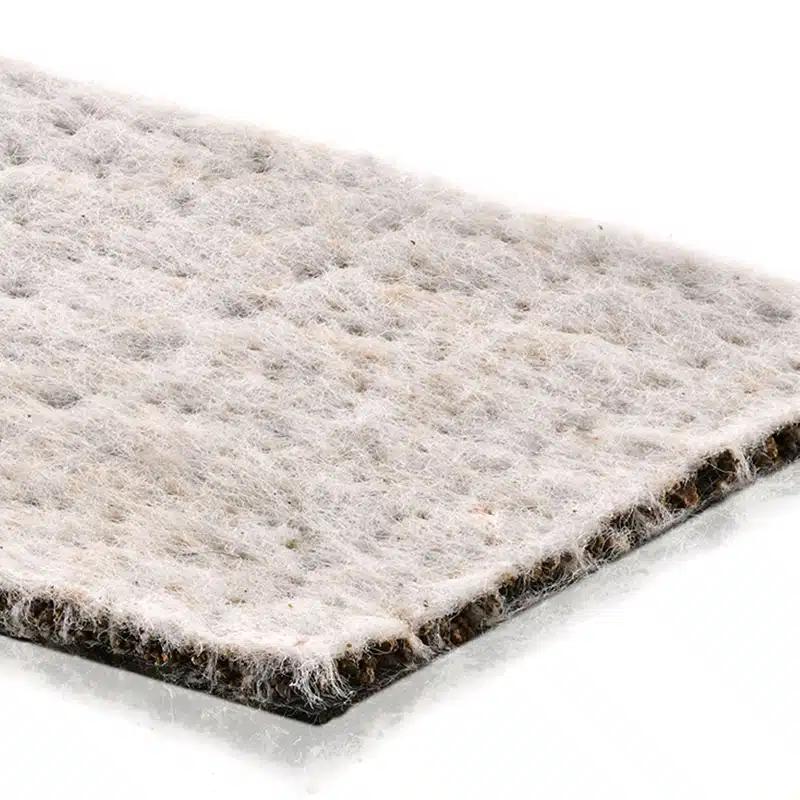
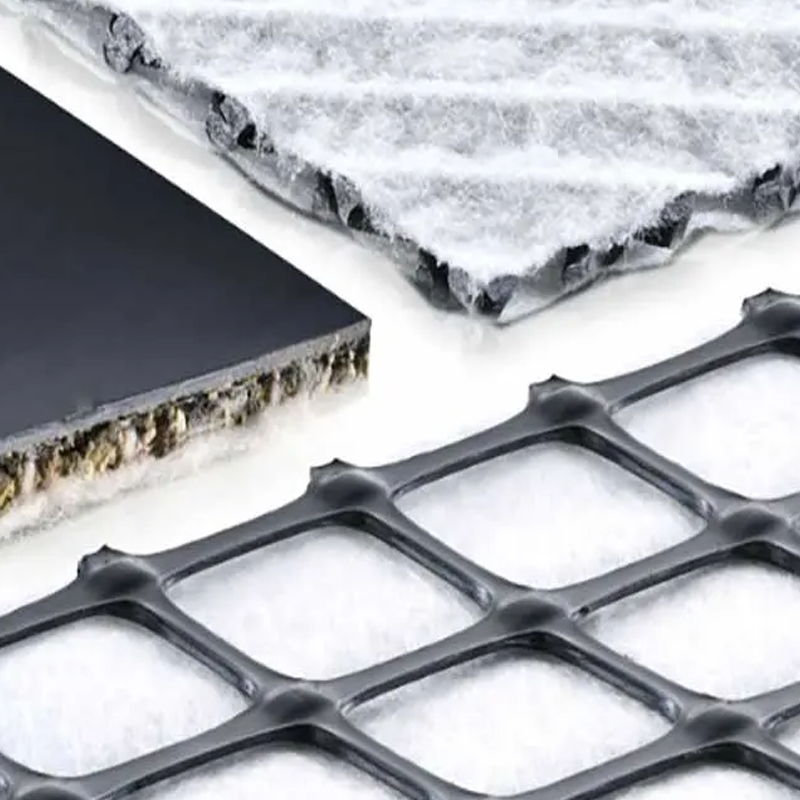
Geocomposite drainage materials typically combine an HDPE geonet core with one or more geotextile layers. The geotextile provides filtration, while the core transports water laterally.
These systems may also be incorporated into landfill cover designs to manage infiltrating water and support long-term drainage performance.
Product selection should consider chemical compatibility, compressive resistance, hydraulic capacity, and project-specific design requirements.
How to Choose the Right Geonet
Selecting a suitable geonet requires evaluating both laboratory properties and installation conditions.
Key purchasing considerations include:
- Hydraulic capacity: Required in-plane flow capacity under design conditions.
- Compressive performance: Resistance to expected loading.
- Material properties: Polymer type and chemical compatibility.
- Long-term durability: Creep, clogging, and deformation considerations.
- Testing documentation: ASTM D4716 results under relevant conditions.
- Product dimensions: Roll width, length, and installation requirements.
For landfill projects, reviewing geonet water transmissivity specifications for landfill drainage systems can help buyers compare products against engineering requirements.
Geonet water transmissivity is an essential consideration when designing reliable geosynthetic drainage systems. Laboratory testing, compressive resistance, and long-term hydraulic performance should guide product selection.
Geofantex supplies HDPE geonets and geocomposite drainage materials for landfill and civil engineering applications. Contact our team with your project specifications to discuss suitable products and request a quotation.
Get Free Sample
We’ll respond as soon as possible(within 12 hours)