

+86-159 9860 6917
info@geofantex.com
geofantex@gmail.com
+86-400-8266163-44899
Slope reinforcement methods are used to improve the stability of embankments, cut slopes, mine sites, and hydraulic structures where soil conditions or slope geometry require additional support. For engineers, contractors, and procurement teams, selecting the right system means evaluating soil properties, slope angle, groundwater conditions, design loads, drainage requirements, and installation conditions before purchasing geogrids, geotextiles, geocells, or related geosynthetics.
Why Are Slope Reinforcement Methods Needed?
Slopes may become unstable because of weak soils, steep geometry, groundwater, erosion, or additional loads from infrastructure and construction activities. Effective reinforcement must address the specific mechanism affecting the slope rather than simply adding a stronger material.
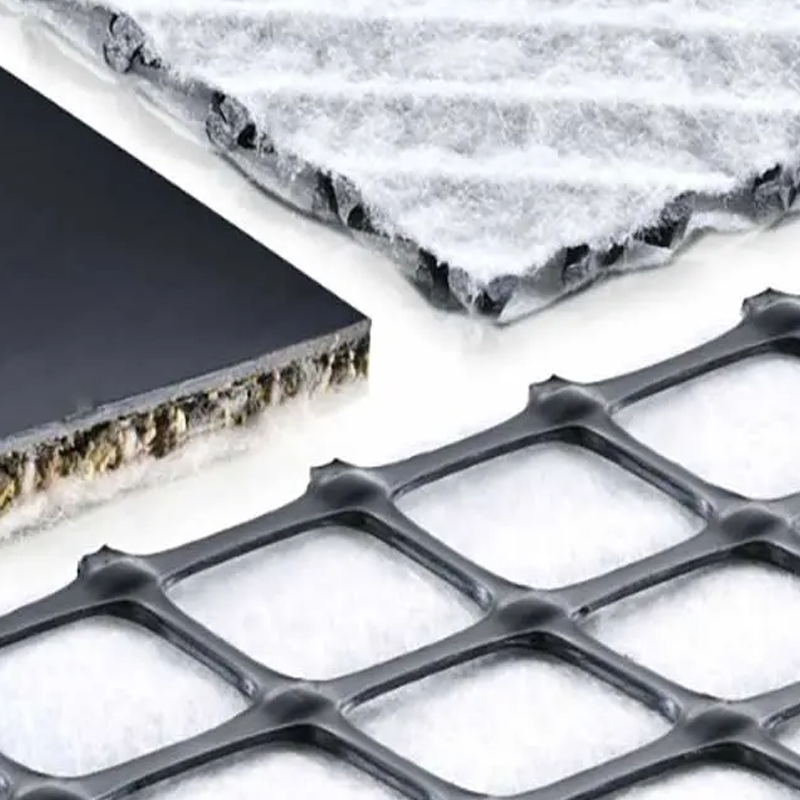
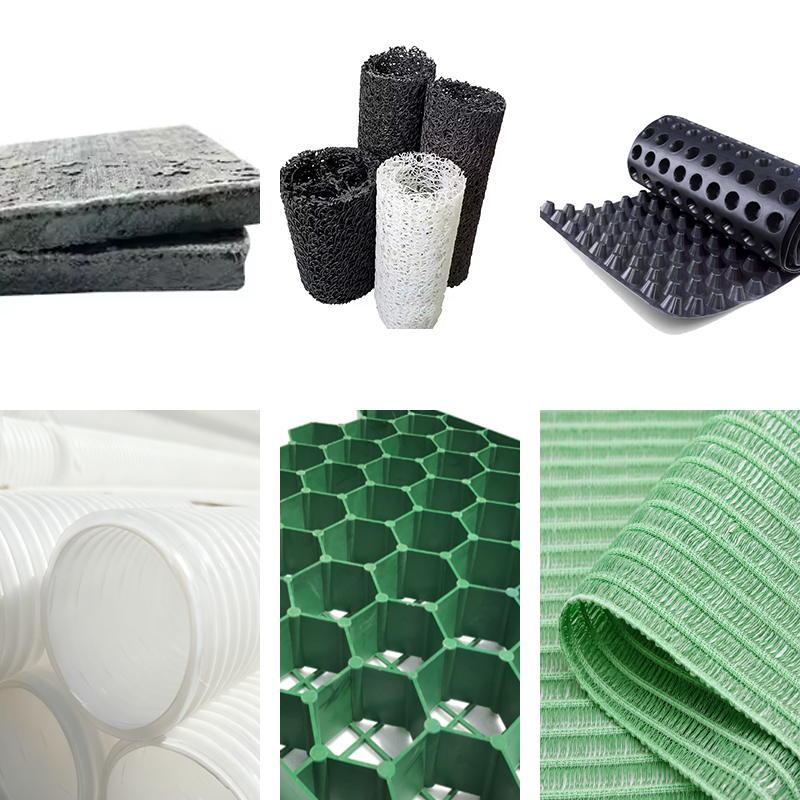
Different slope reinforcement methods provide different engineering functions. Geogrids can provide tensile reinforcement within compacted soil, geotextiles can provide separation, filtration, drainage, or reinforcement, and geocells can confine surface materials and help control erosion.
For project teams evaluating slope reinforcement methods for soil stabilization, defining the required function first helps narrow down material specifications and simplifies supplier comparisons.
Geogrid Reinforcement for Soil Slopes
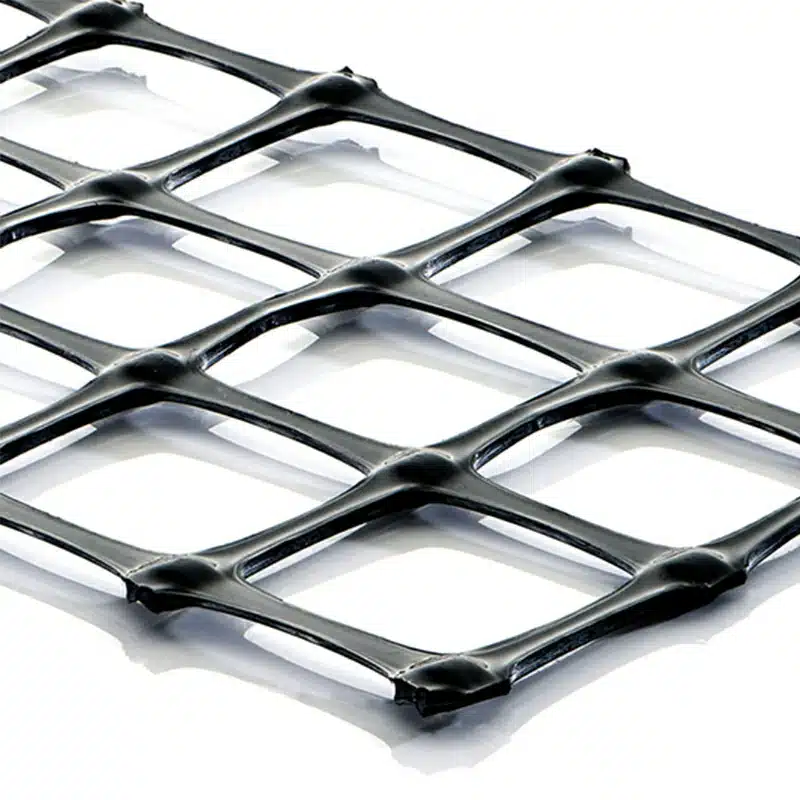
Geogrids are widely used in reinforced soil slopes and embankments. They are typically installed in horizontal layers within compacted fill, where their tensile properties contribute to the stability of the reinforced soil mass.
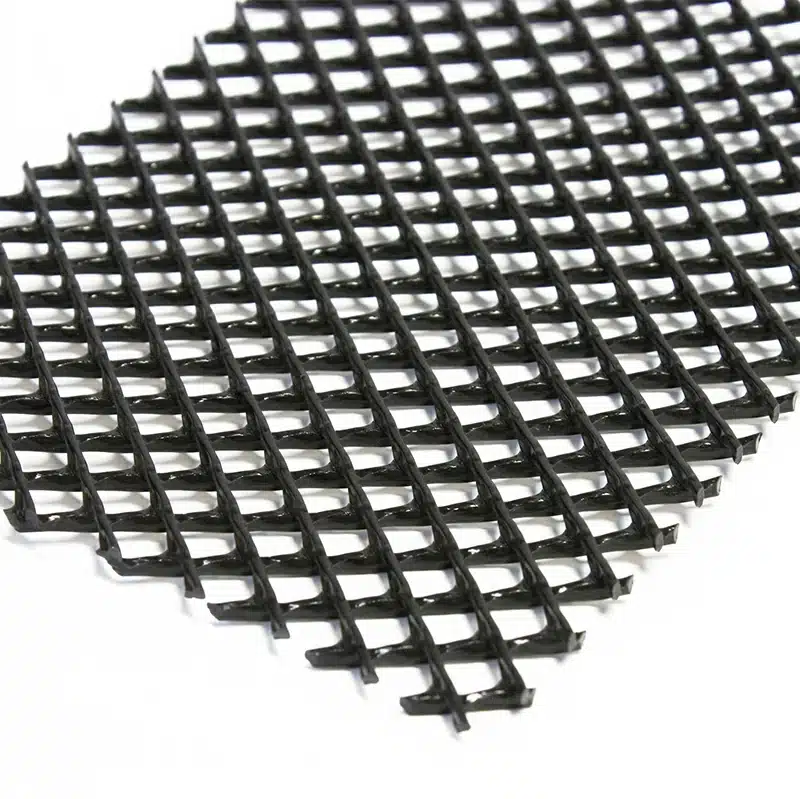
The required tensile strength, reinforcement length, vertical spacing, and connection details depend on the engineering design. Uniaxial geogrids are commonly considered where reinforcement is required primarily in one direction, while other geogrid configurations may be specified according to project requirements.
Important procurement parameters include tensile strength, elongation, polymer type, roll dimensions, and applicable test standards.
Geotextiles and Geocells for Slope Stabilization
Geotextiles and geocells perform different functions within slope stabilization systems.
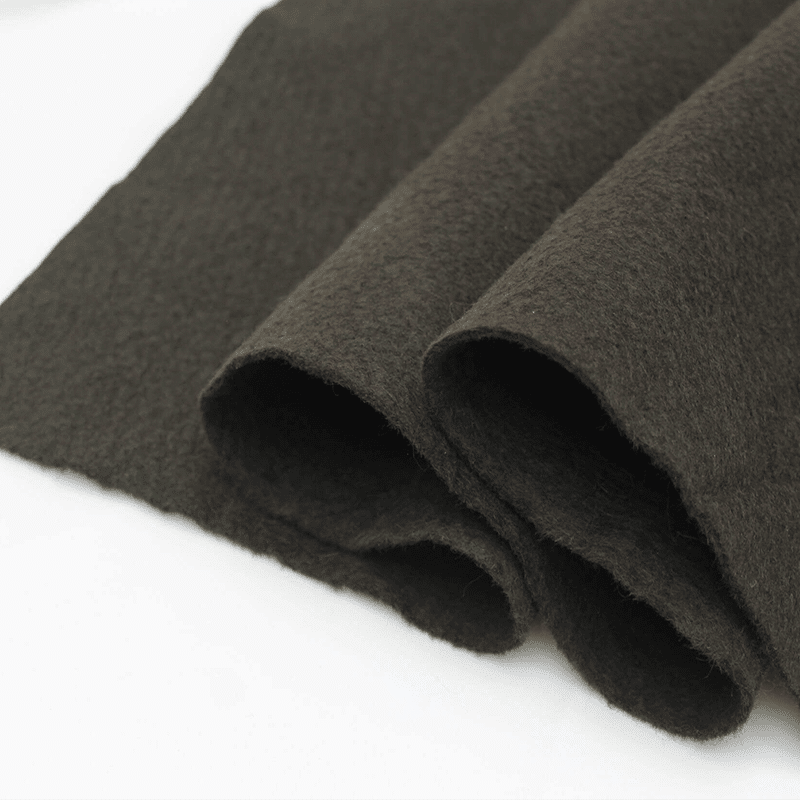
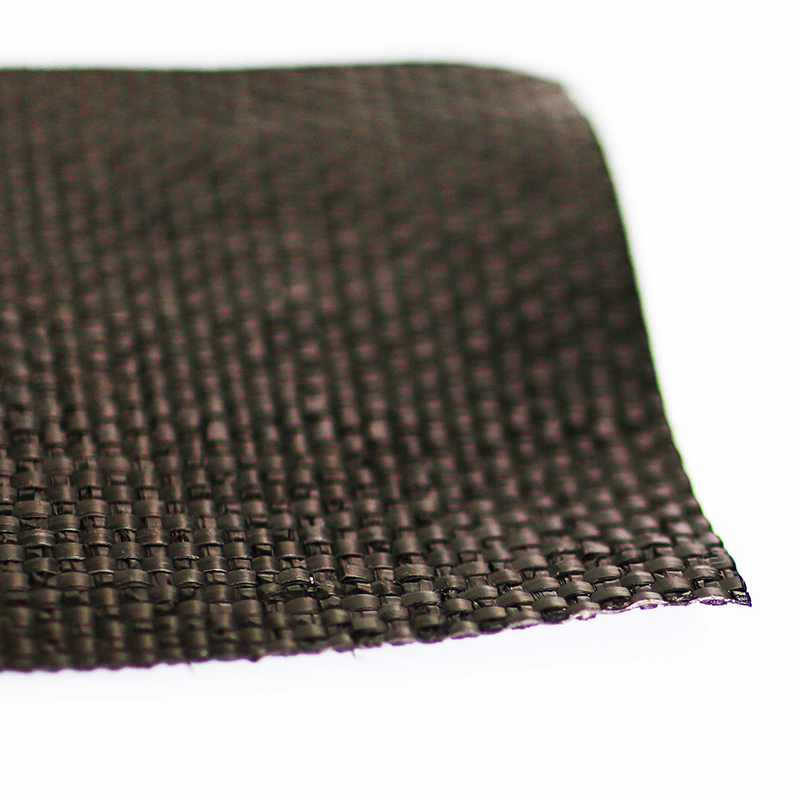
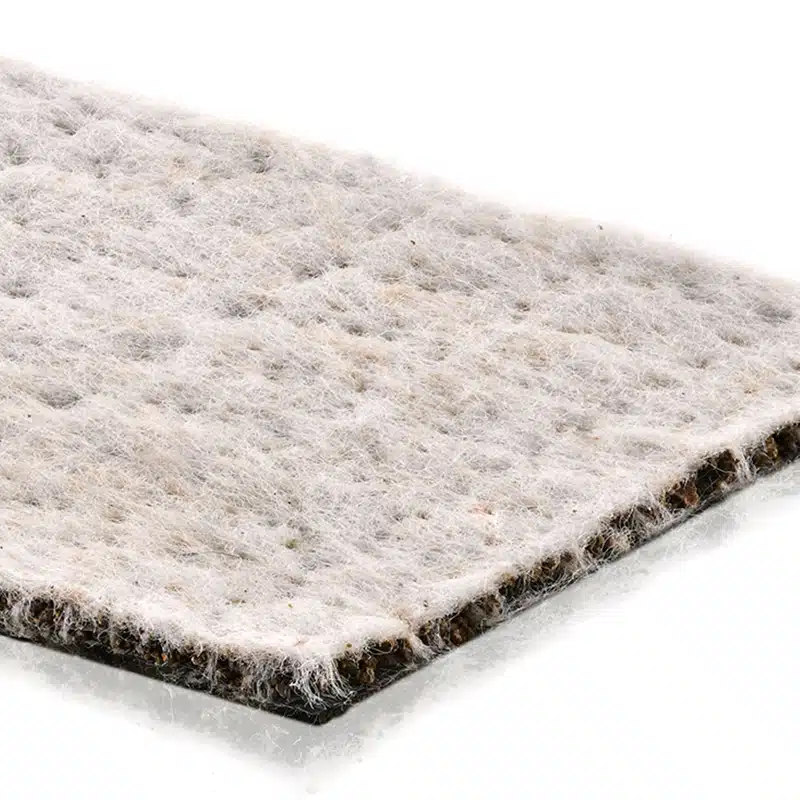
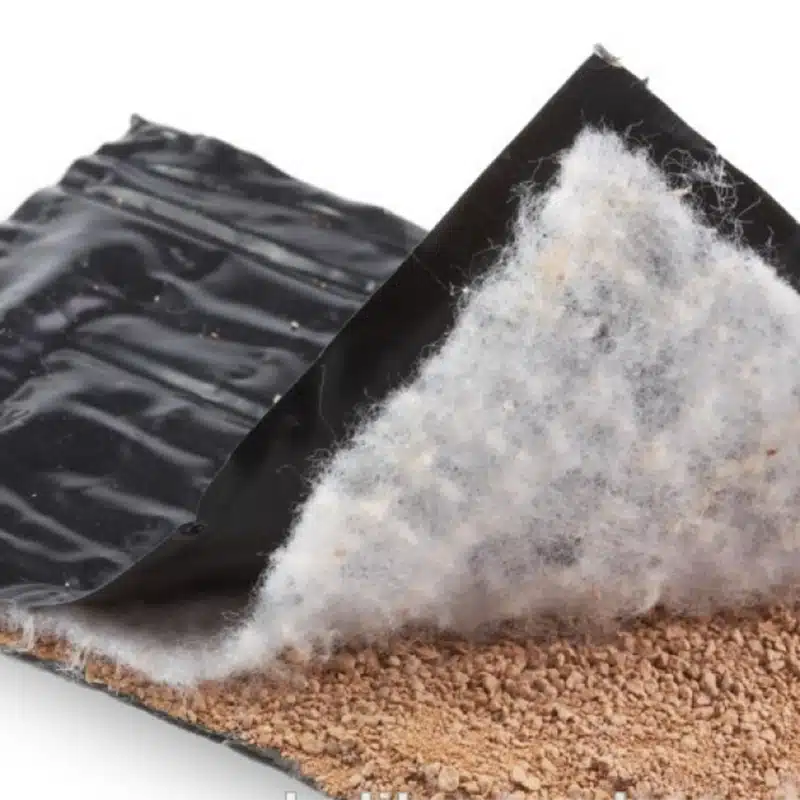
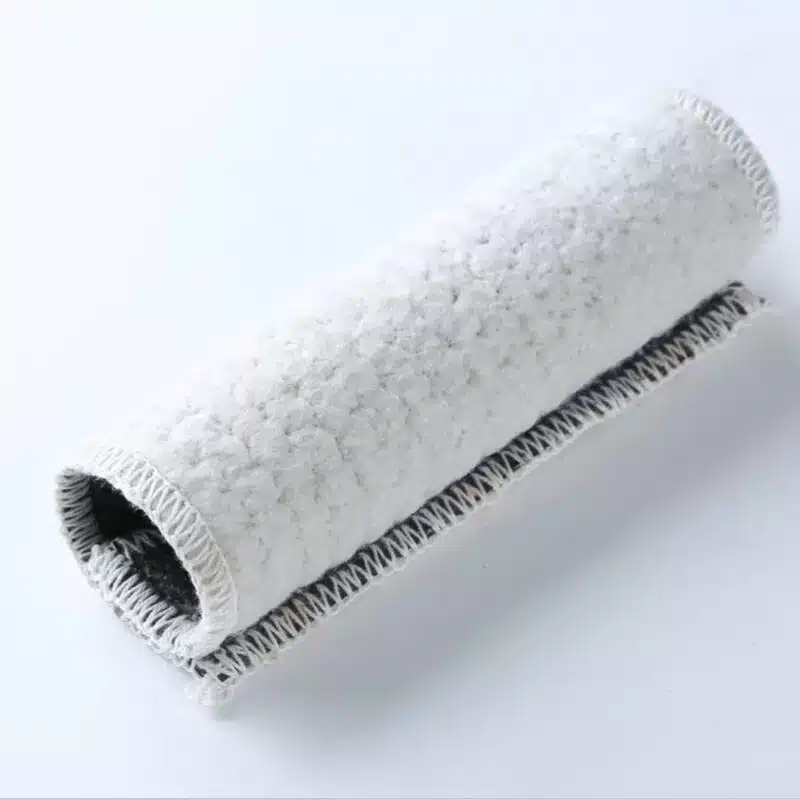
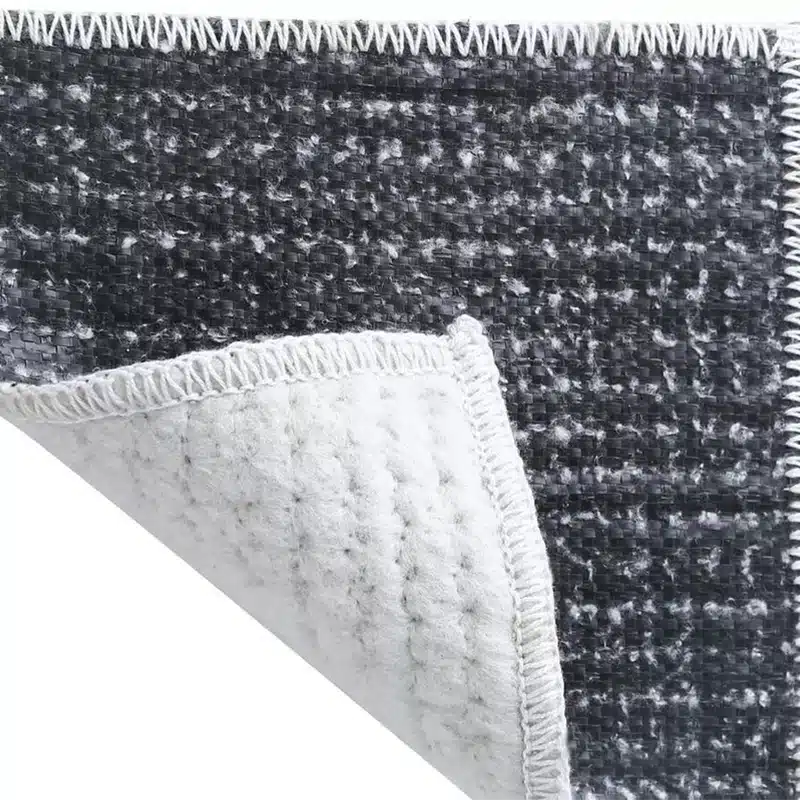
Woven geotextiles may be used in certain reinforcement and separation applications. Nonwoven geotextiles are commonly selected for filtration, separation, drainage, and protection where controlled water movement and soil retention are required.
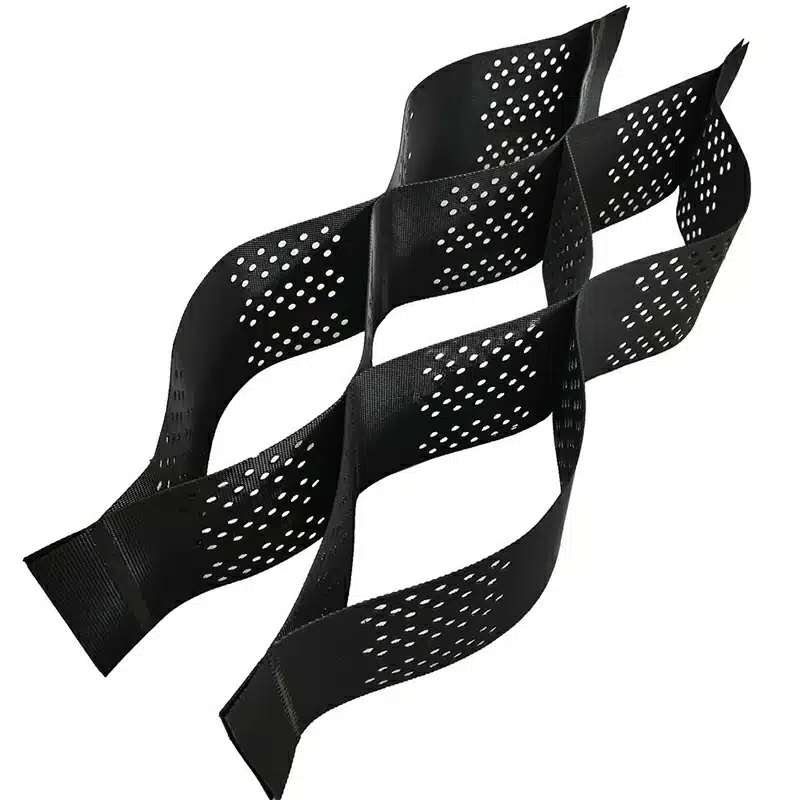
Geocells form a three-dimensional confinement system that can be filled with soil, aggregate, or other specified materials. They are particularly suitable for surface stabilization and erosion control.
When comparing slope reinforcement methods using geosynthetics, the material should therefore be selected according to its intended engineering function rather than by weight or thickness alone.
Slope Reinforcement Methods for Mining Projects
Mining operations often involve steep slopes, haul roads, stockpile areas, containment structures, and engineered embankments. These environments may experience heavy loads, exposed soil surfaces, and demanding drainage conditions.
Geogrids can reinforce compacted fill in embankments or access areas, while geocells can provide surface confinement on erosion-prone slopes. Geotextiles may be incorporated where separation, filtration, or drainage is required.
Material selection should consider site-specific soil properties, slope geometry, loading conditions, drainage requirements, and the required design life.
For mining contractors assessing slope reinforcement methods for mining projects, providing design requirements and applicable test standards allows suppliers to identify appropriate product grades before preparing a quotation.
Slope Reinforcement Methods for Hydraulic Projects
Reservoirs, canals, riverbanks, drainage channels, and other hydraulic structures can be exposed to erosion, fluctuating water levels, seepage, and soil movement.
Geocells may be used to confine surface materials on slopes, while geotextiles can provide filtration and separation beneath protective layers. Geogrids may be incorporated where internal soil reinforcement is required by the design.
A complete system may combine several geosynthetics because reinforcement, filtration, drainage, and erosion control are separate engineering functions.
How to Select Slope Reinforcement Methods
Selection should begin with project-specific engineering requirements, including slope height and angle, soil properties, groundwater conditions, expected loads, design life, reinforcement strength, drainage requirements, and installation conditions.
Procurement teams should provide technical specifications, applicable ASTM or ISO standards, required dimensions, estimated quantities, and project conditions when requesting quotations.
Geofantex supplies geogrids, woven and nonwoven geotextiles, geocells, and other geosynthetic products for slope stabilization and soil reinforcement applications.
For buyers comparing slope reinforcement methods for infrastructure projects, clear technical specifications make it easier to match project requirements with available product grades.
Contact Geofantex with your project specifications, application conditions, and required quantity for product selection and a quotation.
Get Free Sample
We’ll respond as soon as possible(within 12 hours)