Industry News: Innovations in K Drain Geocomposite
Discover the latest developments in K Drain Geocomposite, a breakthrough in geosynthetics drainage technology for projects.
Tel: +86-411-39569550 | E-mail: info@geofantex.com/geofantex@gmail.com
Discover the latest developments in K Drain Geocomposite, a breakthrough in geosynthetics drainage technology for projects.
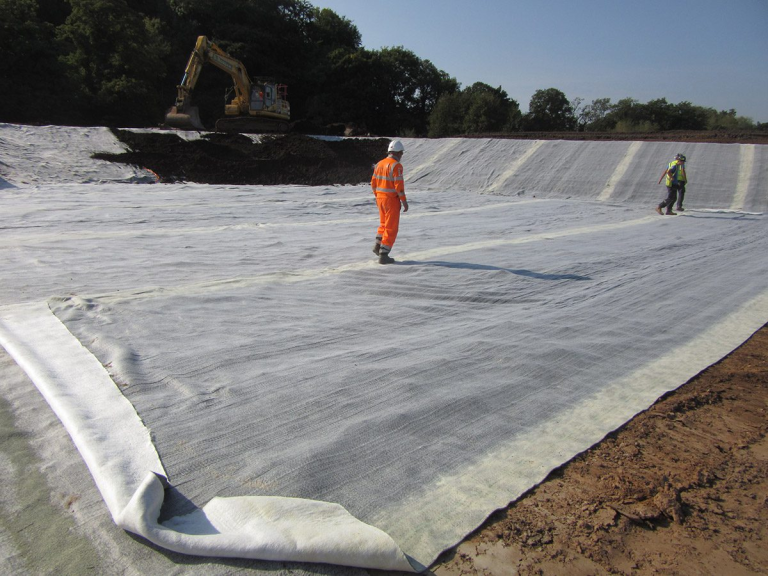
A geocomposite drainage mat effectively addresses the issue of water accumulation in soil structures. In many infrastructure projects.
Drainage composites are essential materials designed to manage and direct the flow of water in various construction, engineering, and landscaping projects. These versatile products help prevent water accumulation and damage, promoting better water flow and reducing the risk of soil erosion. This article will explore the importance of drainage composites, focusing on their structure, functions, and differences from similar materials.
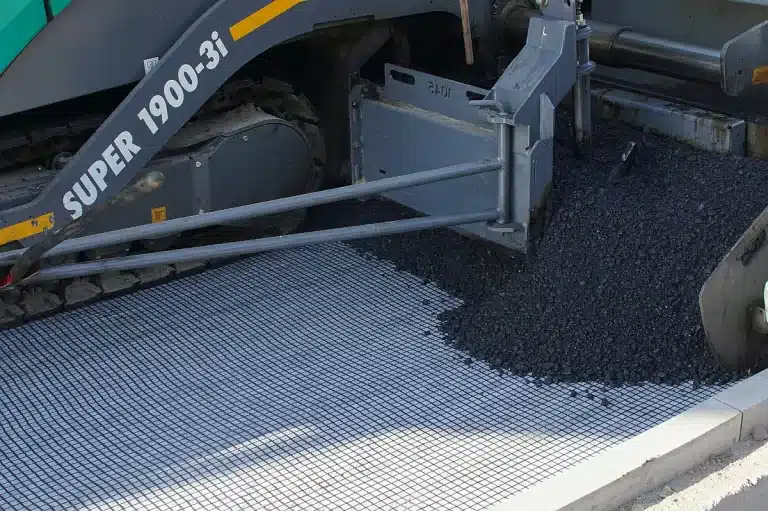
Geocomposites are innovative materials that combine multiple geosynthetic products, enhancing performance in road construction and maintenance. By integrating various functions, such as drainage, separation, and reinforcement, geocomposites significantly improve the durability and longevity of roadways.
Geocomposite drainage systems have become indispensable in various civil engineering projects, offering efficient solutions for water management and soil stabilization. Among the crucial factors determining their effectiveness is the required gas transmissivity. In this article, we delve into the fundamentals of geocomposite drainage, its applications, types, differences from geotextiles, and the significance of gas transmissivity.
Geocomposites, a sophisticated fusion of geosynthetics and other engineering materials, have carved a niche in the realm of civil engineering. These hybrid materials combine the best properties of their constituent components, typically offering enhanced functionality in drainage, barrier systems, and reinforcement solutions. In this article, we’ll explore how geocomposites are revolutionizing projects from roadways to retaining walls, shedding light on their applications, advantages, and future prospects.
The field of civil engineering is continually advancing with innovative solutions aimed at enhancing efficiency and sustainability. Among these innovations, geocomposite drainage systems have emerged as a pivotal technology in managing water flow and soil stabilization in various construction and environmental projects. This article delves into the importance, functionality, and supply aspects of geocomposite drainage systems, providing essential insights into their role in modern infrastructure.
Geocomposite drainage layers stand as indispensable components in fortifying infrastructure against water-related challenges. These specialized layers, crafted with a blend of geotextiles, drainage cores, and filtration systems, serve a pivotal role in managing water flow efficiently.
Transmissivity in geocomposite drainage is key in geotechnical engineering, indicating how well these materials allow fluid flow, especially water. This measure is vital for assessing their performance in drainage, filtration, and containment. Knowing a material’s transmissivity is critical for choosing the right one for effective water management and project success. Engineers depend on this understanding to make decisions that affect project outcomes, including waterlogging prevention, soil stability, and containment integrity.
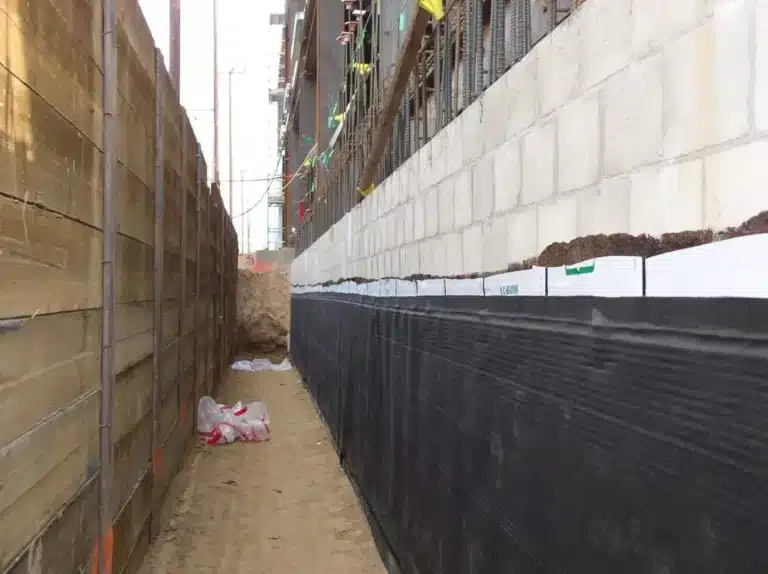
Geocomposite drainage solutions have become indispensable in modern civil engineering and construction projects. These innovative systems, comprising a combination of geotextiles and drainage cores, offer efficient water management, preventing issues like soil erosion, waterlogging, and structural damage.
End of content
End of content
WhatsApp us