

+86-159 9860 6917
info@geofantex.com
geofantex@gmail.com
+86-400-8266163-44899
Geonet fabric provides an efficient drainage solution for landfill, civil engineering, retaining wall, mining, and other geotechnical projects. For contractors, distributors, and project buyers, selecting the correct drainage geonet can reduce aggregate requirements, simplify installation, improve water management, and provide reliable long-term performance. Geofantex supplies different geonet and geocomposite configurations for bulk and project-based procurement.
What Is Geonet Fabric?
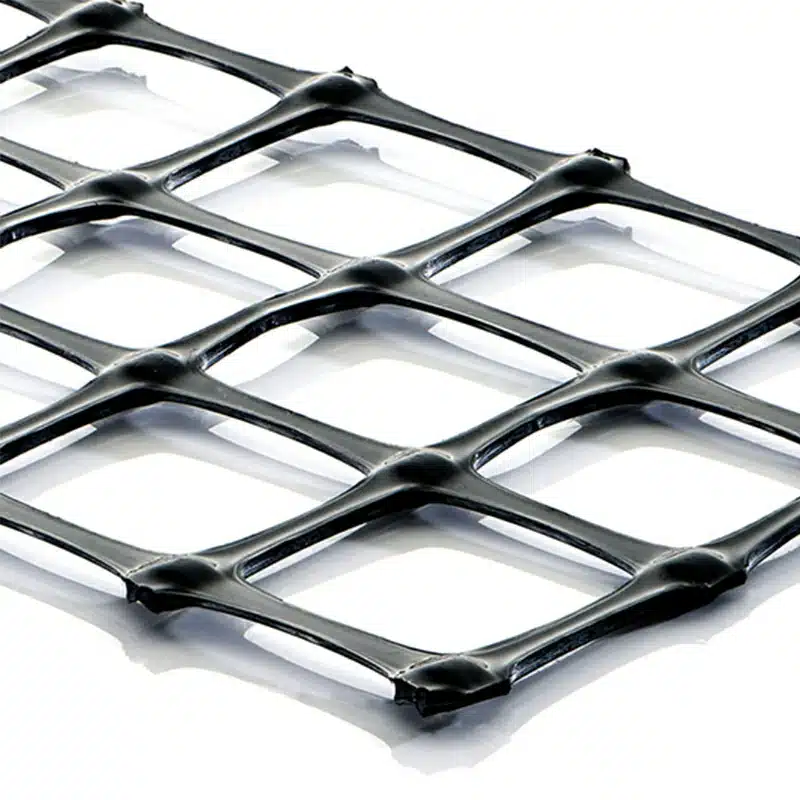
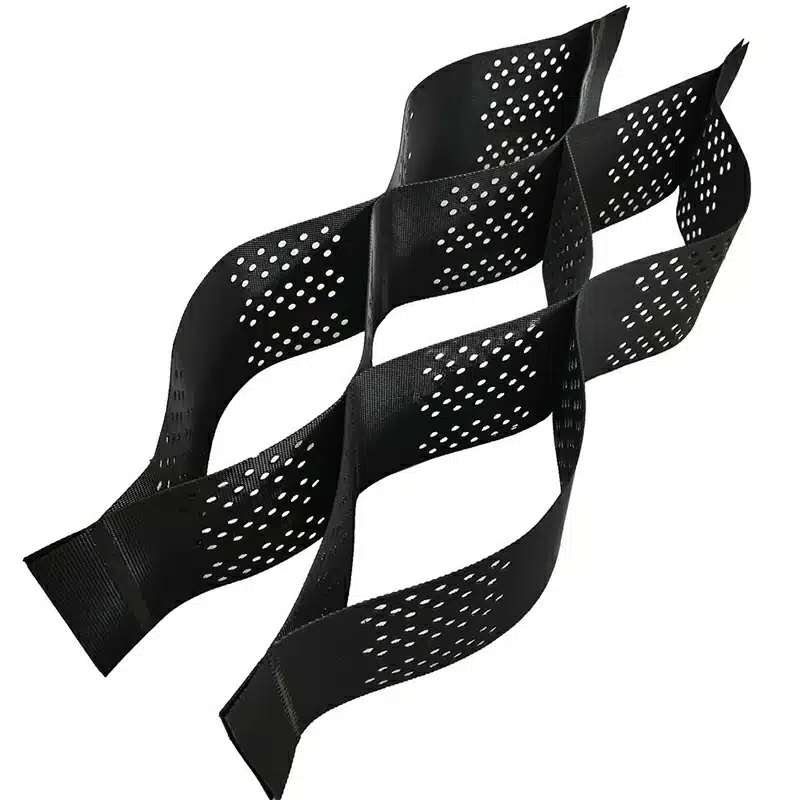
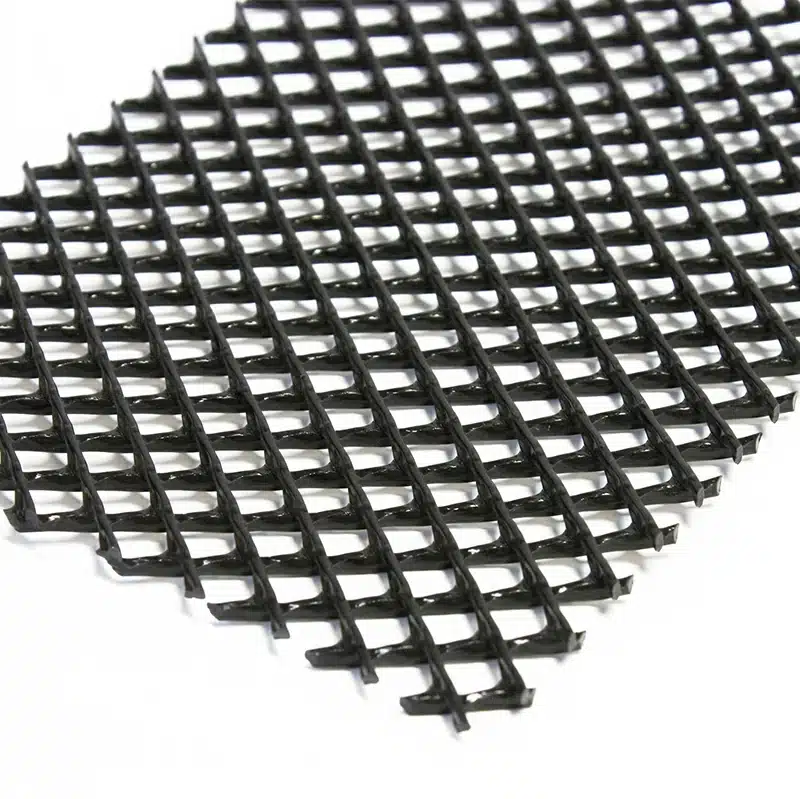
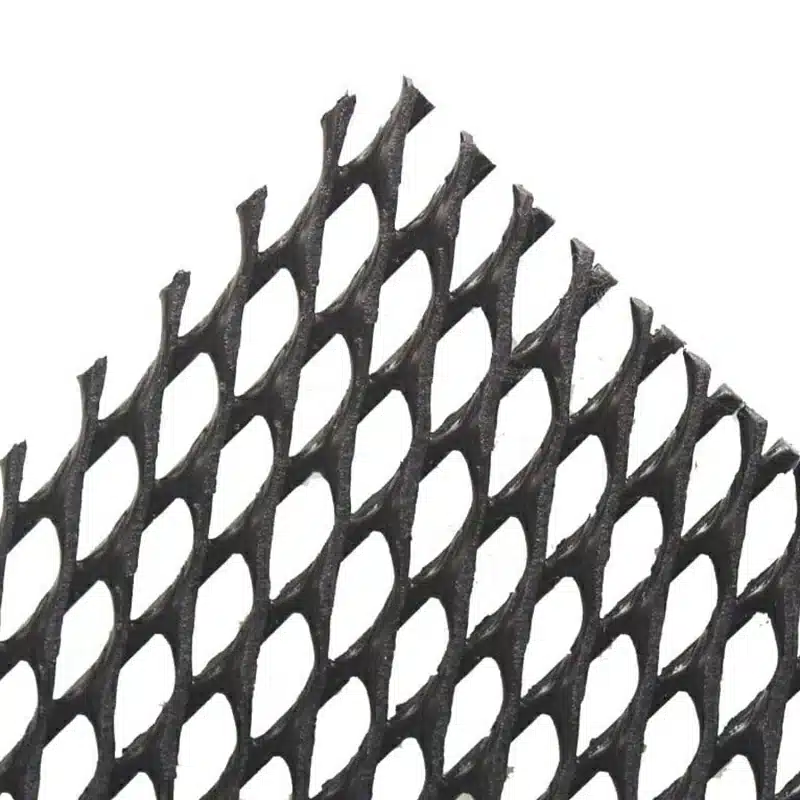
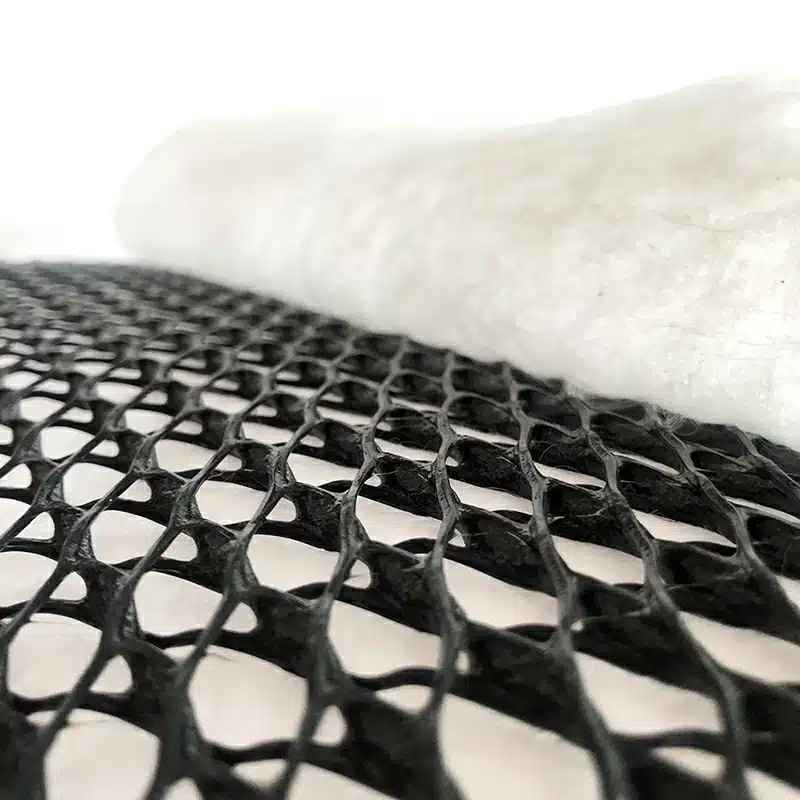
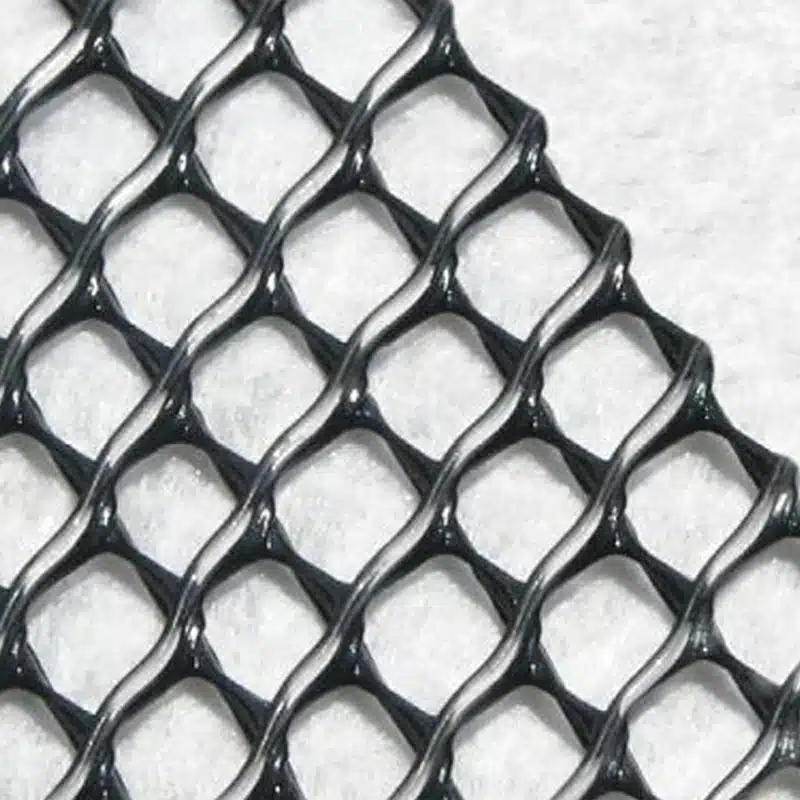
Geonet is a synthetic drainage material manufactured from polymeric ribs arranged to create continuous channels for liquid or gas flow. HDPE is commonly used because of its durability, chemical resistance, and suitability for demanding buried environments.
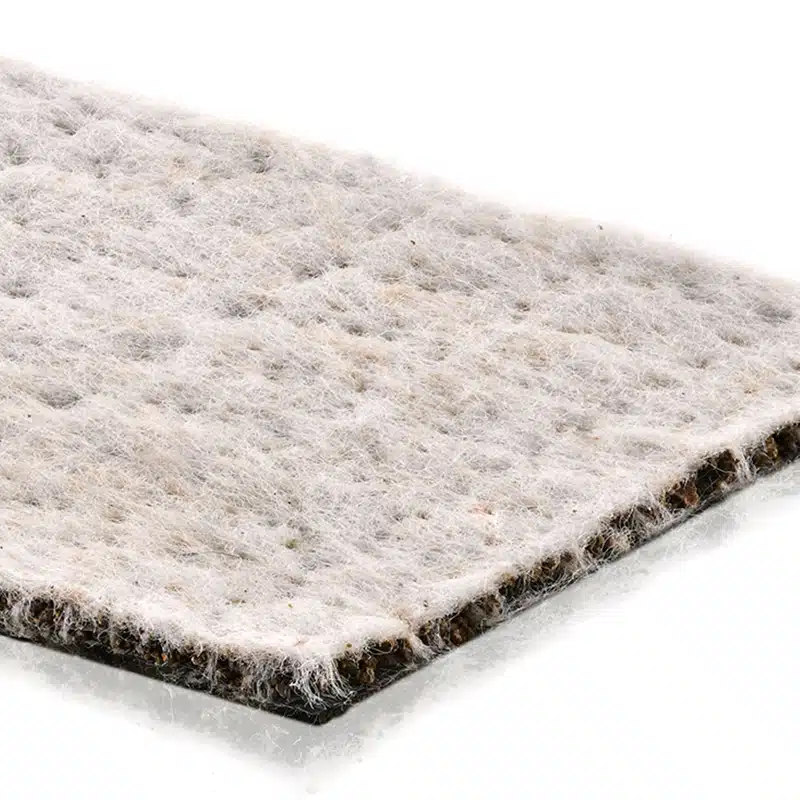
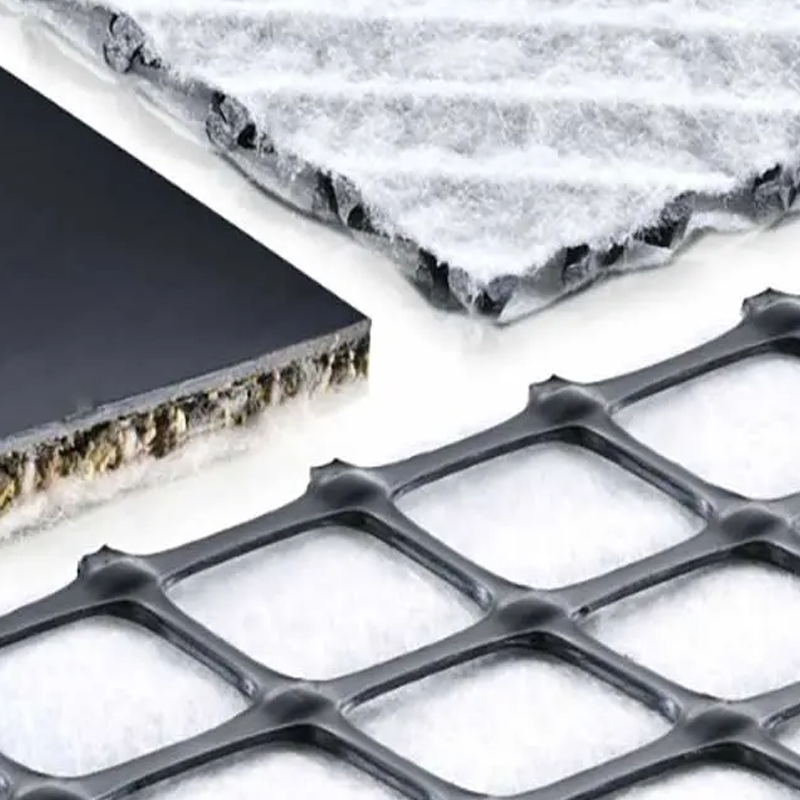
Unlike conventional geotextiles, which primarily provide filtration, separation, and protection, geonets are designed mainly for in-plane drainage. When a geonet core is bonded with one or two layers of geotextile, the resulting geocomposite combines filtration with drainage.
This configuration allows water to pass through the geotextile while helping retain surrounding soil particles. Water then enters the geonet core and flows toward the designed discharge point.
For projects requiring an integrated drainage layer, buyers can review our geonet fabric drainage solutions for civil engineering to compare available structures and configurations.
Why Use Geonet Fabric for Landfill Drainage?
Landfill construction requires reliable management of leachate, surface water, and gas. A geonet drainage layer can be incorporated into engineered lining and closure systems to provide a controlled flow path without requiring the thickness associated with conventional granular drainage layers.
Its lightweight roll format also simplifies transportation and installation across large project areas.
Key advantages include:
- High in-plane drainage capacity
- Good resistance to chemicals and biological degradation
- Lightweight rolls for easier site handling
- Reduced drainage-layer thickness
- Compatibility with HDPE geomembranes
- Combination with geotextiles for filtration
- Fast installation over large areas
- Consistent factory-controlled properties
For landfill applications, the required transmissivity should be evaluated under the expected normal load and site conditions rather than selecting a product solely according to nominal thickness.
Project engineers and procurement teams can also explore geonet fabric for landfill drainage systems when selecting materials for liner, leachate drainage, gas collection, or closure applications.
Geonet Fabric for Geotechnical Drainage
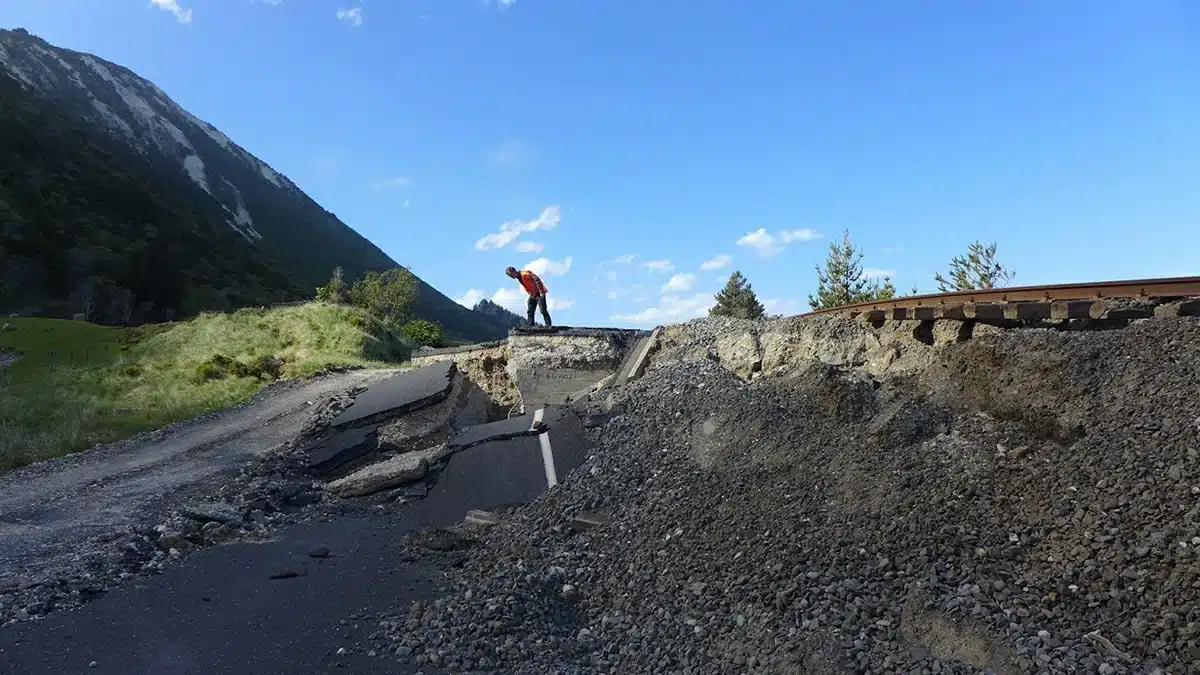
Water accumulation can reduce soil stability and increase hydrostatic pressure around retaining walls, slopes, foundations, tunnels, and underground structures. An engineered geonet drainage layer provides a pathway for excess water to move toward designated collection or discharge points.
Typical applications include retaining walls, road embankments, railway construction, tunnels, foundations, landscaped areas, mining facilities, and subsurface drainage systems.
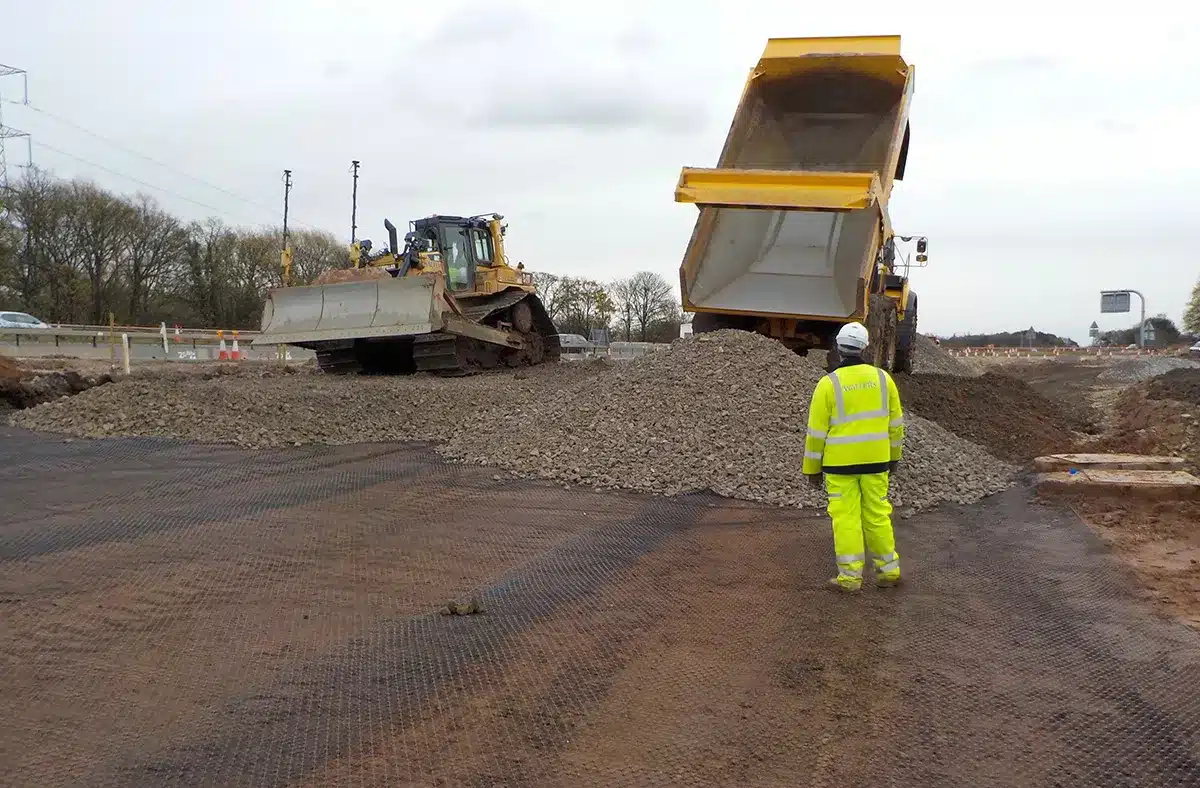
Compared with thick aggregate drainage layers, geonets occupy relatively little construction space and are easier to transport to projects where locally available drainage aggregate is limited or expensive.
For applications involving fine soil, a filtration geotextile can be laminated to the drainage core. The geotextile helps prevent soil particles from entering the drainage channels while maintaining water flow.
Geonet or Geocomposite: Which Should You Buy?
The correct configuration depends on the function required by the project.
A standalone geonet may be appropriate when adjacent materials already provide the required filtration or protection. A geonet combined with geotextile is generally preferred when both filtration and drainage must be achieved within one manufactured product.
Single-sided geotextile configurations provide filtration on one side, while double-sided products place the drainage core between two geotextile layers.
Before purchasing, evaluate:
- Required transmissivity
- Expected compressive load
- Geonet thickness and structure
- Geotextile type and weight
- Filtration requirements
- Chemical exposure
- Roll dimensions
- Installation conditions
- Required ASTM, ISO, EN, GRI, or project standards
Buyers comparing different configurations can consult our geonet fabric and geocomposite drainage products before finalizing the technical specification.
Request a Geonet Quotation
For accurate project pricing, provide the application, required specification, total quantity, roll dimensions, testing standard, and destination. If the specification has not yet been finalized, project drawings or performance requirements can also help determine a suitable configuration.
Geofantex supplies geonets, drainage geocomposites, geotextiles, geomembranes, geogrids, and other geosynthetic materials for international civil engineering and environmental projects.
For bulk orders or project procurement, send your technical requirements and required quantity to receive a product recommendation and quotation.
Get Free Sample
We’ll respond as soon as possible(within 12 hours)