

+86-159 9860 6917
info@geofantex.com
geofantex@gmail.com
+86-400-8266163-44899
Geonet geosynthetics provide an efficient drainage solution for landfills, retaining walls, mining facilities, and other civil engineering projects. For contractors, engineers, and importers sourcing drainage materials, understanding flow capacity, compressive performance, filtration requirements, and installation conditions helps identify the right geonet or drainage geocomposite for long-term project performance.
What Problems Can Geonet Geosynthetics Solve?
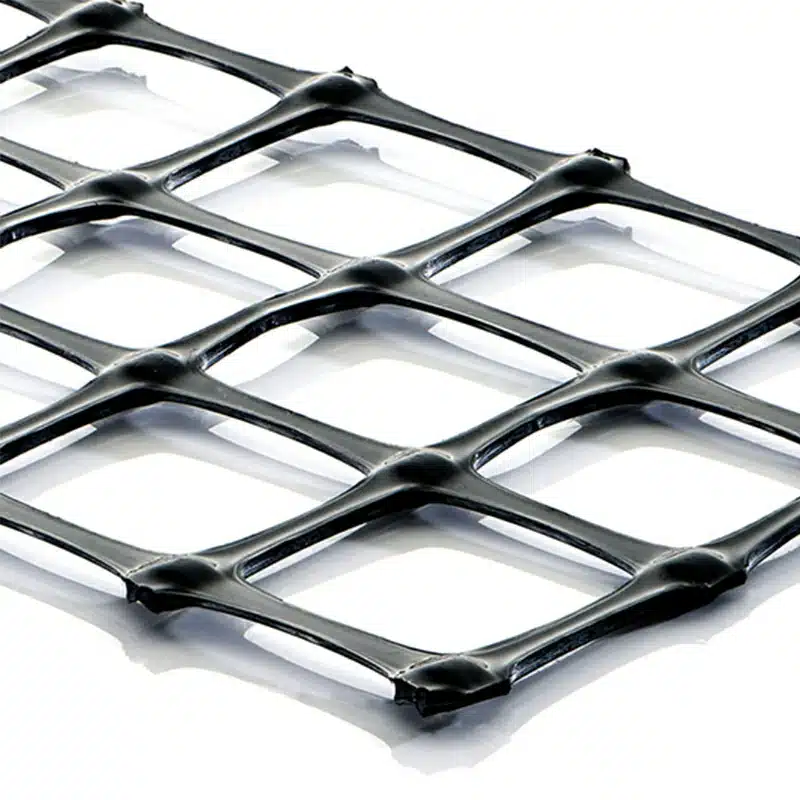
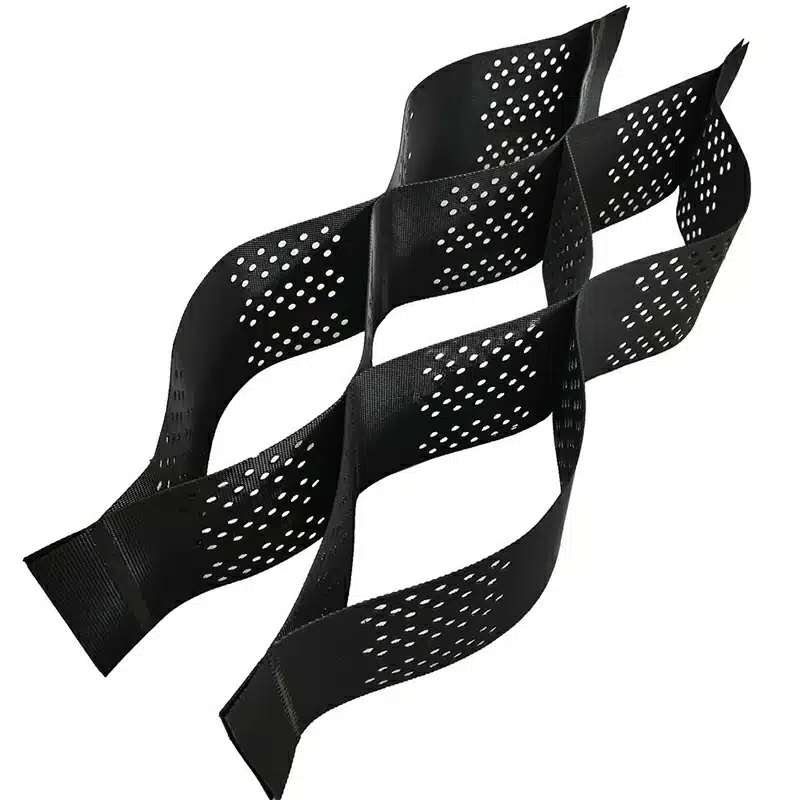
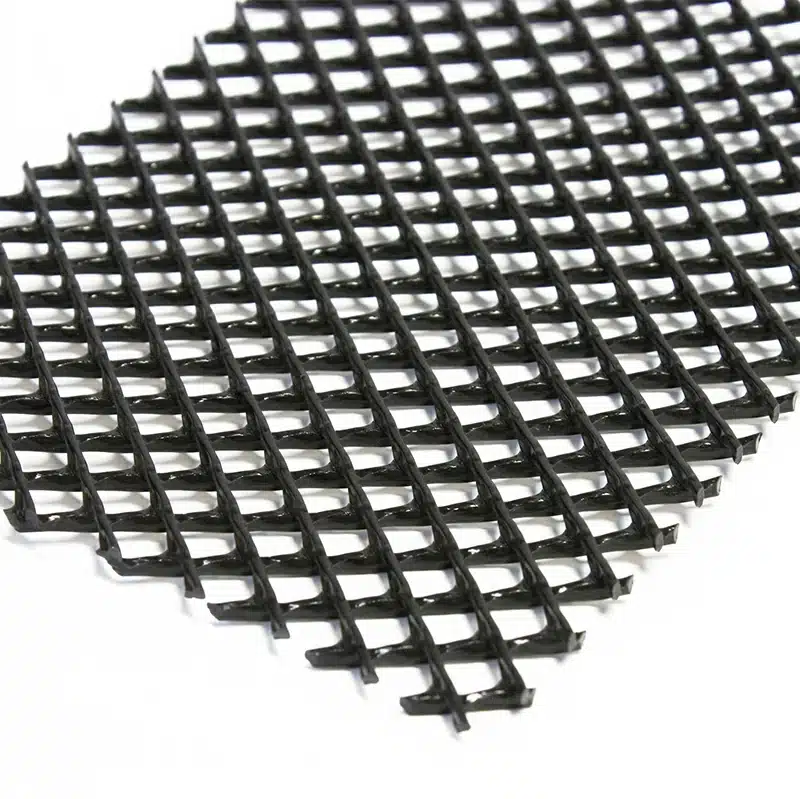
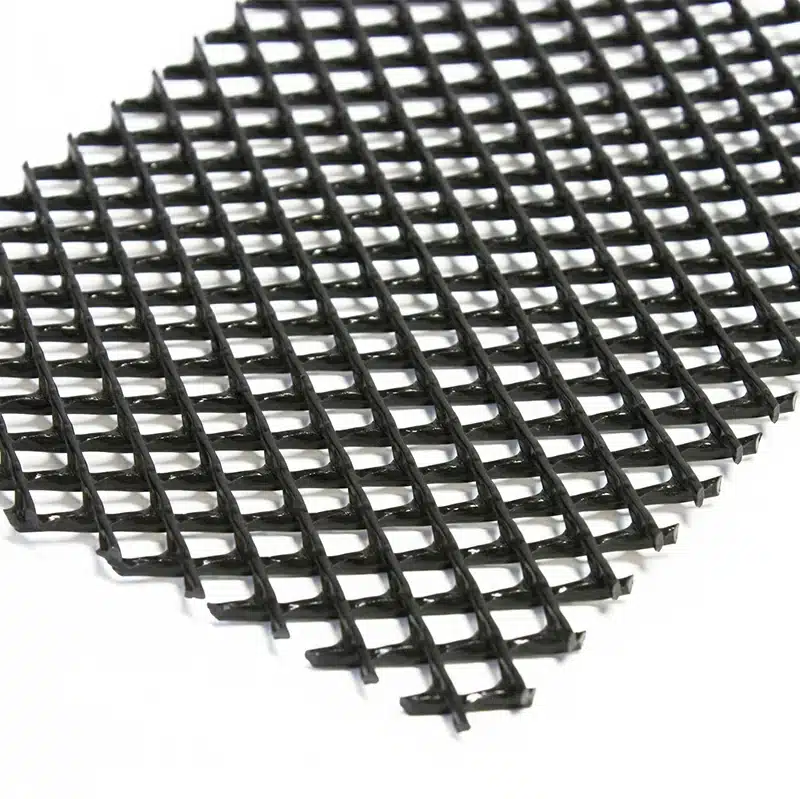
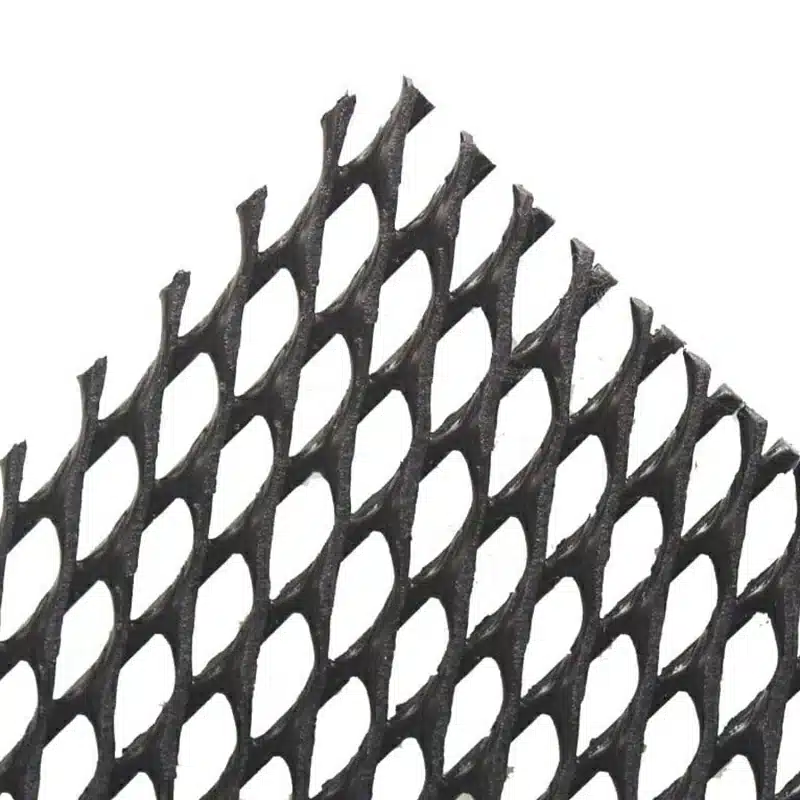
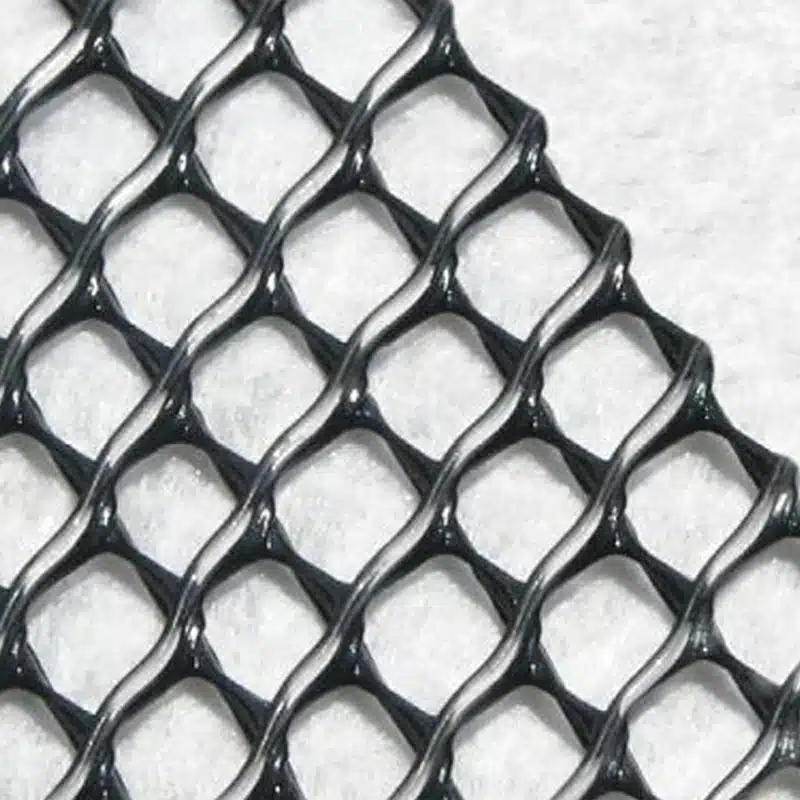
Geonets are primarily designed to transport liquids or gases within the plane of a geosynthetic system. Their three-dimensional polymeric rib structure creates continuous flow channels, making them particularly useful where conventional granular drainage layers are difficult or expensive to install.
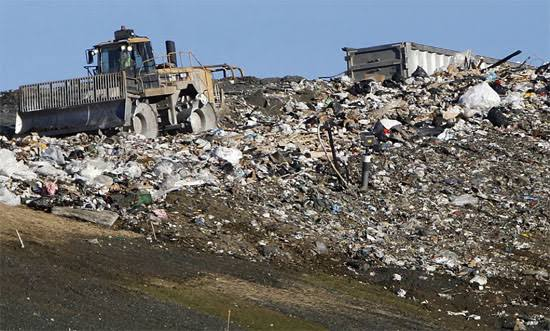
Typical applications include landfill leachate collection, landfill gas transmission, retaining wall drainage, foundation drainage, mining facilities, reservoirs, and other subsurface drainage systems.
For landfill projects, geonet geosynthetics for landfill drainage systems can be installed as part of the liner or cover system to provide a controlled drainage pathway. Compared with thick aggregate drainage layers, geonets can reduce material volume and simplify installation where the project design permits their use.
Selection should always be based on project-specific hydraulic and mechanical requirements rather than thickness alone.
How Do You Select Geonet Geosynthetics for a Project?
Engineers and buyers should first review transmissivity, thickness, compressive behavior, polymer properties, and long-term flow performance.
Transmissivity is especially important because it represents the ability of a geonet to transport liquid within its plane under defined hydraulic and loading conditions. A product with adequate initial flow capacity may not necessarily maintain the same performance after sustained compression.
Important selection factors include:
- Required drainage capacity
- Normal pressure on the drainage layer
- Hydraulic gradient
- Expected service conditions
- Chemical exposure
- Adjacent geosynthetic materials
- Required service life
For demanding projects, buyers should request relevant technical data and test reports from the manufacturer. Product specifications should then be compared with the design conditions instead of selecting a material based only on unit weight or nominal thickness.
When Is a Filtration Layer Necessary?
A standalone geonet provides a drainage pathway, but it does not perform all the functions required when the material is installed directly against soil. Fine particles may migrate into the drainage core and reduce hydraulic performance.
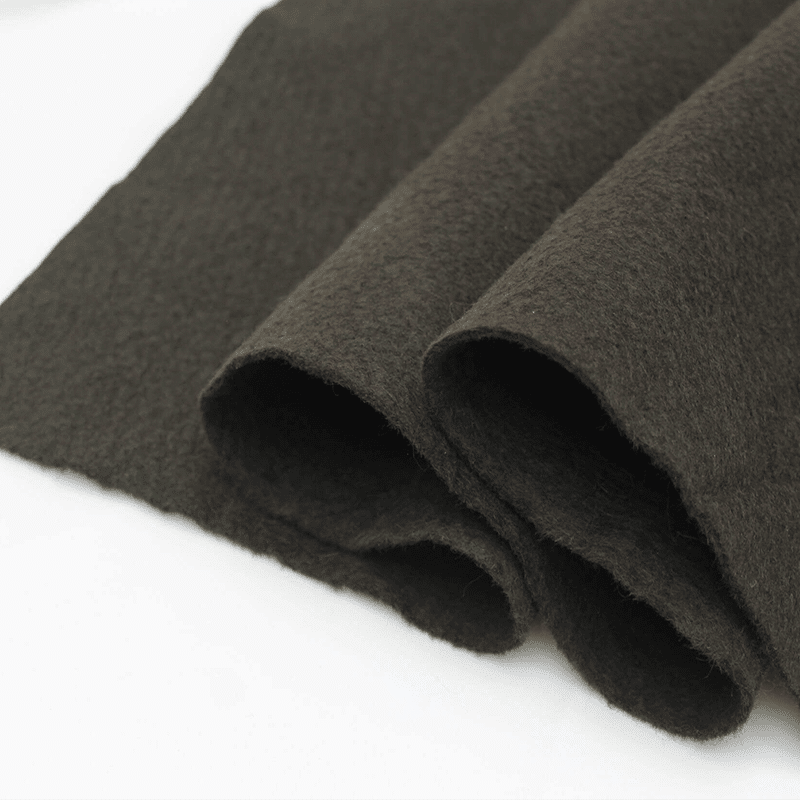
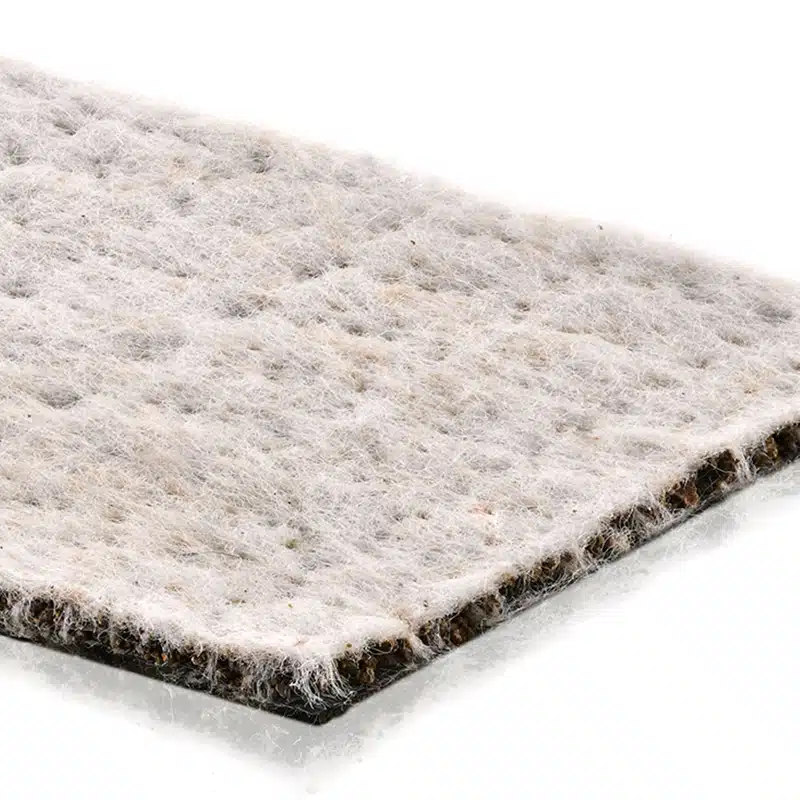
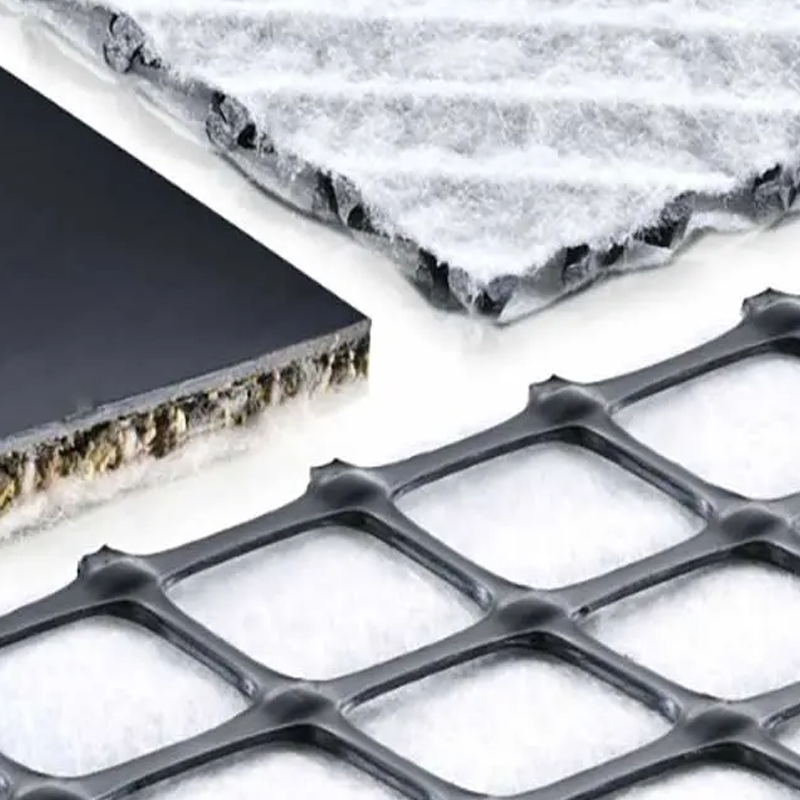
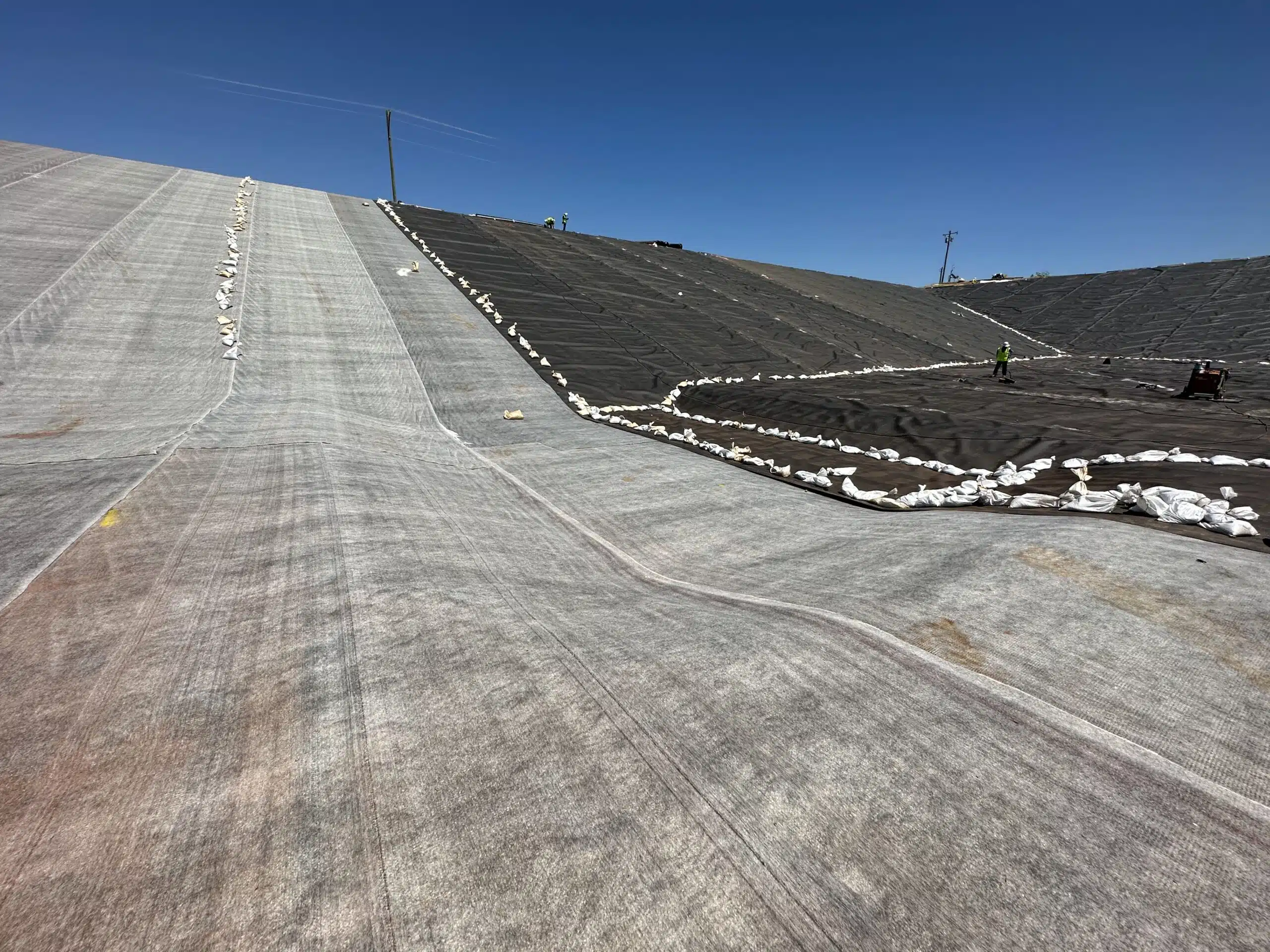
For this reason, geonet geosynthetics with geotextile filtration are commonly used to form drainage geocomposites. The geotextile acts as a filter, allowing water to enter the drainage core while helping retain surrounding soil particles.
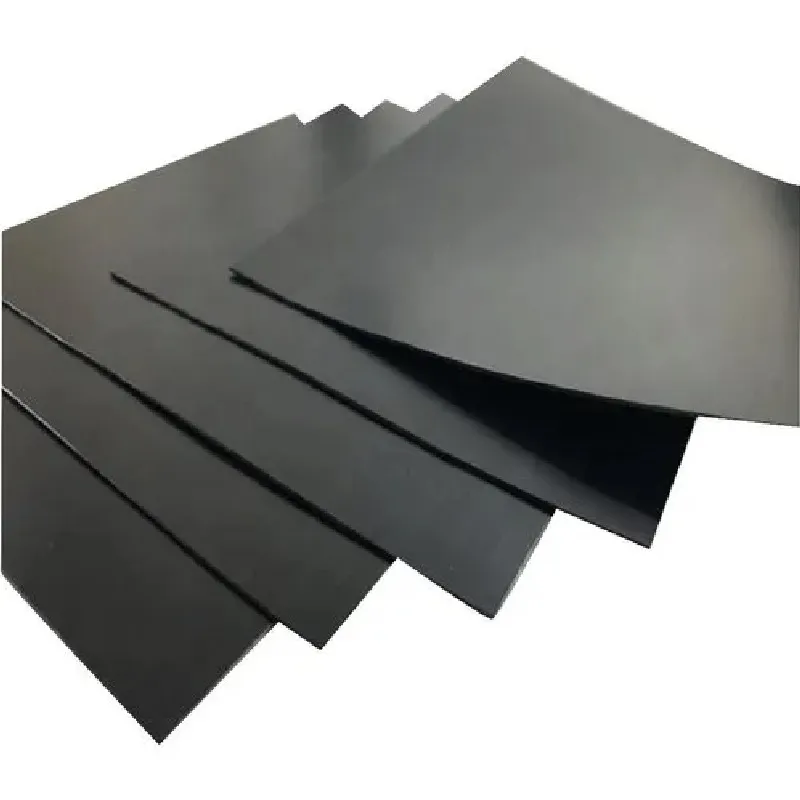
A typical system may consist of soil, a nonwoven geotextile filter, a geonet drainage core, and a geomembrane.
This configuration is widely applicable to landfill liner systems, retaining walls, foundation drainage, and other applications requiring both filtration and in-plane drainage. The appropriate geotextile should also be selected according to soil characteristics and project filtration requirements.
How Can Long-Term Drainage Performance Be Maintained?
Good initial test results do not automatically guarantee long-term performance. Actual site conditions can change how the installed material behaves.
For retaining walls, geonet geosynthetics for retaining wall drainage can provide a continuous pathway for water behind the structure when correctly integrated with filtration and outlet components. Effective drainage helps prevent excessive water accumulation and associated hydrostatic pressure.
During design and installation, attention should be given to long-term compressive behavior, filtration compatibility, overlaps, connections, drainage outlets, and protection against construction damage.
Ultimately, geonet geosynthetics should be selected according to the required hydraulic performance rather than a single physical property. Matching the drainage product to loading, filtration, chemical, and installation conditions provides a more reliable basis for long-term system performance.
Get Free Sample
We’ll respond as soon as possible(within 12 hours)