

+86-159 9860 6917
info@geofantex.com
geofantex@gmail.com
+86-400-8266163-44899
Geogrid reinforcement improves the mechanical performance of soil and aggregate by creating interaction between the geogrid and surrounding fill. It is widely specified for roads, reinforced slopes, retaining structures, working platforms, and other geotechnical projects. For engineers, contractors, and buyers, selecting the right geogrid requires consideration of tensile properties, aperture structure, soil conditions, design loads, and long-term performance. Understanding these factors makes it easier to compare specifications and source a suitable geogrid for a specific project.
What Is Geogrid Reinforcement and How Does It Work?
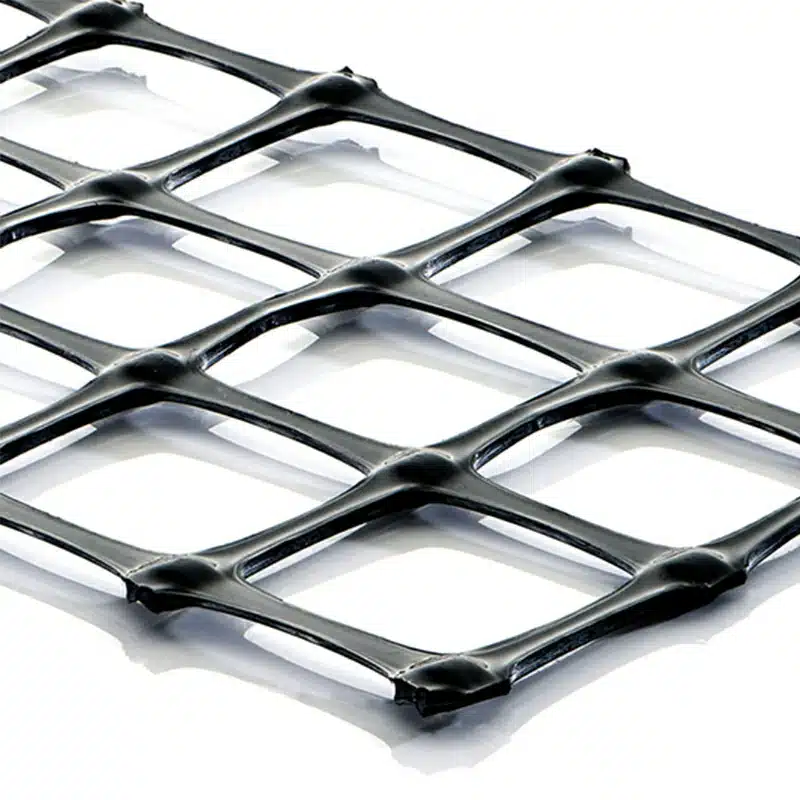
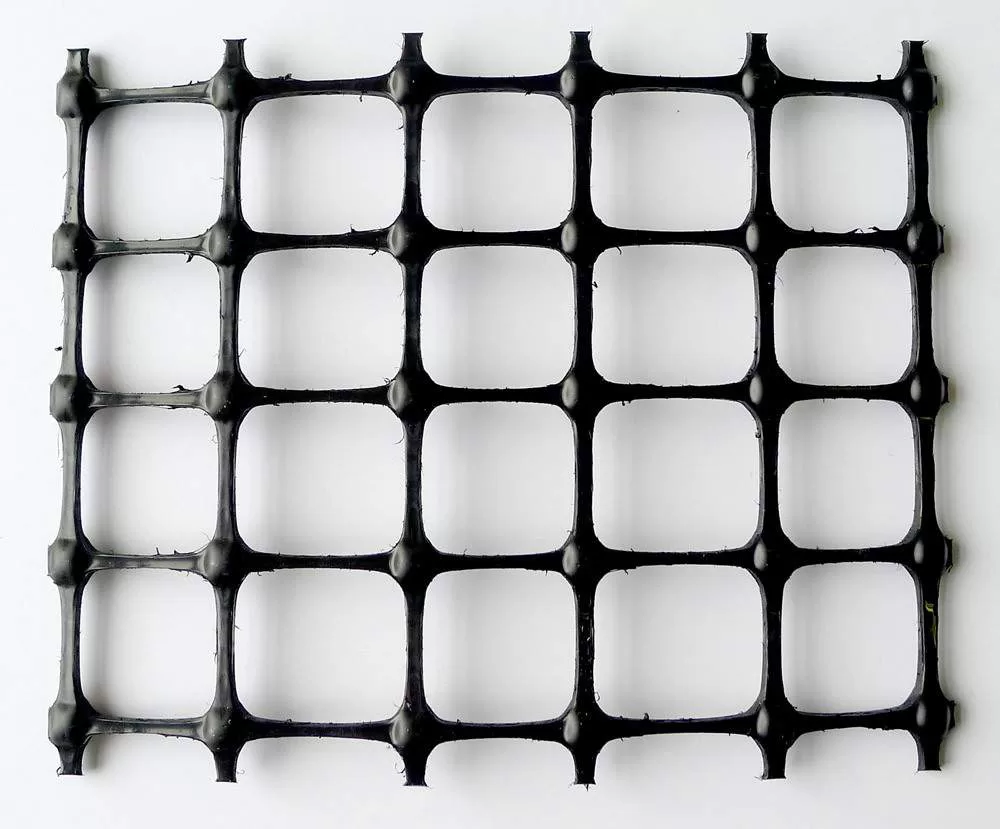
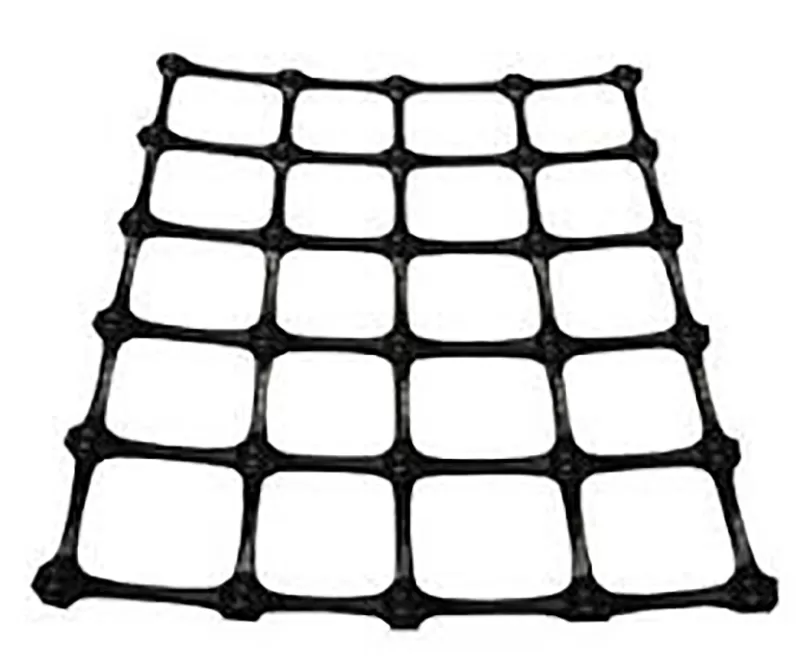
Geogrid reinforcement uses a polymeric grid installed within soil or aggregate to improve the mechanical behavior of the reinforced system. The open apertures allow surrounding particles to interact with the ribs and junctions of the grid. Depending on the material and application, this interaction can provide interlocking, confinement, friction, and tensile resistance.
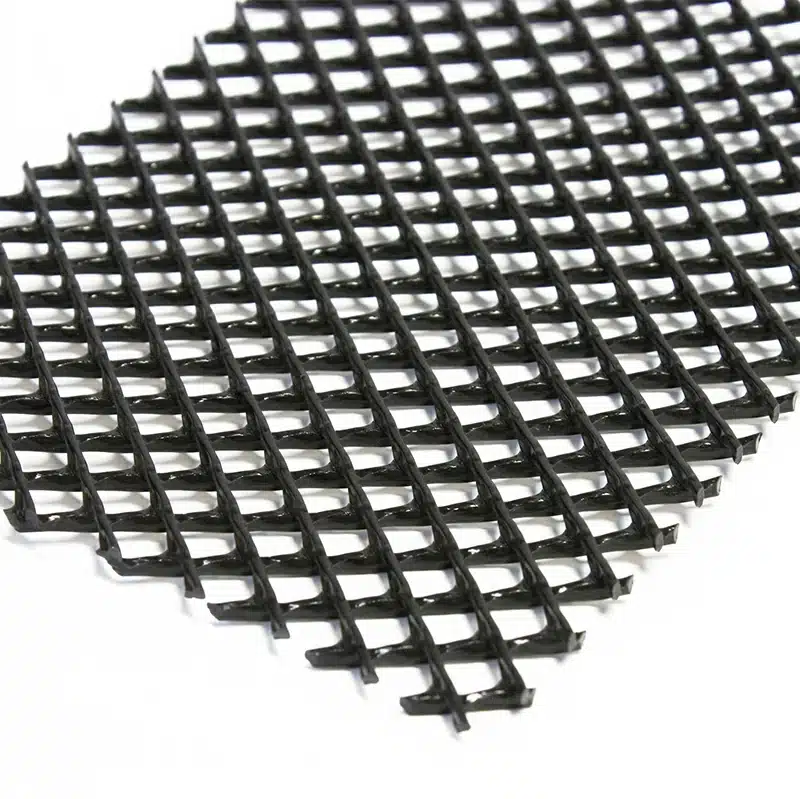
Geogrids are commonly manufactured from polypropylene (PP), high-density polyethylene (HDPE), or polyester (PET). Their structures and strength characteristics vary according to the intended engineering function. Biaxial geogrids provide reinforcement in two principal directions and are frequently used with aggregate in road construction and working platforms. Uniaxial geogrids provide high tensile strength primarily in one direction and are commonly used for reinforced slopes, retaining walls, and mechanically stabilized earth structures.
For project evaluation, understanding geogrid reinforcement for soil structures helps engineers and buyers compare products according to their intended function rather than simply comparing unit weight or nominal tensile strength.
Where Is Geogrid Reinforcement Used?
Geogrid reinforcement is used across transportation, earthworks, slope construction, retaining structures, and industrial infrastructure. Roads and reinforced slopes are two important applications where the interaction between the geogrid and surrounding material can contribute to structural performance.
In road construction, geogrids can be installed within or beneath aggregate layers. The grid interacts with aggregate particles and can help restrict lateral movement and improve load distribution. Applications include highways, access roads, unpaved roads, parking areas, working platforms, and industrial yards. The appropriate design depends on subgrade conditions, aggregate properties, traffic loading, and project requirements.
For slopes, layers of geogrid are installed within compacted fill to create a reinforced soil mass. The tensile capacity of the reinforcement contributes to the stability of the engineered slope. Reinforced soil systems can be used for transportation embankments, infrastructure earthworks, landscape structures, and other projects where slope geometry and soil conditions require additional reinforcement.
Other applications include retaining walls, railway construction, embankments, foundations, and heavy-load areas. Geogrid reinforcement solutions for roads and slopes should always be selected according to the specific structural function and design conditions.
What Are the Benefits of Geogrid Reinforcement?
When properly designed, geogrid reinforcement can improve the performance and efficiency of soil and aggregate structures. One important benefit is improved load distribution. By interacting with aggregate or compacted fill, the grid helps create a more stable reinforced layer and limits unwanted lateral movement.
In suitable road applications, this interaction may allow more efficient use of aggregate and improve performance over weak subgrades. For reinforced slopes and retaining structures, geogrids provide tensile reinforcement within the soil mass, helping the system resist the forces considered in the engineering design.
Geogrids are lightweight and supplied in rolls, which can simplify transportation, handling, and installation compared with some conventional construction materials. Their manufactured properties also allow engineers to specify reinforcement according to defined project requirements.
These advantages depend on correct product selection and system design. Geogrids should therefore not be treated as a universal solution or selected solely because a product has a higher tensile-strength value.
How Do You Select Geogrid Reinforcement for a Project?
Selecting geogrid reinforcement starts with identifying the required engineering function and site conditions. A geogrid used with aggregate in a road base may require different characteristics from one installed in a reinforced slope or retaining structure.
Tensile properties are important, but engineers may also need to evaluate aperture geometry, junction characteristics, polymer type, interaction with the proposed fill, creep behavior, installation damage, environmental durability, and design life. For soil reinforcement geogrids, compatibility between the reinforcement and the surrounding fill is particularly important.
Site-specific factors such as subgrade strength, soil type, aggregate grading, compaction method, drainage, applied loads, and installation conditions should also be considered. The direction of reinforcement must match the structural requirements of the application.
For procurement, comparing only price, unit weight, or headline tensile strength can result in an incomplete assessment. Selecting geogrid reinforcement for engineering projects should combine verified technical properties with drawings, specifications, loading conditions, and intended service life.
Geogrids are widely used to reinforce soil and aggregate in roads, slopes, retaining structures, working platforms, embankments, and other infrastructure projects. Their open grid structure interacts with surrounding materials to provide mechanical reinforcement and support the performance of the engineered system.
Product selection should consider tensile properties, grid structure, soil and aggregate characteristics, loading conditions, durability, installation environment, and project design requirements.
Geofantex manufactures uniaxial and biaxial geogrids for civil and geotechnical applications. Explore geogrid reinforcement products for civil engineering or provide your project specifications, required tensile strength, dimensions, and application details for technical support and quotation.

Get Free Sample
We’ll respond as soon as possible(within 12 hours)