

+86-159 9860 6917
info@geofantex.com
geofantex@gmail.com
+86-400-8266163-44899
Geogrid vs Geofabric helps buyers choose the right solution for soil stabilization, erosion control, and drainage. Before procurement, evaluate site conditions, load requirements, and project goals to ensure optimal material selection, performance, and long-term durability. For guidance on selecting materials, refer to the comprehensive Geogrid vs Geofabric comparison for civil engineering projects.
What Is Geogrid, and How Does It Work?
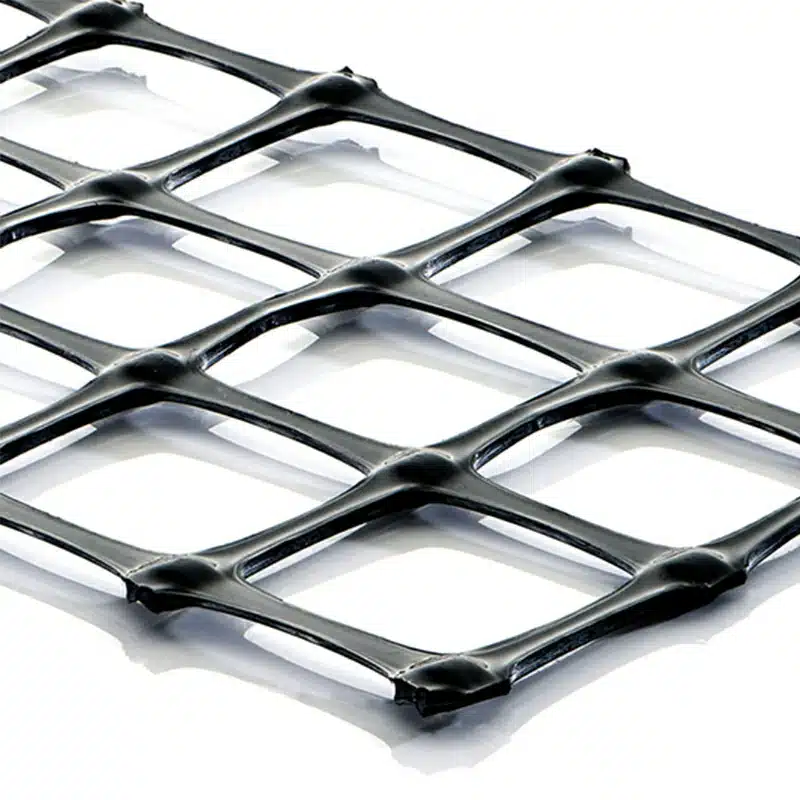
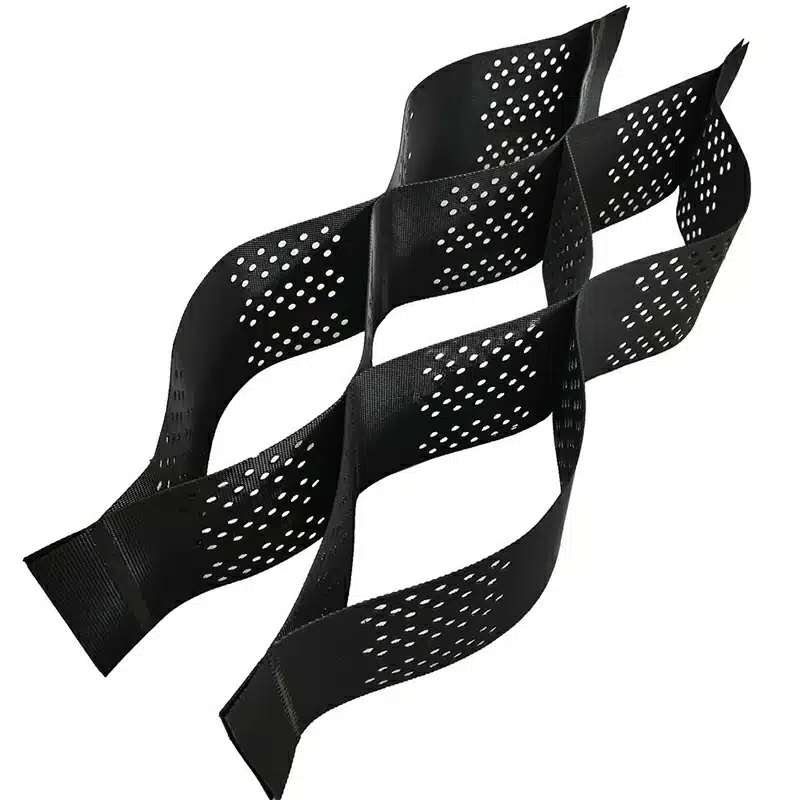
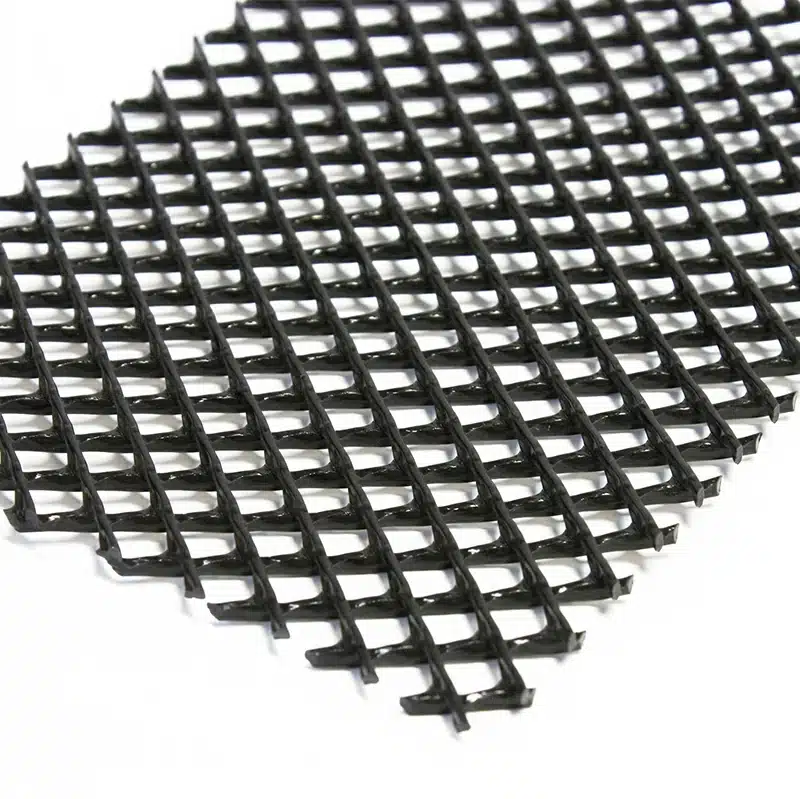
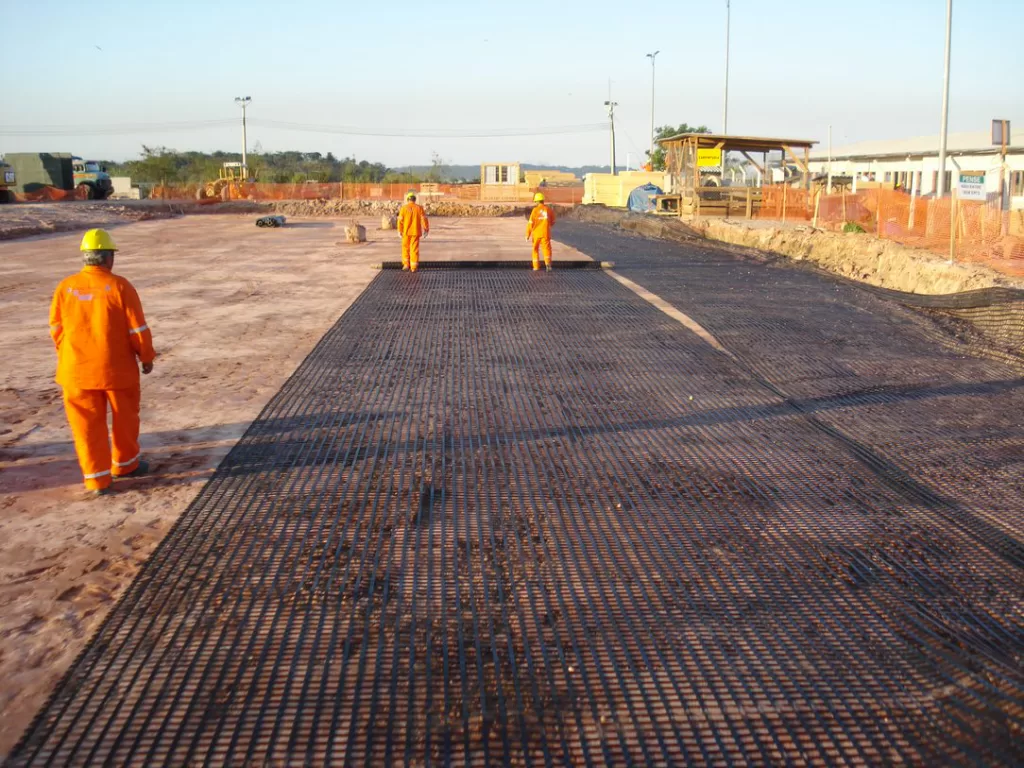
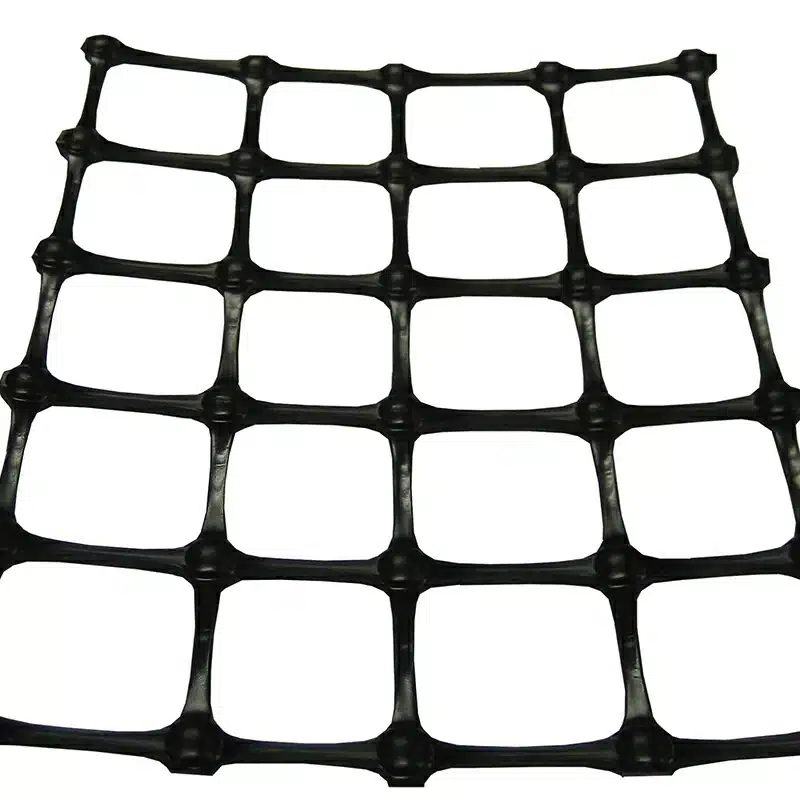
Geogrid is a geosynthetic material designed to reinforce soil, improve load distribution, and enhance structural stability in civil engineering and construction projects.
Key Functions of Geogrid:
- Reinforcement: The grid structure provides a framework that stabilizes soil and increases shear strength, making it ideal for retaining walls, embankments, and road bases.
- Load Distribution: Spreads applied loads evenly across a larger area, reducing stress on underlying soil and preventing deformation or failure.
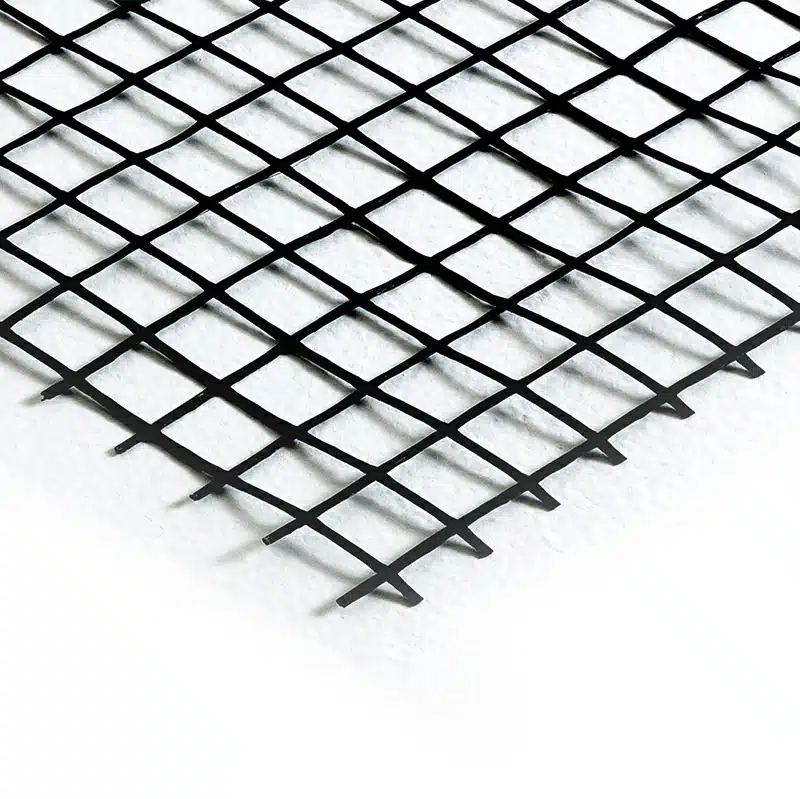
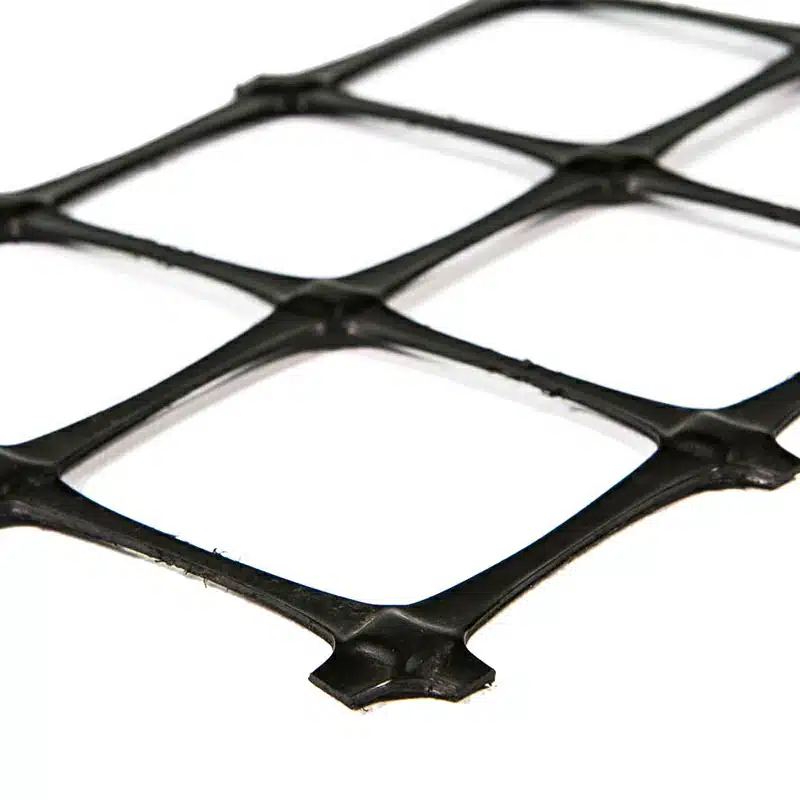
- Soil Interlock: Soil penetrates the open grid apertures, creating mechanical interlock that enhances stability and resists soil movement and erosion.
- Tension Resistance: Highly tensile, geogrids withstand significant pulling forces, preventing stretching or tearing under heavy loads.
- Flexibility and Durability: Conforms to uneven ground contours and differential settlement while remaining resistant to chemical, biological, and environmental degradation.
Geogrids strengthen soil by reinforcing, distributing loads, and improving interlock, making them an essential component for projects requiring enhanced soil stability, erosion resistance, and long-term durability. They are widely used in roads, slopes, embankments, and retaining walls to ensure reliable structural performance.
What is Geofabric, and What Are Its Applications?
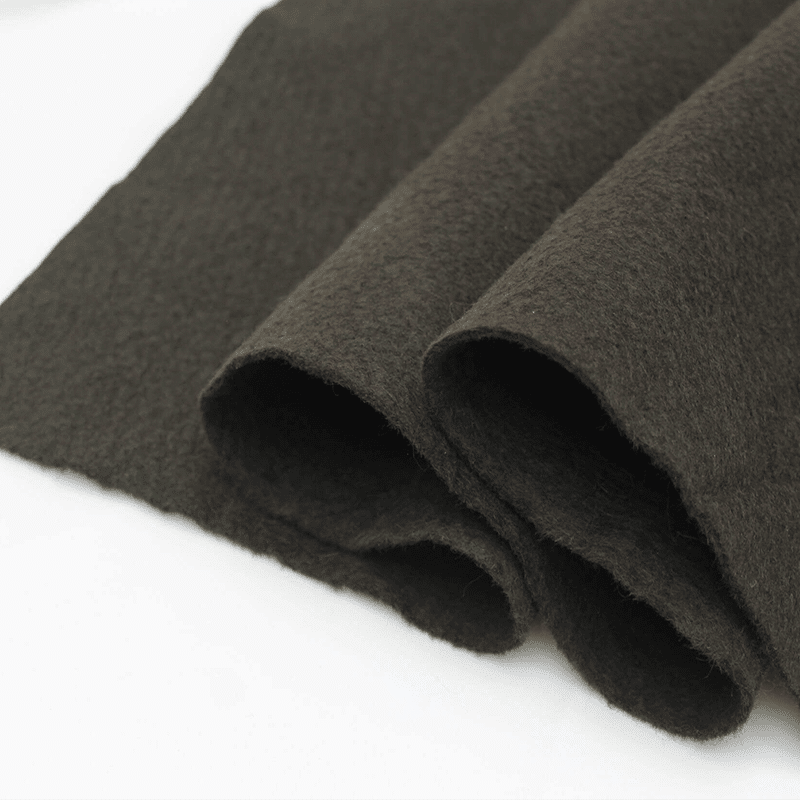
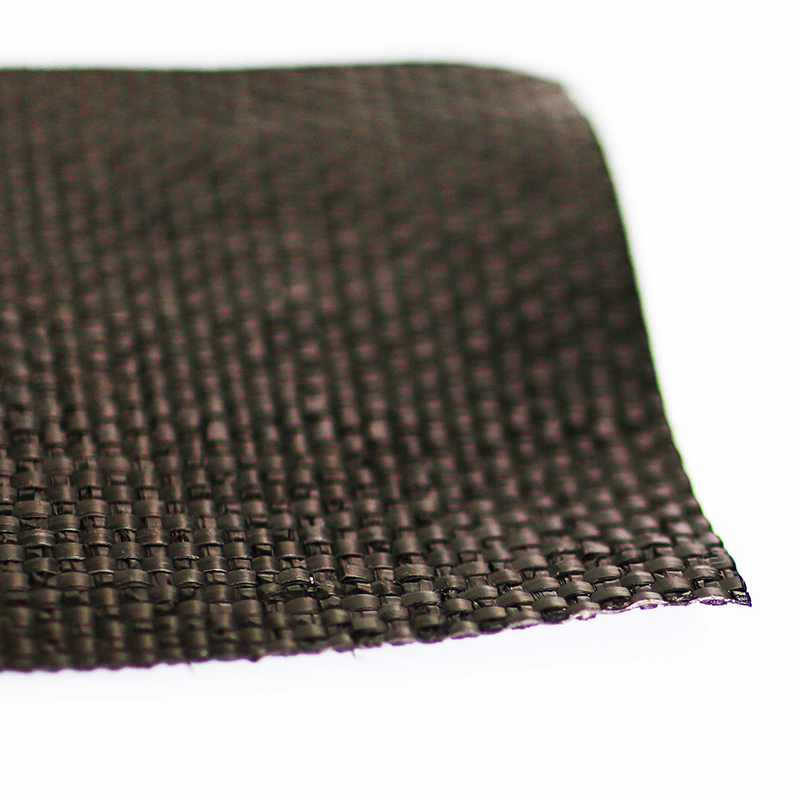
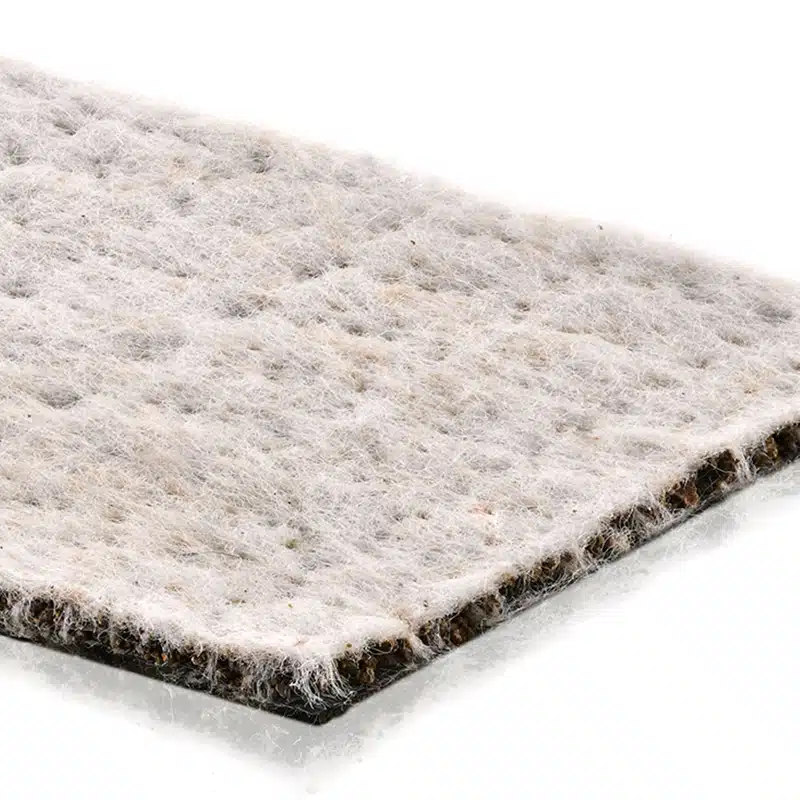
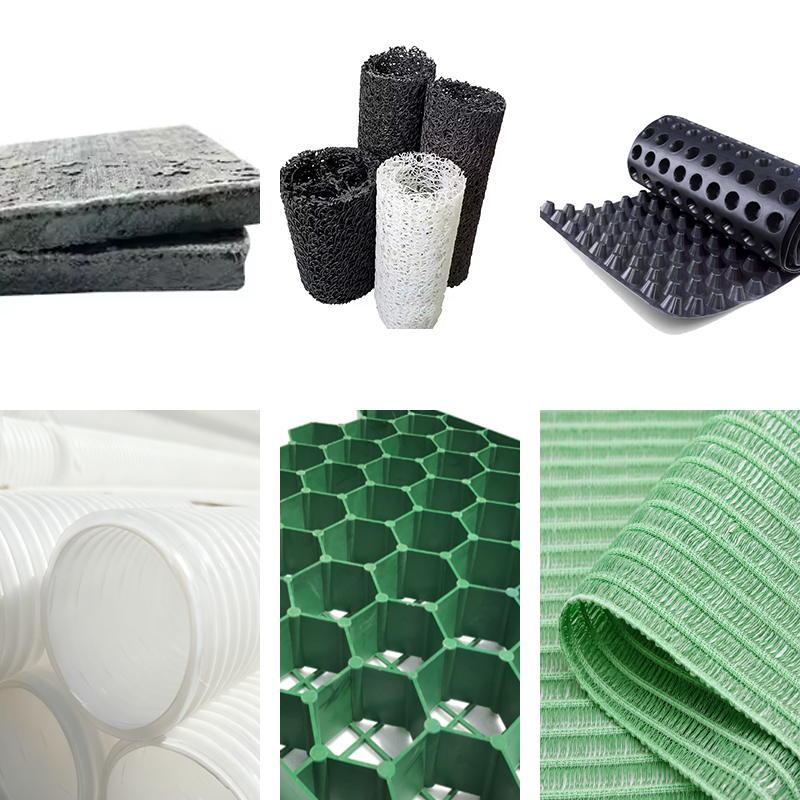
Geofabric, also known as geotextile, is a permeable fabric used in civil engineering and construction, made from synthetic materials like polyester or polypropylene. It comes in two main forms: woven and non-woven, each with specific properties and uses.
Applications of Geofabric:
- Soil Separation: Geofabric is used to separate different layers of soil, gravel, and stones, preventing them from mixing. This separation is crucial in road construction, where it prevents the intermixing of subgrade soil and the gravel base, maintaining the structure’s integrity.
- Erosion Control: It’s used to prevent soil erosion in areas susceptible to water or wind erosion. By covering soil surfaces, geo fabric prevents the displacement of soil particles, thus protecting the landscape and maintaining soil health.
- Drainage: Geofabric aids in drainage by allowing water to pass through while preventing soil erosion. This feature is particularly useful in the construction of retaining walls, drainage ditches, and landscaping to manage water flow and prevent waterlogging.
- Reinforcement: While not as robust as geogrids in terms of load distribution, geofabrics can still provide additional strength to soil, helping to stabilize embankments, slopes, and other earth structures.
- Filtration: In applications like road construction and drainage systems, fabric acts as a filter, allowing water to pass through while preventing soil and other particles from clogging drainage systems.
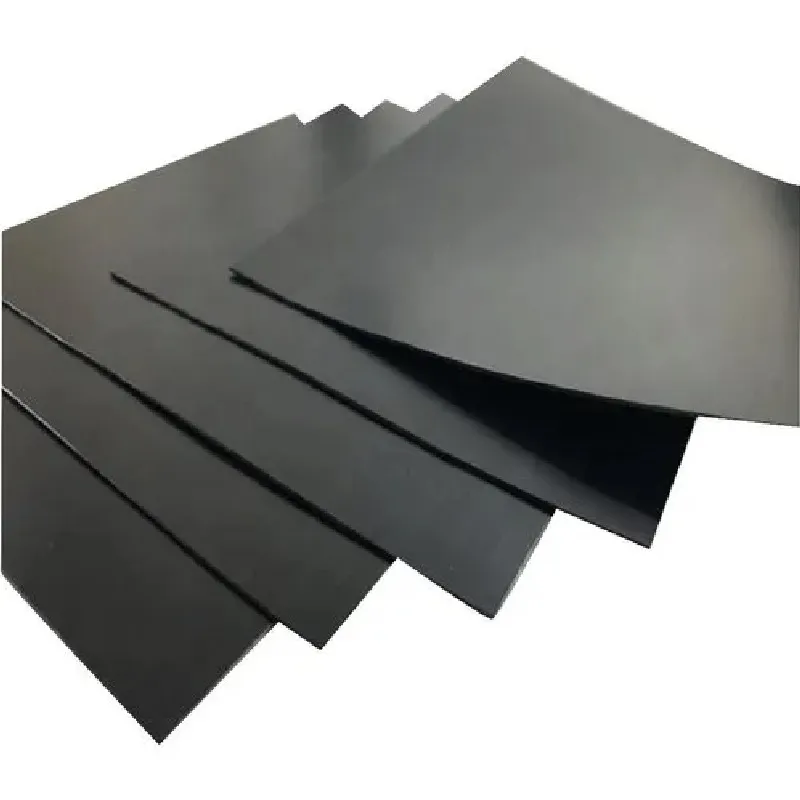
- Protection: It is used to protect geomembranes in landfill and pond lining applications. Geofabric prevents punctures or damage to these liners, ensuring their longevity and effectiveness.
- Landscaping: In landscaping, fabric is used to suppress weeds while allowing water and nutrients to reach plant roots. It’s also used in creating paths and retaining structures within gardens.
In summary, fabric is a versatile material in civil engineering and environmental projects, offering solutions for soil separation, erosion control, drainage, filtration, reinforcement, protection, and landscaping. Its ability to perform multiple functions makes it a valuable component in a wide range of construction and environmental applications.
Differences Between Geofabric and Geogrid?
- Structure: Geofabric is flexible and permeable; geogrid has a rigid open grid.
- Primary Function: Geofabric focuses on separation, drainage, and erosion control; geogrid on reinforcement and load transfer.
- Load Capacity: Geofabric provides limited tensile support; geogrid offers high tensile strength.
- Soil Interaction: Geofabric allows water flow; geogrid relies on mechanical interlock.
- Applications: Geofabric in road subgrades, drainage, erosion control; geogrid in road bases, retaining walls, slopes.
Choose Geofabric when water management is critical; choose Geogrid when structural stability is required. For detailed design guidance, consult the best practices for Geogrid vs Geofabric installation in layered systems.
Using Geogrid and Geofabric Together?
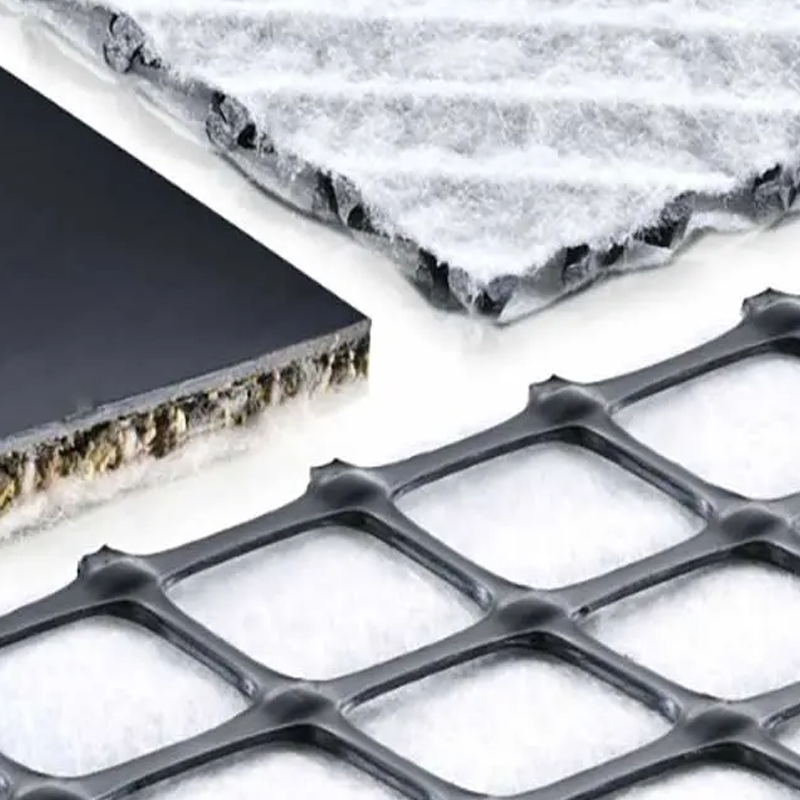
Combining geogrid and fabric can enhance performance:
- Layered Systems: Fabric as a base layer for separation/filtration; geogrid above for reinforcement.
- Slope Stabilization & Erosion Control: Fabric prevents erosion; geogrid provides stability.
- Retaining Walls & Drainage: Fabric for drainage and hydrostatic pressure relief; geogrid for reinforcement.
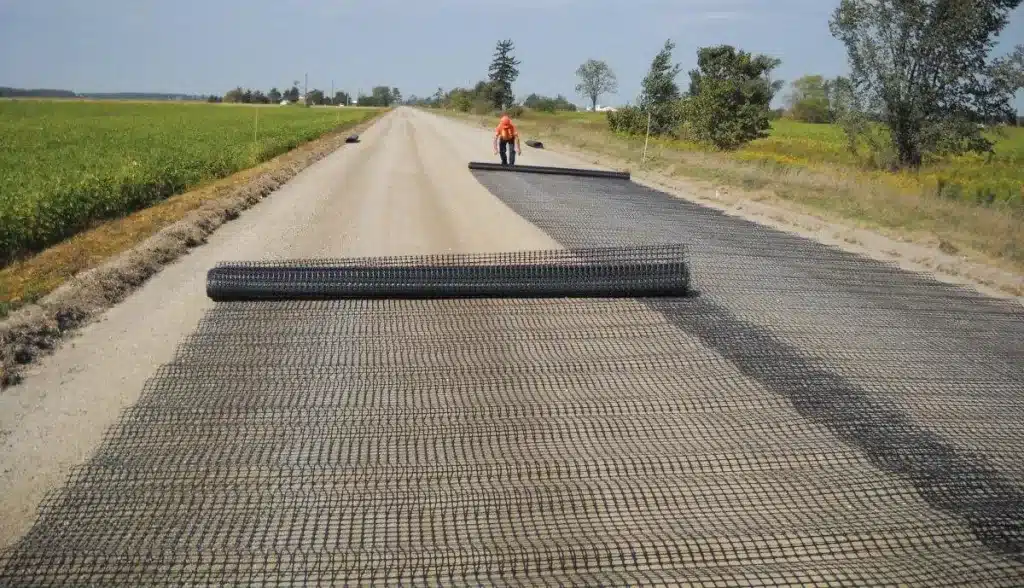
- Pavement Construction: Fabric as separator/filter; geogrid reinforces base/sub-base, improving load capacity.
Proper overlap, anchoring, and layering are crucial. Consulting a civil engineer ensures both materials function optimally.
For comprehensive guidance, see Geogrid vs Geofabric selection and combined usage strategies for civil and environmental engineering.
In conclusion, the choice between Geogrid and Geofabric depends on the specific requirements of your project. Geogrids offer structural support and load distribution, while Geofabrics excel in erosion control and soil preservation. Analyzing your site conditions and design goals will help you make an informed decision, ensuring the success of your soil stabilization and erosion control project.
Get Free Sample
We’ll respond as soon as possible(within 12 hours)