

+86-159 9860 6917
info@geofantex.com
geofantex@gmail.com
+86-400-8266163-44899
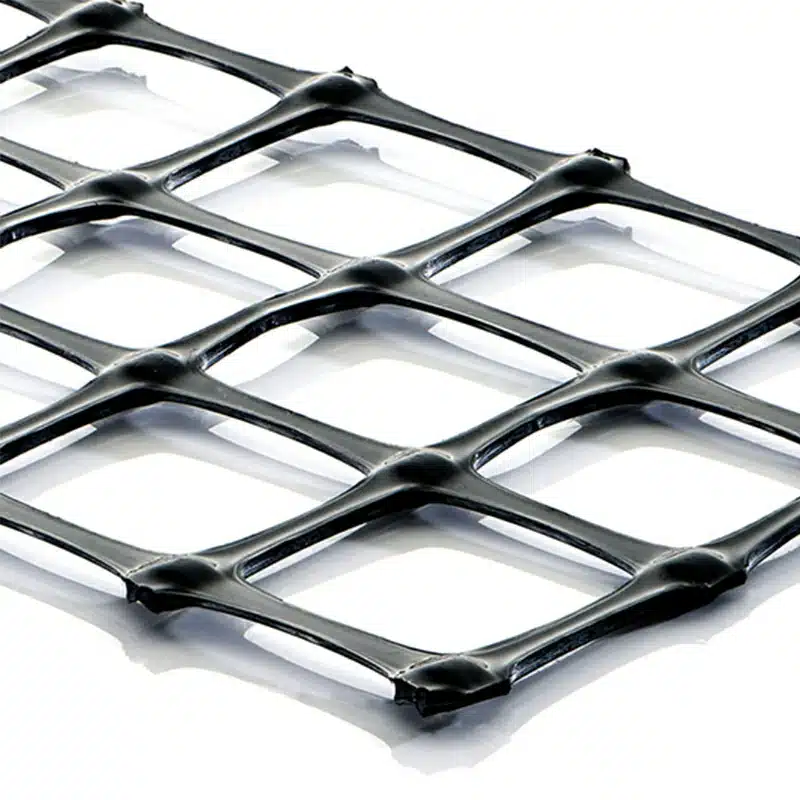
Retaining wall geogrid provides tensile reinforcement for retaining walls, reinforced slopes, and other earth-retention structures. For contractors, distributors, and engineering buyers, choosing the correct geogrid strength, roll size, and reinforcement configuration is essential for achieving reliable performance while controlling material and construction costs.
How Does Retaining Wall Geogrid Reinforce Soil?
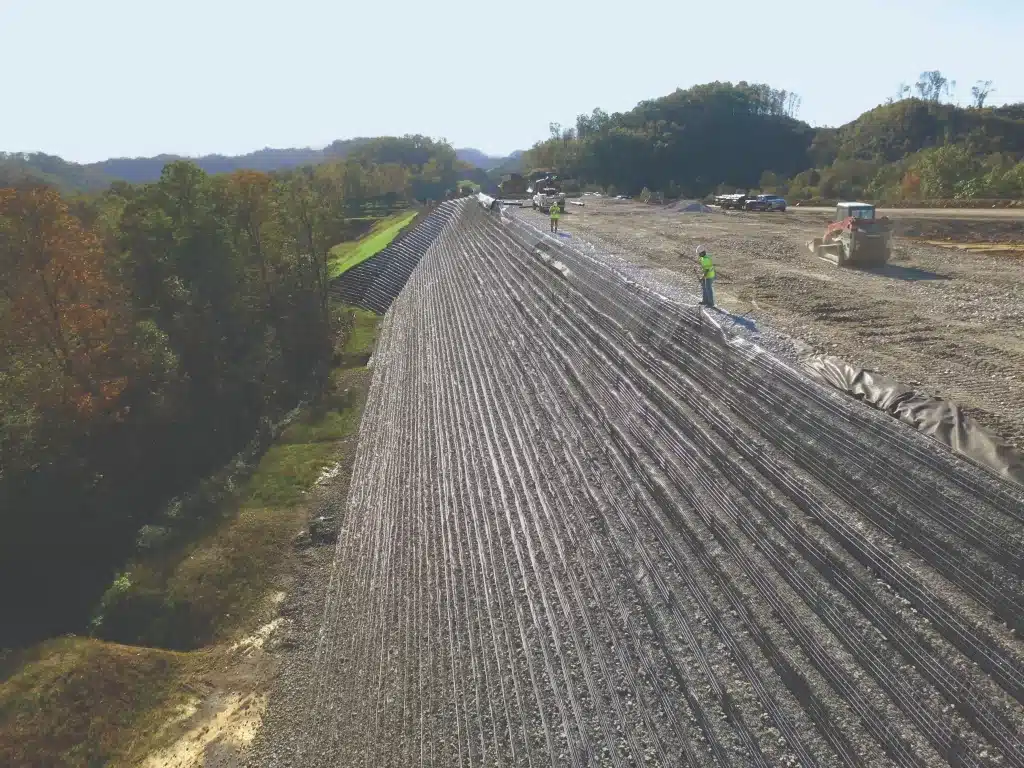
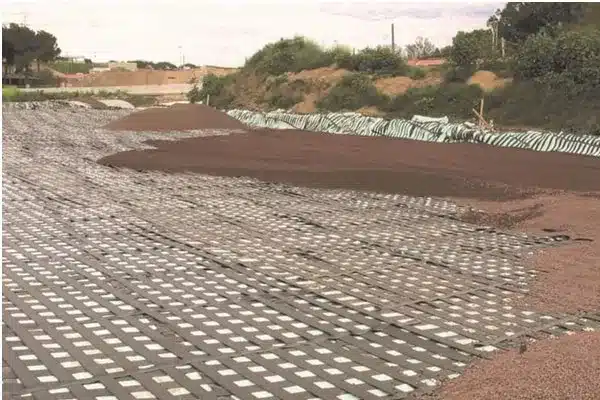
Geogrid is installed horizontally in compacted fill behind the wall facing. Its grid structure interacts with surrounding soil and aggregate, allowing tensile forces to be transferred into the reinforcement. This interaction helps create a reinforced soil mass capable of resisting lateral earth pressure and reducing excessive deformation.
A typical reinforced retaining wall consists of facing units, compacted backfill, geogrid reinforcement, foundation preparation, and drainage components. Depending on the project, the facing may consist of concrete blocks, precast panels, welded wire systems, or other engineered solutions.
For buyers comparing reinforcement options, retaining wall geogrid reinforcement solutions can be evaluated according to tensile strength, reinforcement length, soil conditions, wall geometry, surcharge loads, and required design life.
Where Is Retaining Wall Geogrid Used?
Retaining wall geogrid is suitable for a broad range of civil engineering and geotechnical projects where soil requires additional tensile reinforcement.
Common applications include:
- Segmental block retaining walls
- Highway and railway retaining structures
- Reinforced embankments
- Bridge approaches and abutments
- Industrial and commercial developments
- Steep reinforced slopes
- Road widening projects
- Temporary earth-retention structures
Geogrid reinforcement can be particularly useful when a project requires steep grade changes or additional usable land. Reinforced-soil systems may also reduce dependence on massive conventional concrete structures, depending on engineering and site requirements.
For slope applications, retaining wall geogrid for reinforced slopes provides buyers with a practical reinforcement option for improving soil stability while allowing engineers to adapt the system to site geometry and project loads.
How to Select Geogrid for a Retaining Wall
The appropriate geogrid should be selected according to engineering design rather than price per square meter alone. Different wall heights and loading conditions can require substantially different reinforcement properties.
Important purchasing parameters include tensile strength, polymer type, roll dimensions, reinforcement spacing, connection requirements, backfill properties, design life, and applicable project standards.
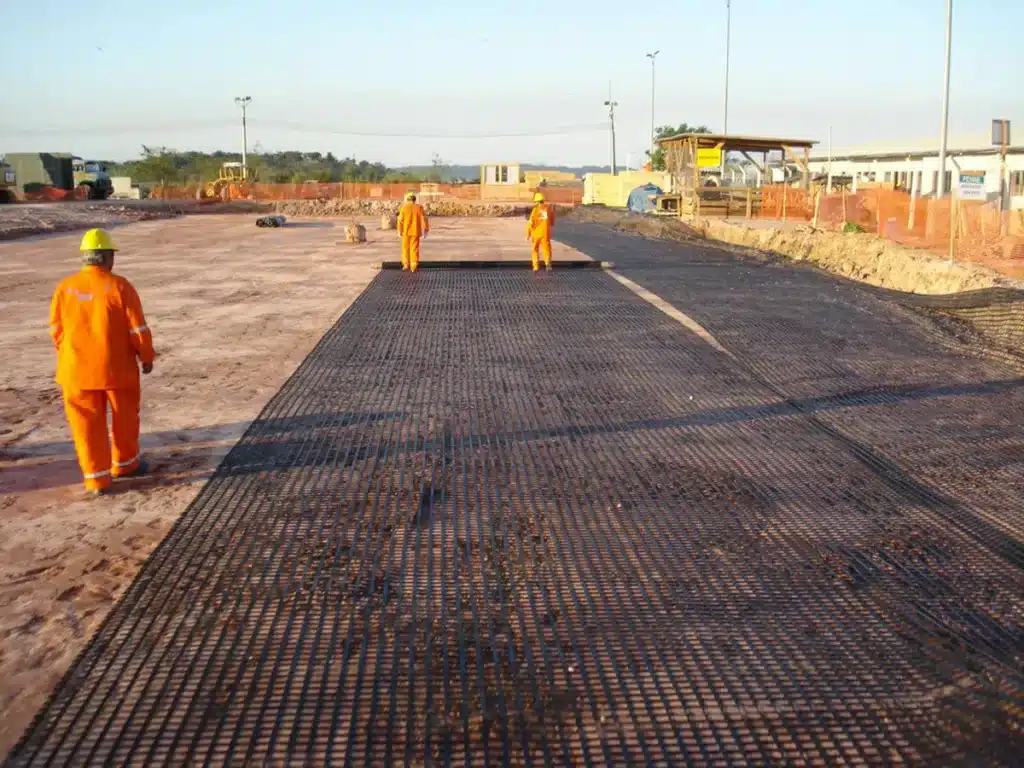
Uniaxial geogrids are commonly considered for reinforced-soil walls because their primary tensile capacity is concentrated in the reinforcement direction. However, the final specification should always correspond to the structural design and actual site conditions.
When requesting a quotation, providing wall drawings, required tensile strength, wall height, total reinforcement area, project location, and technical specifications helps suppliers identify a more appropriate product.
What Information Is Needed for a Retaining Wall Geogrid Quote?
A clear RFQ reduces specification errors and allows the manufacturer to provide more accurate pricing and delivery information.
Before contacting a supplier, prepare:
- Required tensile strength
- Total quantity in m²
- Preferred roll width and length
- Wall height and total length
- Reinforcement drawings or BOQ
- Backfill and soil information
- Required standards or test methods
- Destination port or delivery location
- Required delivery schedule
If the exact product grade has not yet been determined, sending the available project specifications allows Geofantex to review the material requirements before quotation.
Buyers can also discuss retaining wall geogrid specifications and factory supply when comparing strength grades, customized roll dimensions, packaging, production quantities, and export requirements.
Why Source Geogrid from Geofantex?
Geofantex manufactures and supplies geosynthetic materials for infrastructure, earthwork, drainage, and soil reinforcement projects. Our product range includes geogrids, geotextiles, geomembranes, geocells, drainage products, and geocomposites.
For retaining wall projects, different geogrid specifications can be supplied according to purchasing and technical requirements. Customized roll dimensions and packaging options are also available for bulk orders and international transportation.
For project buyers, the objective is not simply to find the lowest unit price. Product suitability, consistent specifications, manufacturing capability, documentation, packaging, and logistics should all be considered when calculating total procurement value.
Send Geofantex your project drawings, required tensile strength, quantity, roll dimensions, and destination. Our team can review your requirements and prepare a suitable product recommendation and commercial quotation.
Get Free Sample
We’ll respond as soon as possible(within 12 hours)