

+86-159 9860 6917
info@geofantex.com
geofantex@gmail.com
+86-400-8266163-44899
Geosynthetic Tensile Strength is a key specification when sourcing geotextiles, geogrids, and other geosynthetic materials for civil engineering projects. Choosing the correct tensile strength ensures reliable soil reinforcement, long-term structural stability, and compliance with project requirements while optimizing overall procurement costs.
What Is the Tensile Strength of Geosynthetics and Why It Matters in Civil Engineering?
- efinition: Tensile strength measures a geosynthetic material’s ability to resist tension without breaking.
- Soil Reinforcement: High-tensile-strength geosynthetics distribute loads evenly, preventing settlement and slippage in roads, embankments, and slopes.
- Stability and Durability: Strong materials maintain structural integrity under prolonged tension, ensuring long-term performance of retaining walls, pavements, and embankments.
- Erosion Control: Adequate tensile strength helps geotextiles withstand water and wind pressures, keeping soil in place.
- Material Selection: Engineers use tensile properties—ultimate strength, yield strength, and breaking strength—to choose geosynthetics suited for project loads and environmental conditions.
- Standards Compliance: ASTM tests (e.g., ASTM D4595, ASTM D5035) ensure materials meet performance and safety requirements for civil and environmental applications.
Tensile strength is critical for geosynthetic performance, durability, and reliability. Selecting the right tensile properties ensures safe, sustainable, and long-lasting civil engineering structures.

How Tensile Strength Impacts Geosynthetic Performance?
Tensile strength is a critical factor that determines how a geosynthetic can withstand loads without breaking, directly influencing its performance in civil engineering projects. Key impacts include:
- Soil reinforcement: High-tensile-strength materials distribute loads evenly, preventing settlement and slippage in roads, embankments, and slopes.
- Stability and durability: Strong geosynthetics maintain integrity under prolonged tension, ensuring structures like retaining walls and pavements function effectively for decades.
- Erosion control: Adequate tensile strength allows geotextiles to withstand water and wind pressures, keeping soil in place and reducing surface erosion.
- Material selection: Understanding tensile properties—ultimate strength, yield strength, and breaking strength—helps engineers choose geosynthetics suitable for the project’s loads and environmental conditions.
- Standards compliance: ASTM testing ensures consistent results, confirming that geosynthetics meet performance and safety requirements for civil and environmental works.
Tensile strength not only determines a geosynthetic’s ability to resist forces but also ensures the durability, stability, and effectiveness of the structures where it is applied. Selecting the right strength is key for safe and sustainable projects.
Which Fibers Offer the Highest Tensile Strength for Geosynthetics in Civil Engineering?
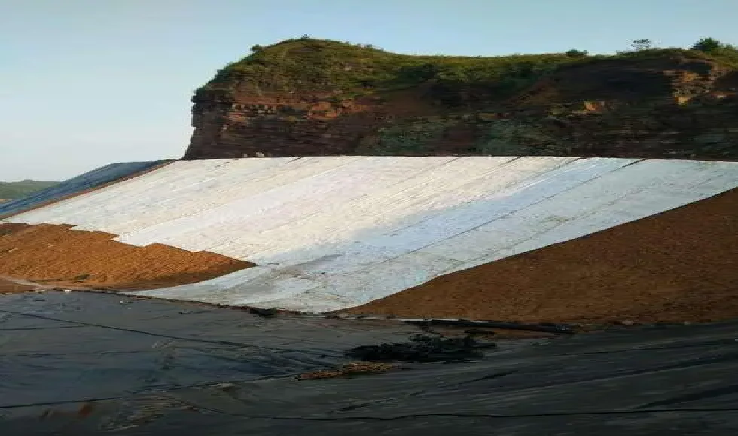
UHMWPE (Ultra-High-Molecular-Weight Polyethylene): Provides extremely high tensile strength, low weight, and excellent resistance to chemicals and environmental degradation, making it ideal for heavy-load soil reinforcement and high-performance geosynthetic applications.
- Aramid Fibers (e.g., Kevlar): Offer very high tensile strength combined with outstanding thermal stability and fatigue resistance, commonly used in demanding reinforcement and structural geosynthetic systems.
- Carbon Fibers: Deliver exceptional tensile strength and stiffness, suitable for specialized geosynthetics where high load capacity and minimal deformation are required.
- Graphene: Exhibits theoretical tensile strengths among the highest known, providing extraordinary strength with minimal weight, although its use in geosynthetics is still in early development stages.
Traditional Polymers (HDPE and Polypropylene): Have lower tensile strength compared to advanced fibers but remain widely used due to their durability, cost efficiency, ease of manufacturing, and suitability for standard civil engineering applications.
How Is Tensile Strength Measured in Geosynthetics?
Tensile strength in geosynthetics is measured using standardized laboratory tests designed to evaluate how a material responds to tensile loading under controlled conditions. These tests provide critical data for design, quality control, and compliance with engineering specifications.
Key test methods include:
- Wide-Width Tensile Test (ASTM D4595): This is the most widely used method for geotextiles and geogrids. It measures tensile strength, elongation, and load–strain behavior across a wide specimen, closely simulating field stress conditions in soil reinforcement applications.
- Grab Tensile Test (ASTM D5035): This method evaluates the breaking force of a smaller fabric sample. While useful for quality control and comparative purposes, it is less representative of in-service performance than wide-width testing.
- Strip Tensile Test: Measures tensile strength and elongation using narrow strips. It is commonly applied to coated or laminated geosynthetics where wide-width testing may not be suitable.
- Yarn or Fiber Tensile Testing: Used for high-performance materials such as UHMWPE or aramid fibers, this test assesses the tensile properties of individual yarns or filaments before they are formed into geosynthetic products.
- Elongation and Load–Strain Analysis: Tensile testing also records elongation at specific loads and at break, providing insight into material stiffness, ductility, and reinforcement behavior.
These standardized tensile tests ensure that geosynthetics meet design requirements, safety factors, and long-term performance expectations in applications such as soil stabilization, slope reinforcement, erosion control, and pavement construction. Accurate tensile strength measurement is essential for selecting the right geosynthetic for each engineering project.
Geosynthetic tensile strength is a fundamental property that influences the performance and reliability of materials like geotextiles in various civil engineering applications. Understanding tensile strength, the types of tensile properties, and the relevant ASTM standards is essential for selecting the right geosynthetic material for specific projects. By ensuring high tensile strength, engineers can create more durable and resilient structures, whether they are reinforcing soils, controlling erosion, or constructing roadways.


Get Free Sample
We’ll respond as soon as possible(within 12 hours)