

+86-159 9860 6917
info@geofantex.com
geofantex@gmail.com
+86-400-8266163-44899
In the world of water management and environmental engineering, Geonet water flow plays a crucial role in ensuring effective drainage and water distribution systems. Whether you’re designing a stormwater management plan or dealing with agricultural irrigation, understanding how Geonet water flow works can greatly enhance the performance and longevity of your system. In this article, we will explore some common questions and solutions related to Geonet water flow.
What Is Geonet Water Flow and How Does It Work?
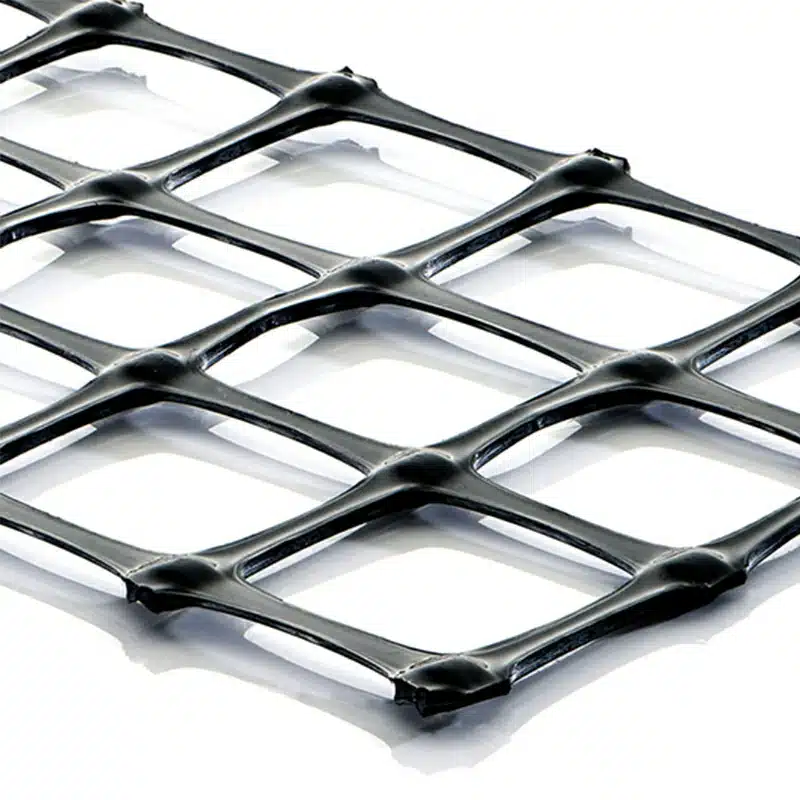
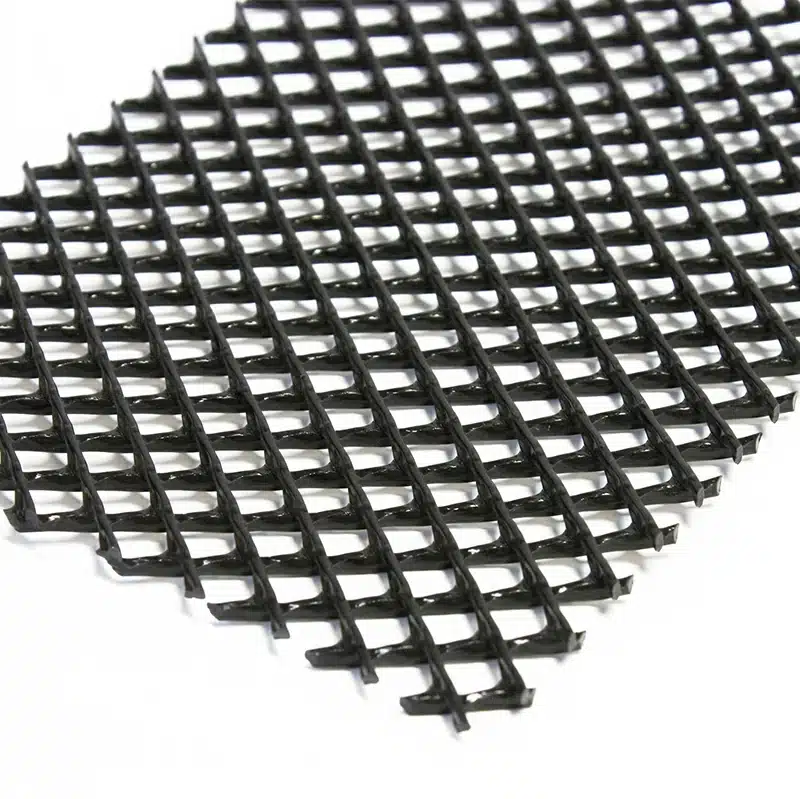
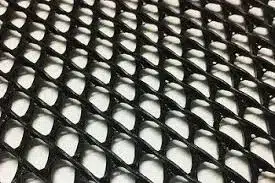
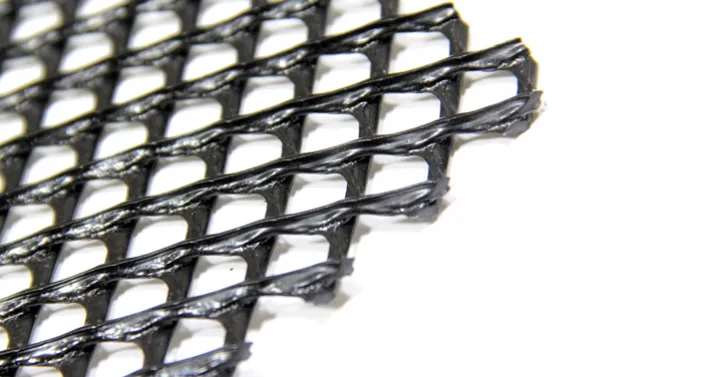
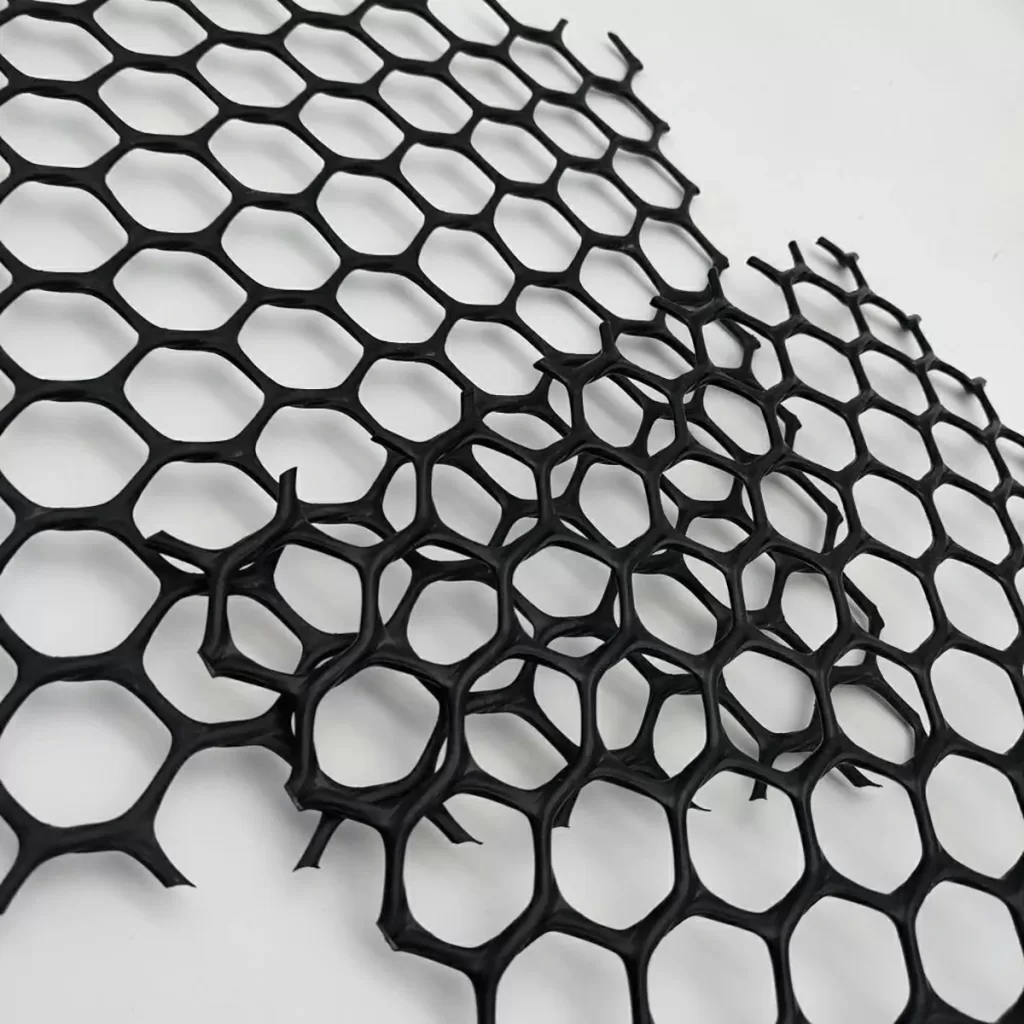
Geonet water flow refers to the controlled movement of water through a geonet, a synthetic drainage material typically made from high-density polyethylene (HDPE). Geonets feature a three-dimensional structure formed by intersecting ribs, creating continuous channels for efficient water conveyance.
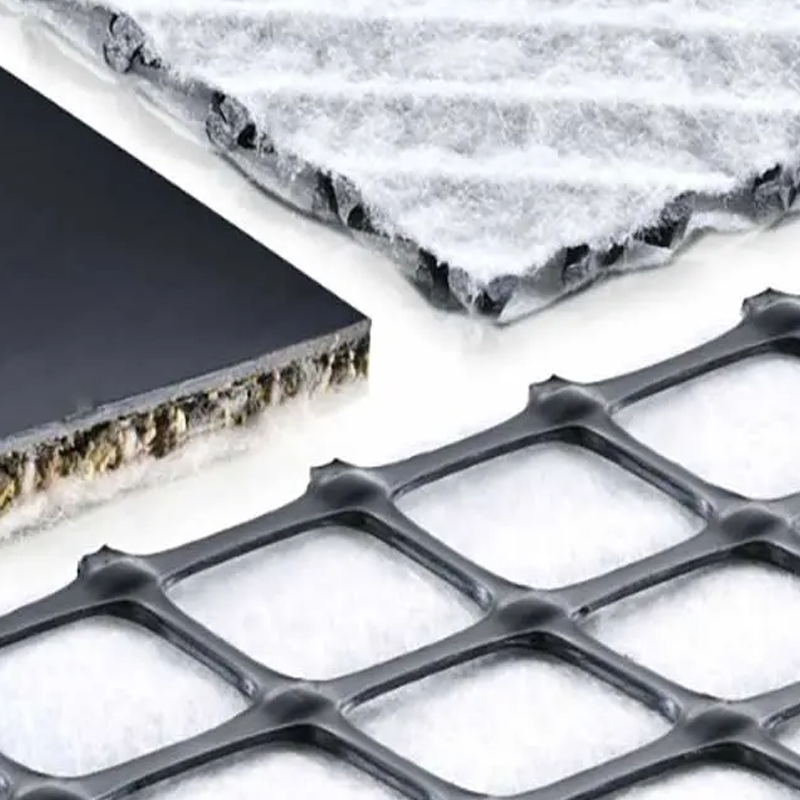
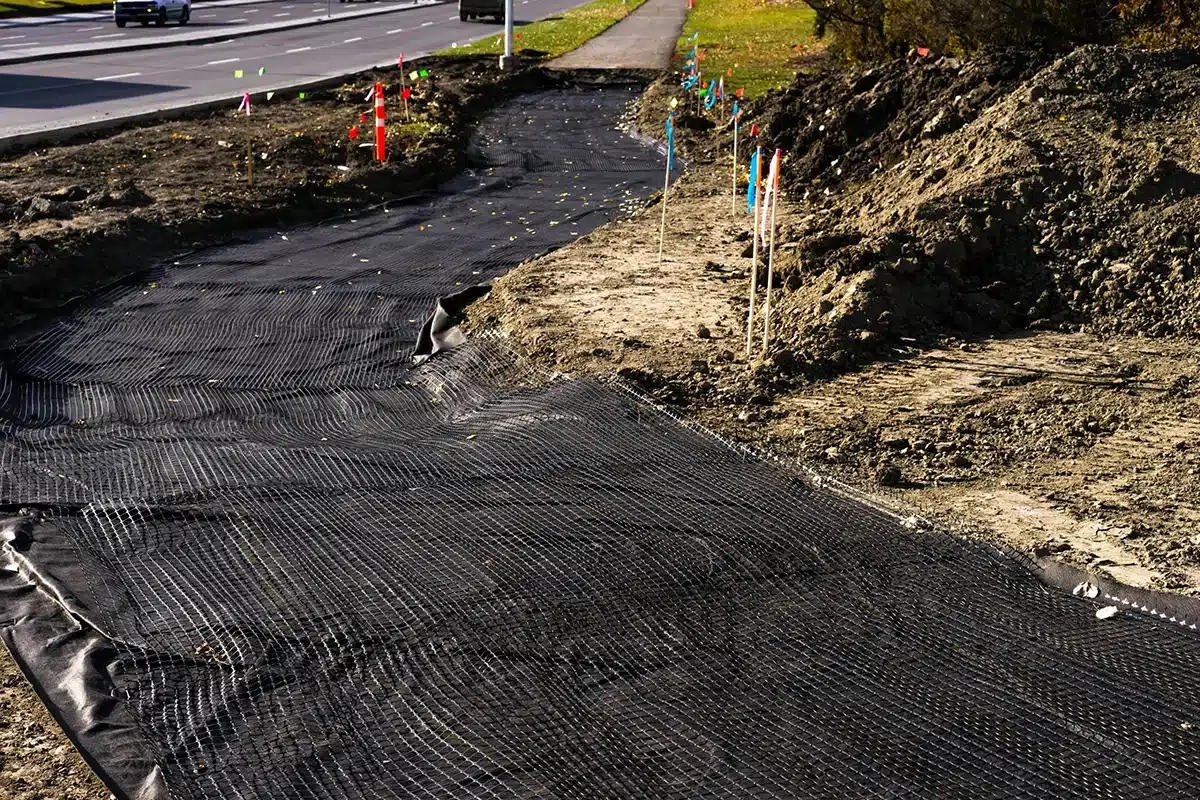
- Water Collection: The geonet is installed between soil layers or combined with geotextiles to capture infiltrating groundwater or surface runoff.
- Horizontal Flow Control: Its open, ribbed structure allows water to flow laterally, helping relieve hydrostatic pressure and protect surrounding structures.
- Directed Drainage: Collected water is guided toward designated outlets or drainage systems, preventing water accumulation and improving long-term stability.
How does Geonet water flow improve drainage systems?
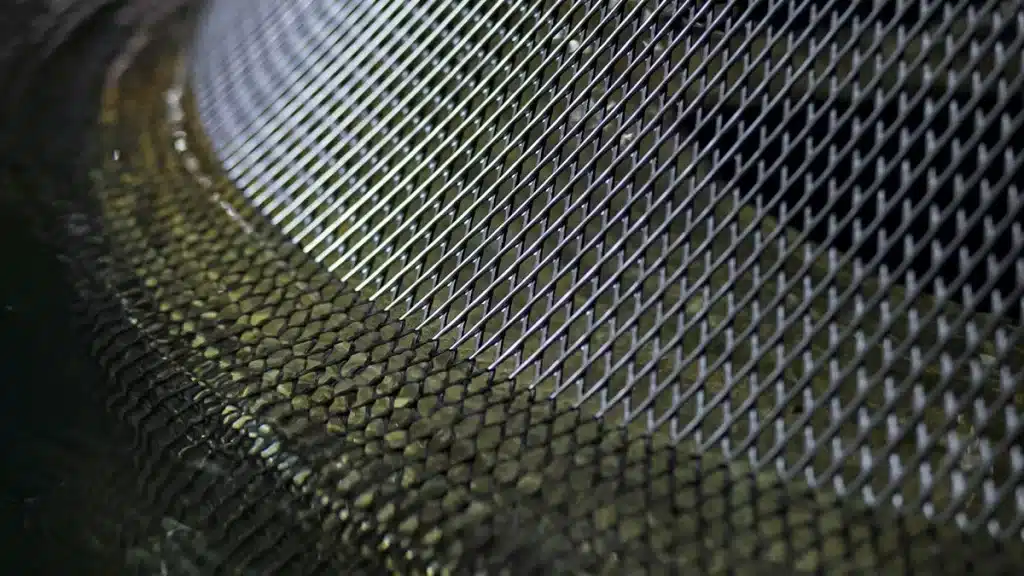
One of the main benefits of Geonet water flow is its ability to enhance the performance of drainage systems. Traditional drainage methods often face challenges with clogging and slow water movement due to sediment accumulation. Geonets, however, create a pathway for water to flow freely, preventing blockages and allowing for faster drainage. The unique structure of geonets also provides a high void ratio, meaning that they can accommodate large volumes of water without compromising their integrity. This is especially important in areas with heavy rainfall or where water runoff is a significant concern.
Can Geonet water flow be used for stormwater management?
Yes,Geonet water flow is an excellent solution for stormwater management. In stormwater management systems, controlling the flow of water is essential to prevent flooding and soil erosion. Geonets help to direct excess water away from vulnerable areas by providing efficient water drainage channels. They are often used in combination with other stormwater management practices such as detention basins, swales, or permeable pavements to enhance water flow and reduce the risk of flooding. The durable nature of geonets ensures long-term performance, even under harsh environmental conditions.
What are the advantages of using Geonet water flow in construction projects?
In construction projects, especially those involving large-scale landscaping or infrastructure development, Geonet water flow offers several advantages. First, it reduces the need for frequent maintenance, as the materials are designed to withstand the test of time and adverse weather conditions. Second, it helps prevent soil erosion by controlling water flow in areas that are prone to runoff. Finally, geonets contribute to more sustainable practices by improving water management efficiency and reducing the environmental impact of stormwater runoff. Overall, geonets offer a cost-effective, reliable solution for managing water in construction and landscaping projects.
By understanding these fundamental aspects of Geonet water flow, engineers, contractors, and environmental professionals can make informed decisions about incorporating this innovative technology into their projects. Whether you’re dealing with drainage issues, stormwater management, or erosion control, geonets provide a reliable, efficient solution for effective water management.
Get Free Sample
We’ll respond as soon as possible(within 12 hours)