

+86-159 9860 6917
info@geofantex.com
geofantex@gmail.com
+86-400-8266163-44899
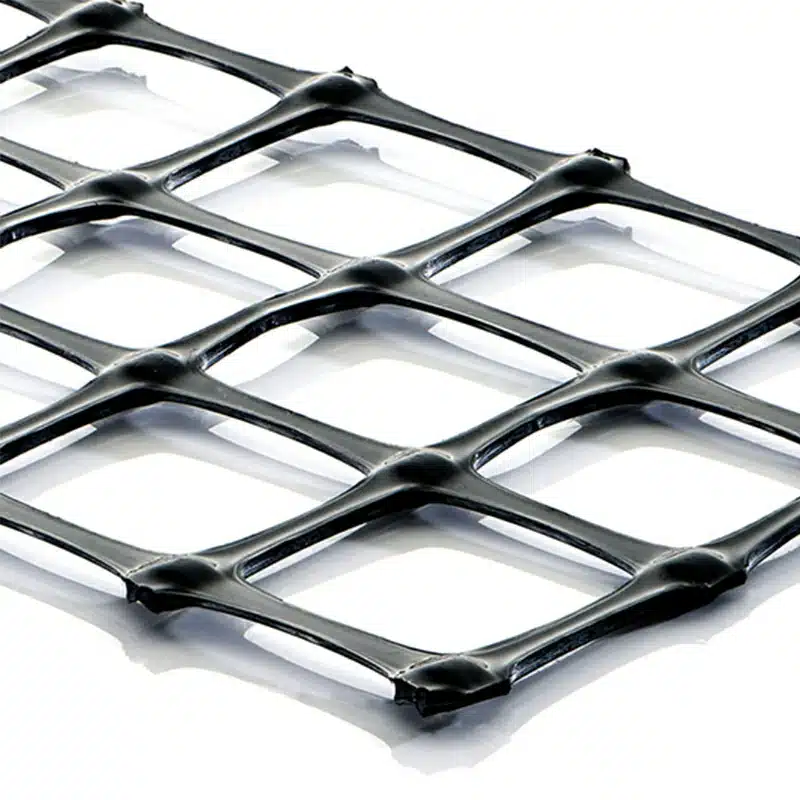
HDPE Geonet is a high-performance geosynthetic solution essential for drainage, soil stabilization, and reinforcement in civil and environmental engineering projects. Designed for efficient water flow and filtration, it protects infrastructure, prevents erosion, and enhances project longevity. Ideal forlandfills, roads, green roofs, and geocomposite systems. These materials also support sustainable construction by reducing maintenance needs and extending the service life of infrastructure.
What is HDPE Geonet, and how is it used in Geosynthetic Applications?
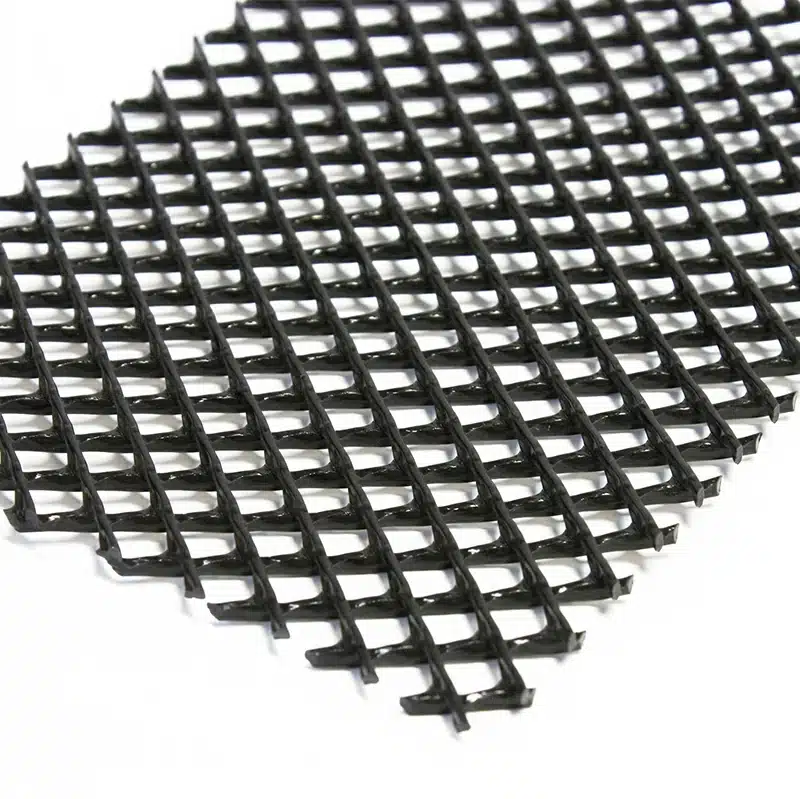
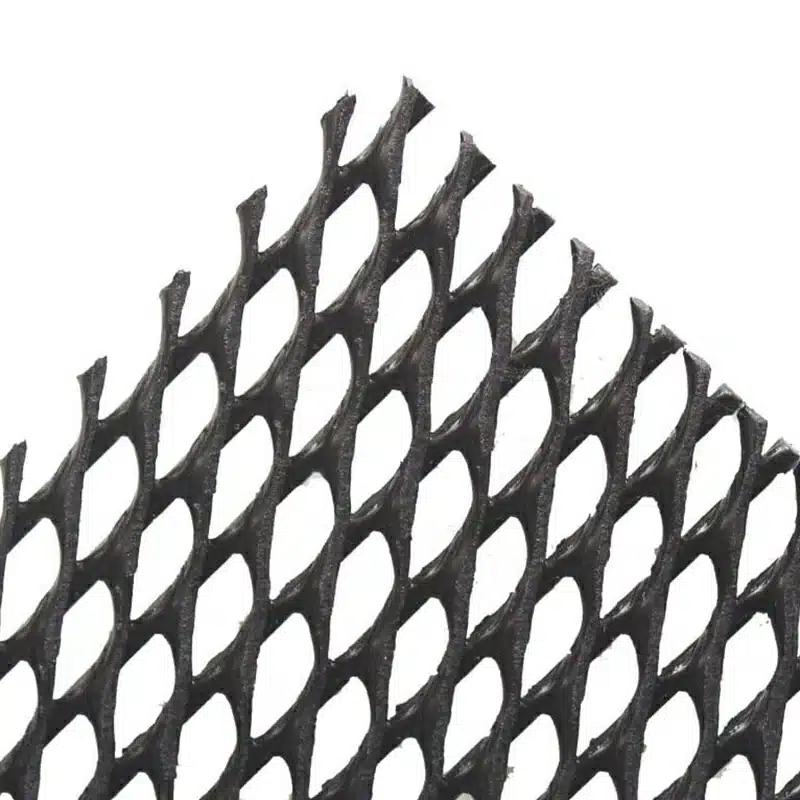
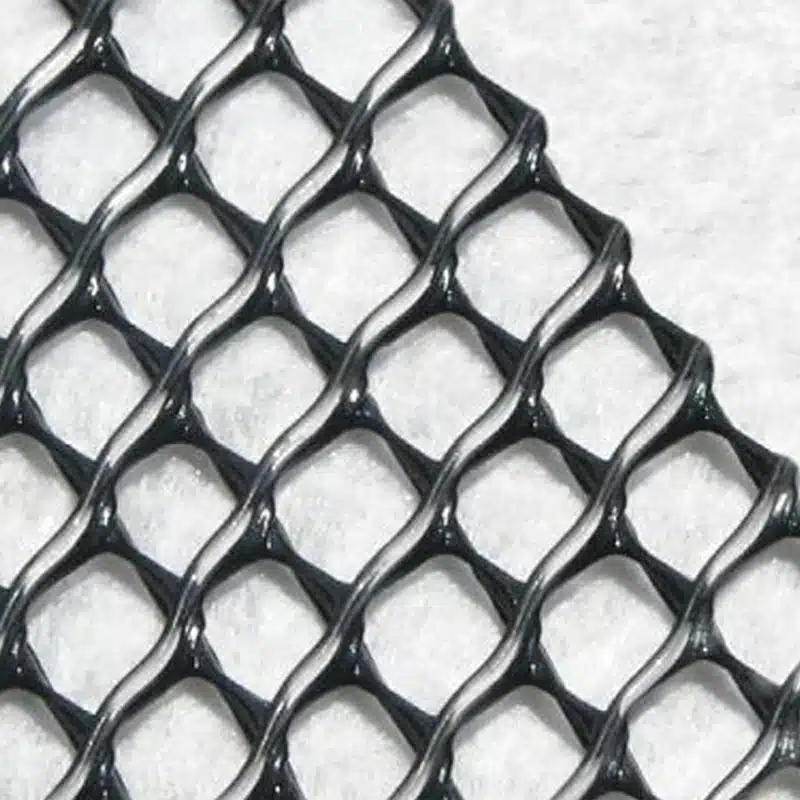
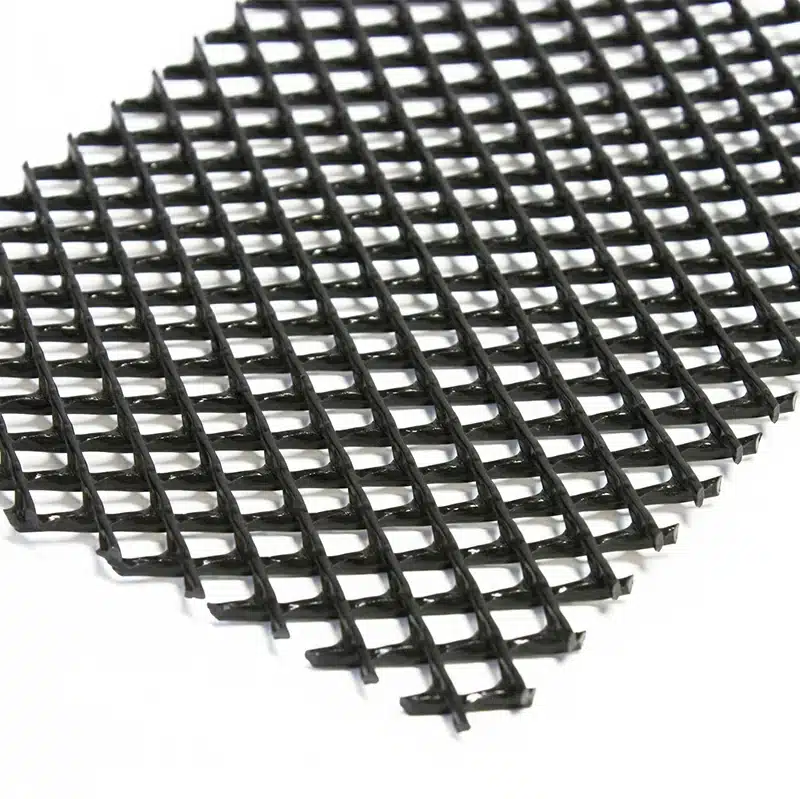
This geosynthetic product is manufactured from high-density polyethylene resin and features a three-dimensional structure designed for efficient fluid movement. Its network-like configuration allows water to flow freely, making it an effective solution for HDPE geonet drainage applications in civil engineering and environmental projects.
Uses in Geosynthetic Applications:
- Drainage Systems: Engineers use this material in landfill liners, retaining walls, tunnels, and transportation infrastructure. It helps move water away from structures and reduces hydrostatic pressure.
- Landfills: Installed between geomembranes and soil to act as a leachate collection layer, allowing liquids to flow to collection points while protecting the liner system.
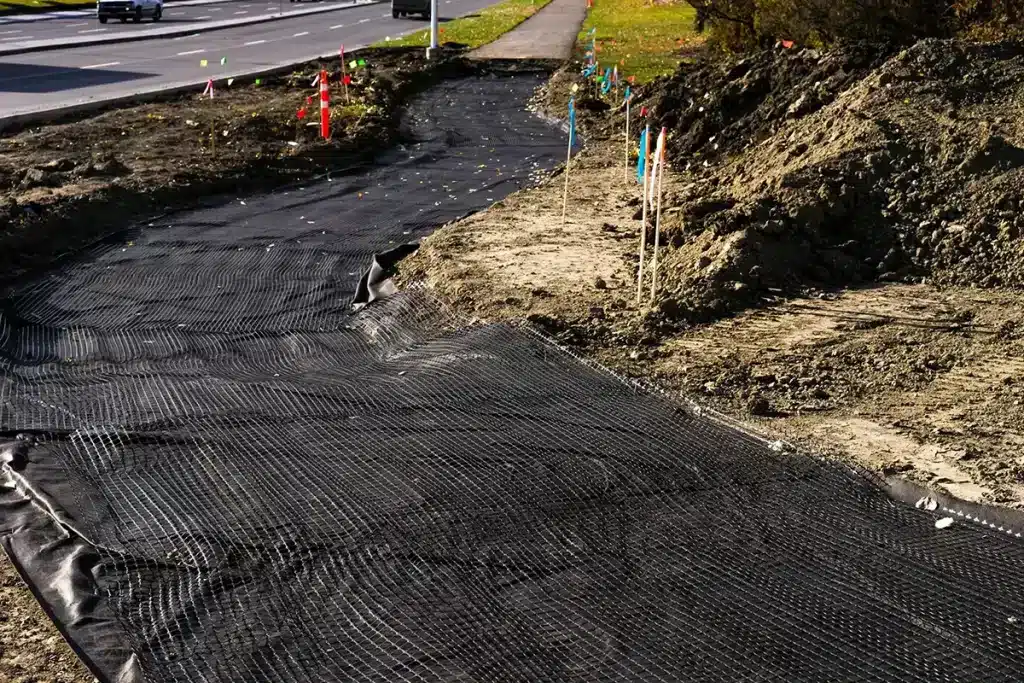
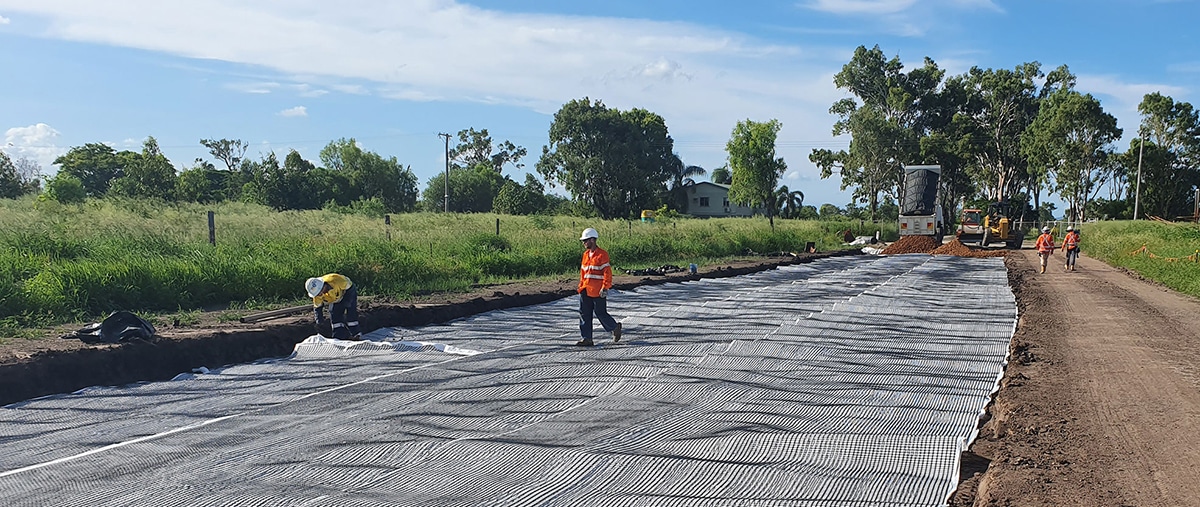
- Road and Pavement Construction: Used beneath roads or airfields to drain water away from the subgrade, enhancing soil stability and extending the life of the pavement.
- Green Roof Systems: Serves as a lightweight drainage layer that supports vegetation while efficiently managing excess water.
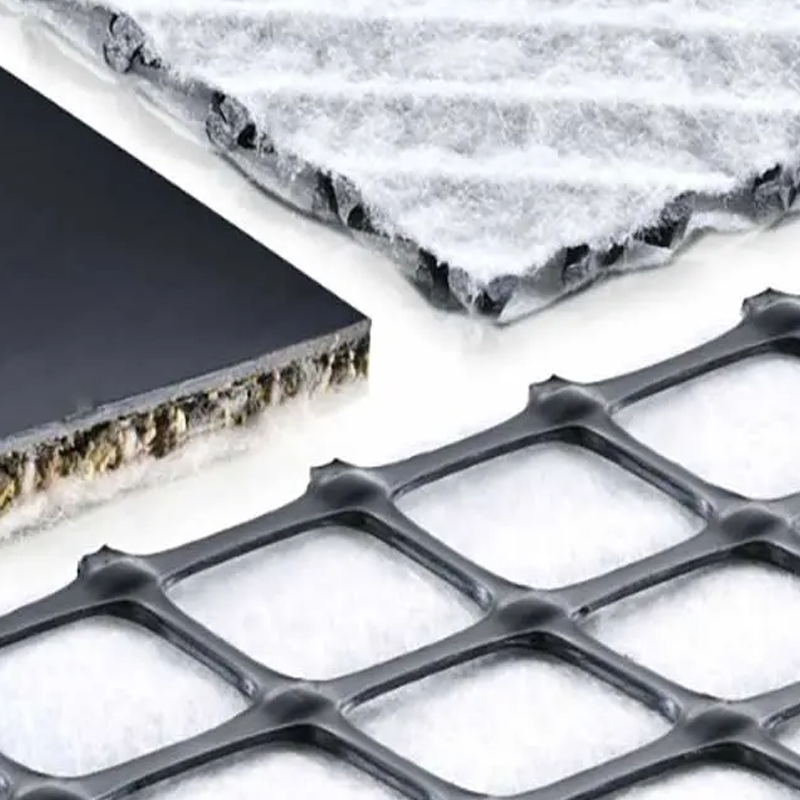
- Geocomposite Products: When combined with nonwoven geotextiles, it creates advanced drainage products that provide both filtration and water conveyance.
Why Should I Choose HDPE Geonet for My Project?
Choosing geonet offers several advantages, including its durability, cost-effectiveness, and ease of installation. It is resistant to harsh environmental conditions like UV radiation and chemicals, ensuring a long lifespan in applications such as landfills and drainage systems. The material’s high tensile strength makes it an excellent choice for reinforcement in soil stabilization projects. Additionally, its flexibility ensures it adapts well to various surface contours, reducing the need for complex designs.
What Problems Can It Solve in Geotechnical Projects?
Poor drainage is one of the most common challenges in construction. Excess water can weaken soil, increase erosion risks, and compromise structural performance.
By directing water away from critical areas, this drainage solution helps prevent water accumulation and improves overall site stability. It also supports the performance of roads, pavements, retaining structures, and other infrastructure built on challenging ground conditions.
How Does It Support Sustainable Engineering?
Sustainability has become a major priority in modern construction. This material contributes to environmental goals by providing a durable solution with a long service life. Its recyclable composition can help reduce resource consumption and lower the environmental impact of infrastructure projects.
Furthermore, effective drainage and filtration help protect surrounding ecosystems. By reducing erosion and limiting water contamination, it supports healthier environmental conditions and more resilient infrastructure.
By addressing these questions and exploring the many uses of HDPE geonet, it’s clear that this geosynthetic material provides significant solutions for modern engineering challenges. Whether used in large infrastructure developments or smaller land stabilization projects, these systems help deliver reliable, long-lasting results while minimizing
Get Free Sample
We’ll respond as soon as possible(within 12 hours)