

+86-159 9860 6917
info@geofantex.com
geofantex@gmail.com
+86-400-8266163-44899
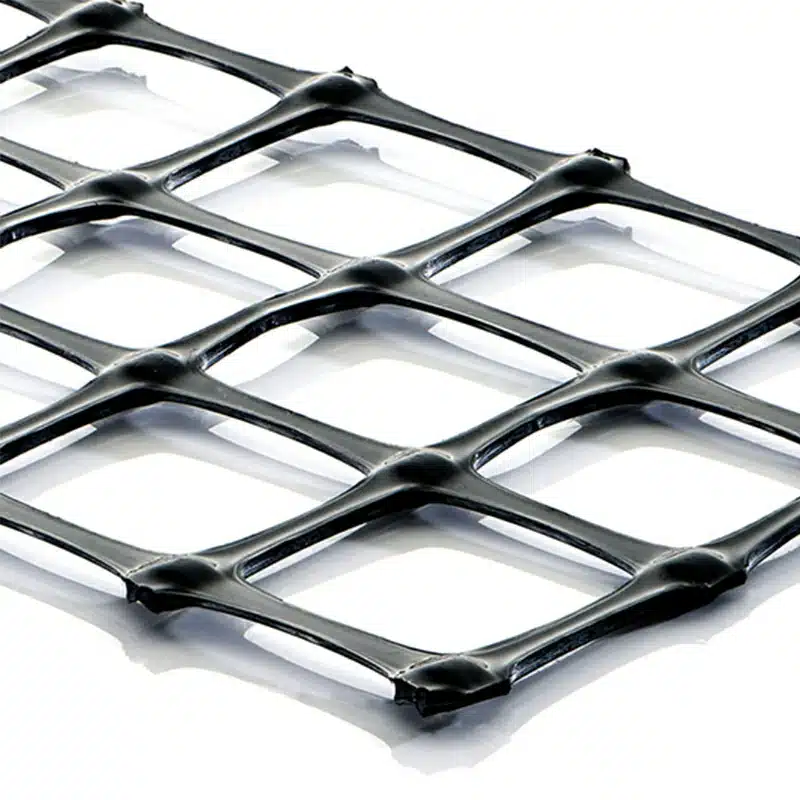
Understanding the geonet benefits is essential when selecting materials for drainage and filtration in civil and environmental engineering projects. Geonets, as a type of geosynthetic, offer practical solutions to common construction and environmental challenges. Below are answers to four key questions to help you see how they can solve specific problems.
What Problem Do Geonets Solve in Drainage Systems?
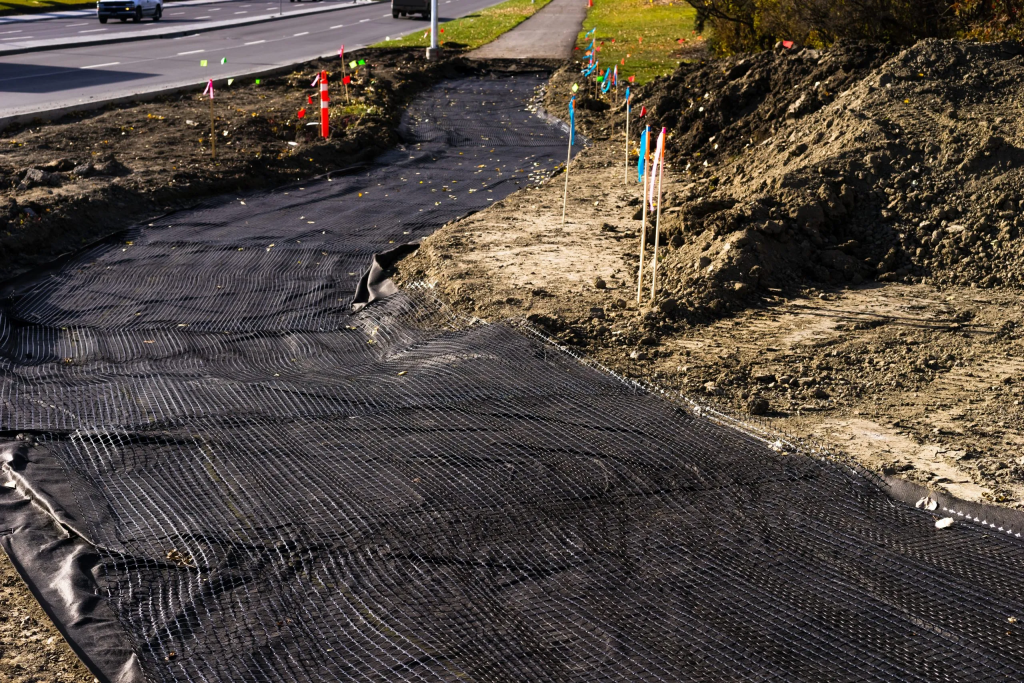
Geonets solve the major problem of inefficient subsurface drainage by creating a high-flow, clog-resistant channel that maintains water movement even under heavy loads, and they do this through several key functions:
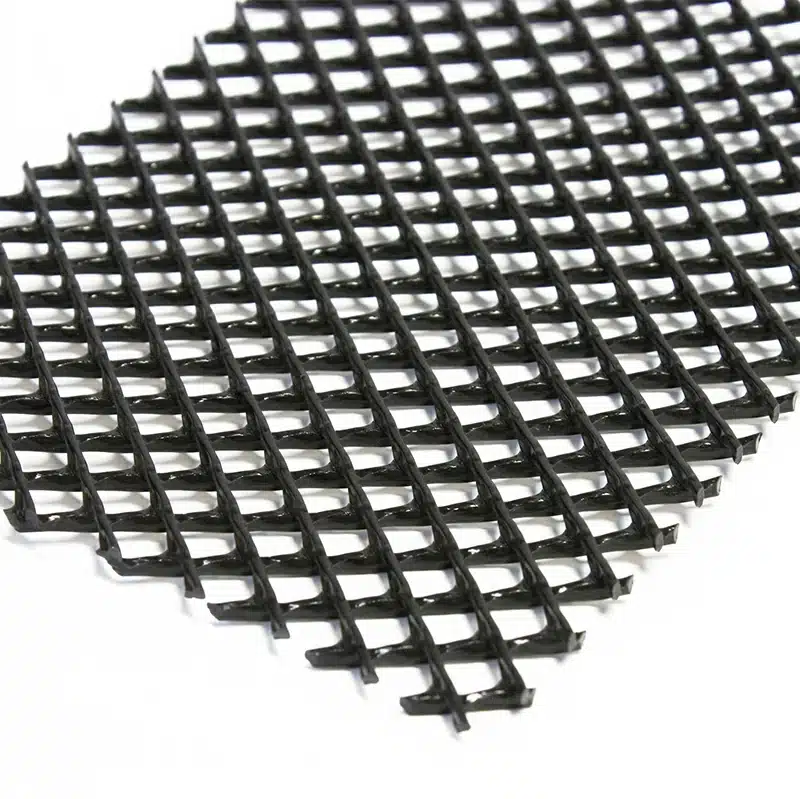
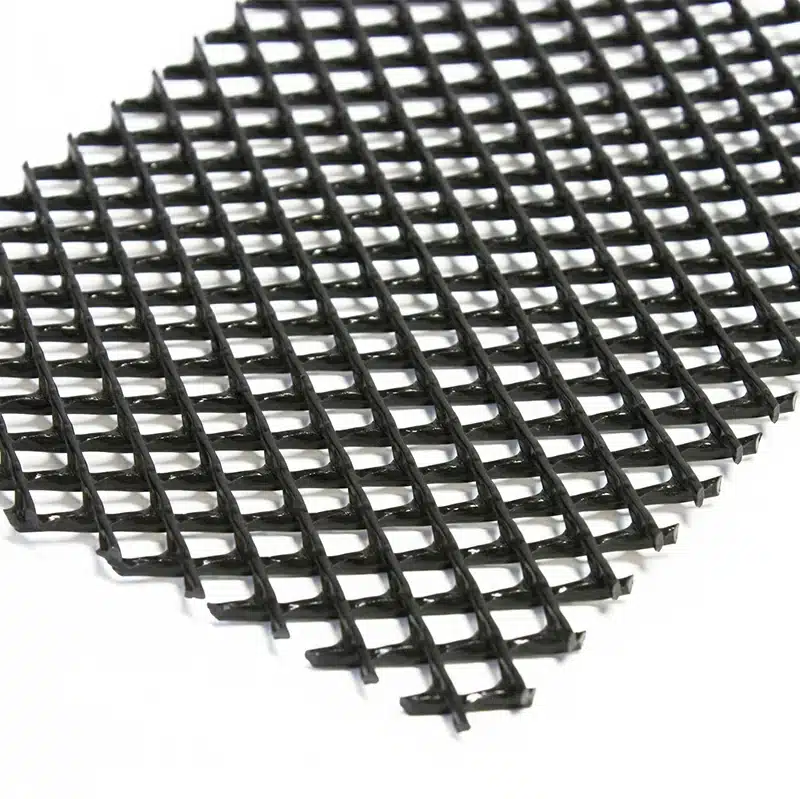
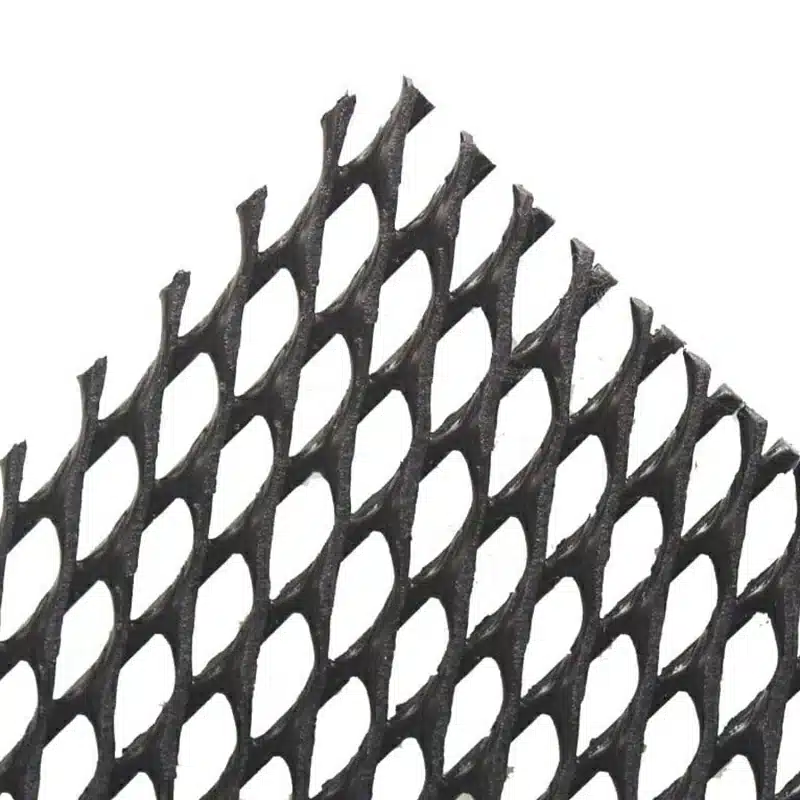
- Maintaining High Flow Capacity: Their three-dimensional structure keeps water moving quickly, unlike gravel or sand layers that can clog with fine particles.
- Preventing System Clogging: The open net design reduces soil intrusion, ensuring long-term drainage performance.
- Reducing Water Pressure Build-Up: By rapidly directing water away, geonets help lower hydrostatic pressure behind retaining walls, roadbeds, and landfill liners.
- Performing Under Heavy Loads: Geonets continue transmitting fluids even when compressed by soil, structures, or waste materials.
In short, geonets solve the critical challenge of long-term, reliable drainage by providing a durable, high-flow pathway that traditional materials cannot match.
How Do Geonets Enhance Slope Stability in Civil and Environmental Projects?
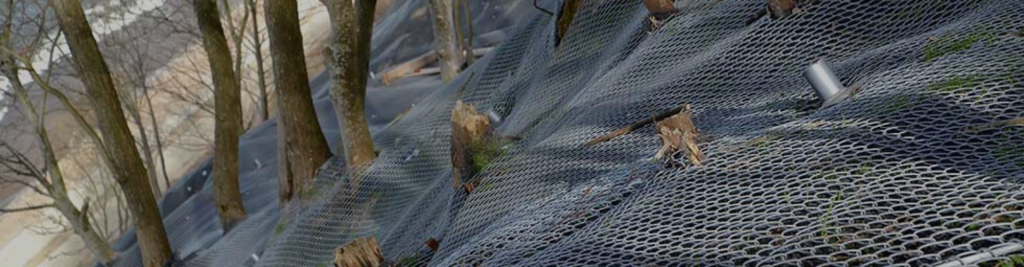
Geonets play a crucial role in slope reinforcement and embankment stability by efficiently managing water flow and reducing hydrostatic pressure. Key contributions include:
- Rapid Water Drainage: Geonets channel water away from slopes and embankments, preventing water buildup that can destabilize soil.
- Reduced Hydrostatic Pressure: By directing water quickly, geonets lower pressure behind retaining structures, landfill caps, or road embankments.
- Soil Stabilization: Continuous drainage helps maintain the integrity of soil layers, reducing the risk of erosion, landslides, or settlement.
- Long-Term Performance: Unlike traditional drainage layers, geonets maintain flow capacity under heavy loads, ensuring slope stability over time.
By integrating geonets into slope reinforcement projects, engineers can enhance safety, prevent erosion, and extend the lifespan of embankments and landfill covers, making them an essential component in modern civil and environmental engineering.
Are geonets cost-effective compared to traditional drainage methods?
Yes. Geonets are lightweight, easy to install, and reduce the need for thick gravel drainage layers, which lowers both labor and material costs. Their durability also minimizes long-term maintenance expenses. This economic efficiency is another major point among the geonet benefits that makes them attractive for large-scale infrastructure projects.
Can geonets be used in environmental protection projects?
Absolutely. Geonets are commonly used in applications like landfill liners, mining pads, and waste containment systems. They serve as critical drainage layers that prevent fluid buildup, helping to protect surrounding soil and groundwater from contamination. This makes them a key element in environmentally responsible construction.
In summary, the geonet benefits include excellent drainage performance, improved structural stability, cost savings, and enhanced environmental protection. Whether used in road construction, slope reinforcement, or eco-friendly containment projects, geonets effectively address challenges that traditional drainage materials often face. By understanding these key geonet benefits, engineers and project planners can make smarter, more efficient material choices for long-term success.
Get Free Sample
We’ll respond as soon as possible(within 12 hours)