

+86-159 9860 6917
info@geofantex.com
geofantex@gmail.com
+86-400-8266163-44899
Geosynthetic clay liners (GCL) are essential components in modern environmental engineering projects. They offer unique benefits in containment applications, providing a robust barrier against water and contaminants. Here’s everything you need to know about geosynthetic clay liner in the industry.
What is a Geosynthetic Clay Liner?
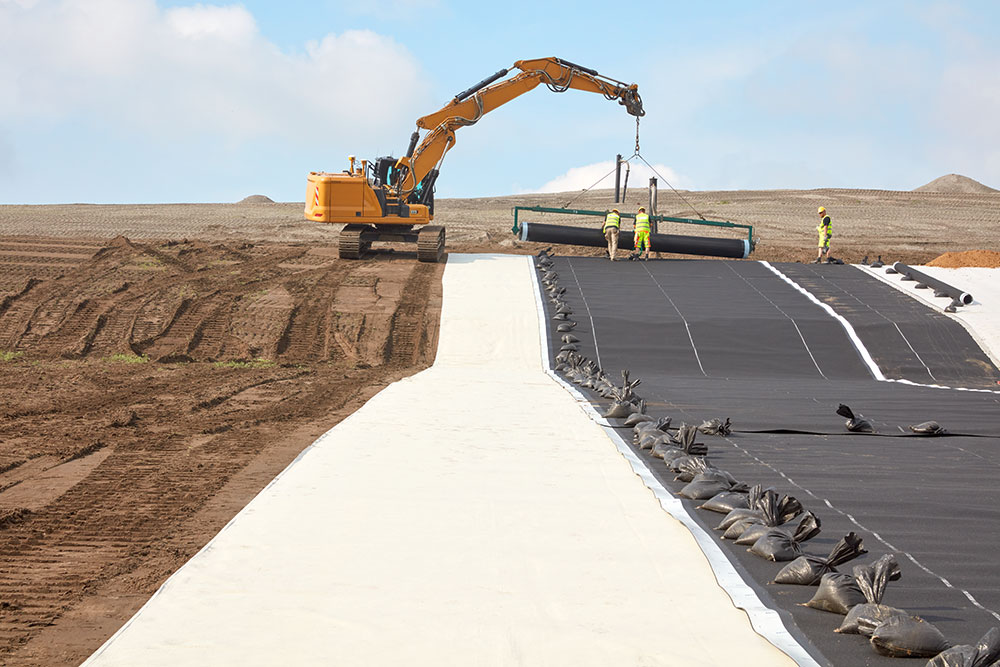
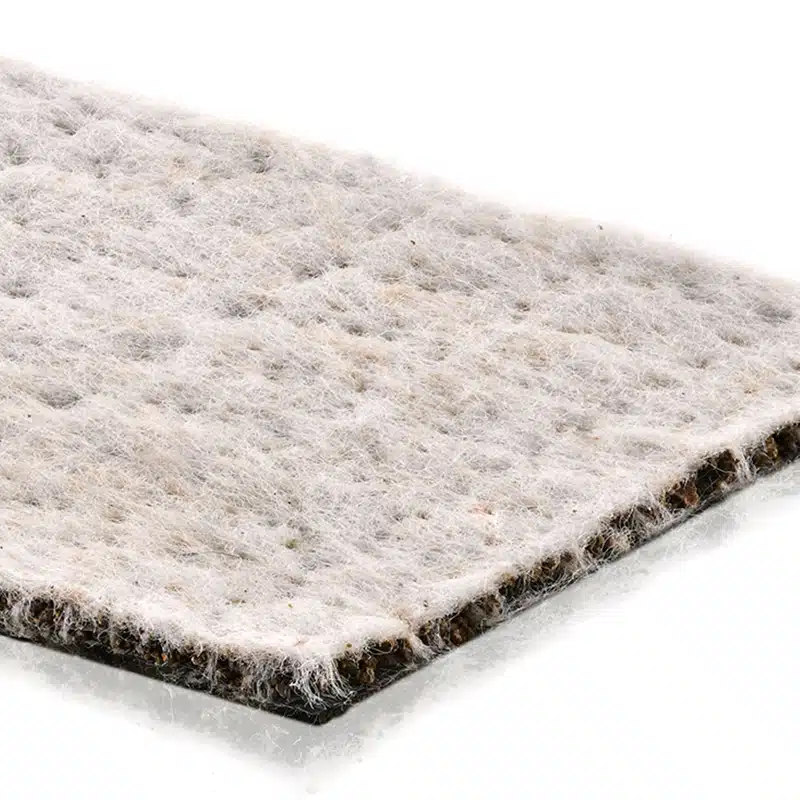
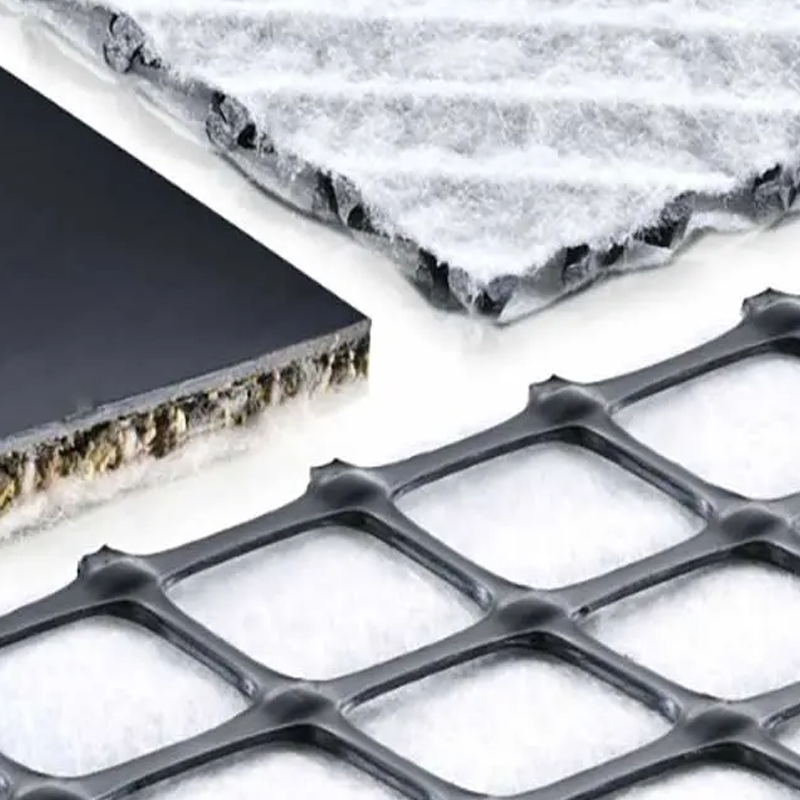
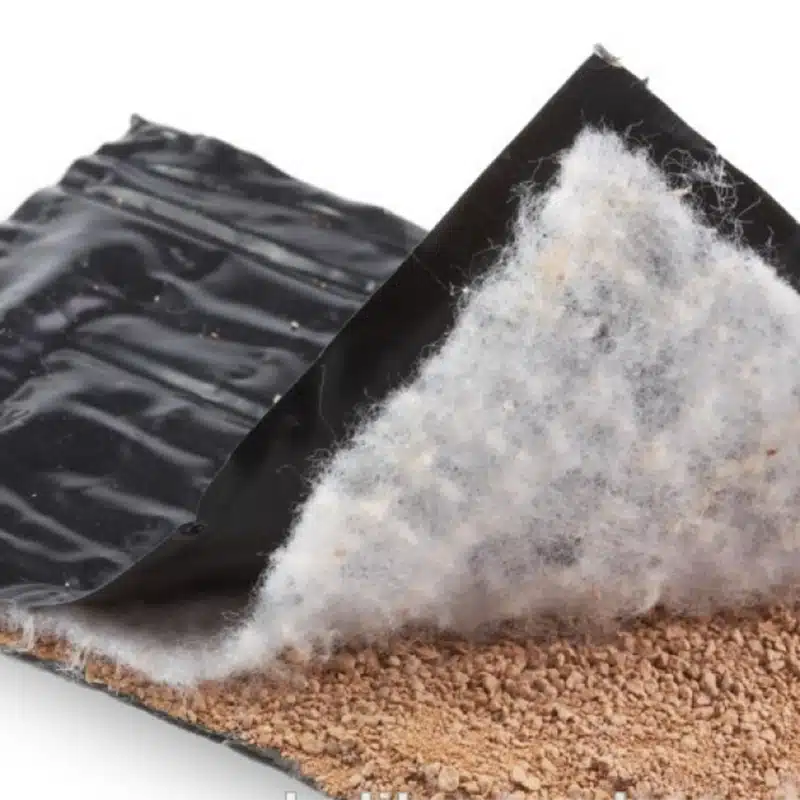
- A Geosynthetic Clay Liner (GCL) is a factory-manufactured hydraulic barrier consisting of a layer of bentonite clay sandwiched between two geotextiles or bonded to a geomembrane.
- The bentonite clay swells when hydrated, forming a low-permeability barrier that effectively prevents water and contaminants from passing through.
- GCLs are commonly used in landfills, ponds, canals, mining sites, and environmental containment projects as an alternative or supplement to compacted clay liners.
- They are lightweight, easy to install, and provide consistent quality compared to natural clay liners.
- GCLs offer excellent sealing performance, especially when covered and confined properly, and are often used in combination with geomembranes for enhanced protection.
- In summary, a GCL is a reliable, efficient, and cost-effective solution for controlling liquid migration in various civil and environmental engineering applications.
How Does Geosynthetic Clay Liner Work?
What are the Applications of Geosynthetic Clay Liner?
- Geosynthetic Clay Liner (GCL) works as a waterproofing barrier by combining natural bentonite clay with synthetic layers.
- Core Layer: At the center of a GCL is bentonite clay that swells when hydrated, sealing gaps and creating a low-permeability barrier.
- Synthetic Layers: The bentonite is enclosed between geotextile or geomembrane layers that add strength, protection, and structural stability.
- Waterproofing: When water attempts to pass through, the bentonite expands to fill voids, preventing infiltration and safeguarding underlying soil or structures.
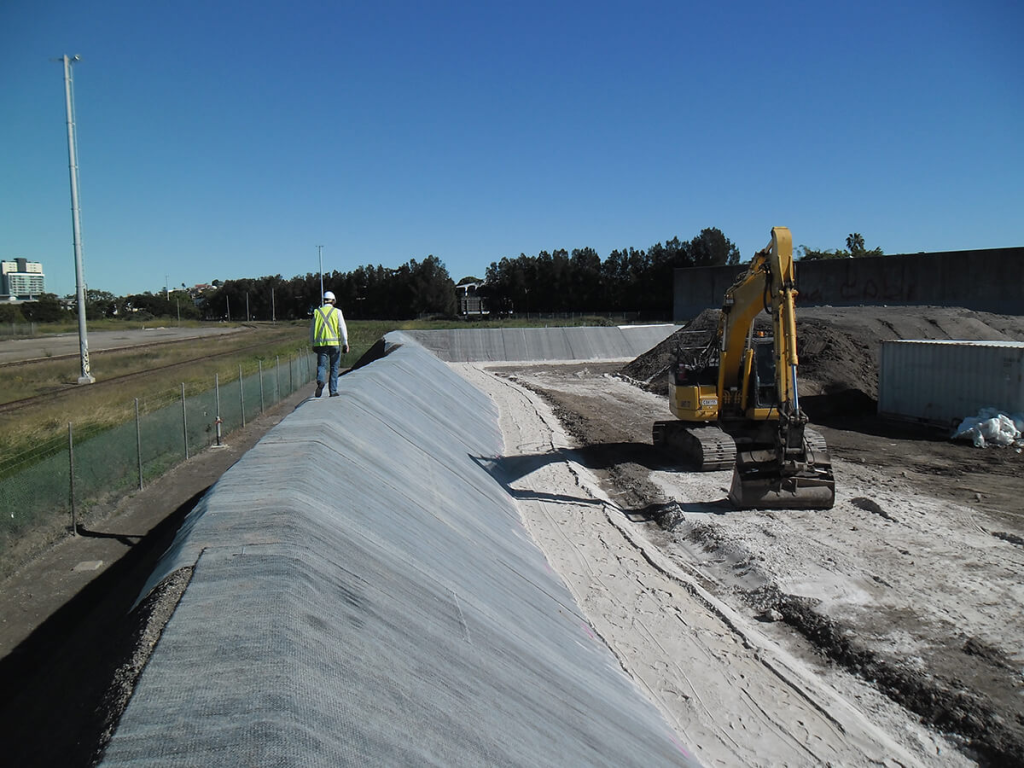
- Applications: GCLs are widely used in landfills, ponds, mining sites, tunnels, and containment systems where reliable leakage prevention is essential.
In summary, GCL combines the natural sealing capability of bentonite with synthetic reinforcement to provide a flexible, durable, and highly effective hydraulic barrier.
What Are the Advantages of Using a Geosynthetic Clay Liner (GCL)?
Geosynthetic Clay Liners offer multiple performance and economic benefits, making them a preferred solution in containment and waterproofing systems.
- Excellent Hydraulic Performance: The bentonite core swells upon hydration, forming a self-sealing, low-permeability barrier that effectively limits liquid migration.
- Self-Healing Capability: Minor punctures or small installation damages can be sealed naturally as hydrated bentonite expands into voids.
- Reduced Installation Time: Factory-manufactured rolls allow for rapid deployment compared to compacted clay liners, minimizing labor and construction schedules.
- Lower Material Volume: GCLs require significantly less thickness than traditional compacted clay liners while delivering comparable or superior hydraulic performance.
- Cost Efficiency: Reduced excavation, transportation, and compaction requirements lead to lower overall installation and lifecycle costs.
- Environmental Sustainability: Utilizes natural sodium bentonite while minimizing borrow soil excavation and heavy earthwork operations.
- Consistent Factory Quality: Manufactured under controlled conditions, ensuring uniform thickness, bentonite distribution, and reliable performance.
- Compatibility with Composite Liners: Frequently combined with geomembranes to form composite liner systems, enhancing containment security in landfills and mining facilities.
Geosynthetic Clay Liners provide a cost-effective, space-saving, and high-performance containment solution. Their self-sealing properties, installation efficiency, and long-term hydraulic reliability make them ideal for landfill liners, mining containment, ponds, canals, and other environmental protection applications.
According to GeoEngineering, the global market for geosynthetic clay liners is projected to grow at a CAGR of 5.8% from 2025 to 2030, driven by increasing environmental regulations and infrastructure development. This growth reflects the expanding applications of GCLs in waste containment and water resource management.
Get Free Sample
We’ll respond as soon as possible(within 12 hours)