

+86-159 9860 6917
info@geofantex.com
geofantex@gmail.com
+86-400-8266163-44899
HDPE Geocell is a high-performance geosynthetic solution widely used in soil stabilization, slope protection, road construction, and ground reinforcement. Its three-dimensional cellular confinement structure improves load distribution, enhances bearing capacity, and reduces aggregate consumption, making it a cost-effective choice for modern infrastructure projects. They adapt well to difficult ground conditions and provide a practical, cost-effective approach to improving structural stability.
What Is HDPE Geocell and How Does It Work?
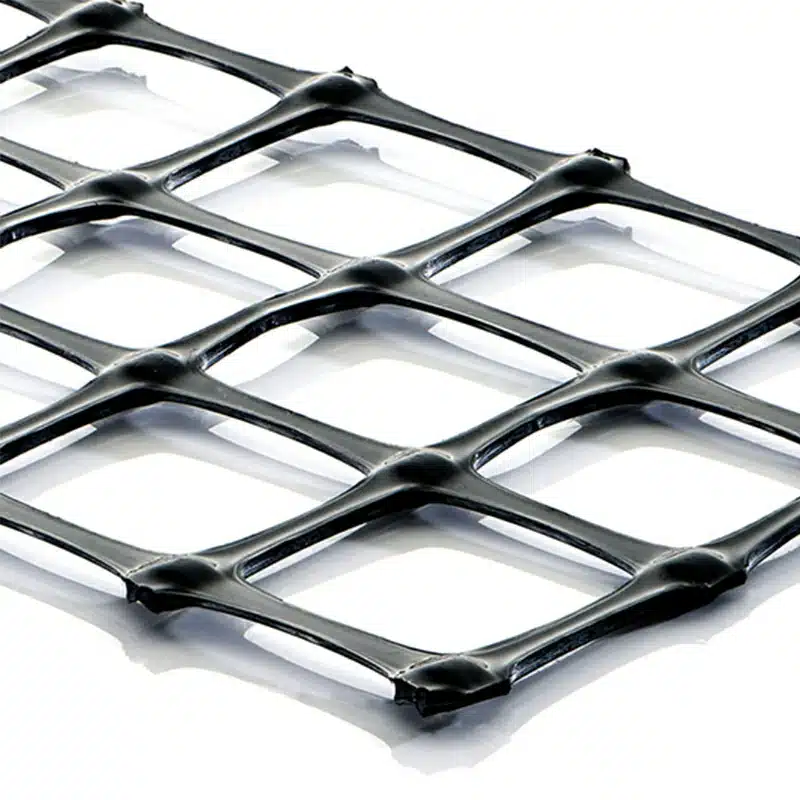
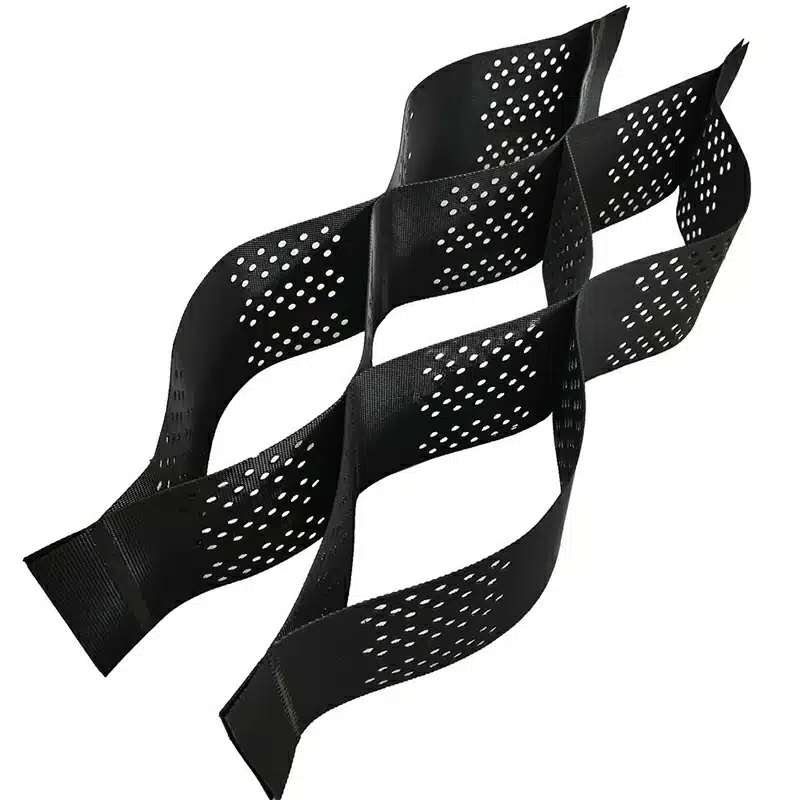
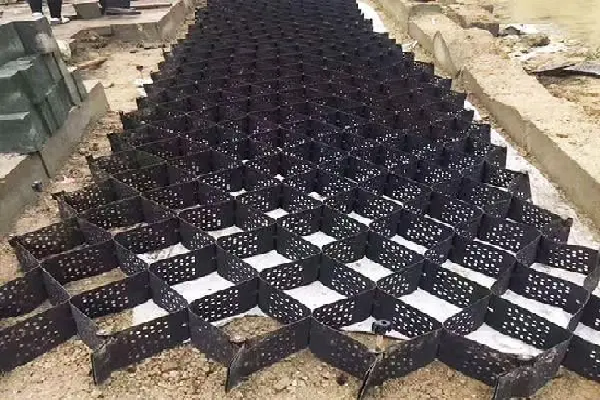
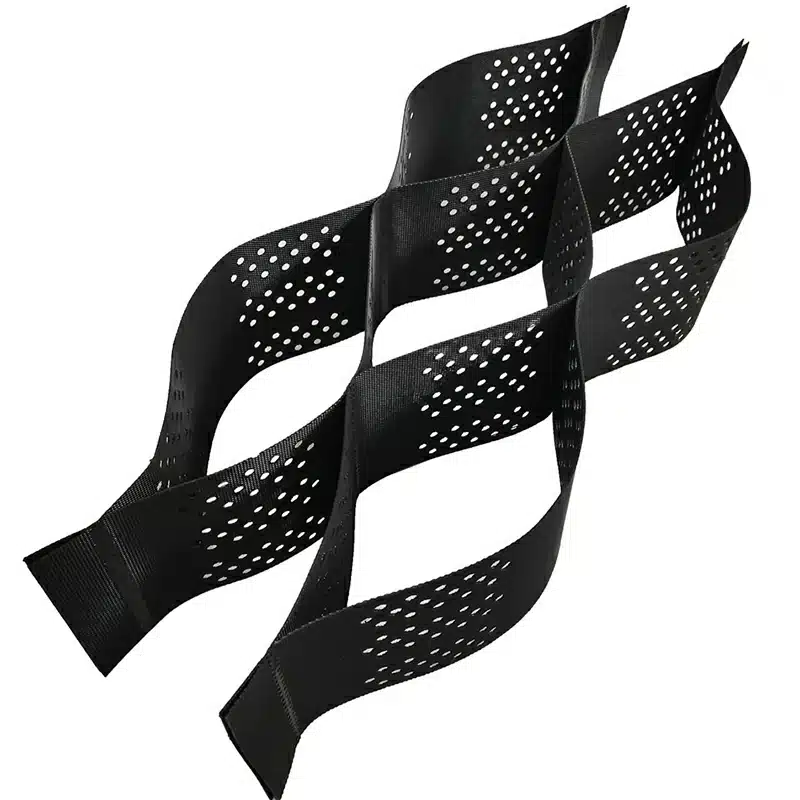
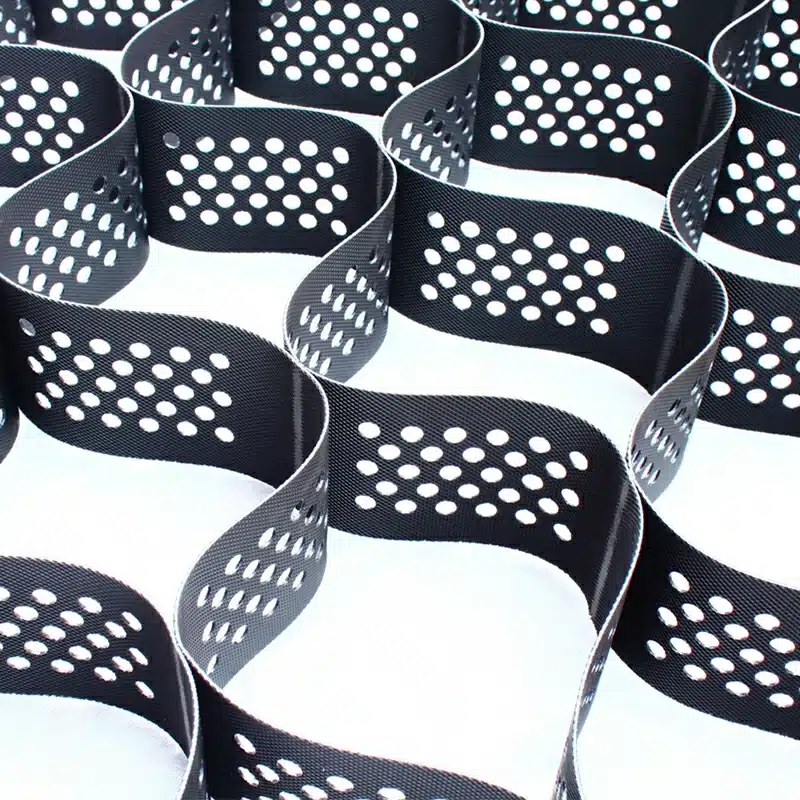
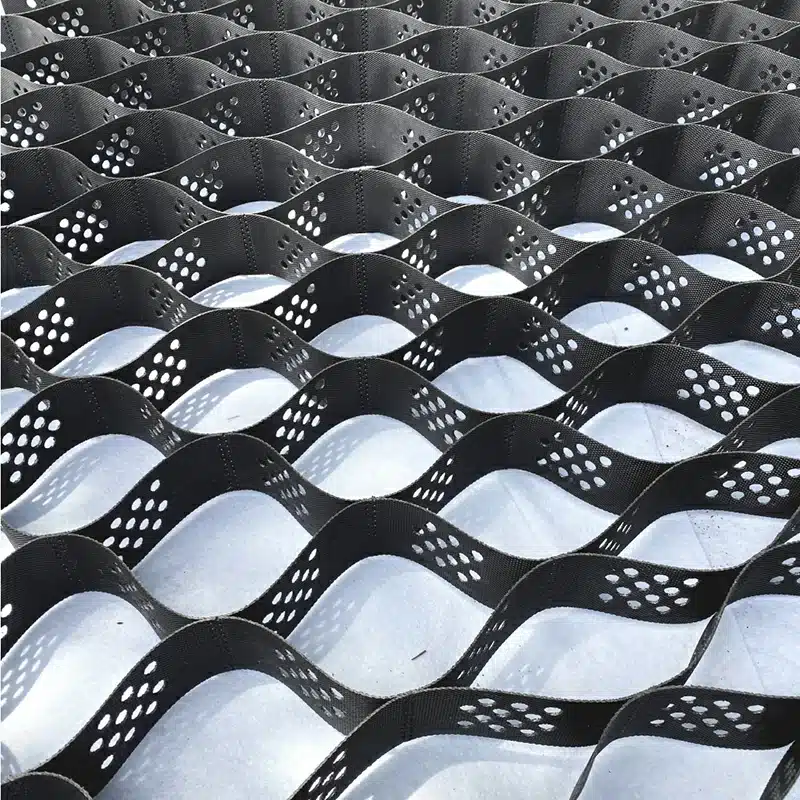
This ground reinforcement solution uses a three-dimensional honeycomb structure manufactured from high-density polyethylene. It expands on site and is filled with soil, gravel, or crushed stone. The interconnected cells confine the infill material and limit lateral movement.
As a result, the reinforced layer becomes stronger and more stable. It distributes loads more evenly and improves the bearing capacity of weak subgrades. Compared with traditional thick aggregate bases, this approach requires less fill material while maintaining excellent structural performance.
The material also resists chemicals, ultraviolet exposure, and harsh weather. These characteristics make it suitable for long-term infrastructure applications in a wide range of environments.
Where Is HDPE Geocell Commonly Used?
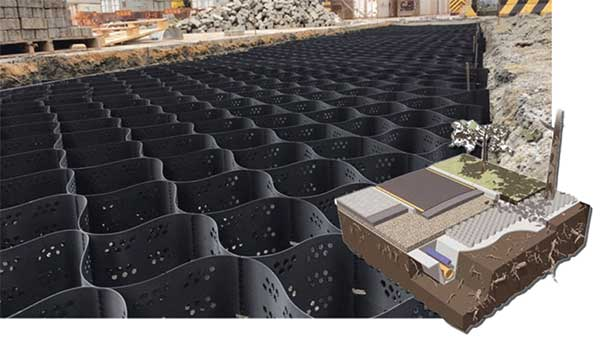
This reinforcement technology has become a versatile solution across transportation, civil engineering, and environmental protection projects.
Typical applications include:
- Highway and road base reinforcement
- Railway ballast stabilization
- Slope protection and embankments
- Retaining walls
- Riverbank and channel erosion control
- Temporary access roads
- Industrial yards and parking areas
Because the cellular system can utilize locally available infill materials, contractors often reduce hauling costs while improving construction efficiency. Its flexibility also allows HDPE Geocell to adapt to uneven terrain where conventional rigid structures are less effective.
How Does It Improve Engineering Performance?
The primary advantage comes from its ability to confine infill materials within a stable three-dimensional structure.
HDPE Geocell for Road Base Reinforcement
For road construction, the cellular confinement system stabilizes aggregate and reduces lateral displacement under repeated vehicle loads. This can improve base performance while reducing rutting and deformation.
HDPE Geocell for Slope Stabilization and Erosion Control
On slopes and embankments, the cells hold soil or aggregate in place and help resist erosion caused by runoff. Suitable anchoring and infill selection further improve long-term slope stability.
By restricting lateral displacement of soil and aggregate, the system improves load transfer and minimizes settlement. Wheel loads are distributed over a much larger area, reducing rutting and extending pavement service life.
Additional performance benefits include:
- Higher bearing capacity on soft soils
- Reduced aggregate thickness
- Improved erosion resistance
- Better slope stability
- Lower maintenance frequency
- Longer pavement lifespan
Because of these advantages, engineers often select this solution for projects built on challenging ground conditions or soft foundations.
What Do Real-World Projects Demonstrate?
Many infrastructure projects have demonstrated the long-term value of this technology.
In India, engineers reinforced an expressway built on weak silty soil. The project reduced aggregate consumption by approximately 25% while improving load distribution by around 40%. After several years of operation, the reinforced pavement showed little rutting or surface cracking.
Along coastal roads in the Philippines, engineers stabilized embankments exposed to typhoons and wave action. They filled the reinforcement structure with locally sourced materials and later established vegetation. The completed system significantly reduced erosion while requiring very little maintenance.
In South Africa, railway engineers strengthened ballast layers over soft clay foundations. The upgraded track experienced much lower settlement, allowing maintenance intervals to nearly double compared with conventional construction methods.
These examples demonstrate reliable performance across transportation infrastructure, slope stabilization, and erosion control projects under a variety of site conditions.
HDPE Geocell has become one of the most effective geosynthetic solutions for modern ground improvement and infrastructure construction. By enhancing soil confinement, improving load distribution, and reducing material requirements, it delivers stronger foundations and longer-lasting performance than many conventional methods. Whether used for roads, railways, slopes, or erosion control, this engineering approach helps contractors and designers build stronger, longer-lasting infrastructure while improving construction efficiency and sustainability.
Get Free Sample
We’ll respond as soon as possible(within 12 hours)