

+86-159 9860 6917
info@geofantex.com
geofantex@gmail.com
+86-400-8266163-44899
Geosynthetics in civil engineering are widely used by contractors and project owners seeking reliable, cost-effective solutions for soil stabilization and environmental protection. For procurement teams, choosing the right materials directly impacts project lifespan, compliance, and maintenance costs.
How Geosynthetics in Civil Engineering Improve Landfill Systems
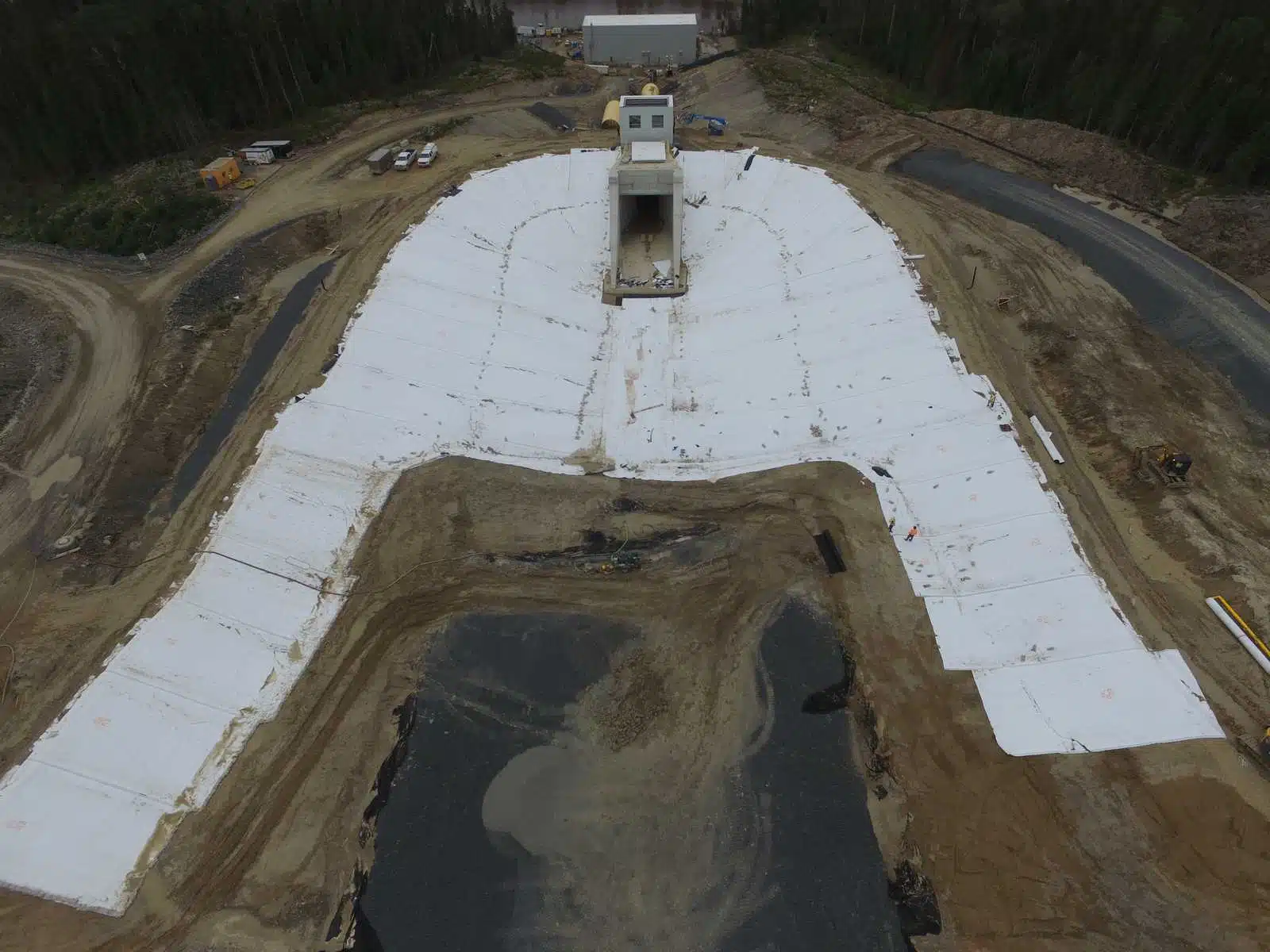
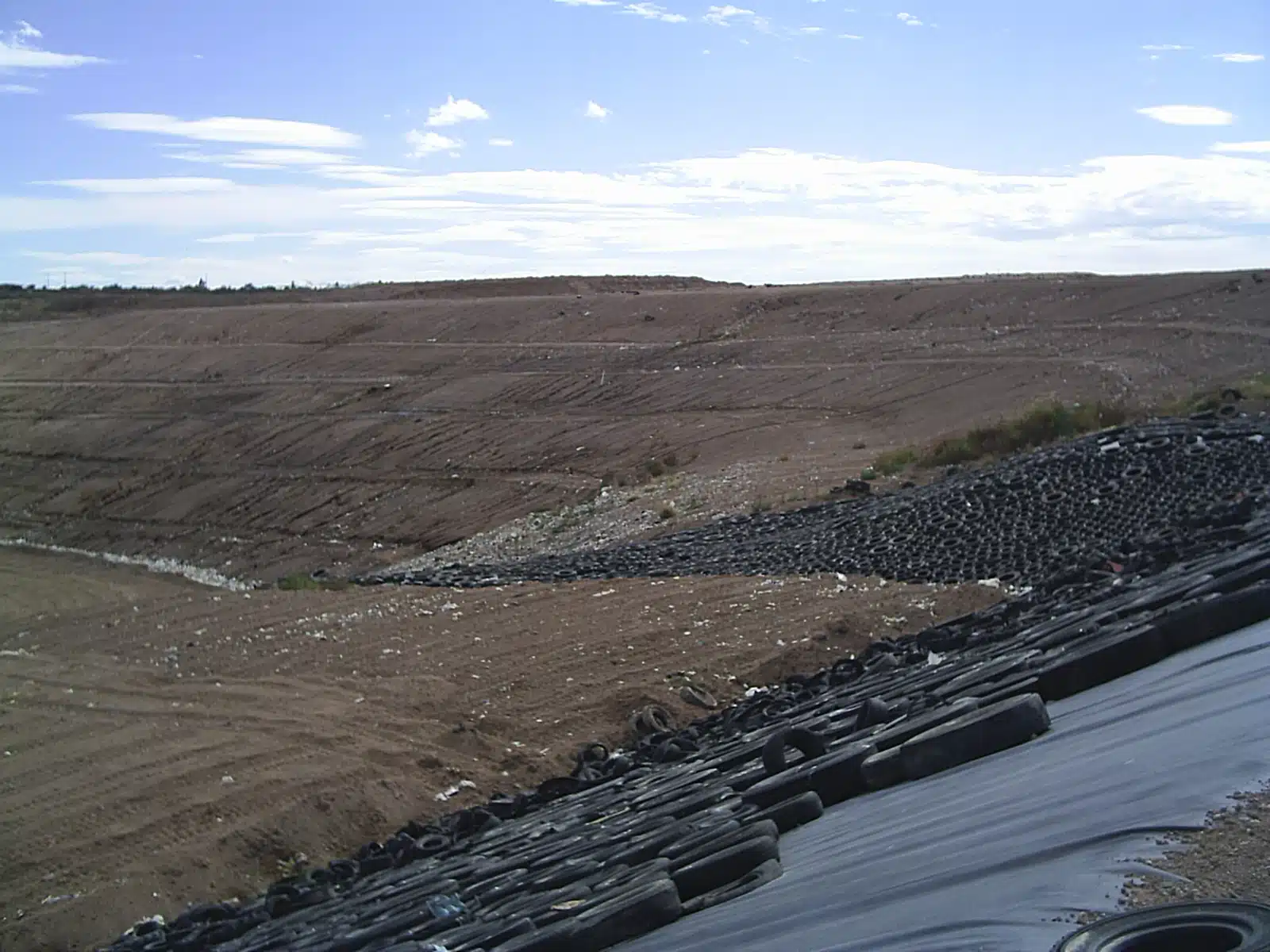
Landfill engineering requires high-performance containment systems to prevent environmental contamination. Geosynthetics in civil engineering provide critical functions such as separation, filtration, and impermeable lining.
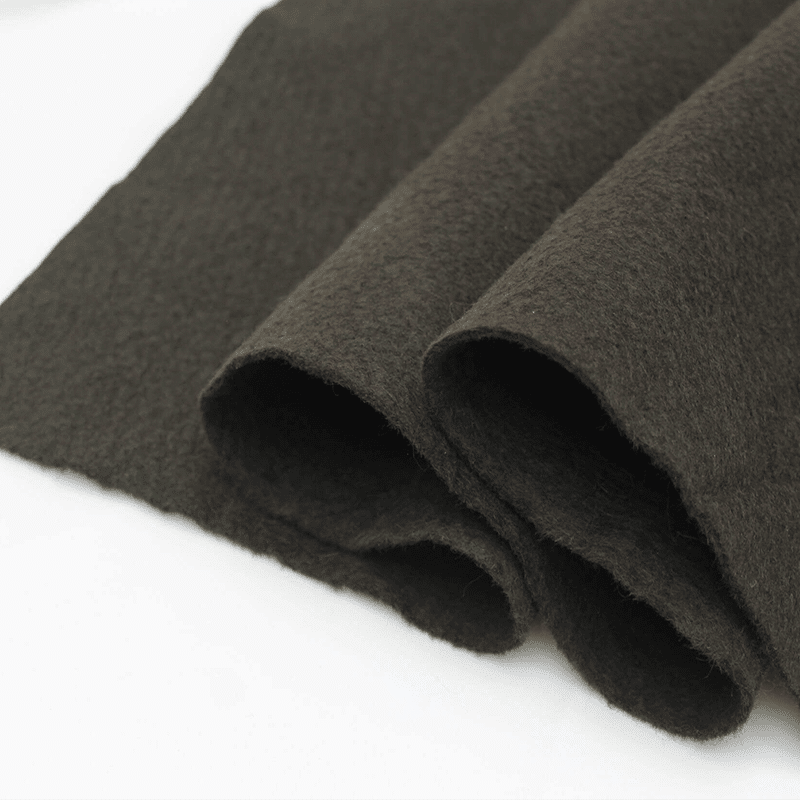
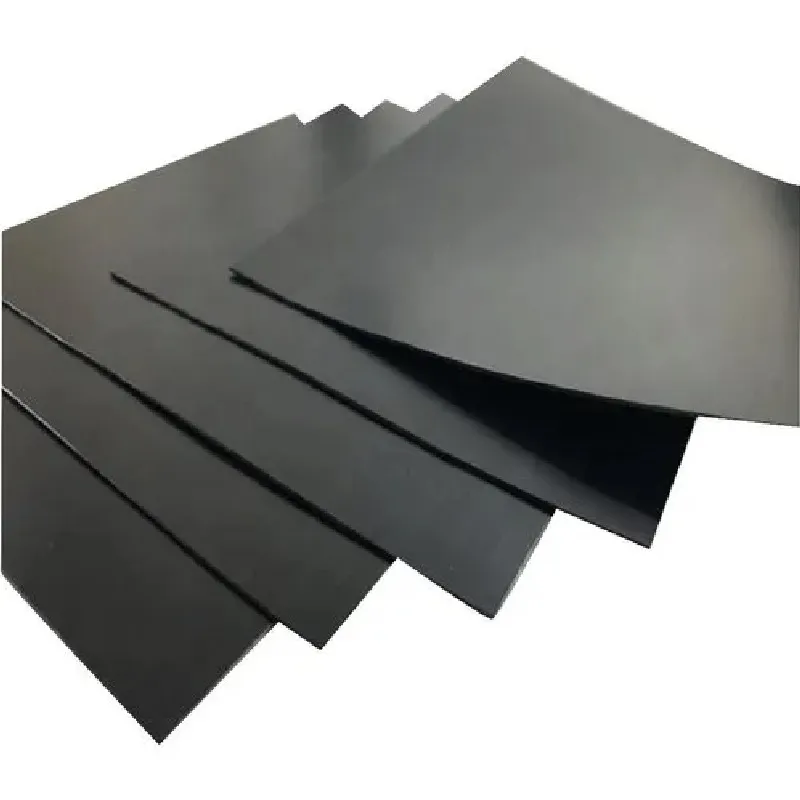
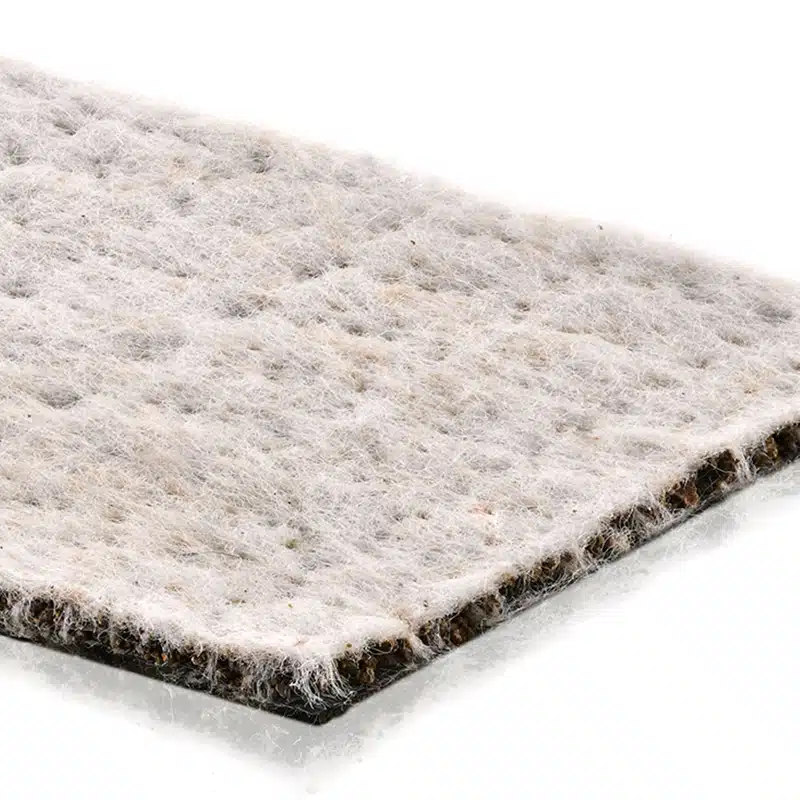
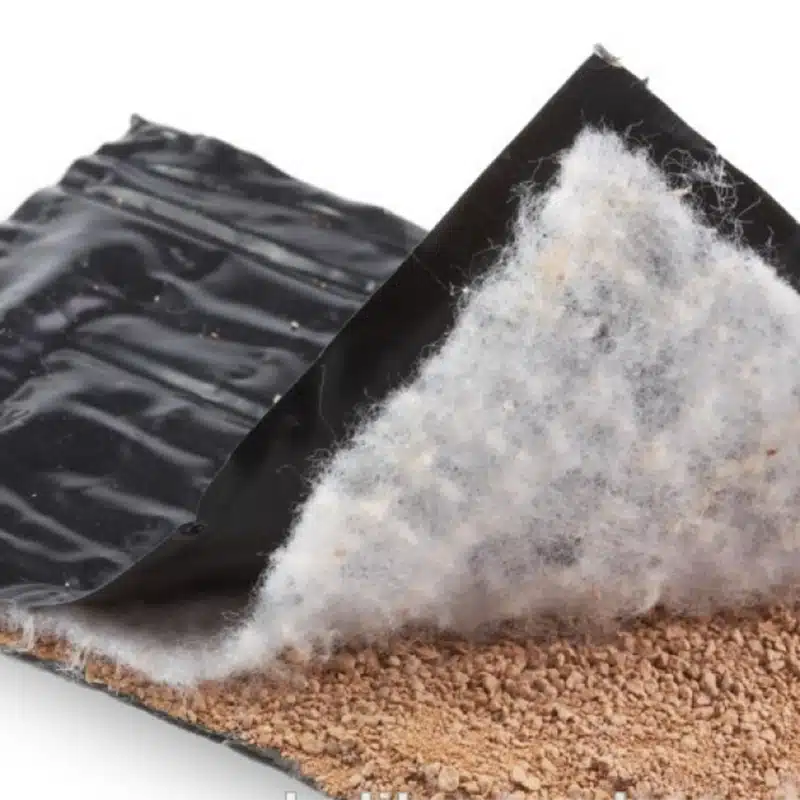
In a municipal landfill project in Germany, engineers installed a composite liner system using geomembranes and nonwoven geotextiles. The geomembrane acted as a barrier to stop leachate leakage, while the geotextile provided protection and filtration. This layered system improved durability and ensured long-term compliance with environmental standards.
👉 For project sourcing, many contractors rely on durable geosynthetics in civil engineering solutions for landfill containment to meet strict regulations and extend service life.
Why Geosynthetics in Civil Engineering Enhance Transportation Projects
Transportation infrastructure demands stable subgrades and long-term performance under heavy loads. Geosynthetics in civil engineering help reinforce weak soils and prevent layer mixing.
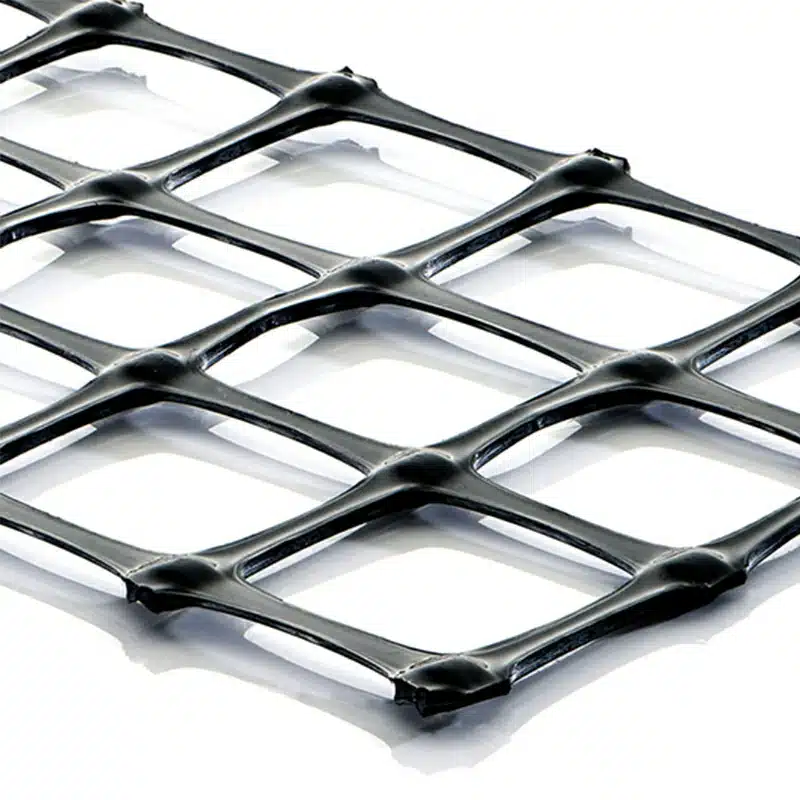
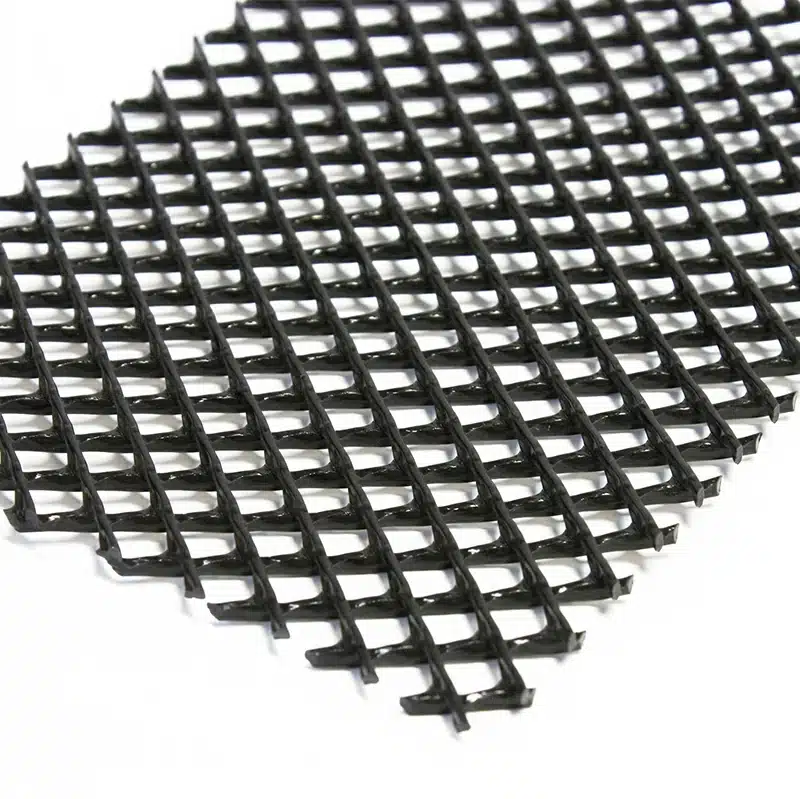
In a Texas highway expansion project, geogrids were installed to improve load distribution and reduce rutting. Combined with geotextiles, the system extended pavement life by over 30% and significantly reduced maintenance frequency.
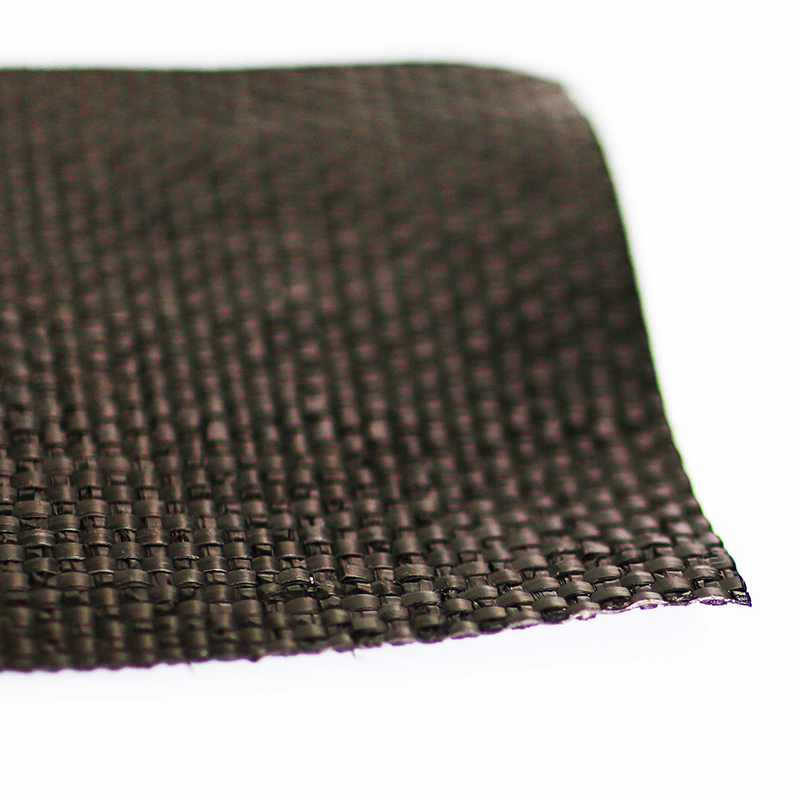
In railway systems, geotextiles are often used beneath ballast layers to prevent contamination and maintain track stability. These applications highlight how geosynthetics reduce lifecycle costs while improving safety and performance.
👉 Buyers often prioritize high-strength geosynthetics in civil engineering materials for road reinforcement when dealing with soft soil conditions.
How Geosynthetics in Civil Engineering Support Coastal and Hydraulic Engineering
Coastal and water management projects face challenges such as erosion, seepage, and structural instability. Geosynthetics in civil engineering offer flexible and efficient solutions.
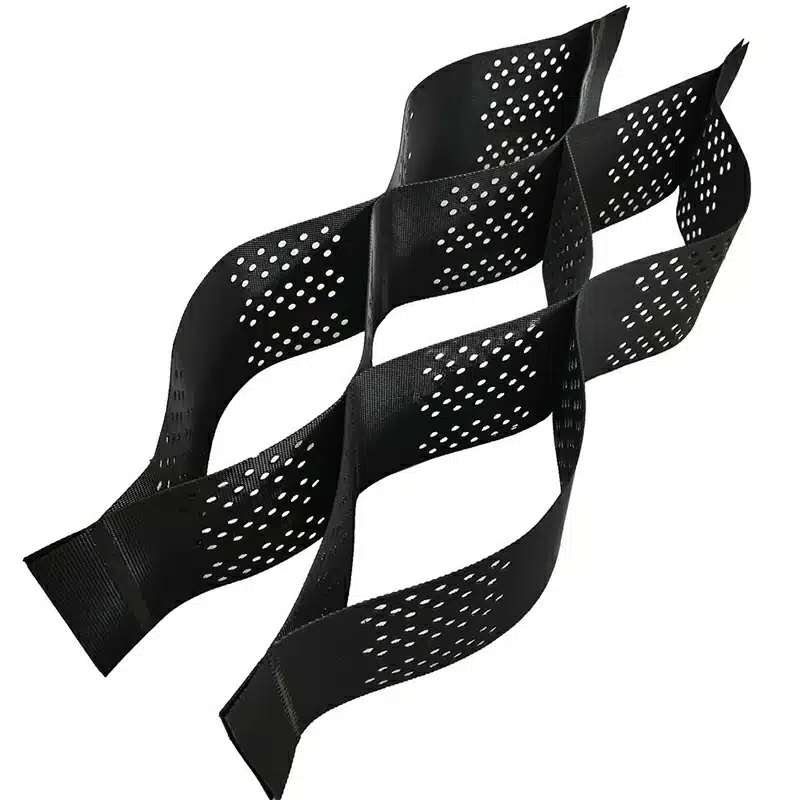
In Southeast Asia, geotextile tubes filled with sand were used to form coastal barriers. These structures absorbed wave energy and reduced shoreline erosion without relying on rigid concrete systems. In irrigation canal projects in China, geomembranes minimized water seepage, improving water-use efficiency.
These cases demonstrate how geosynthetics adapt to dynamic environments while maintaining performance over time.
👉 Engineering firms often select custom geosynthetics in civil engineering applications for water management systems to optimize project efficiency.
What Procurement Teams Should Consider When Selecting Geosynthetics
Selecting the right materials is essential for achieving project goals. Geosynthetics in civil engineering must be chosen based on application requirements, environmental conditions, and performance standards.
Key considerations include:
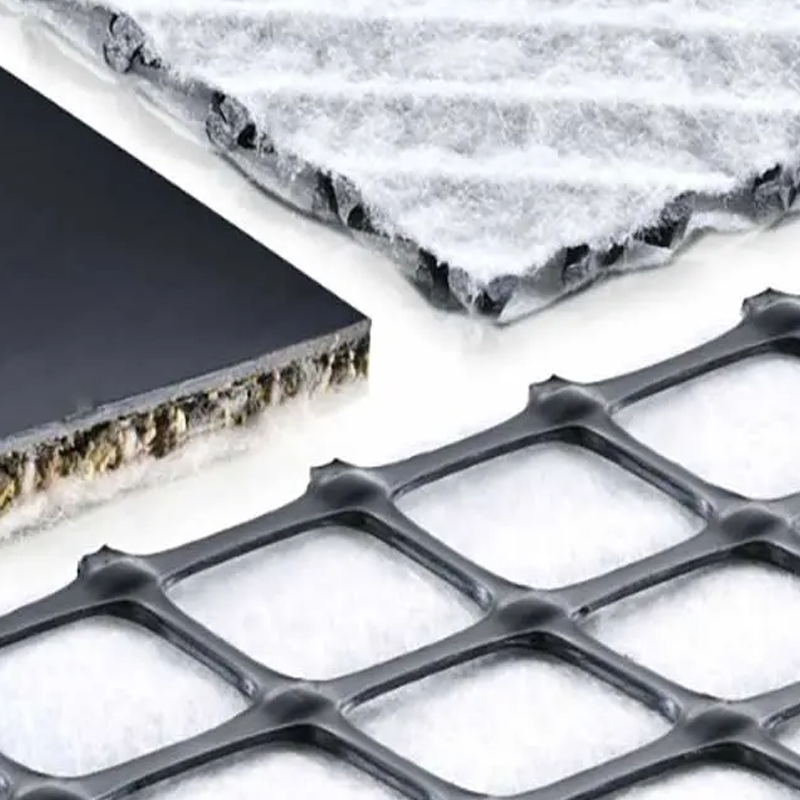
- Material type: geotextile, geomembrane, geogrid depending on function
- Strength and durability: resistance to load, UV, and chemicals
- Installation conditions: compatibility with site environment
- Supplier capability: original factory, customization, and delivery time
Working with an original manufacturer ensures consistent quality and flexible production options, which is critical for large-scale infrastructure projects.
From landfill containment to transportation and coastal protection, geosynthetics in civil engineering continue to prove their value across industries. Their ability to enhance durability, reduce costs, and support sustainable construction makes them a preferred choice for modern engineering projects.
For contractors and distributors, sourcing from an original factory with customization capabilities ensures reliable supply and project success. As global infrastructure demand grows, geosynthetics will remain a key solution for efficient and long-lasting construction.

Get Free Sample
We’ll respond as soon as possible(within 12 hours)