


+86-159 9860 6917
info@geofantex.com
geofantex@gmail.com
+86-400-8266163-44899
Geosynthetic reinforcement is a proven solution for contractors and buyers seeking cost-effective soil stabilization, faster installation, and long-term performance in demanding infrastructure projects. It directly supports procurement decisions by reducing material usage while improving structural reliability.
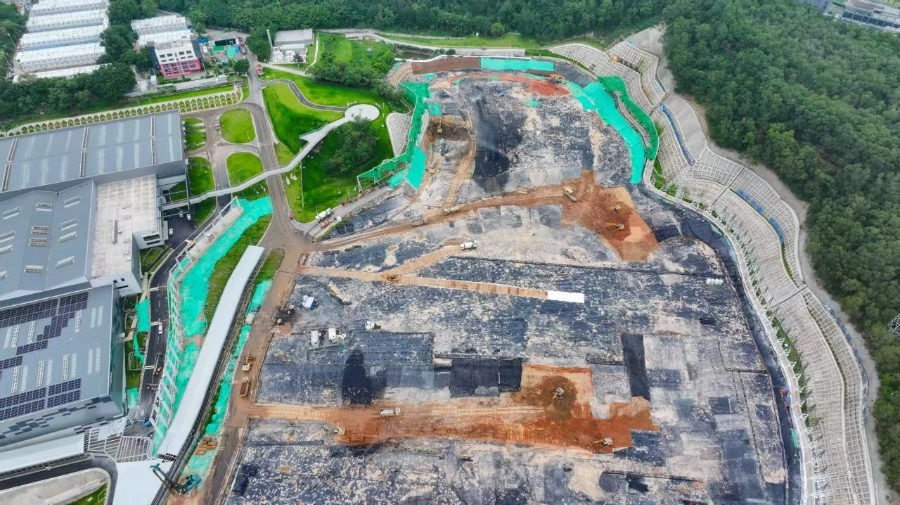
Geosynthetic Reinforcement in Landfill Engineering
Landfill systems require reliable containment, drainage, and slope stability. Geosynthetic reinforcement is widely applied in landfill base layers and cover systems to enhance load distribution and prevent settlement.
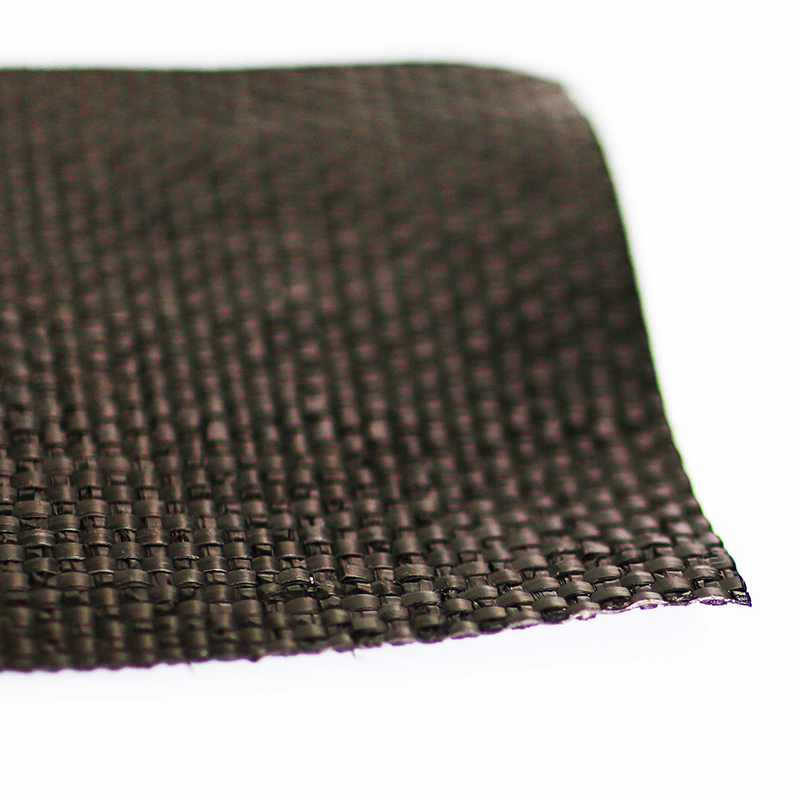
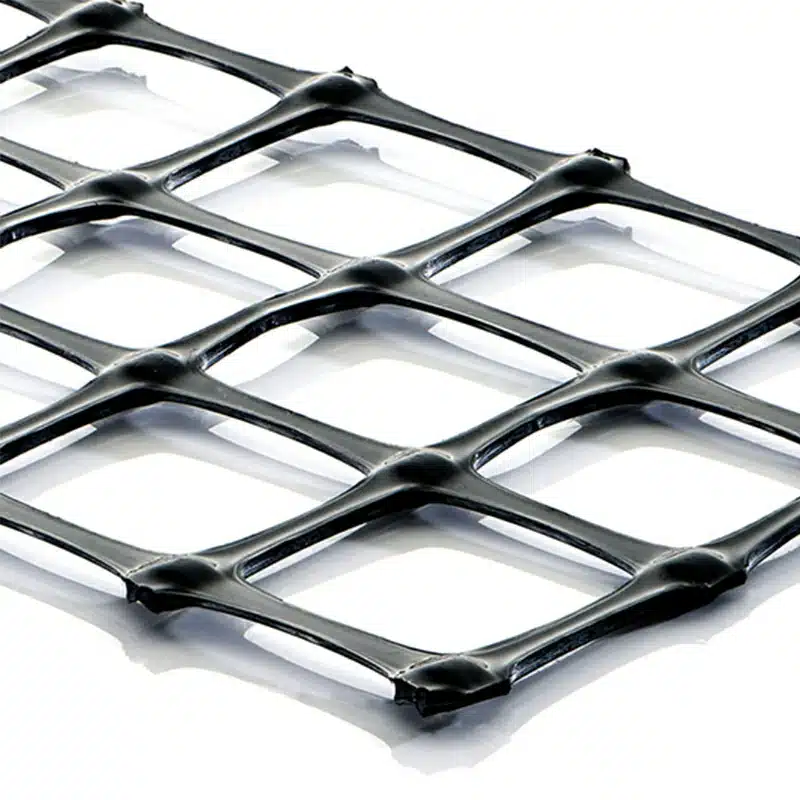
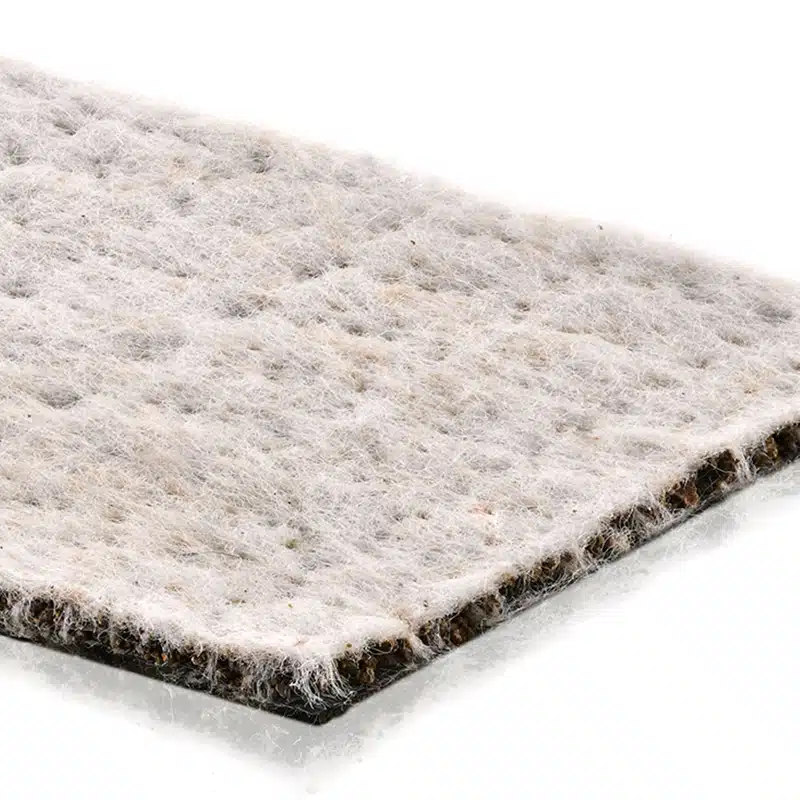
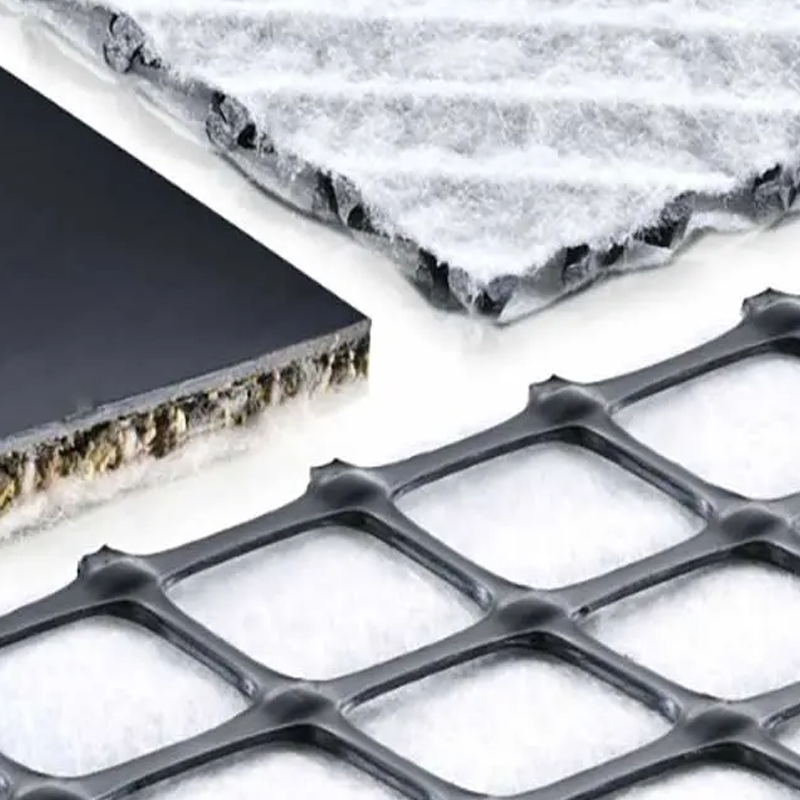
In a real project in Germany, engineers used high-strength geogrids combined with nonwoven geotextiles to stabilize a municipal landfill foundation built on soft subsoil. The reinforcement system significantly reduced differential settlement and improved liner protection.
- Application highlights:
- Reinforced base layers for heavy waste loads
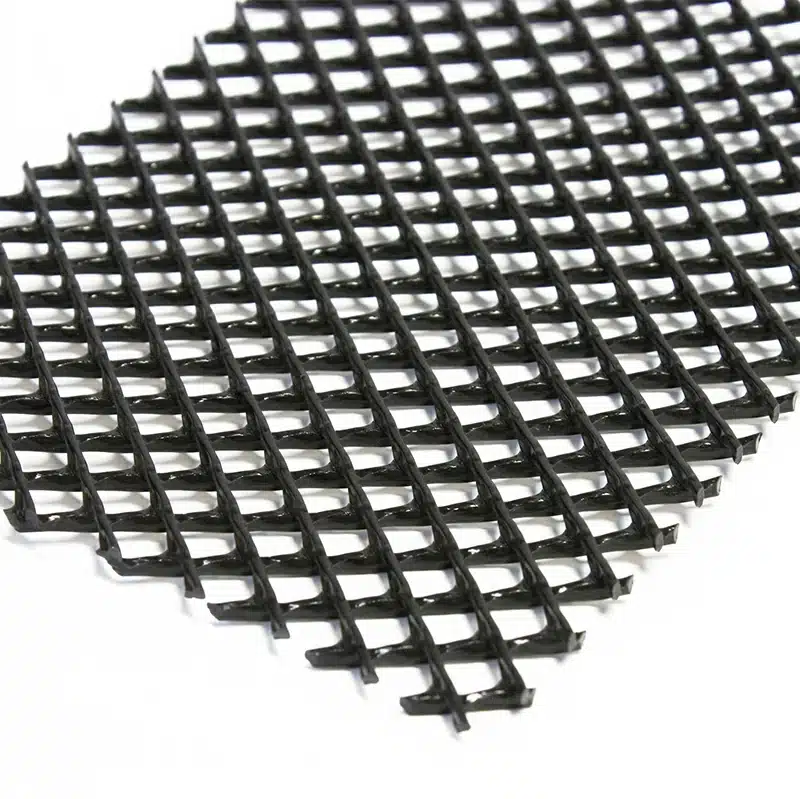
- Improved drainage when combined with geonet systems (similar to pump drainage series design logic)
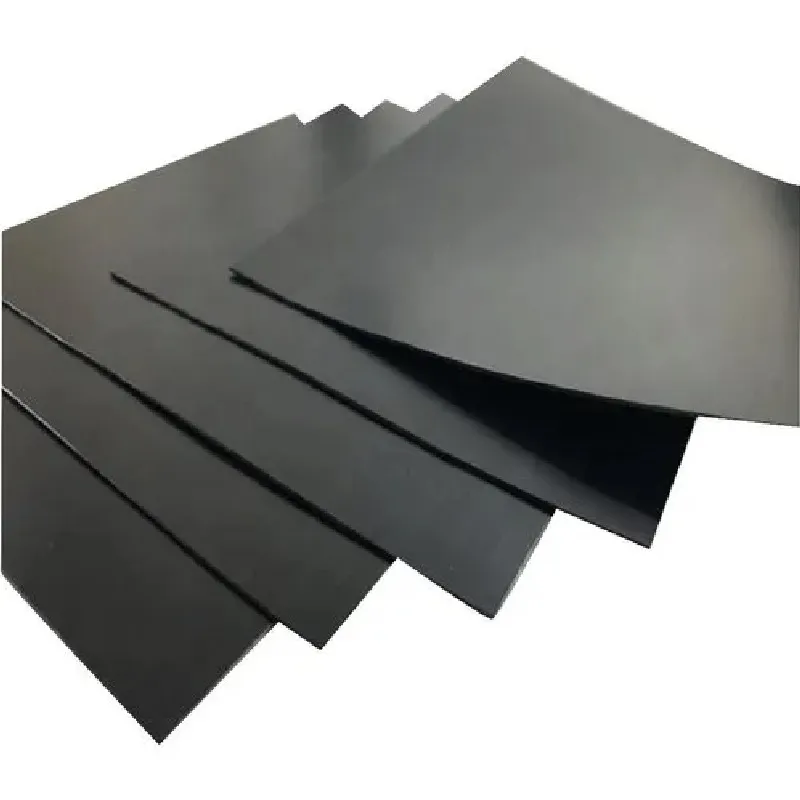
- Extended service life of geomembrane liners
For technical specs, refer to advanced geosynthetic reinforcement solutions for landfill stability.
Geosynthetic Reinforcement for Slope Stabilization
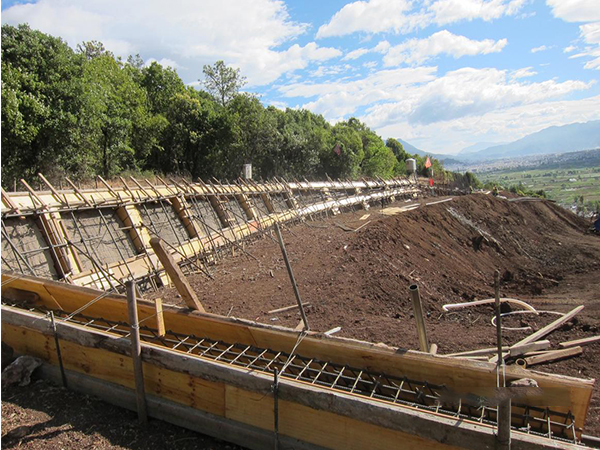
Slope failures are common in roadways, mining sites, and hydraulic projects. Geosynthetic reinforcement offers a flexible and durable solution compared to rigid concrete structures.
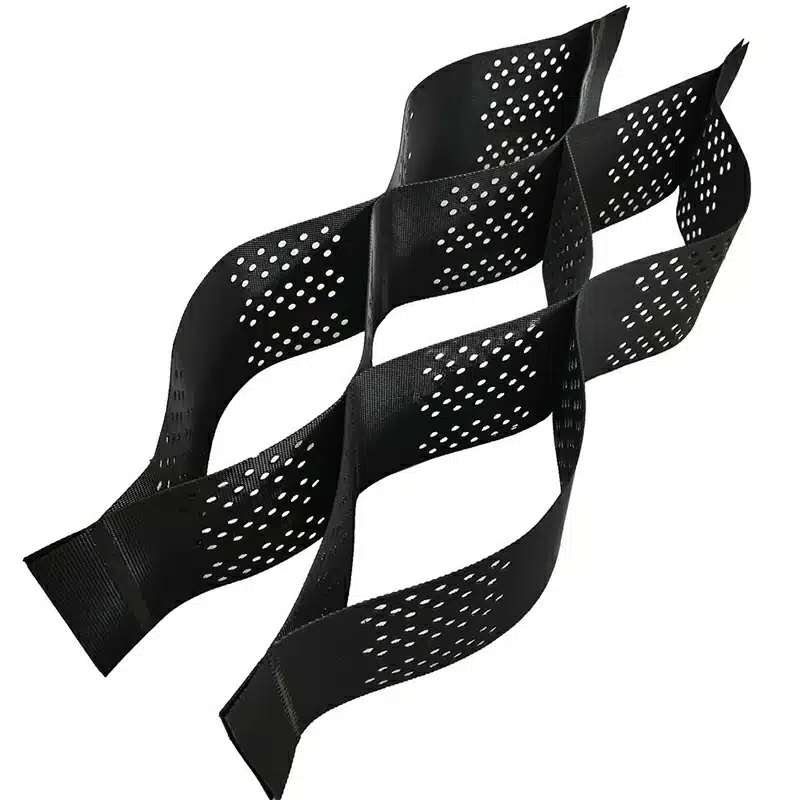
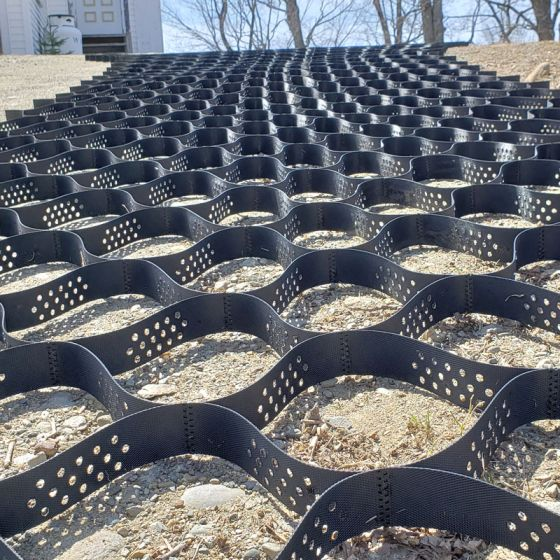
A highway slope project in Chile used geocells and biaxial geogrids to stabilize a 35-degree embankment. The system improved soil confinement and reduced erosion caused by seasonal rainfall.
- Key outcomes:
- Increased slope stability and shear resistance
- Reduced erosion and surface runoff (functioning like controlled drainage pumps in layered systems)
- Faster installation compared to traditional retaining structures
Learn more about complete geosynthetic reinforcement methods for slope protection systems.
Key Benefits of Geosynthetic Reinforcement in Construction
Across infrastructure sectors, geosynthetic reinforcement delivers measurable performance improvements:
- Cost efficiency: Reduces the need for imported aggregates
- Durability: Resistant to chemical, biological, and environmental degradation
- Design flexibility: Works in modular systems similar to engineered pump series layouts
- Sustainability: Minimizes carbon footprint and material waste
These advantages make it a preferred solution for engineers and procurement teams aiming to optimize lifecycle costs.
Procurement Considerations for Geosynthetic Reinforcement
When sourcing geosynthetic reinforcement, buyers should evaluate:
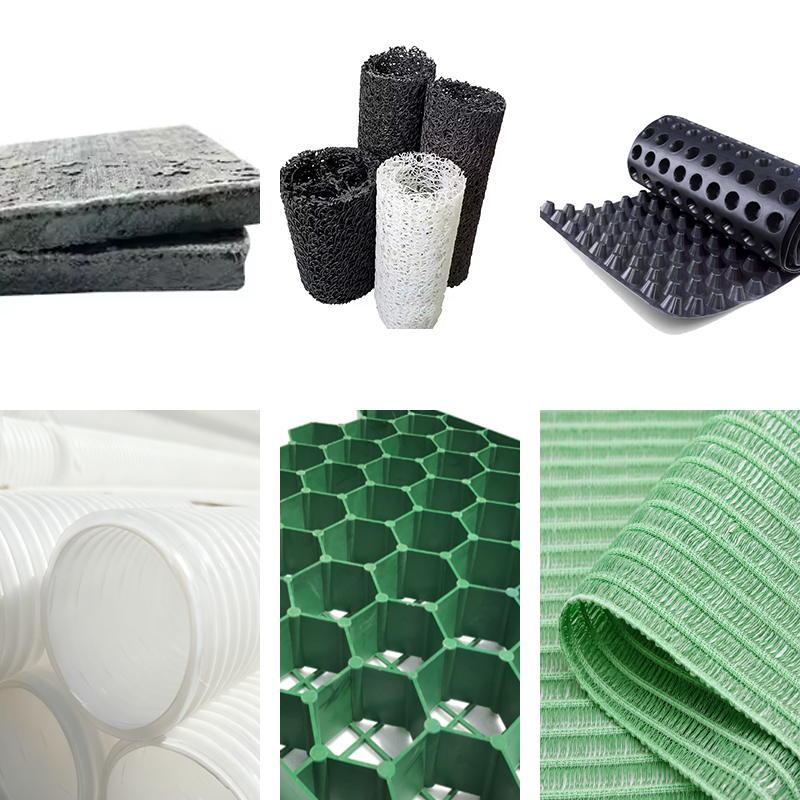
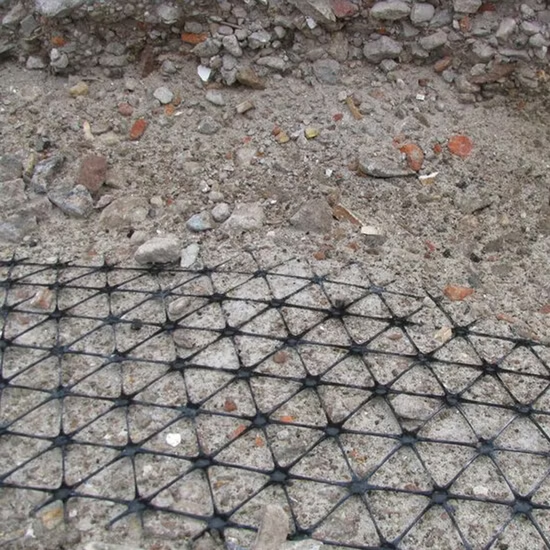
- Material type: Geogrid, geotextile, or geocell, depending on application
- Tensile strength and stiffness
- Compatibility with drainage systems (pump-integrated designs)
- Supplier capability for bulk orders and project customization
Explore reliable geosynthetic reinforcement supply options for large-scale projects.
Geosynthetic reinforcement continues to transform modern civil engineering by enabling safer, more efficient, and sustainable construction. From landfill containment to slope stabilization, real-world applications demonstrate its value in reducing risk and improving project outcomes.
Get Free Sample
We’ll respond as soon as possible(within 12 hours)