

+86-159 9860 6917
info@geofantex.com
geofantex@gmail.com
+86-400-8266163-44899
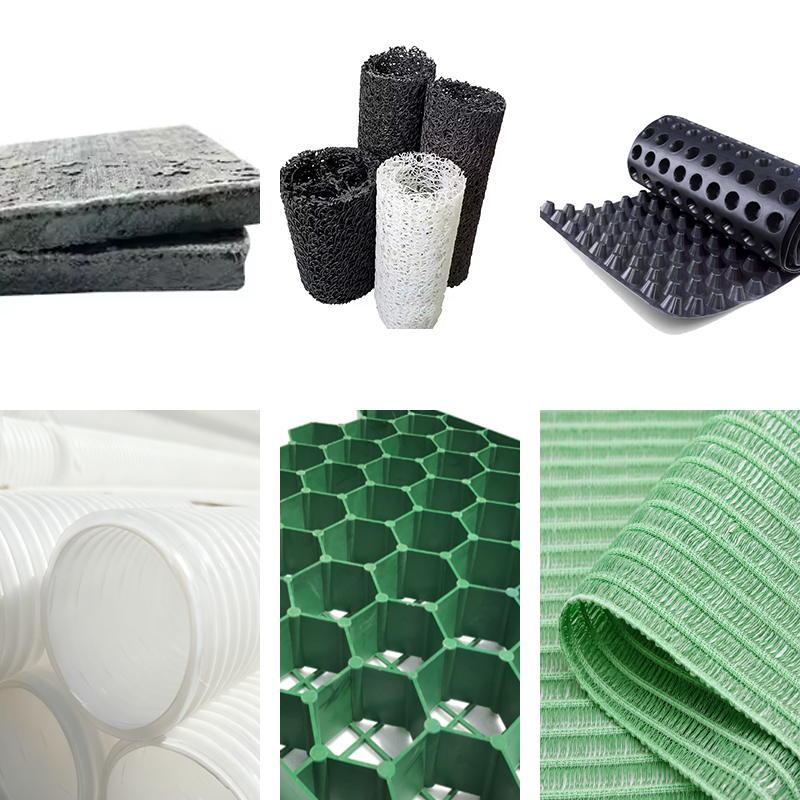
Geocomposite Drainage System solutions are widely used in retaining walls, tunnels, highways, and underground structures where efficient water management is essential. Contractors and procurement teams choose these drainage materials to reduce hydrostatic pressure, improve structural stability, and lower long-term maintenance costs in civil engineering projects.
Why Use a Geocomposite Drainage System for Retaining Walls?
A retaining wall requires an efficient drainage system to prevent water accumulation behind the structure. Without proper drainage, hydrostatic pressure may lead to wall cracking, soil erosion, and costly repairs.
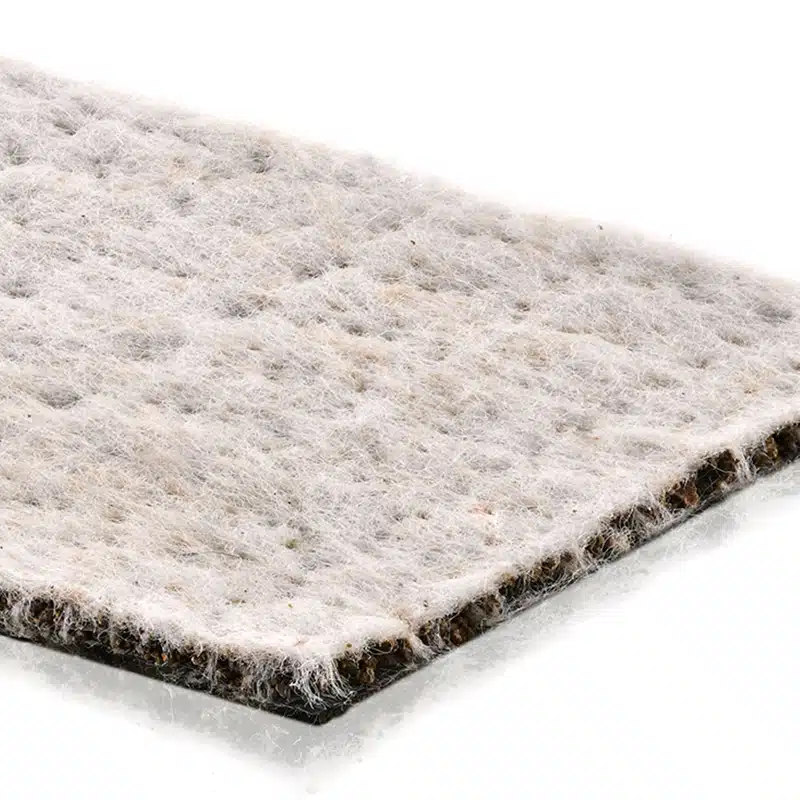
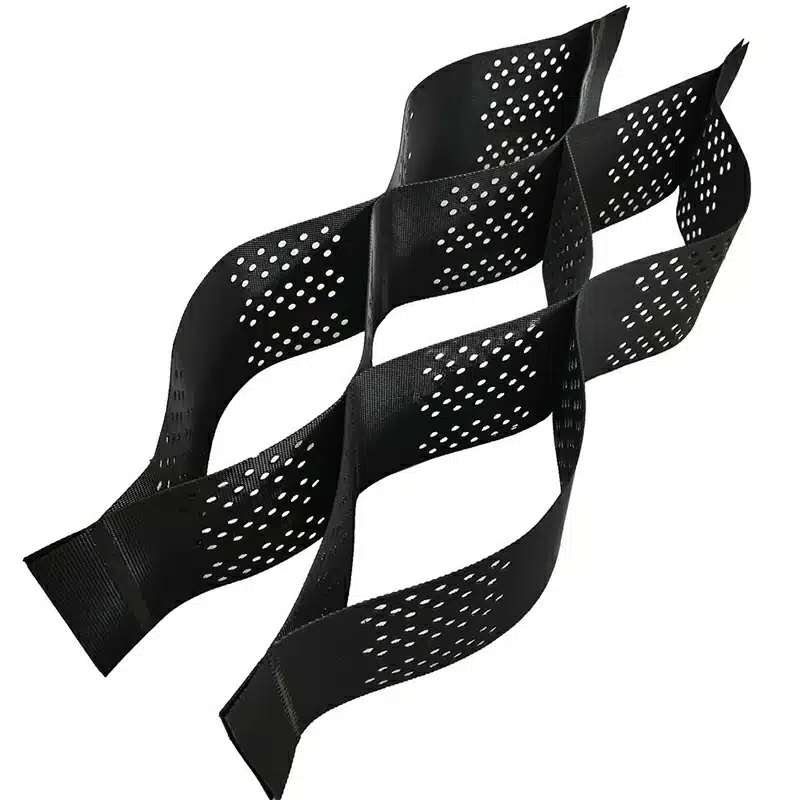
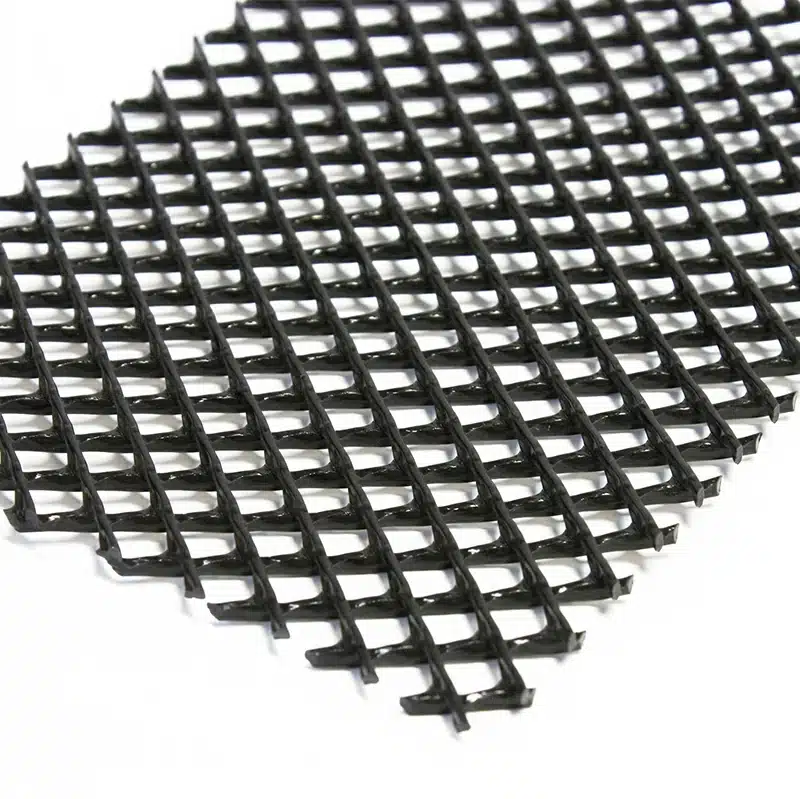
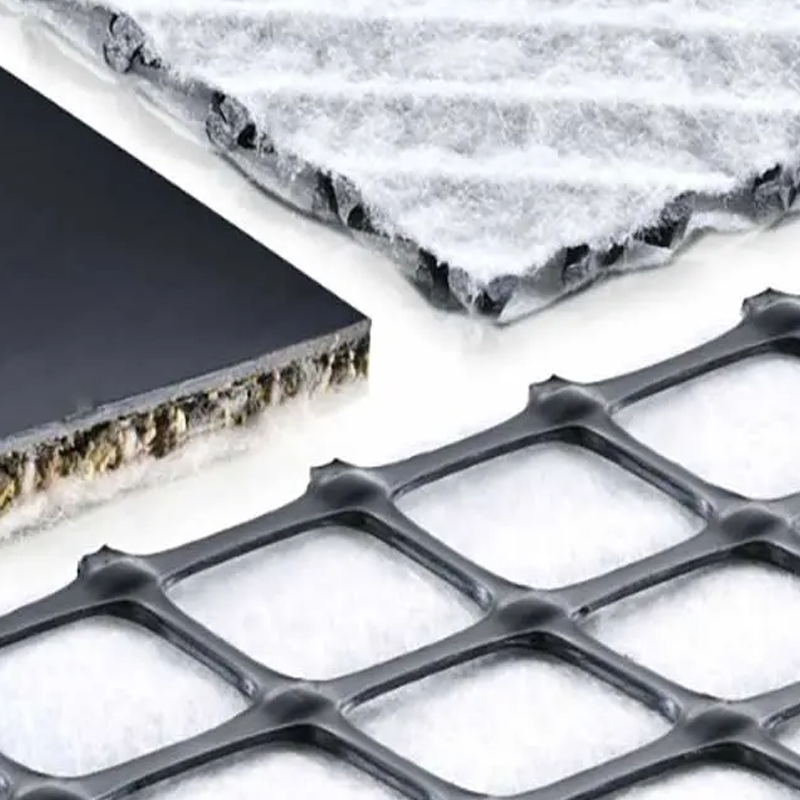
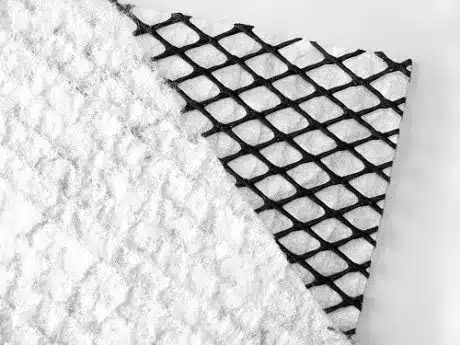
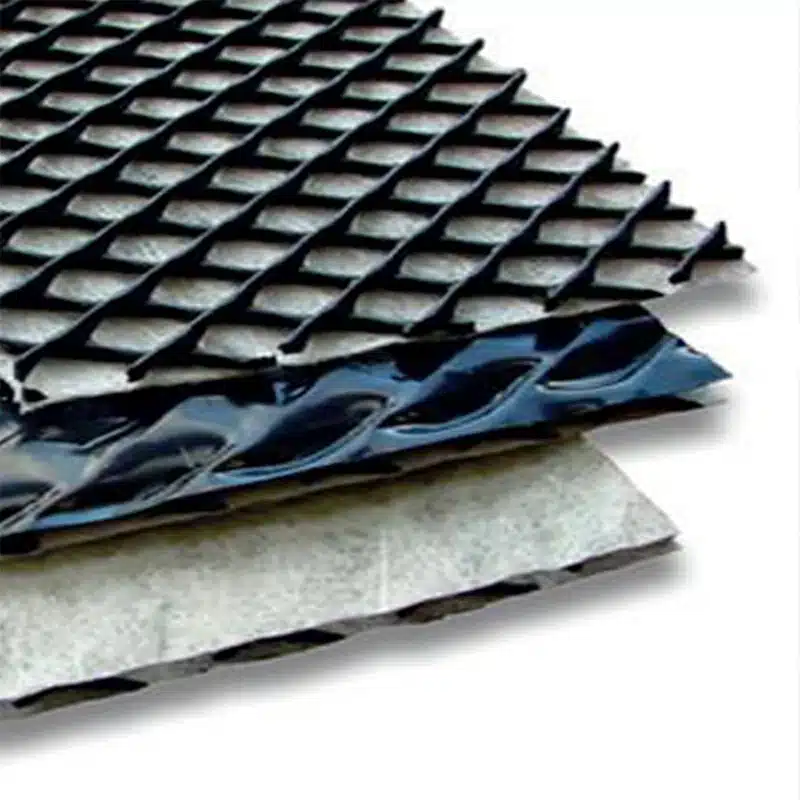
A Geocomposite Drainage System combines a polymer drainage core with nonwoven geotextile fabric to create a highly effective drainage layer. Compared with traditional gravel drainage systems, it requires less excavation space and significantly reduces transportation and labor costs.
Main advantages include:
- Excellent drainage performance
- Reduced hydrostatic pressure
- Lightweight and easy installation
- Long-term chemical resistance
- Lower construction and maintenance costs
Many infrastructure contractors also use advanced Geocomposite Drainage System solutions for retaining wall projects to improve drainage efficiency in limited construction spaces.
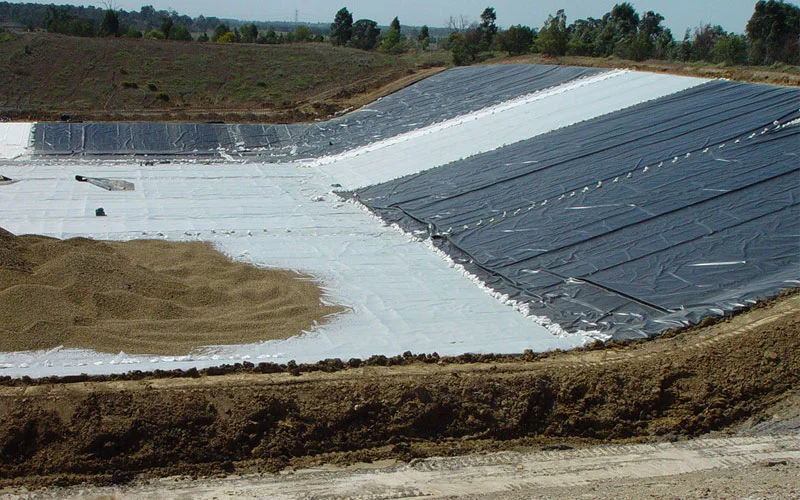
How Does a Geocomposite Drainage System Improve Water Flow?
Modern geosynthetic drainage materials are designed to quickly collect and discharge groundwater from behind retaining walls and underground structures. The drainage core creates a continuous flow channel, while the geotextile filter layer prevents soil particles from clogging the system.
A properly installed Geocomposite Drainage System helps improve the durability of:
- Retaining walls
- Bridge abutments
- Basement walls
- Tunnel structures
- Highway embankments
Compared with traditional crushed stone drainage, geocomposite drainage materials provide more consistent flow capacity and easier installation.
Engineering companies often select high-flow Geocomposite Drainage System materials for underground construction drainage because they simplify installation while maintaining reliable long-term performance.ance.
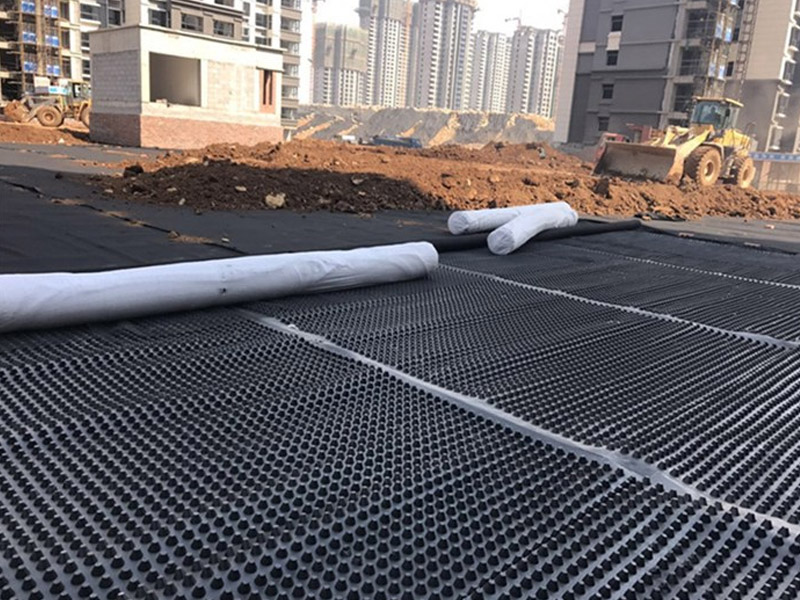
What Factors Should Be Considered When Selecting a Geocomposite Drainage System?
Choosing the correct drainage material depends on project conditions, soil characteristics, and load requirements. Engineers should evaluate drainage performance and material durability before installation.
Important selection factors include:
- Drainage flow capacity
- Compressive strength
- Geotextile filtration efficiency
- Chemical and biological resistance
- Service life expectancy
A high-quality Geocomposite Drainage System can maintain stable drainage performance even under heavy loads and difficult environmental conditions. This makes it suitable for both temporary and permanent infrastructure applications.
Many procurement teams also prefer durable Geocomposite Drainage System materials for civil engineering projects because they reduce long-term maintenance risks and improve construction efficiency.
Where Are Geocomposite Drainage Systems Commonly Used?
Today, Geocomposite Drainage System products are widely used across geotechnical and environmental engineering industries. Their flexible structure and efficient drainage capacity make them suitable for multiple applications.
Common application areas include:
- Retaining wall drainage systems
- Landfill drainage layers
- Railway infrastructure
- Highway construction projects
- Basement waterproofing systems
- Tunnel drainage engineering
With the increasing demand for sustainable infrastructure, geosynthetic drainage materials continue to replace traditional gravel-based drainage methods in modern construction projects.
A reliable drainage system is essential for maintaining retaining wall stability and extending infrastructure lifespan. By combining filtration, drainage, and structural protection into one solution, Geocomposite Drainage System products provide efficient water management for modern civil engineering projects. Their lightweight structure, easy installation, and long-term durability make them an ideal choice for contractors, engineers, and procurement teams.

Get Free Sample
We’ll respond as soon as possible(within 12 hours)