

+86-159 9860 6917
info@geofantex.com
geofantex@gmail.com
+86-400-8266163-44899
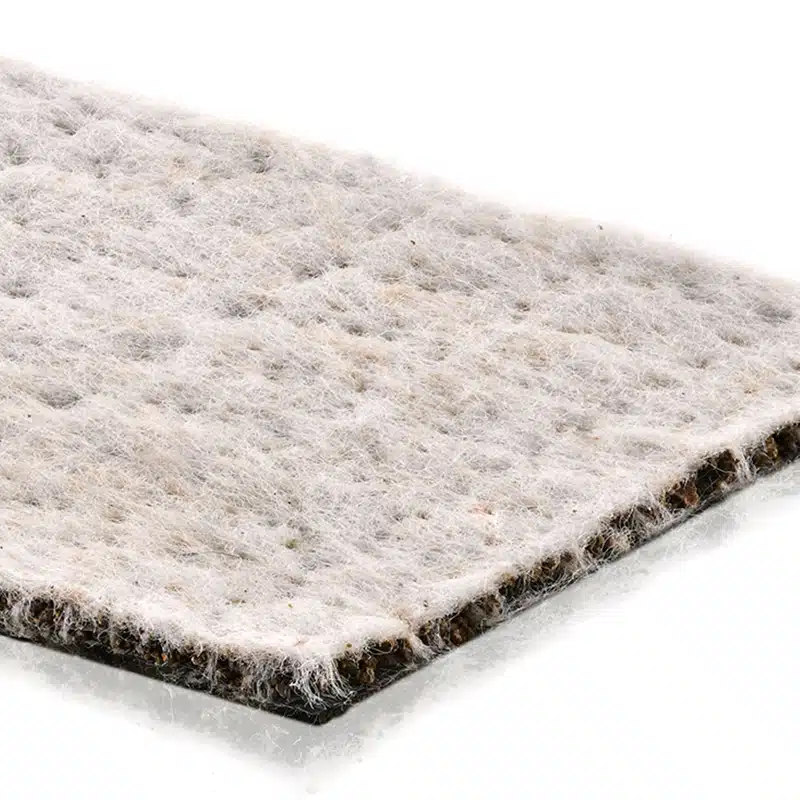
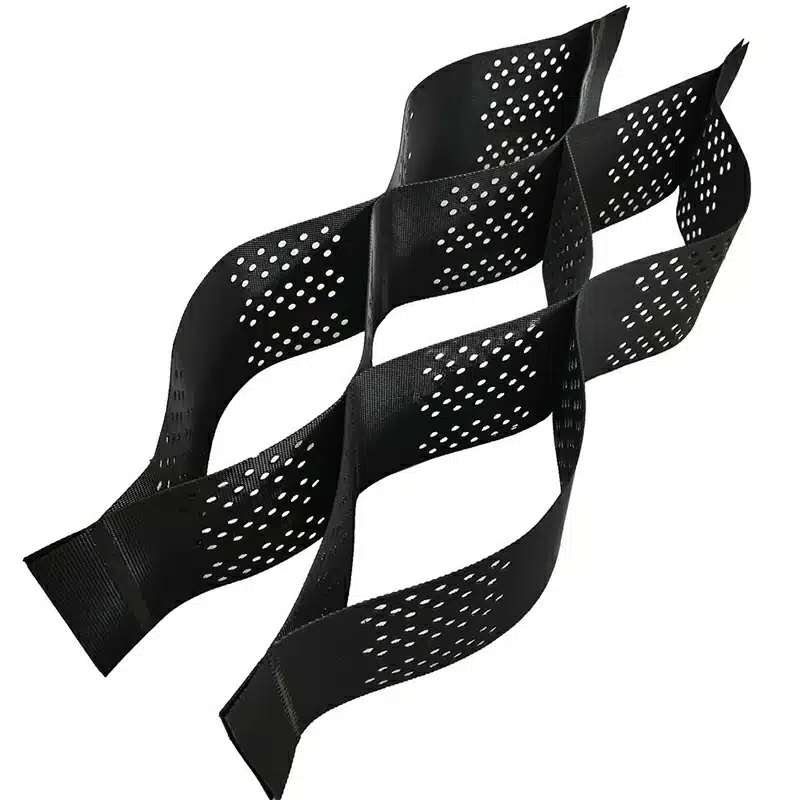
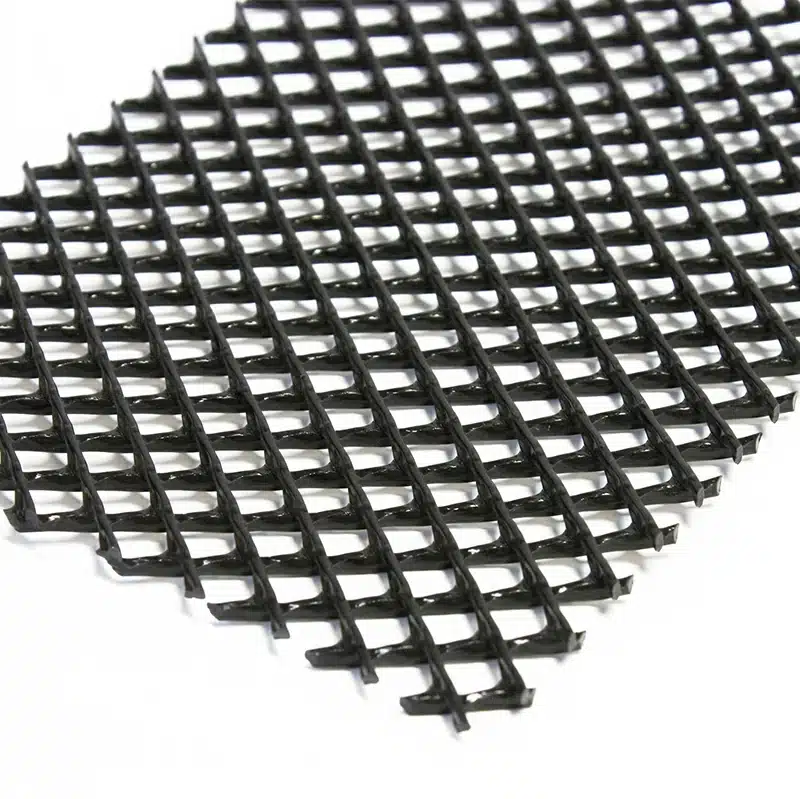
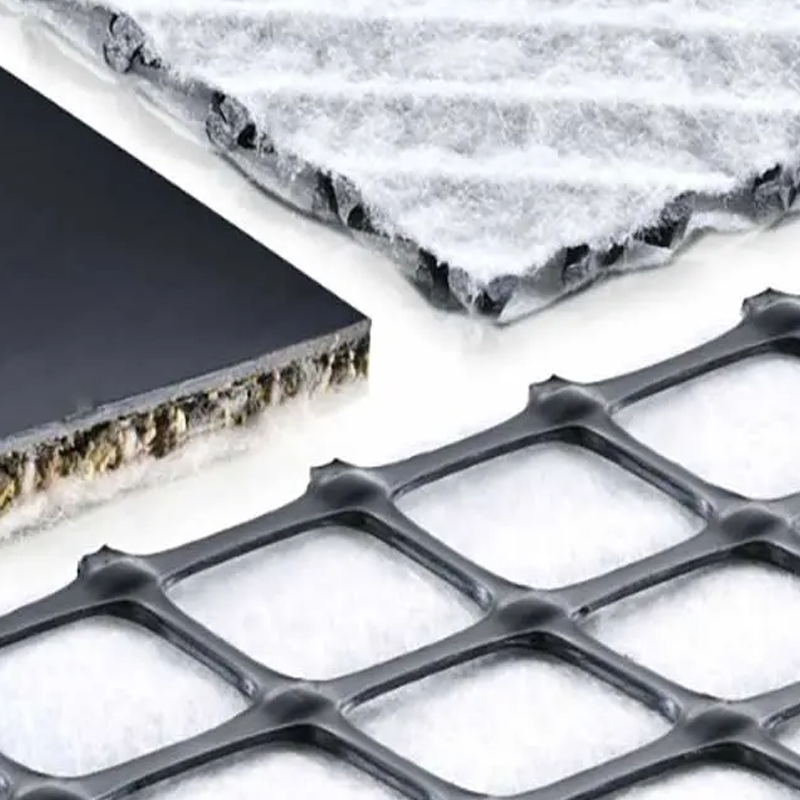
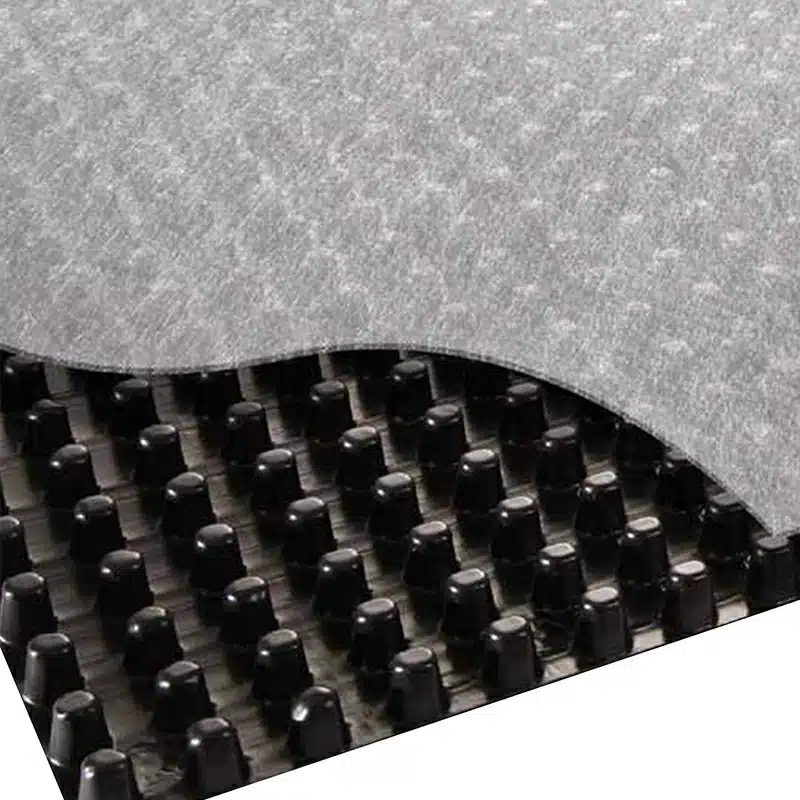
Geocomposite drainage layer solutions are increasingly selected by procurement managers, contractors, and engineers seeking reliable drainage systems for modern infrastructure construction. Whether used in railway engineering or retaining wall projects, integrated drainage materials help improve water management, reduce installation costs, and support long-term structural performance.
As infrastructure projects continue demanding faster construction and lower maintenance costs, choosing the right geosynthetic drainage system has become a critical purchasing decision. Today, many project developers are evaluating performance, durability, and engineering adaptability before selecting drainage materials.
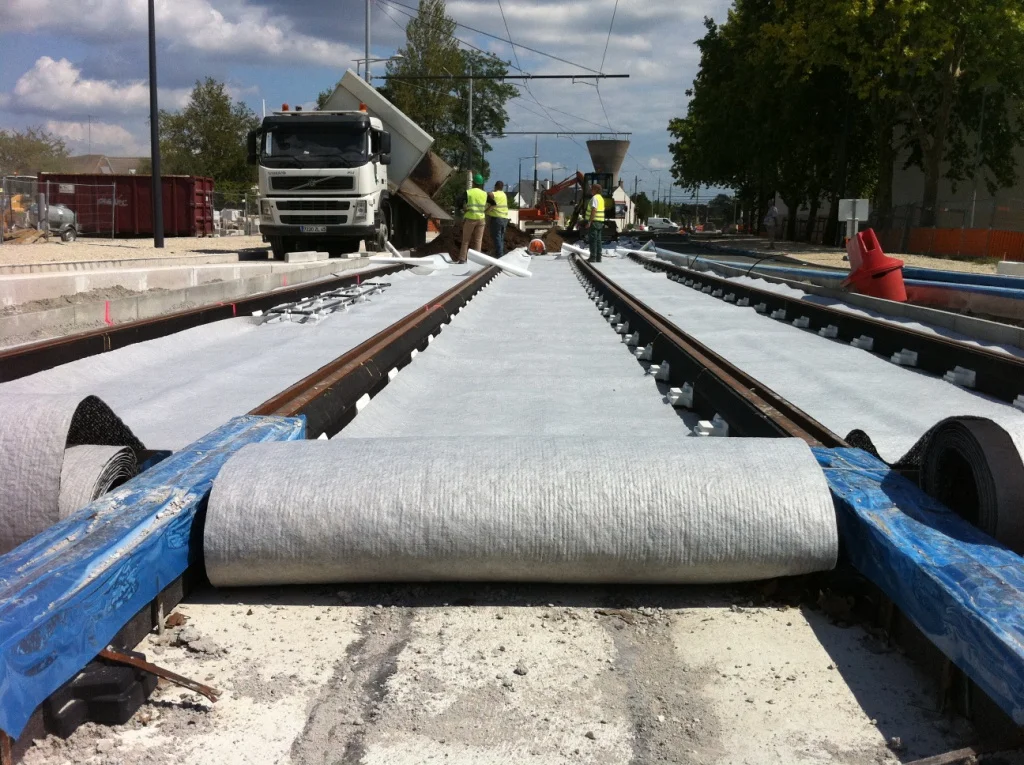
Why Is Geocomposite Drainage Layer Becoming Popular in Railway Projects?
Railway projects require efficient water control because excess moisture can weaken subgrade stability and affect track performance over time. Modern drainage technologies offer a practical alternative to traditional gravel systems. They also help improve water flow while reducing installation complexity.
Compared with conventional aggregate layers, geosynthetic drainage systems require less transportation and installation effort. This can significantly reduce labor costs and improve construction efficiency, especially for large-scale railway infrastructure projects.
Many engineers also choose advanced geocomposite drainage layer solutions for railway infrastructure because integrated drainage structures improve water flow while reducing project complexity. These systems help create more stable railway foundations under varying environmental conditions.
How Does Geocomposite Drainage Layer Improve Retaining Wall Performance?
Retaining walls often face hydrostatic pressure buildup due to groundwater accumulation behind structures. Without efficient drainage, water pressure can compromise wall stability and increase maintenance requirements.
Modern drainage materials collect and redirect water effectively. This process helps reduce pressure and protect nearby soil structures. At the same time, integrated designs combine multiple functions into a single solution, making installation more efficient.
Many contractors are adopting engineered geocomposite drainage layer systems for retaining wall applications because they simplify installation and minimize material usage. Compared with traditional stone drainage layers, these systems occupy less space while maintaining consistent performance.
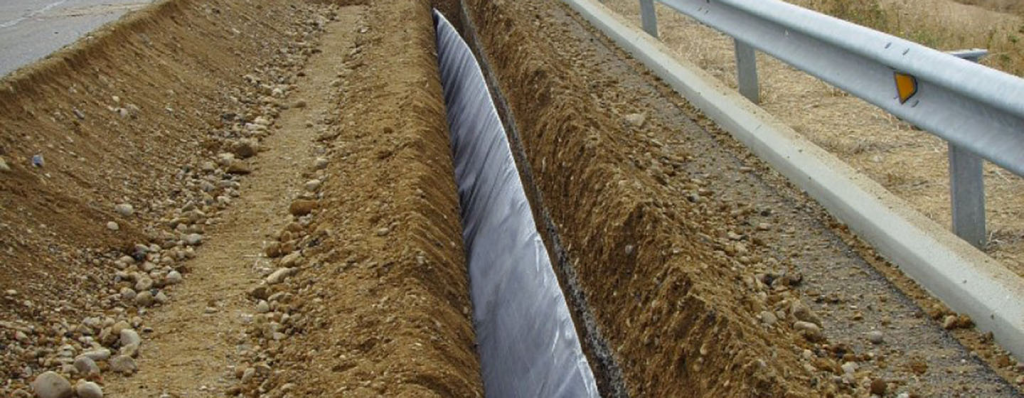
What Purchasing Factors Should Buyers Consider?
Infrastructure buyers increasingly focus on lifecycle value rather than simply evaluating initial material costs. Product durability, manufacturing consistency, and technical support are becoming major purchasing considerations.
When evaluating drainage products, project teams should review hydraulic performance, compression resistance, filtration capability, and environmental adaptability. These factors directly influence construction quality and long-term project success.
Many procurement professionals also seek custom geocomposite drainage layer technologies for civil engineering projects because site conditions often require tailored solutions. Working with experienced manufacturers helps ensure compatibility with project specifications and engineering standards.
Why Are Geosynthetic Drainage Systems Gaining Global Attention?
Global investments in transportation, municipal construction, and environmental infrastructure continue expanding demand for geosynthetic technologies. Compared with traditional drainage materials, engineered systems offer significant advantages in installation speed, logistics efficiency, and sustainability.
Compared with traditional methods, engineered drainage technologies improve installation speed and reduce logistical challenges. They also support sustainable construction practices by lowering material consumption and simplifying maintenance.
As engineering requirements evolve, integrated drainage solutions will continue supporting safer and more efficient construction projects worldwide.
Infrastructure projects increasingly require drainage technologies that combine performance, efficiency, and durability. A well-designed geocomposite drainage layer supports effective water management in railway systems and retaining wall structures while helping reduce construction complexity. For project owners and contractors seeking dependable geosynthetic solutions, selecting an experienced manufacturing partner can create long-term project value and stronger engineering outcomes.
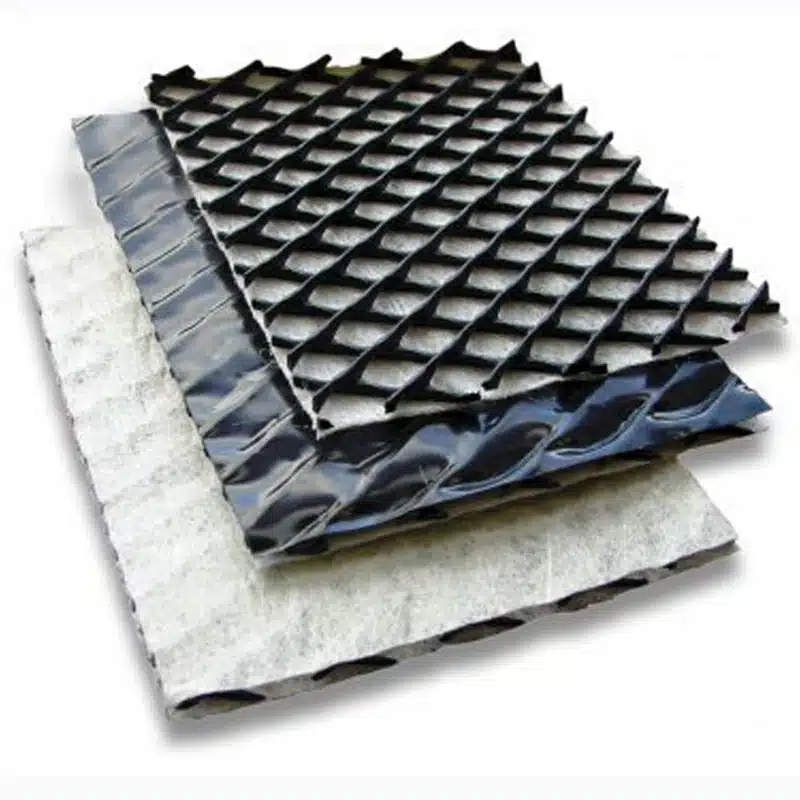

Get Free Sample
We’ll respond as soon as possible(within 12 hours)