


+86-159 9860 6917
info@geofantex.com
geofantex@gmail.com
+86-400-8266163-44899
Supply drainage geocomposites are widely used in railway and landfill projects where efficient water management is essential for long-term performance. For contractors, engineers, and distributors seeking reliable drainage solutions, drainage geocomposites provide a lightweight, durable, and cost-effective alternative to traditional aggregate drainage systems while reducing installation time and maintenance requirements.
What Are Drainage Geocomposites?
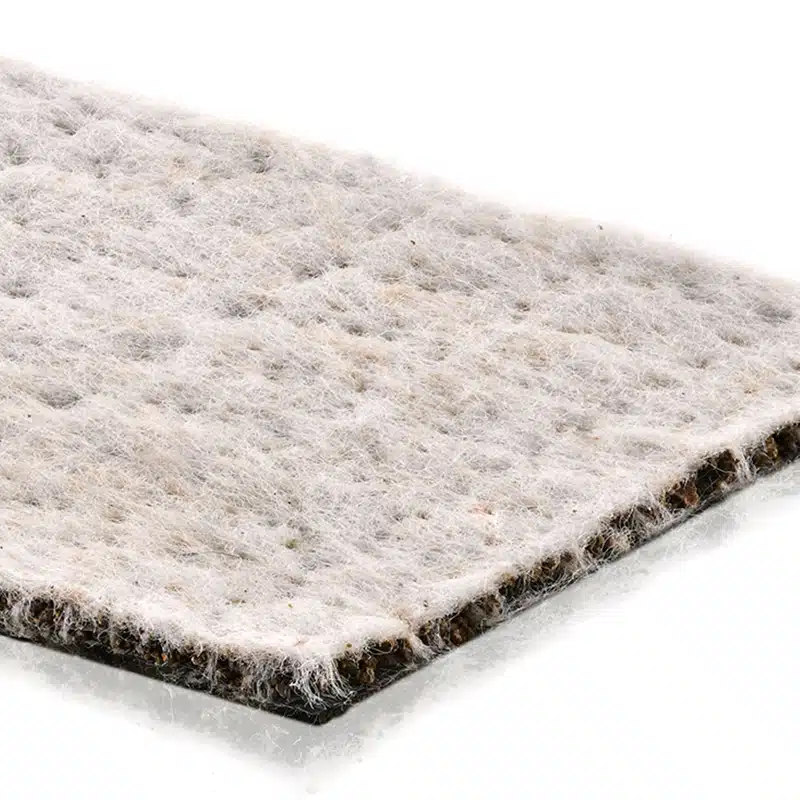
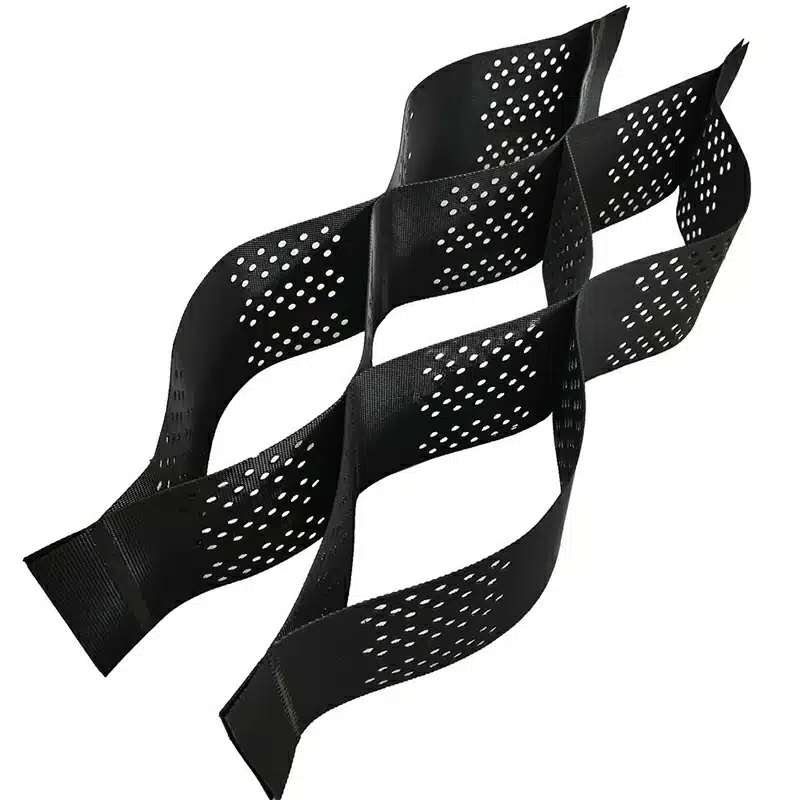
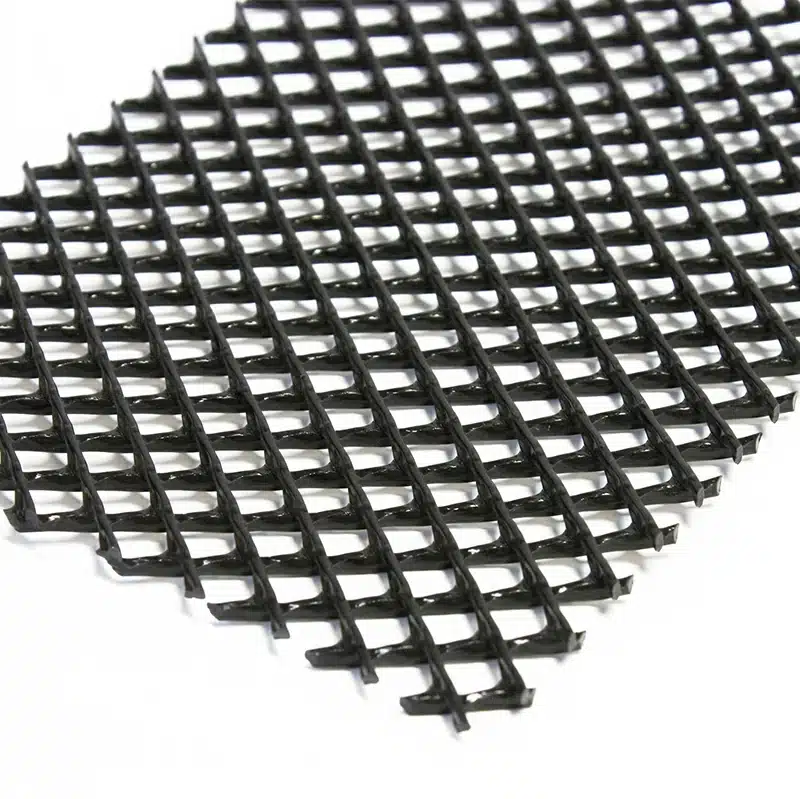
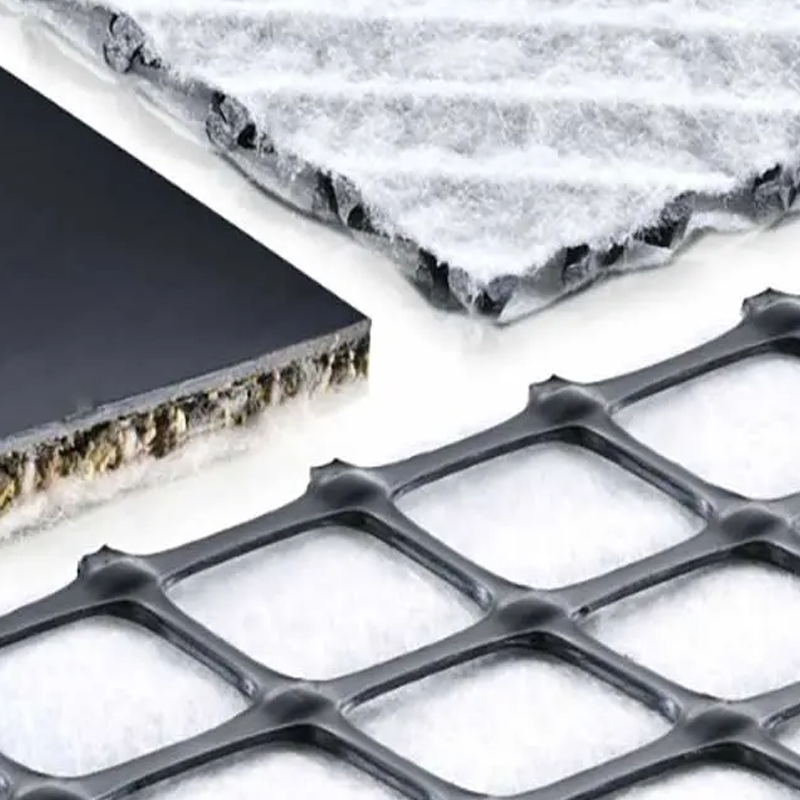
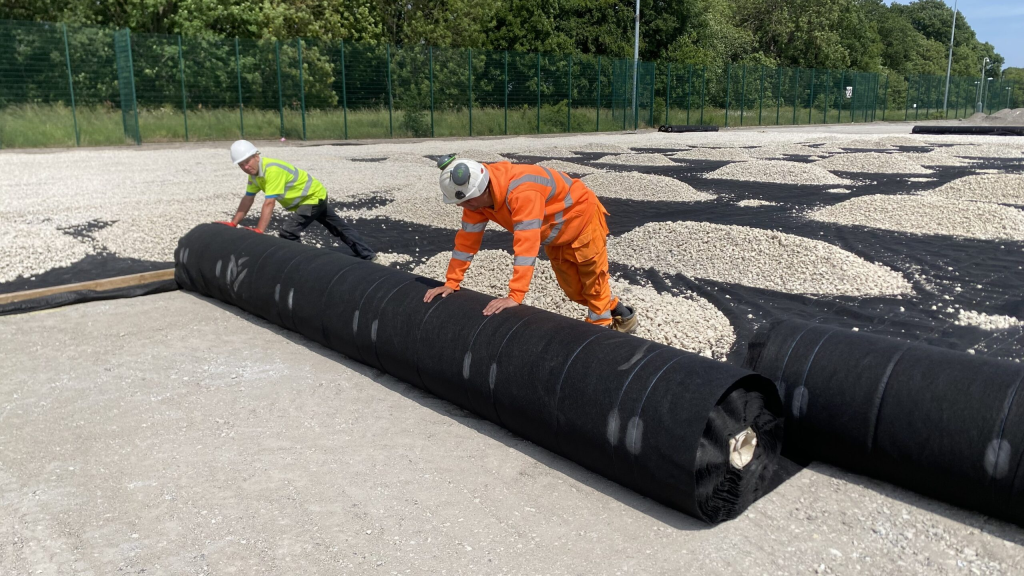
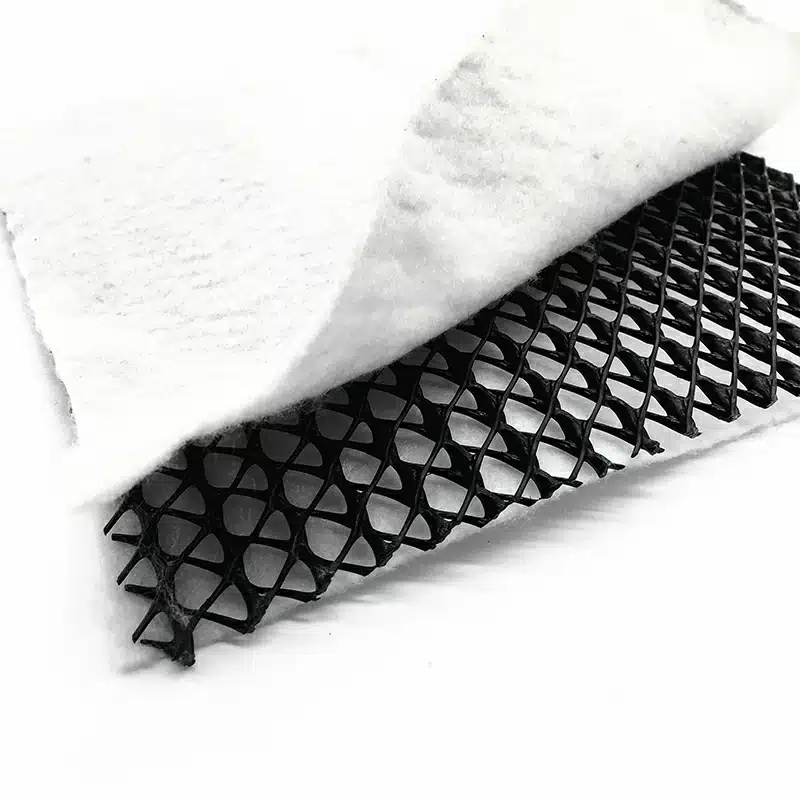
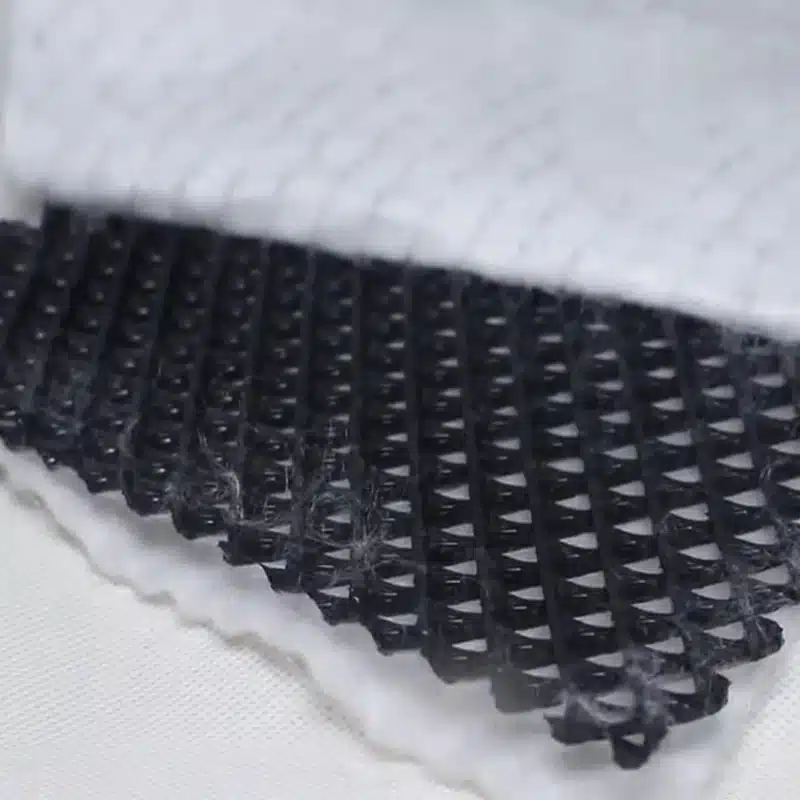
Supply drainage geocomposites are engineered geosynthetic materials designed to collect, transmit, and discharge water while preventing soil intrusion. Typically consisting of a drainage core bonded with nonwoven geotextiles, they combine drainage, filtration, and separation functions into a single product.
Compared with conventional gravel drainage layers, drainage geocomposites require less excavation, occupy less space, and offer more consistent hydraulic performance. Their lightweight structure simplifies transportation and installation, making them a preferred solution in modern infrastructure projects.
For buyers evaluating drainage systems, supply drainage geocomposites solutions for civil engineering projects can significantly reduce material consumption while maintaining effective drainage capacity throughout the service life of the structure.
Why Is the Market Demand for Drainage Geocomposites Growing?
The increasing focus on infrastructure durability and environmental protection has accelerated the adoption of supply drainage geocomposites across transportation, waste management, and construction sectors.
According to Grand View Research, the global geocomposites market was valued at approximately USD 575.2 million in 2024 and is projected to reach USD 943.7 million by 2030, growing at a CAGR of 8.6%. This growth is largely driven by the demand for efficient drainage and erosion control solutions in major infrastructure developments.
At the same time, Polaris Market Research reports that the global geosynthetics market was valued at USD 16.2 billion in 2023 and is expected to reach USD 30.34 billion by 2032. These figures highlight the expanding role of geosynthetic products in modern engineering applications.Companies seeking long-term drainage performance increasingly choose advanced supply drainage geocomposites for infrastructure development because they provide reliable water flow while minimizing construction costs.
Where Are Drainage Geocomposites Commonly Used?
Railway construction is one of the most important applications for drainage geocomposites. Water accumulation beneath railway tracks can weaken the subgrade, increase maintenance requirements, and reduce service life. By efficiently removing excess moisture, drainage geocomposites help maintain track stability and improve operational safety.
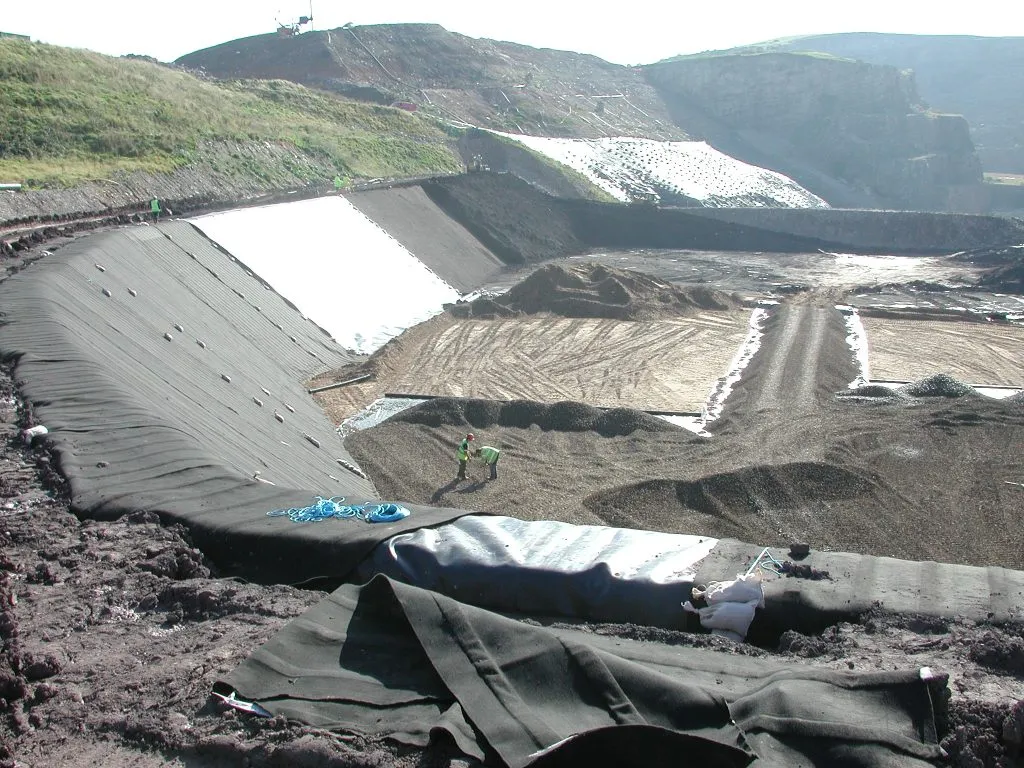
Landfill engineering is another major application area. Modern landfills require effective leachate collection systems to prevent environmental contamination. Drainage geocomposites create highly efficient flow channels that transport leachate while reducing the need for thick aggregate drainage layers. Their chemical resistance and durability make them particularly suitable for long-term landfill operations.
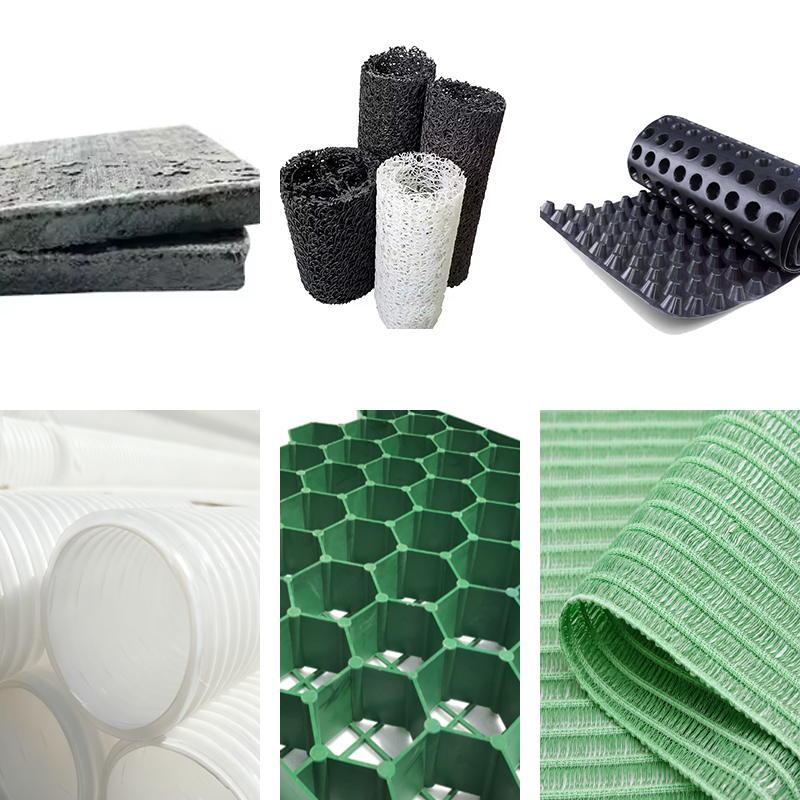
In addition to railways and landfills, these products are frequently used in retaining walls, tunnels, bridge abutments, basements, and green roof systems where water control is critical.
How Do Supply Drainage Geocomposites Support Sustainable Construction?
Sustainability has become a major focus in infrastructure development. Modern drainage materials help reduce the use of natural aggregates, which conserves resources and lowers transportation-related emissions. They can also reduce excavation requirements and minimize site disruption during construction.
According to DataIntelo, the global geosynthetic drainage composites market reached approximately USD 1.52 billion in 2024 and is forecast to grow to USD 2.82 billion by 2033, representing a CAGR of 7.1%. The continued growth of this market reflects increasing recognition of the value provided by modern drainage technologies.
Project owners also benefit from reduced excavation requirements, lower labor costs, and faster installation schedules. As a result, supply drainage geocomposites for landfill and railway drainage systems are becoming an essential component of sustainable infrastructure development worldwide.
The growing demand for durable and environmentally responsible infrastructure continues to drive the adoption of supply drainage geocomposites. Whether used in railway drainage systems or landfill leachate collection applications, these advanced geosynthetic materials deliver efficient water management, simplified installation, and long-term performance. Their proven engineering advantages make them an increasingly preferred solution for modern civil and environmental projects.
Get Free Sample
We’ll respond as soon as possible(within 12 hours)