

+86-159 9860 6917
info@geofantex.com
geofantex@gmail.com
+86-400-8266163-44899
High-performance geosynthetic products help contractors, distributors, and project buyers improve soil stability, drainage, reinforcement, separation, and containment across demanding infrastructure projects. Selecting the right geotextile, geogrid, geomembrane, geocell, or geocomposite requires more than comparing price or basic specifications. Buyers should evaluate engineering function, material properties, installation conditions, compliance requirements, and long-term performance before procurement.
What Are High-Performance Geosynthetic Products?
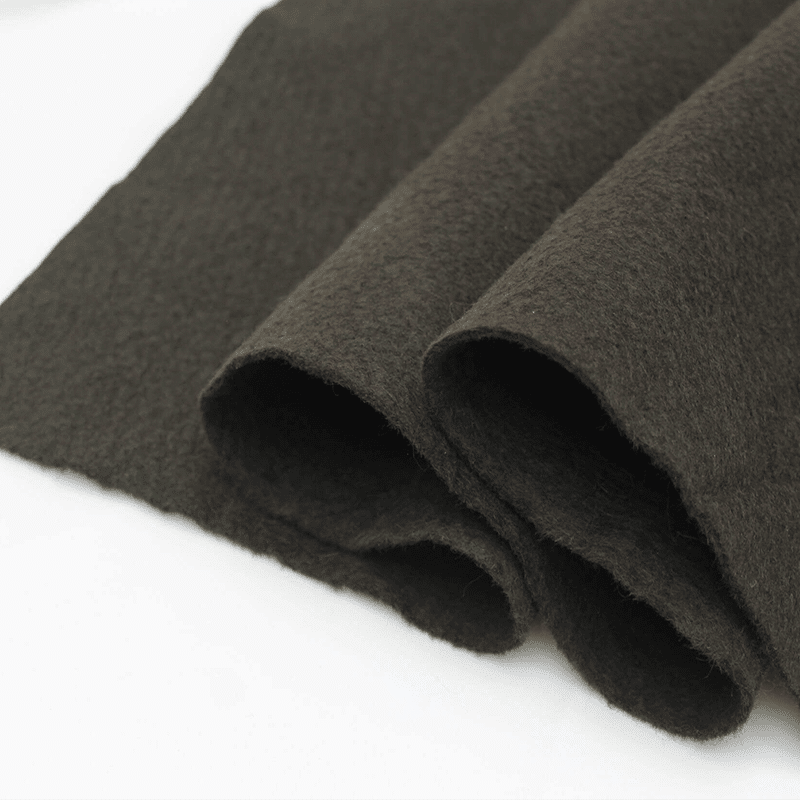
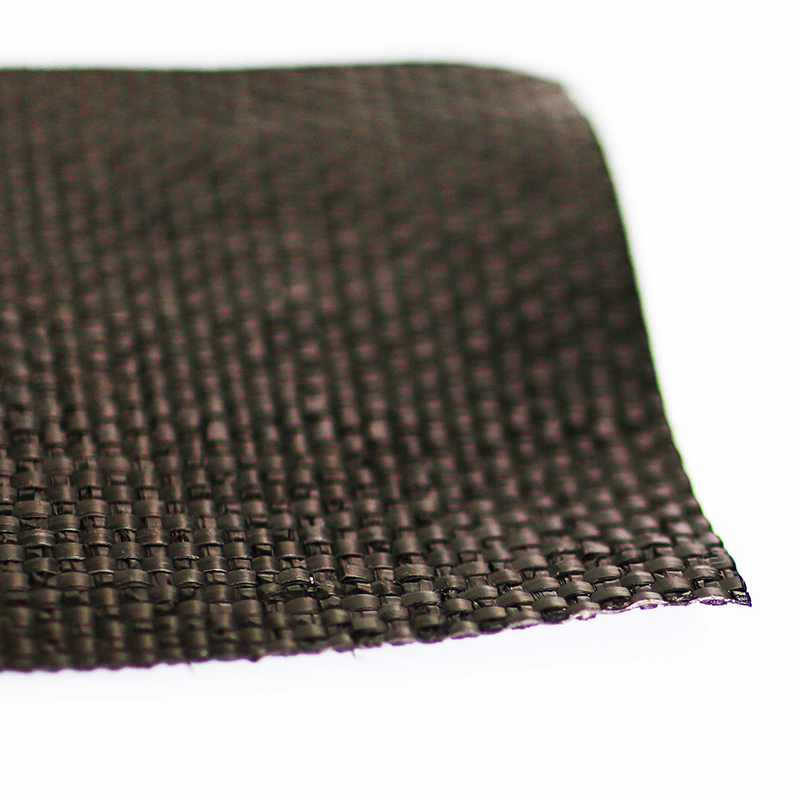
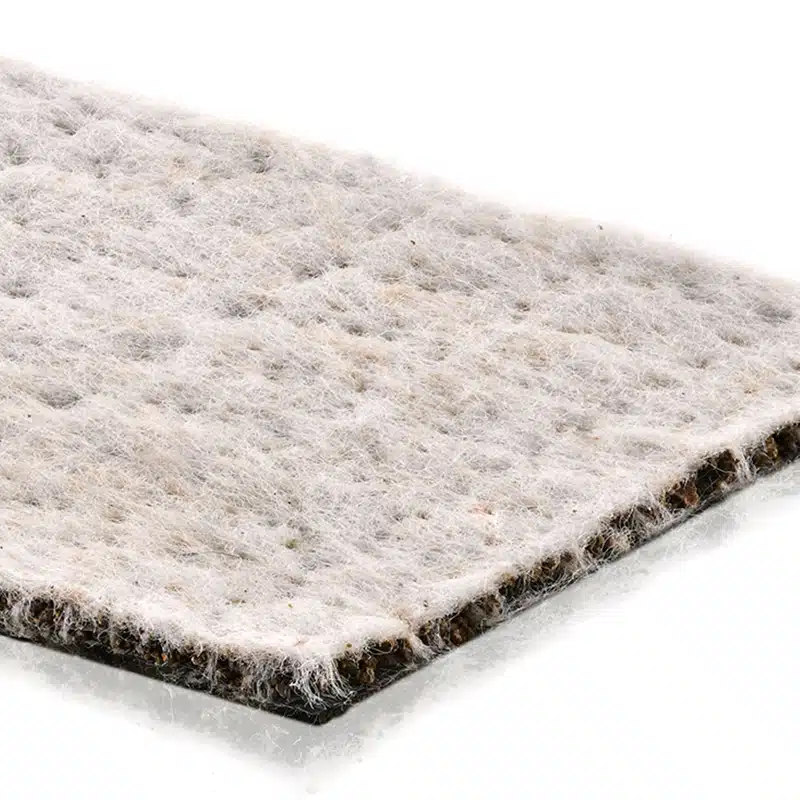
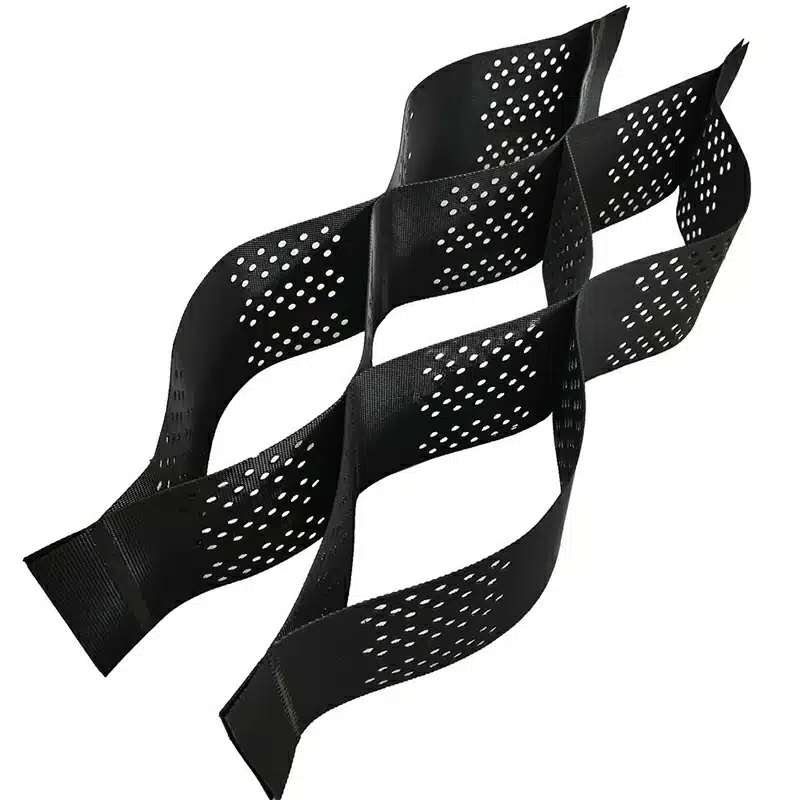
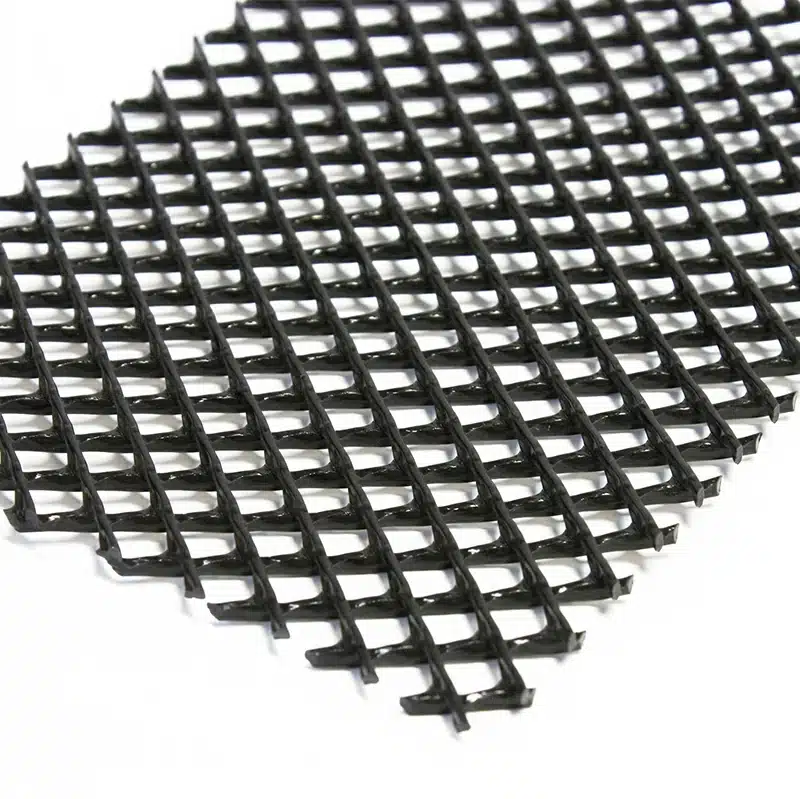
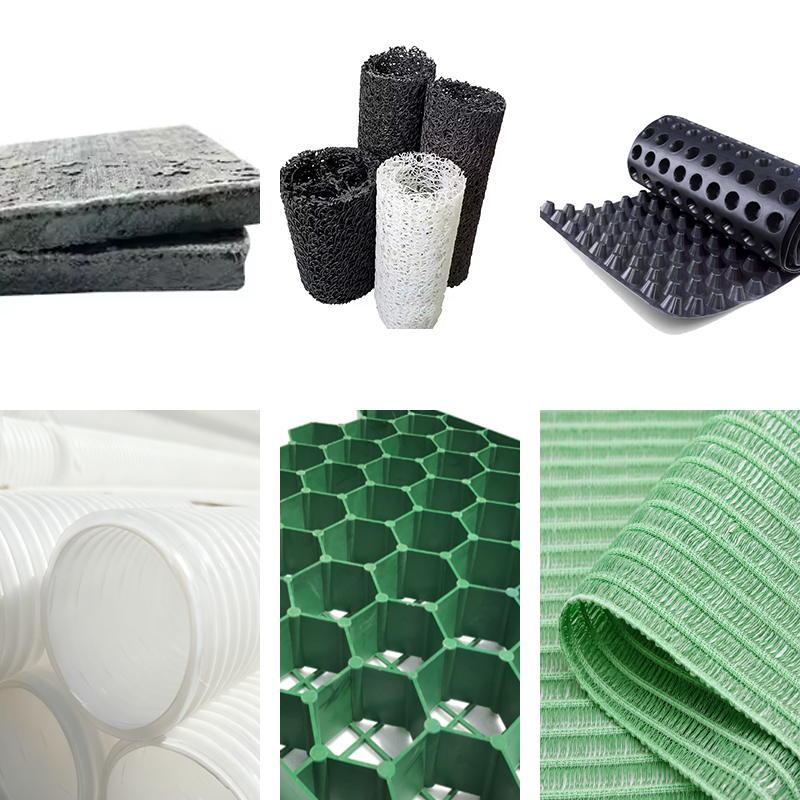
Geosynthetics are polymer-based materials used with soil, rock, aggregate, and other construction materials. Common types include geotextiles, geogrids, geomembranes, geocells, geonets, geosynthetic clay liners, and drainage geocomposites.
Their primary functions include reinforcement, stabilization, separation, filtration, drainage, protection, erosion control, and fluid containment. Product selection therefore depends on the required engineering function rather than simply choosing the material with the highest tensile strength or thickness.
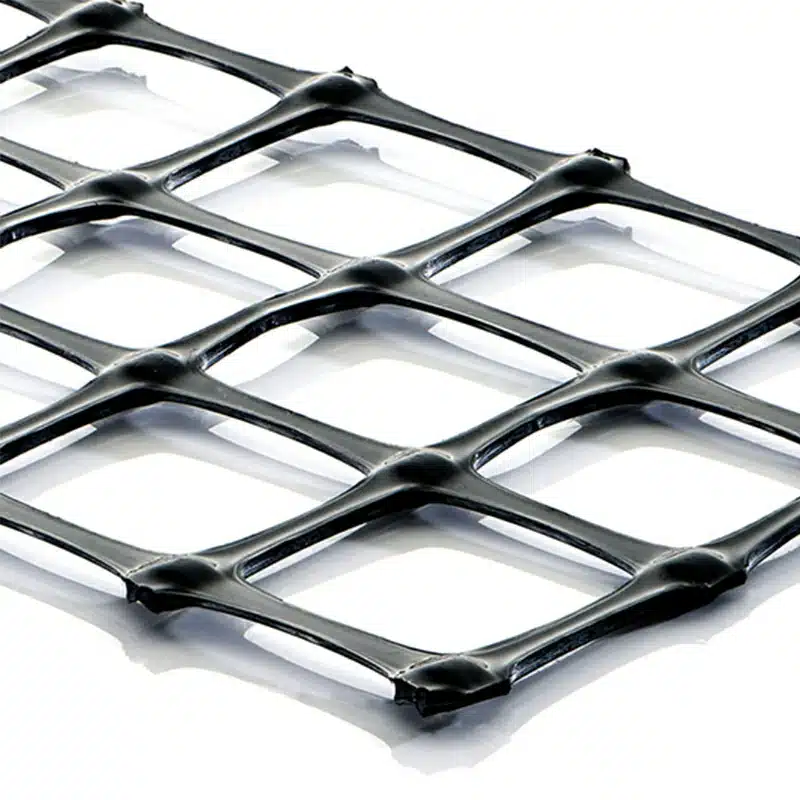
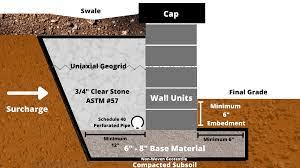
For transportation infrastructure, for example, geogrids and geotextiles can improve subgrade stabilization and maintain separation between aggregate and weak soil.
Buyers evaluating high-performance geosynthetic products for infrastructure projects should therefore compare application-specific technical parameters rather than relying on GSM or nominal strength alone.
Where Are High-Performance Geosynthetic Products Used?
These materials serve many sectors, including transportation, mining, environmental protection, hydraulic engineering, and earth-retaining structures.
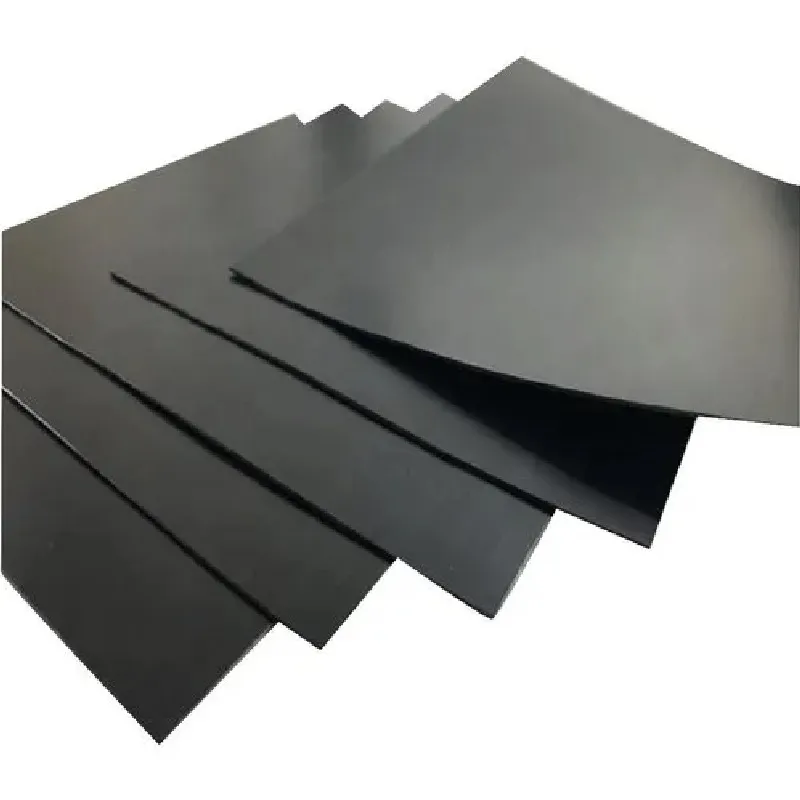
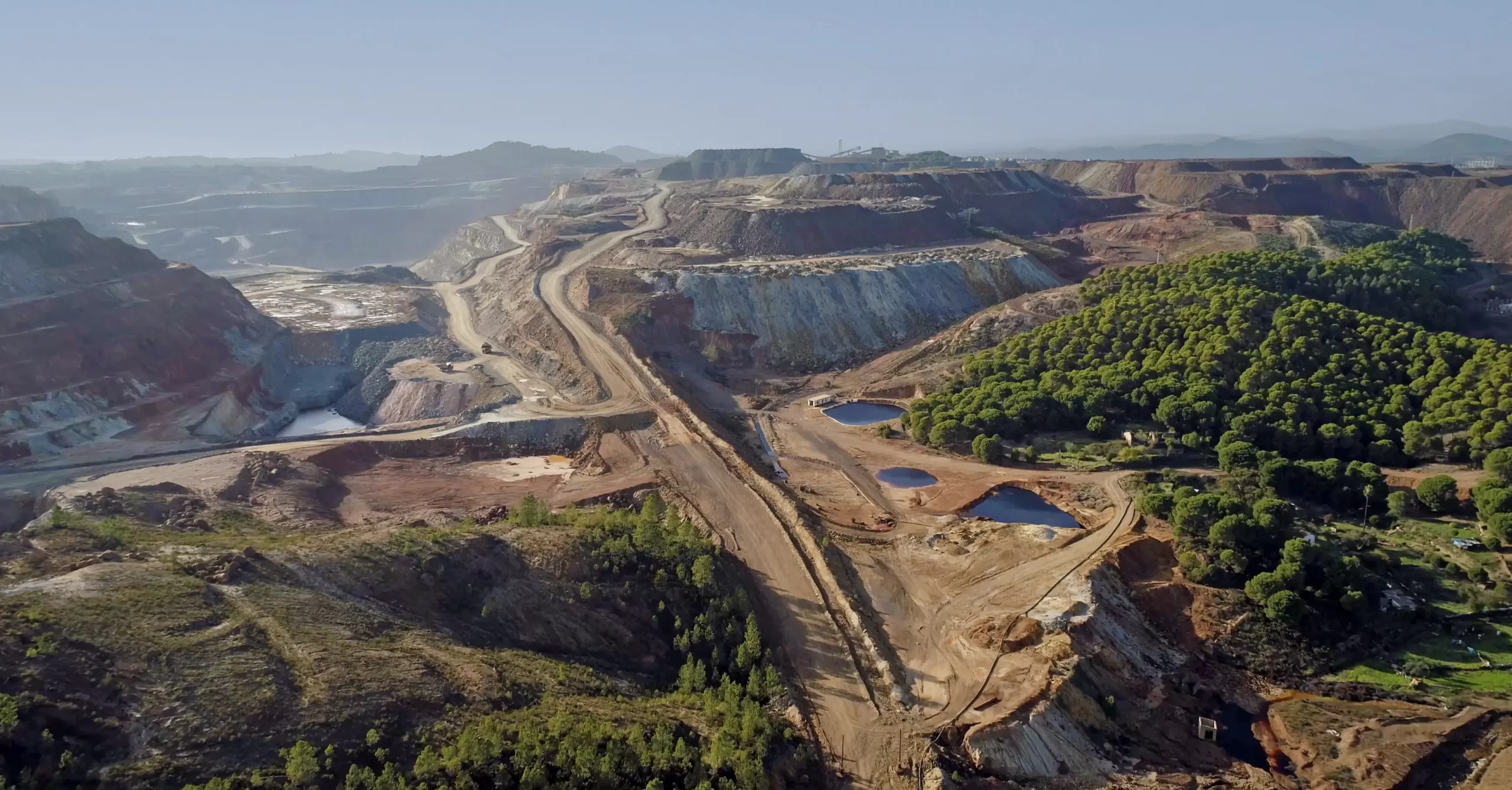
In mining projects, geomembranes are widely used for containment systems such as heap-leach pads, process ponds, and water-management facilities. Nonwoven geotextiles can protect barrier layers from puncture, while drainage geocomposites transport liquids and help manage water within engineered systems.
This combination of different functions allows engineers to build integrated geosynthetic systems rather than depending on a single material.
How Should Buyers Evaluate Geosynthetic Performance?
Procurement should begin with project requirements and measurable engineering properties.
For reinforcement applications, important parameters can include tensile strength, tensile modulus, junction efficiency, creep behavior, and interaction with surrounding soil or aggregate. Filtration applications require consideration of apparent opening size, permeability, and soil-retention capability. Drainage products should provide adequate transmissivity under expected loading conditions.
For containment systems, engineers typically evaluate permeability, puncture resistance, chemical resistance, seam performance, and long-term durability.
Installation conditions are equally important. Construction damage, unsuitable subgrade preparation, incorrect overlaps, or excessive exposure can reduce field performance even when the original product meets laboratory specifications.
Reviewing high-performance geosynthetic products and technical specifications before purchasing helps contractors and distributors match material properties with actual project conditions.
Why Are Geosynthetics Important for Modern Engineering?
High-performance geosynthetic products can improve engineering efficiency by providing targeted functions using relatively thin manufactured layers. Depending on project design, they may reduce aggregate requirements, improve weak-soil performance, control water movement, protect containment systems, or reinforce soil structures.
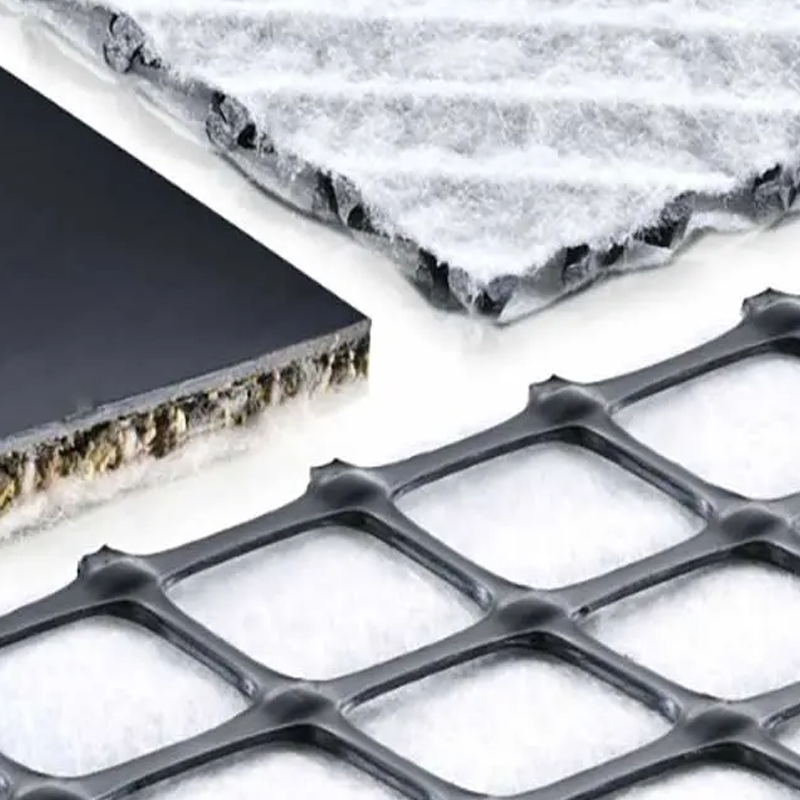
Geocomposites further increase system efficiency by combining functions such as drainage and filtration within one manufactured product. This can simplify construction and reduce the number of separate layers required.
For project owners, contractors, and distributors, the key purchasing principle is to match verified technical properties with design requirements, installation conditions, relevant standards, and expected service life.
Before finalizing a specification, buyers can review high-performance geosynthetic products for project-specific solutions to identify suitable materials, specifications, and manufacturing options for transportation, mining, drainage, reinforcement, and environmental engineering applications.
Get Free Sample
We’ll respond as soon as possible(within 12 hours)