

+86-159 9860 6917
info@geofantex.com
geofantex@gmail.com
+86-400-8266163-44899
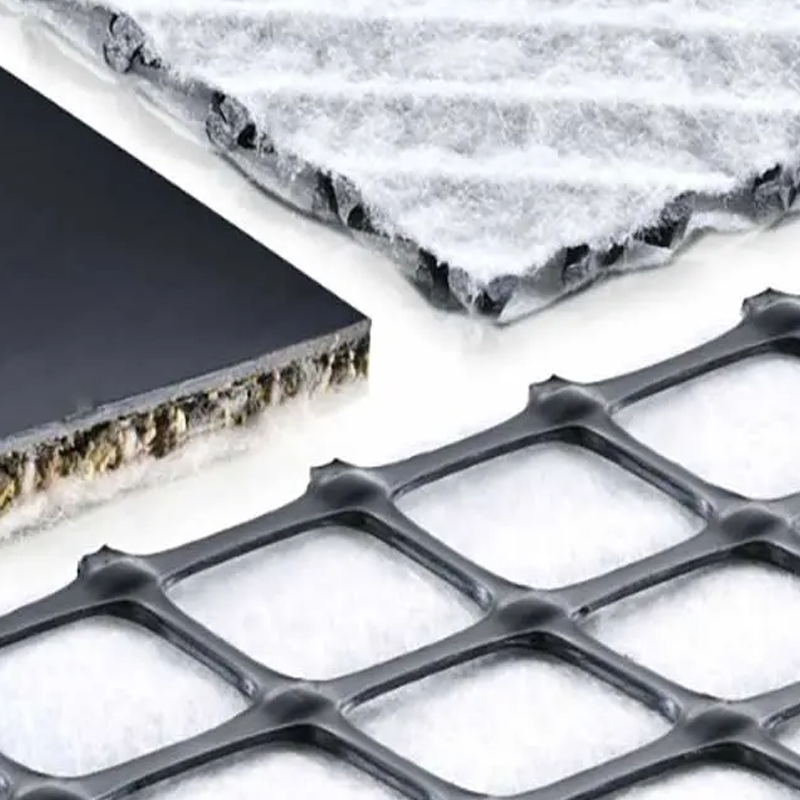
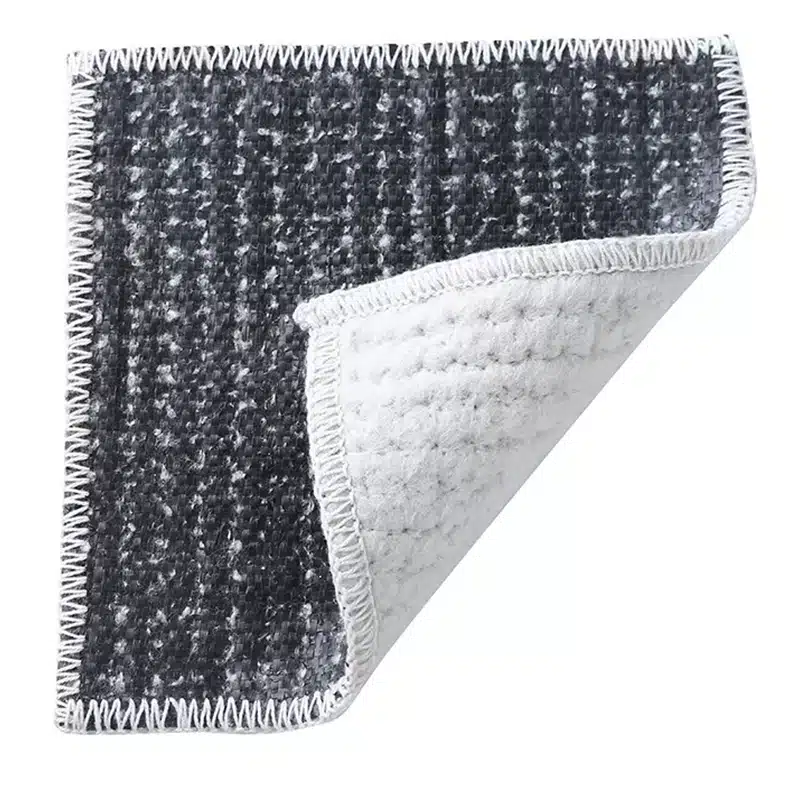
Geosynthetic clay liner systems provide an efficient barrier solution for buyers sourcing materials for landfills, reservoirs, wastewater facilities, and environmental containment projects. By combining sodium bentonite with durable geotextiles, GCLs deliver low hydraulic conductivity with a thinner profile than conventional compacted clay. Understanding performance requirements, installation conditions, and technical specifications helps contractors and procurement teams select the right material.
What problem does a geosynthetic clay liner solve?
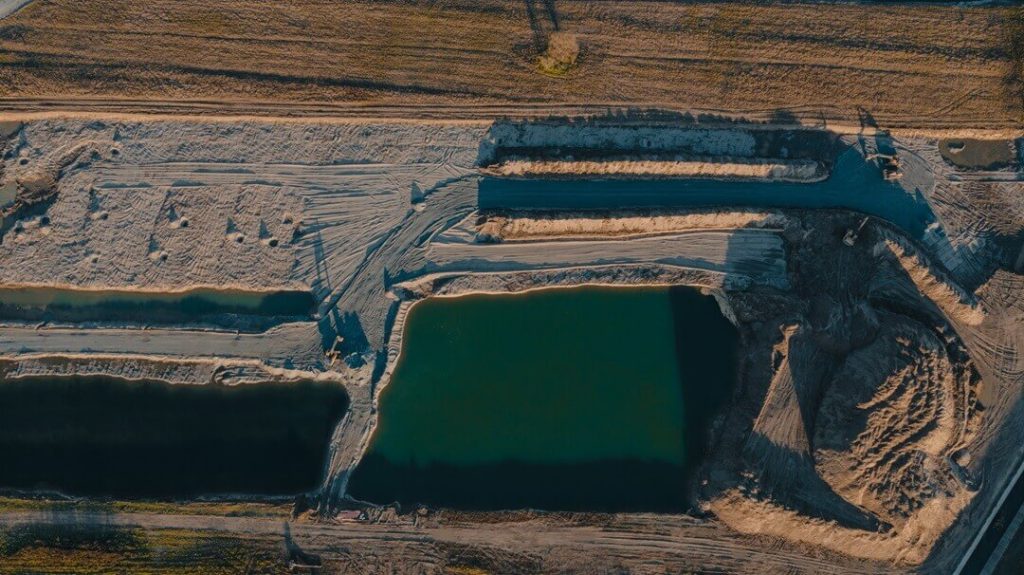
The primary purpose of a GCL is to reduce liquid migration through containment systems. It creates a low-permeability barrier between the contained liquid or waste and the surrounding soil.
In landfill projects, GCLs are commonly incorporated into base liner and capping systems to help control leachate migration. They can also work with HDPE geomembranes as part of a composite lining system.
Compared with constructing a thick compacted clay layer, GCL installation can reduce excavation, transportation, and placement requirements. This is particularly valuable when suitable natural clay is unavailable near the project.
For landfill containment design, buyers can review our geosynthetic clay liner for landfill applications when evaluating material configurations.
How does a geosynthetic clay liner control seepage?
Sodium bentonite plays an important role in controlling seepage. When exposed to moisture, it hydrates and expands. This process creates a dense layer with very low hydraulic conductivity.
Needle-punching mechanically connects the geotextile layers and helps improve internal shear strength. This structure can be important where the material is installed on slopes or exposed to construction stresses.
For demanding applications, engineers may specify a GCL together with an HDPE geomembrane. The GCL provides a secondary mineral barrier while the geomembrane acts as the primary containment layer.
Where can a geosynthetic clay liner be used?
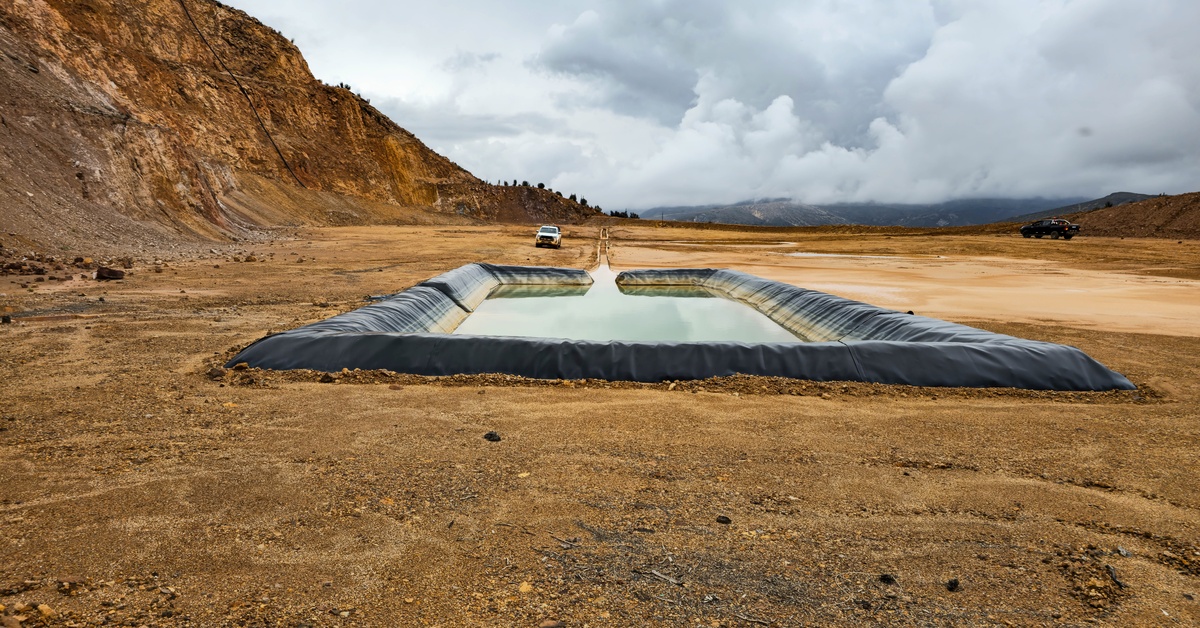
Typical applications include landfills, reservoirs, wastewater ponds, mining facilities, canals, and secondary containment areas. Environmental remediation projects can also benefit from this type of barrier.
In reservoir projects, the material helps reduce seepage through the subgrade and may be incorporated into a composite lining system. Its thin profile also allows large areas to be covered without importing significant quantities of natural clay.
However, selection should reflect actual site conditions. Engineers should consider hydraulic conductivity, subgrade preparation, slope angle, interface shear strength, chemical compatibility, and expected mechanical loads.
For water containment projects, our geosynthetic clay liner for reservoir systems provides additional information for evaluating suitable barrier configurations.
What should buyers check before ordering?
When purchasing a geosynthetic clay liner, price per square meter should not be the only comparison factor. Products with similar appearances can have different bentonite content, geotextile properties, bonding strength, and hydraulic performance.
Important specifications include bentonite mass per unit area, hydraulic conductivity, peel strength, tensile strength, geotextile mass, roll dimensions, and bentonite type. Chemical compatibility should also be evaluated when the liner will contact aggressive leachate or industrial liquids.
Buyers should request relevant technical data sheets and quality-control documentation before placing bulk orders. Roll dimensions and loading quantities should also be confirmed because they directly influence container utilization, transportation costs, and installation planning.
For project-specific sourcing, reviewing the geosynthetic clay liner technical specifications can help procurement teams compare products against engineering requirements before requesting a quotation.
Providing the manufacturer with application details, required standards, project area, and technical specifications allows a more accurate product recommendation and commercial quotation.
Get Free Sample
We’ll respond as soon as possible(within 12 hours)