

+86-159 9860 6917
info@geofantex.com
geofantex@gmail.com
+86-400-8266163-44899
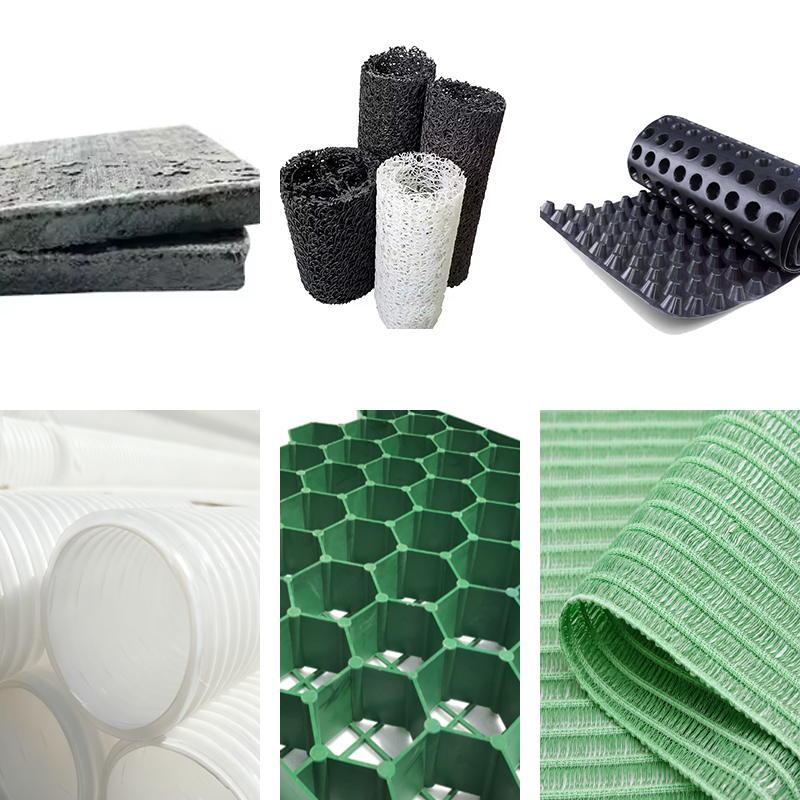
Composite drainage is becoming an important consideration for contractors, engineers, and procurement teams seeking efficient water management solutions for infrastructure projects. Selecting the right drainage geocomposite requires evaluating hydraulic performance, material durability, installation conditions, and supplier capabilities. Understanding these requirements helps buyers compare products, develop technical specifications, and make informed purchasing decisions.
Composite Drainage Trends in Infrastructure Projects
Modern infrastructure projects increasingly emphasize efficient drainage systems that can perform under demanding site conditions. Traditional aggregate drainage layers remain widely used, but prefabricated drainage geocomposites offer an alternative where design requirements permit.
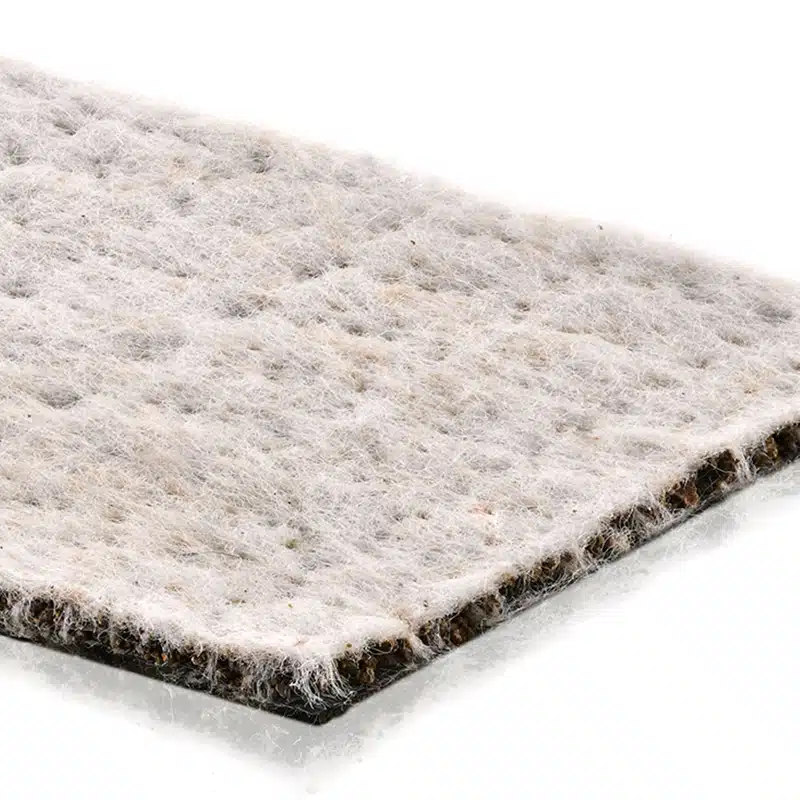
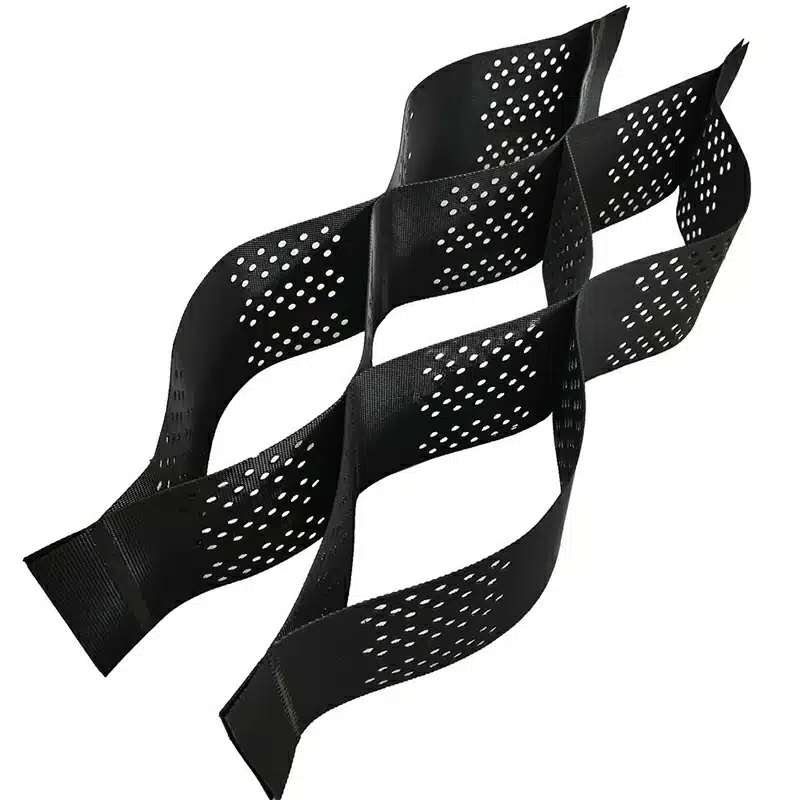
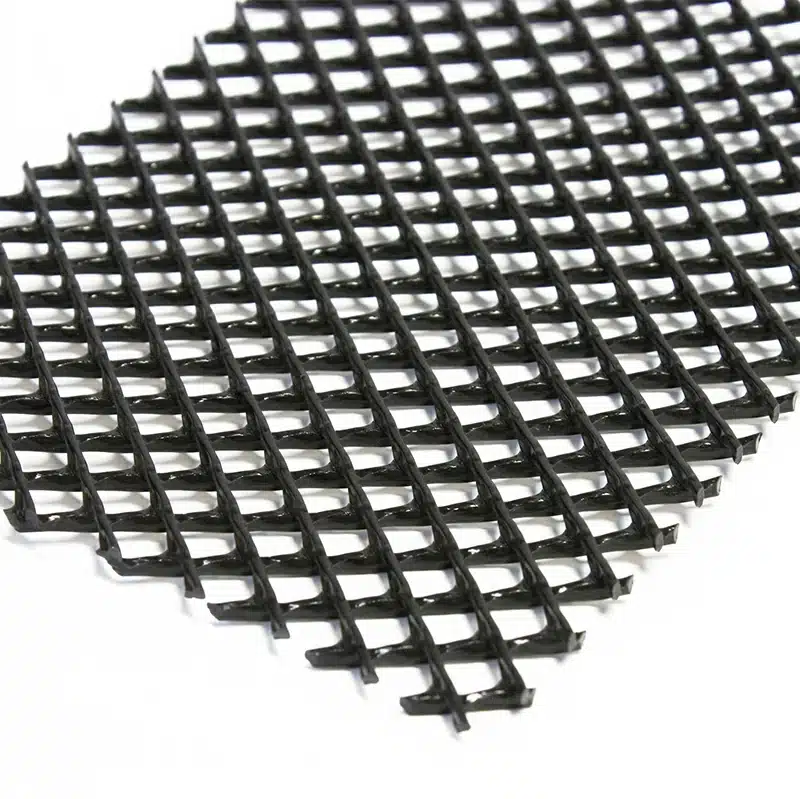
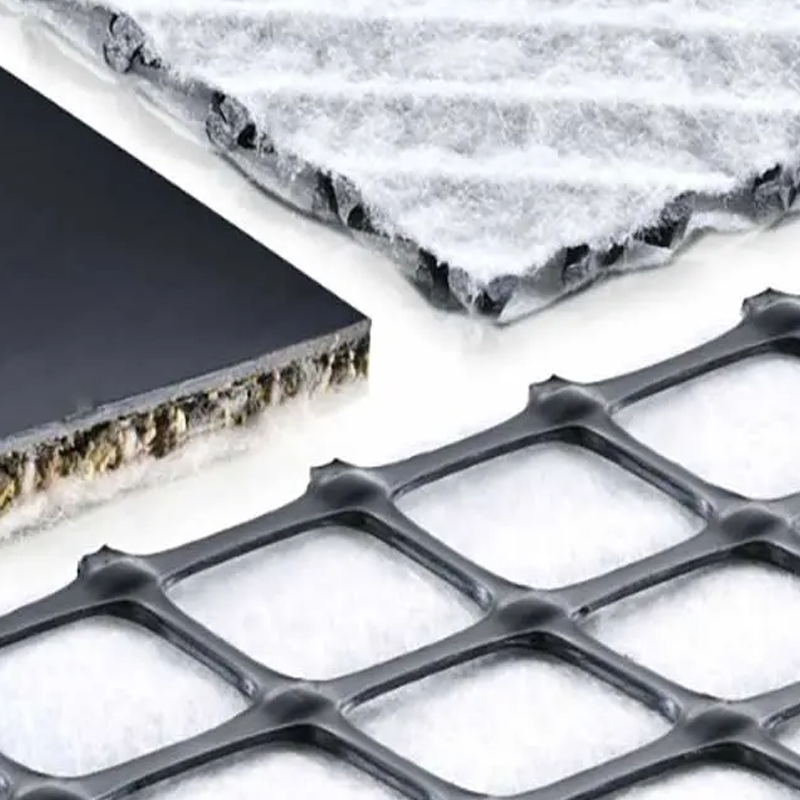
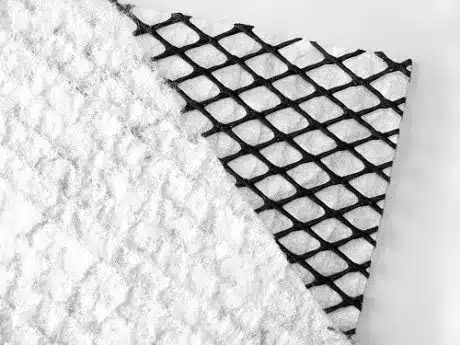
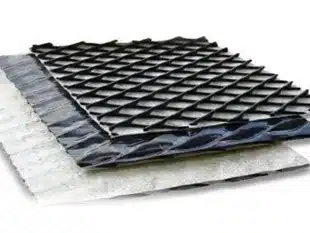
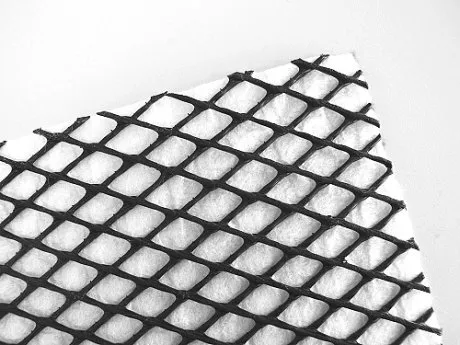
These products typically combine a polymer drainage core with geotextile filtration layers, allowing water to flow while helping prevent soil particles from entering the drainage channels.
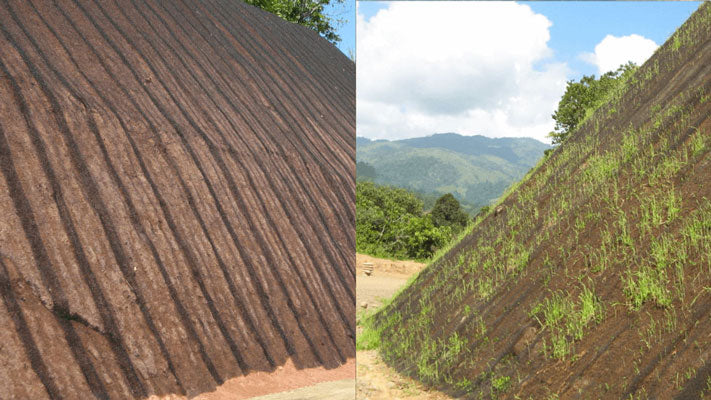
Common applications include retaining walls, tunnels, underground structures, landfills, and transportation infrastructure. For projects requiring efficient subsurface water management, composite drainage geocomposite solutions for infrastructure projects can provide an alternative to conventional aggregate drainage layers when their hydraulic and mechanical performance meets the design requirements.
For procurement teams, the key consideration is whether the selected material meets the project’s hydraulic and mechanical requirements while supporting efficient installation.
Engineering Applications and Project Requirements
Different construction environments require different drainage configurations.
Tunnel and Underground Structure Drainage
Underground structures often experience groundwater infiltration and sustained pressure from surrounding soil and rock. Drainage geocomposites can provide controlled flow paths toward collection pipes or designated outlets when incorporated into a properly designed waterproofing and drainage system.
Material selection should consider compressive loads, drainage continuity, chemical exposure, and compatibility with waterproofing membranes. Contractors should also evaluate roll dimensions and installation methods to minimize unnecessary cutting and material waste.
Retaining Wall Drainage
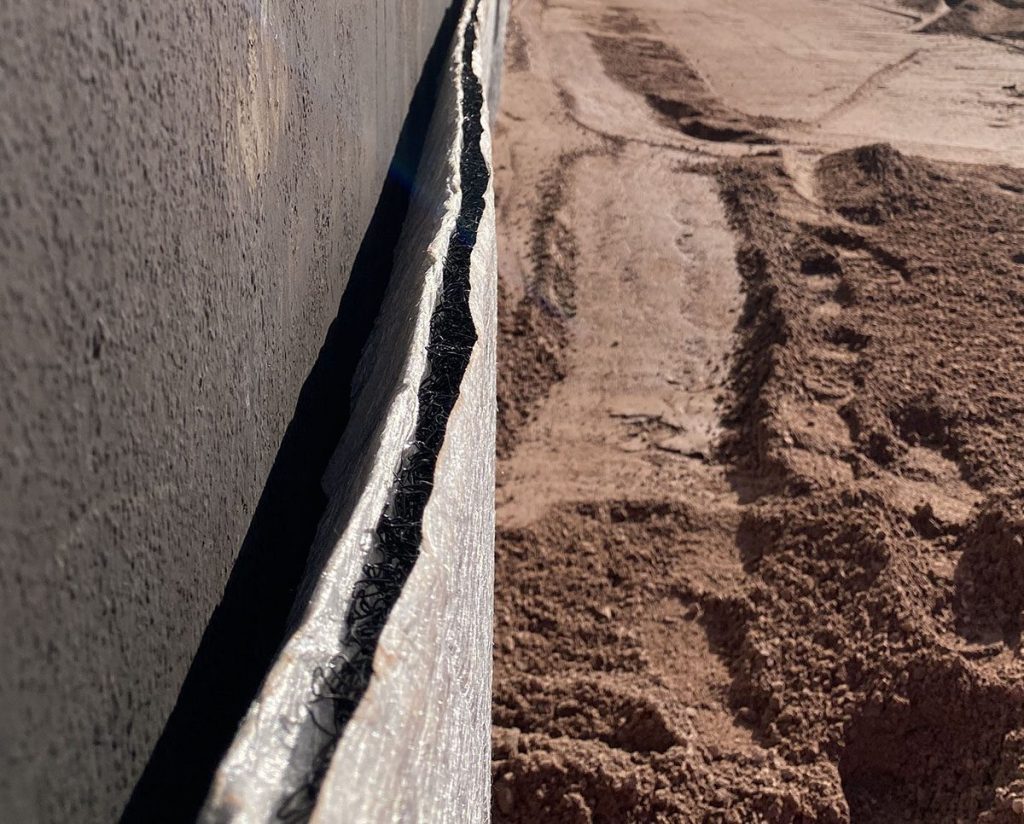
Retaining walls require effective drainage to prevent excessive hydrostatic pressure behind structural elements. Geocomposite drainage layers can collect and convey water toward outlets while reducing reliance on thick granular drainage layers where the design permits.
Buyers should verify drainage capacity under expected soil pressures, geotextile filtration properties, and compatibility with surrounding backfill materials. Proper outlet connections and installation details remain essential for reliable system performance.
Composite Drainage Material Selection and Performance
Product specifications increasingly emphasize verified engineering performance rather than nominal thickness alone. Important technical properties include in-plane transmissivity, compressive strength, creep resistance, geotextile permeability, and filtration compatibility.
Drainage capacity should be evaluated under representative loading conditions because sustained compression can reduce the available flow space within drainage cores. ASTM D4716 provides a recognized method for evaluating in-plane water flow through geosynthetics under specified test conditions.
When comparing suppliers, buyers should review composite drainage material specifications and technical data to verify hydraulic performance, mechanical properties, and compatibility with project requirements. Relevant laboratory test reports should also confirm that testing conditions reflect the intended application.
Installation Efficiency and Construction Cost Considerations
Installation efficiency is an important factor when evaluating geosynthetic drainage systems. Prefabricated drainage materials may reduce aggregate handling, transportation requirements, and installation time when approved as alternatives to conventional drainage layers.
However, overall project costs also depend on site preparation, material protection, connection details, labor, and construction sequencing. Contractors should evaluate total installed costs rather than comparing material prices alone.
For larger projects, consistent roll dimensions, secure packaging, and reliable delivery schedules can simplify material planning and reduce construction delays.
Quality Control and International Procurement
As infrastructure specifications become more detailed, buyers increasingly require reliable technical documentation and consistent manufacturing quality.
Before purchasing drainage geocomposites, procurement managers should review technical data sheets, hydraulic test reports, quality-control procedures, and product traceability records.
International buyers should also confirm available specifications, minimum order quantities, packaging methods, shipping arrangements, and production lead times.
Clear communication between engineers and suppliers helps prevent material substitutions that fail to meet the original design requirements. Access to reliable composite drainage product selection and supplier support can also help buyers confirm suitable material configurations, clarify technical specifications, and coordinate procurement for different project applications.
Future Considerations for Drainage Geosynthetics
Engineering specifications are placing greater emphasis on long-term performance, application-specific material selection, and practical construction requirements. This approach encourages project teams to evaluate drainage materials over their intended service life rather than focusing exclusively on initial purchasing costs.
For manufacturers and distributors, maintaining consistent product quality, providing reliable technical information, and offering responsive project support remain essential. For contractors and importers, early consultation with suppliers can improve specification accuracy and procurement efficiency.
Selecting suitable drainage geocomposites requires balancing hydraulic performance, mechanical durability, installation efficiency, and procurement reliability. Geofantex supplies geosynthetic drainage materials for retaining walls, underground structures, environmental engineering, and infrastructure projects.
Contact Geofantex to discuss project specifications, request technical documentation, and obtain a quotation for your drainage material requirements.
Get Free Sample
We’ll respond as soon as possible(within 12 hours)