

+86-159 9860 6917
info@geofantex.com
geofantex@gmail.com
+86-400-8266163-44899
Geogrid for landscaping provides soil reinforcement for pathways, embankments, and landscaped slopes where ground stability is essential. For contractors and engineers selecting geosynthetic materials, understanding reinforcement functions, soil compatibility, and installation requirements helps identify suitable products and develop reliable construction solutions.
What Engineering Problems Can Geogrid for Landscaping Solve?
Landscape construction frequently involves weak subgrades, compacted fill, and sloping ground that may experience settlement or lateral soil movement. These conditions can affect pedestrian pathways, access roads, planted embankments, and recreational areas.
Consider a representative project involving a pedestrian access road alongside a landscaped embankment. The road foundation consists of relatively weak soil, while the adjacent slope is constructed from compacted fill. Rainfall infiltration and repeated loading may contribute to aggregate displacement, uneven settlement, and localized slope instability.
Traditional solutions include increasing aggregate thickness, replacing unsuitable soil, or constructing retaining structures. However, these approaches can increase excavation and material requirements.
Using geogrid for landscaping ground stabilization applications can help improve soil confinement and reinforce selected areas. The appropriate reinforcement system depends on soil strength, slope geometry, loading conditions, and drainage requirements.
How Does Geogrid for Landscaping Improve Road and Embankment Stability?
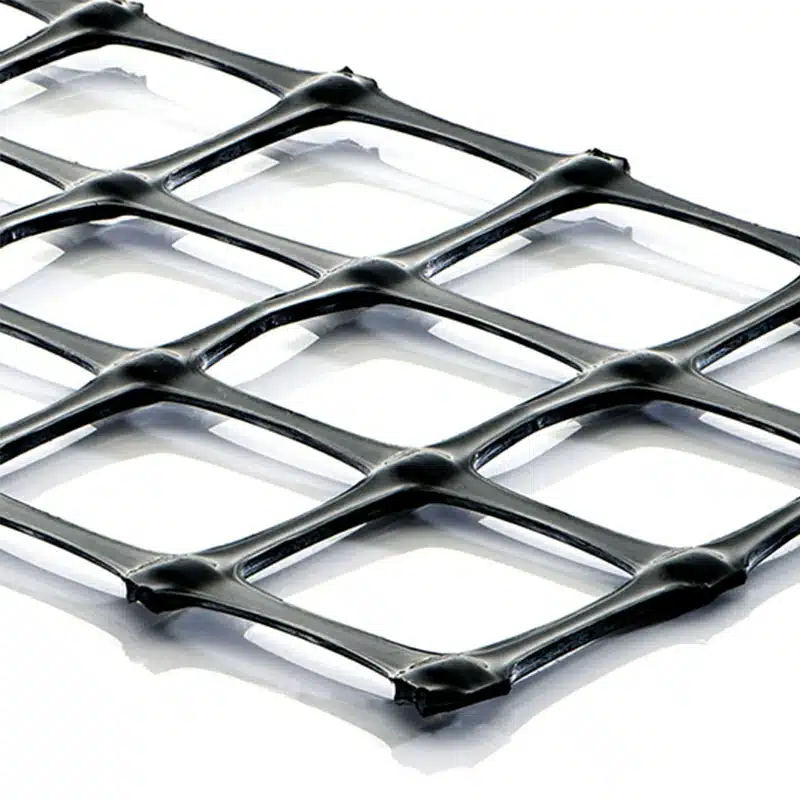
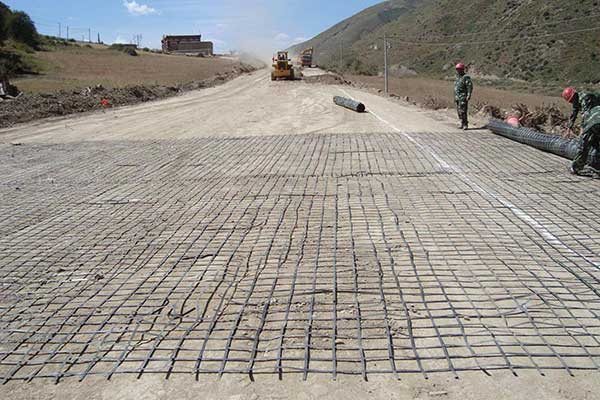
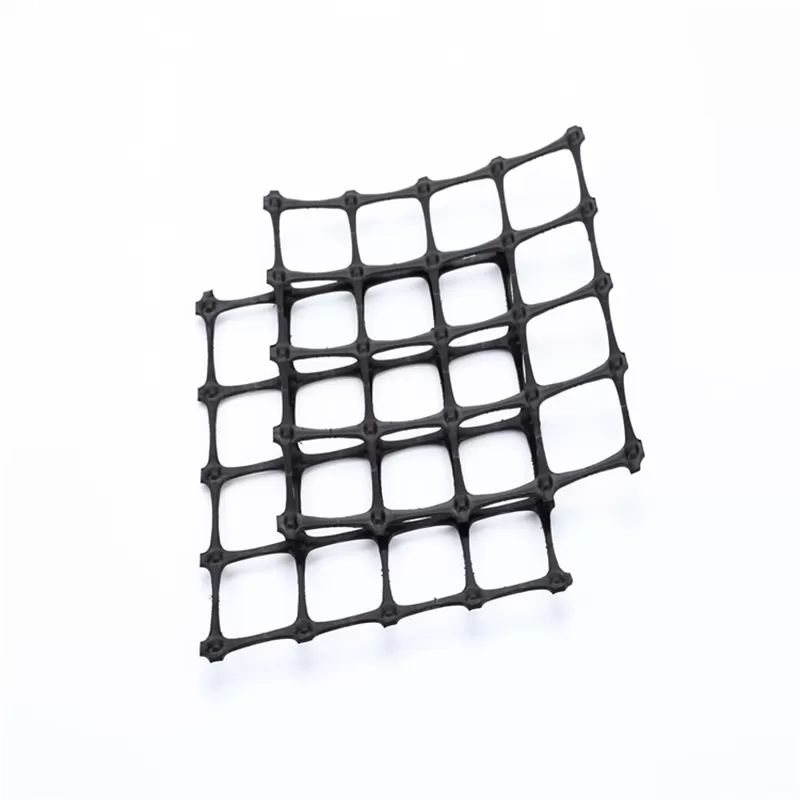
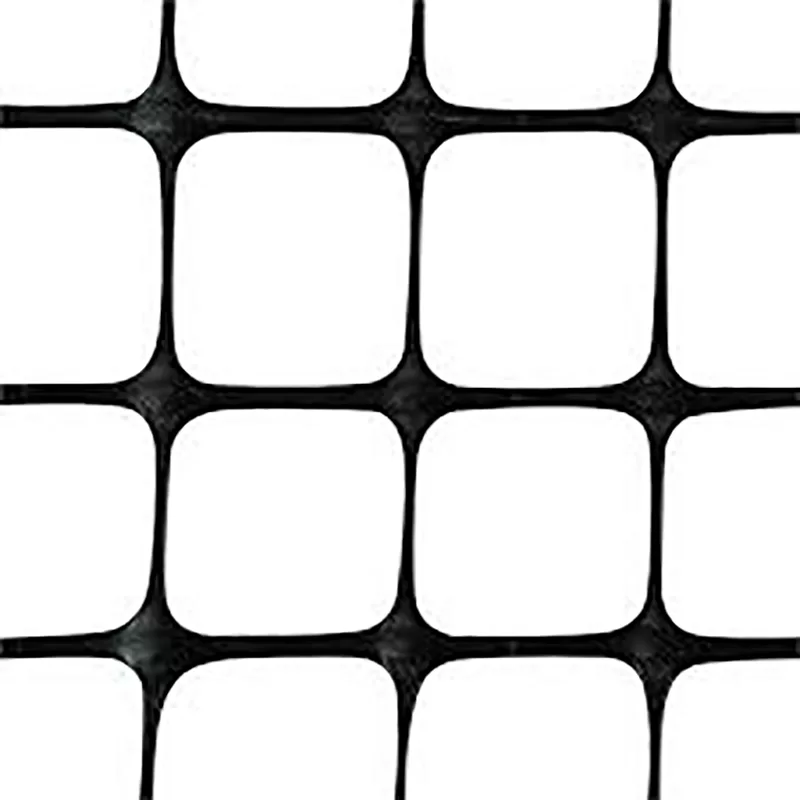
Geogrid reinforcement works through mechanical interaction with the surrounding soil or aggregate. In road foundations, biaxial or appropriately designed multiaxial geogrids help restrain lateral aggregate movement, improving granular layer stability under traffic loads.
For a landscape access road constructed over a weak subgrade, reinforcement can be installed between the prepared subgrade and the compacted aggregate base. Aggregate interlock with the geogrid apertures helps limit displacement and may reduce localized deformation.
In adjacent embankments, geogrid layers can provide tensile reinforcement within compacted soil. These layers help resist outward soil movement and contribute to overall slope stability when designed with appropriate reinforcement lengths and spacing.
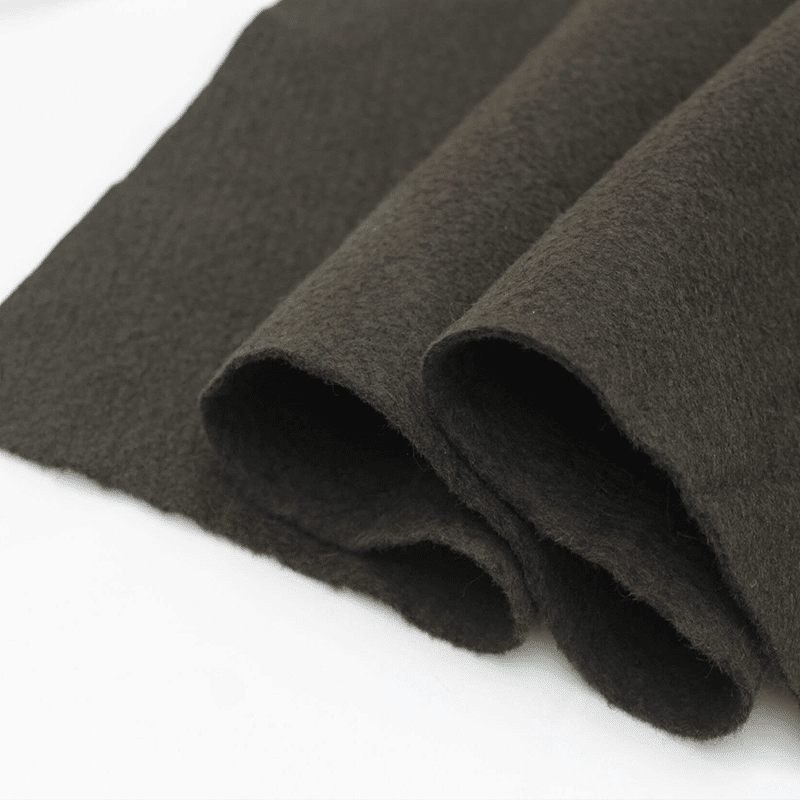
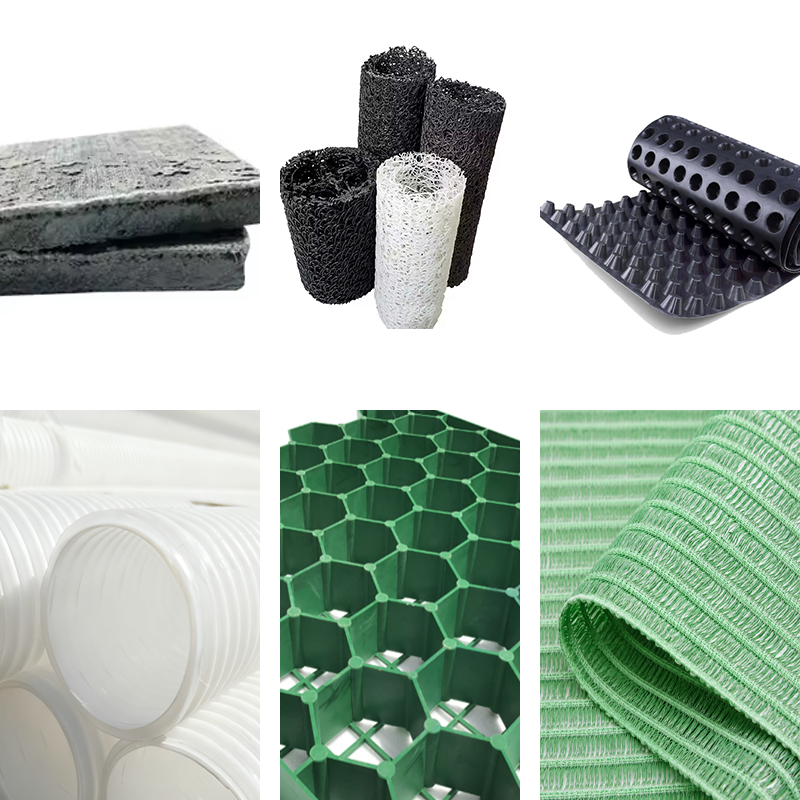
Engineers evaluating geogrid for landscaping road and embankment reinforcement should consider subgrade strength, aggregate gradation, tensile properties, and drainage conditions. Where separation is necessary, a suitable geotextile may be incorporated into the foundation system.
The expected performance must be verified through project-specific engineering design rather than assumed from product strength alone.
How Should Engineers Select Geogrids for Landscaped Slopes?
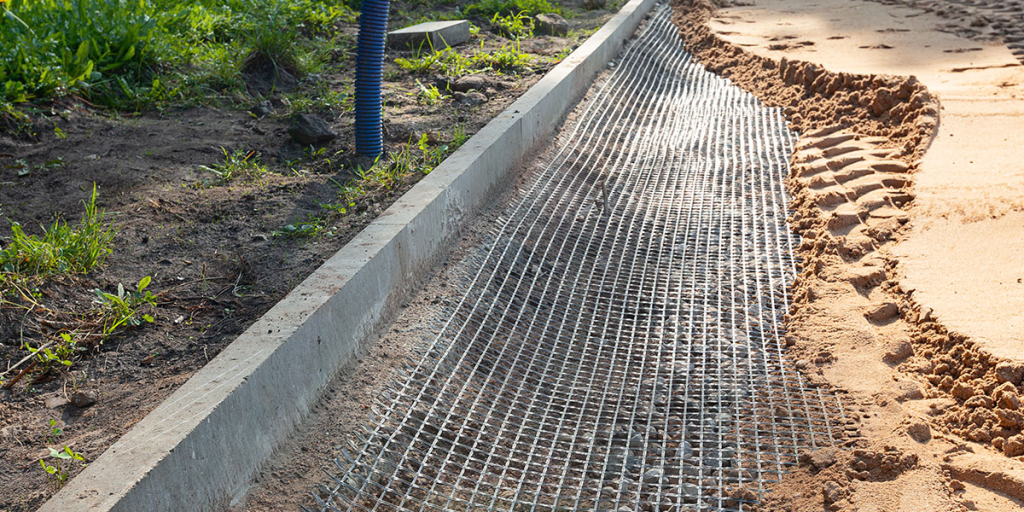
Landscaped slopes require reinforcement systems that address soil movement, slope geometry, and environmental conditions. In a representative garden embankment, compacted fill supports planted areas alongside a pedestrian pathway. The engineering objective is to maintain slope stability while accommodating vegetation and surface drainage.
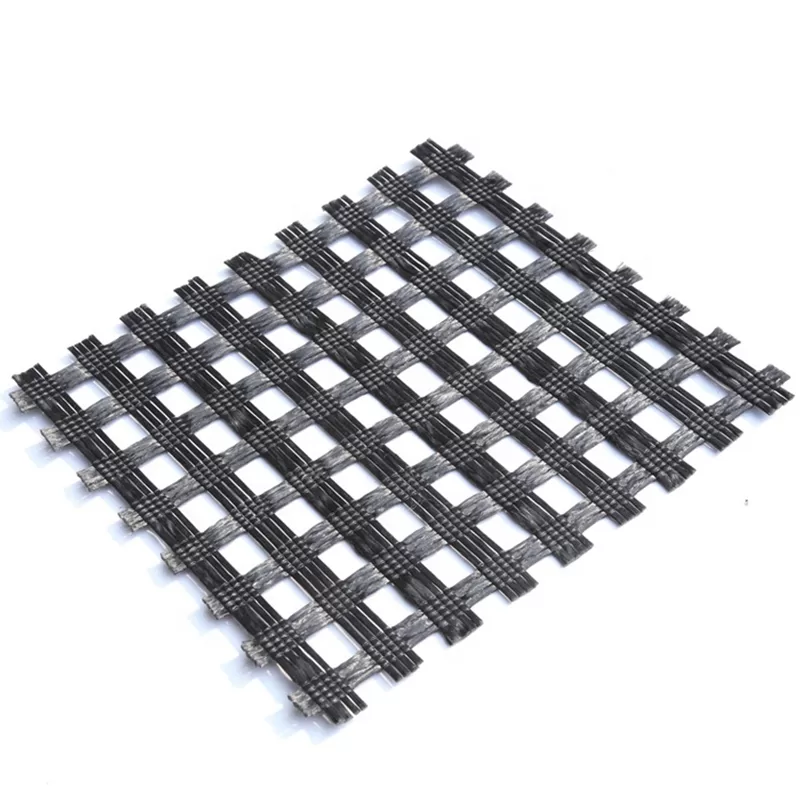
For reinforced soil slopes, uniaxial geogrids are commonly considered where the principal reinforcement forces act in one direction. Biaxial geogrids are generally more relevant to granular stabilization applications, although final selection depends on the engineering design.
Important product characteristics include long-term tensile strength, creep resistance, soil interaction, polymer durability, and resistance to installation damage. Polypropylene, polyester, and high-density polyethylene geogrids have different performance characteristics that should be evaluated against the expected service conditions.
Selecting geogrid for landscaping slope reinforcement applications also requires consideration of groundwater conditions, fill compaction, and reinforcement embedment length.
Geogrids provide internal reinforcement but do not replace surface erosion protection. Vegetation, erosion-control mats, and drainage systems may be necessary to protect exposed soil from rainfall runoff.
What Installation Practices Ensure Effective Geogrid Performance?
Successful installation begins with proper subgrade preparation. Unsuitable debris, sharp objects, and excessively loose material should be removed before geogrid placement. Weak areas may require additional treatment according to the project specifications.
For road foundations, geogrid rolls should be positioned in the specified orientation with appropriate overlaps or connections. Aggregate must be placed carefully to prevent reinforcement displacement or damage, then compacted to the specified density.
For reinforced slopes, geogrid layers are installed at designated elevations within compacted fill. Proper alignment, reinforcement continuity, embedment length, and controlled compaction are essential for developing the intended tensile resistance.
Drainage is equally important. Excessive water accumulation can reduce soil shear strength and compromise the stability of reinforced structures.
When correctly designed and installed, geogrid for landscaping can improve granular foundation stability, help control localized deformation, and contribute to reinforced slope performance. Potential reductions in aggregate consumption or soil replacement requirements should be established through engineering calculations.
Geogrid reinforcement offers a practical solution for landscape projects involving access roads, weak subgrades, and engineered slopes. Its effectiveness depends on selecting suitable materials, understanding soil conditions, and following appropriate installation procedures.
Geofantex Geosynthetics supplies geogrids and complementary geosynthetic materials for civil engineering and landscape construction. For technical specifications, product selection assistance, or project quotations, contact Geofantex with your engineering requirements.
Get Free Sample
We’ll respond as soon as possible(within 12 hours)