

+86-159 9860 6917
info@geofantex.com
geofantex@gmail.com
+86-400-8266163-44899
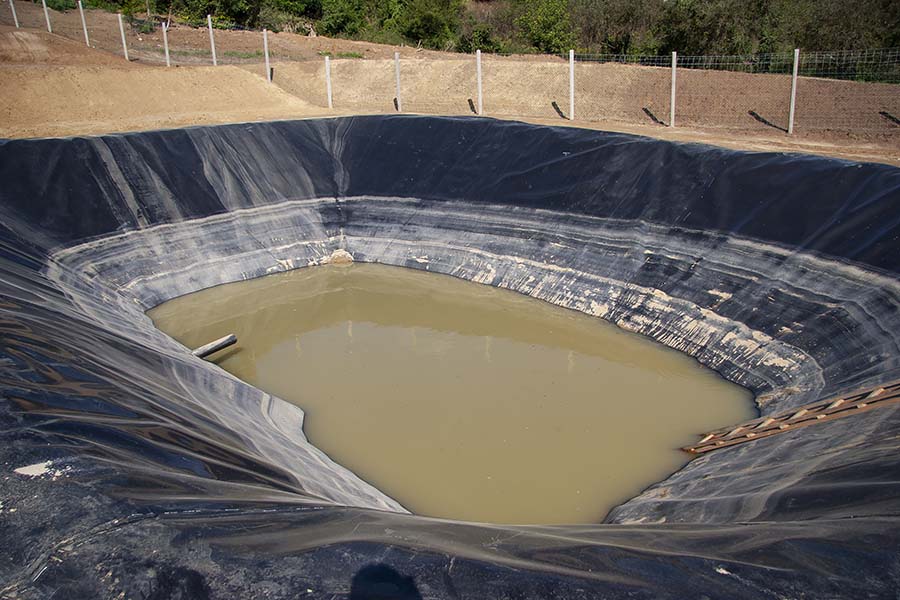
A geosynthetic liner provides a low-permeability barrier for water storage reservoirs and industrial wastewater ponds, helping control seepage and reduce liquid migration into surrounding soil. These systems are commonly used in civil engineering, agricultural water management, and industrial containment projects.
HDPE geomembranes and protective geotextiles are often combined to meet hydraulic and mechanical requirements. Their effectiveness depends on site conditions, material compatibility, subgrade preparation, and installation quality. Understanding these factors helps engineers and contractors develop reliable containment solutions.
How Does a Geosynthetic Liner Prevent Seepage in Reservoirs?
Water storage reservoirs and irrigation ponds often require additional seepage protection when natural soil conditions cannot provide adequate containment. Permeable foundations, irregular surfaces, and fluctuating water levels can increase water loss and the risk of localized ground instability.
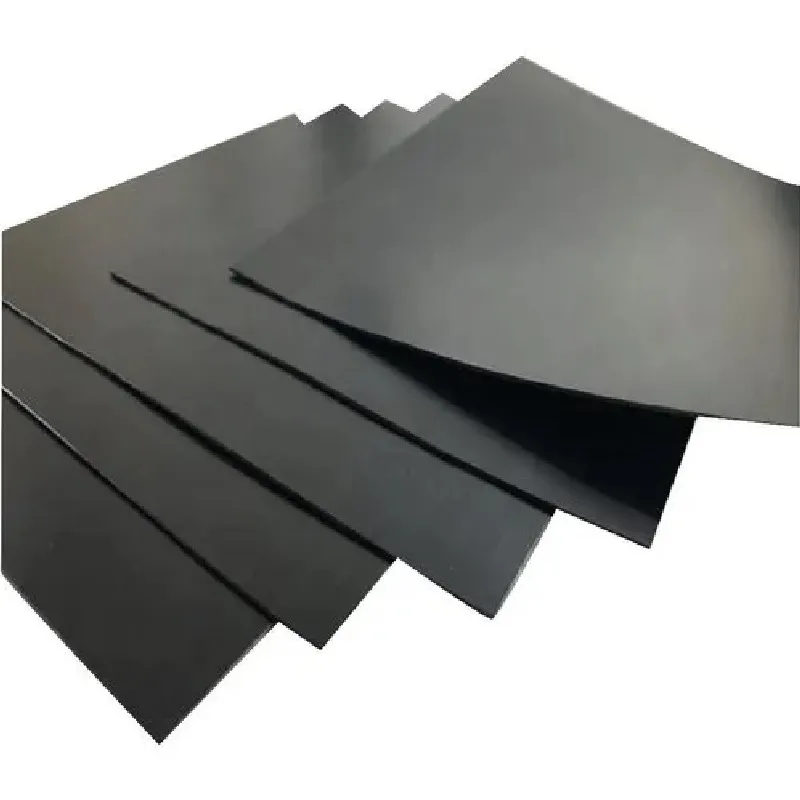
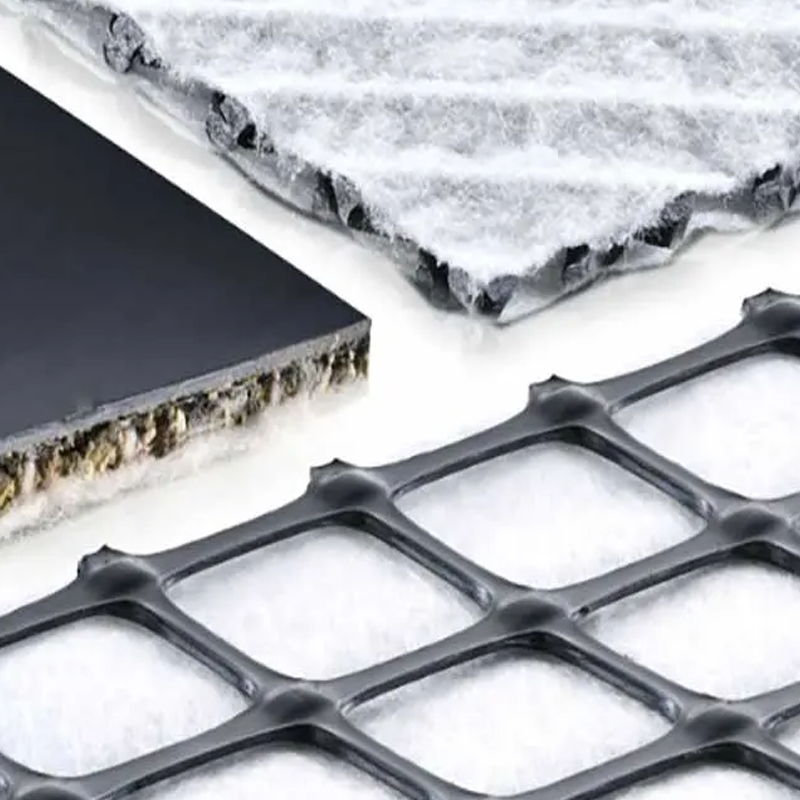
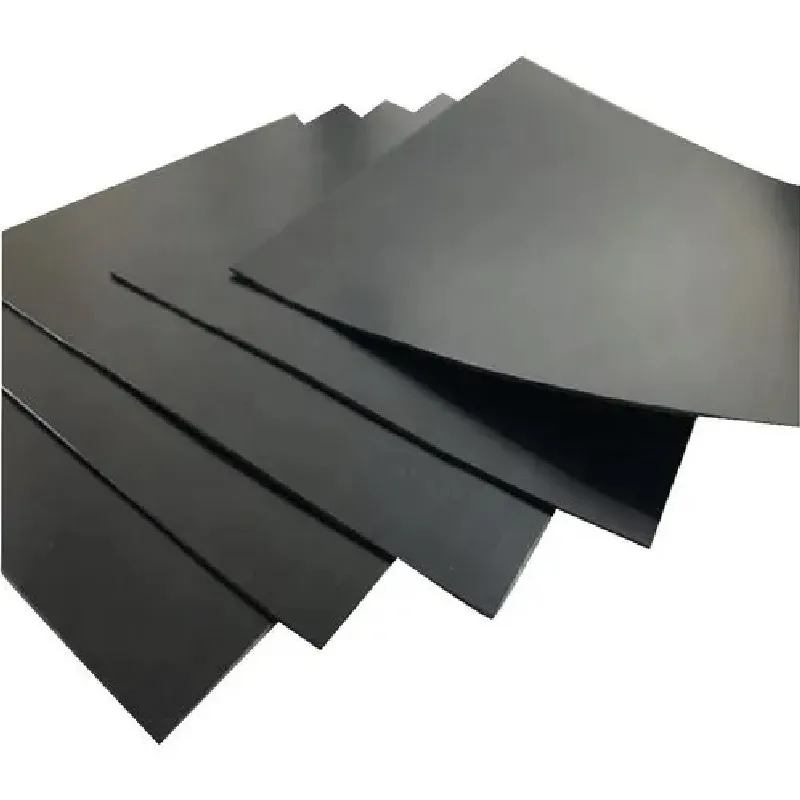
A geosynthetic liner system typically incorporates an HDPE geomembrane as the primary hydraulic barrier, with a nonwoven geotextile providing cushioning where required. The geomembrane is installed across the prepared reservoir base and slopes to form a continuous low-permeability barrier. Engineers must consider hydraulic loading, subgrade settlement, slope stability, and anchorage to maintain system integrity throughout its service life.
Why Are Geosynthetic Liners Used in Industrial Wastewater Ponds?
Industrial wastewater ponds require containment systems capable of handling varying wastewater compositions and potentially aggressive chemical environments. Without a properly engineered barrier, wastewater may migrate into surrounding soil and groundwater, creating environmental and operational risks.
HDPE geomembranes are frequently selected because of their low permeability and resistance to many chemicals, although compatibility with the specific wastewater must be verified. Protective geotextiles can reduce the risk of puncture from underlying soil particles. For these applications, geosynthetic liner solutions for industrial wastewater ponds should account for chemical exposure, operating temperature, hydraulic pressure, and environmental requirements. Additional containment or leak-detection components may be necessary depending on project conditions.

What Should Engineers Consider When Selecting Lining Materials?
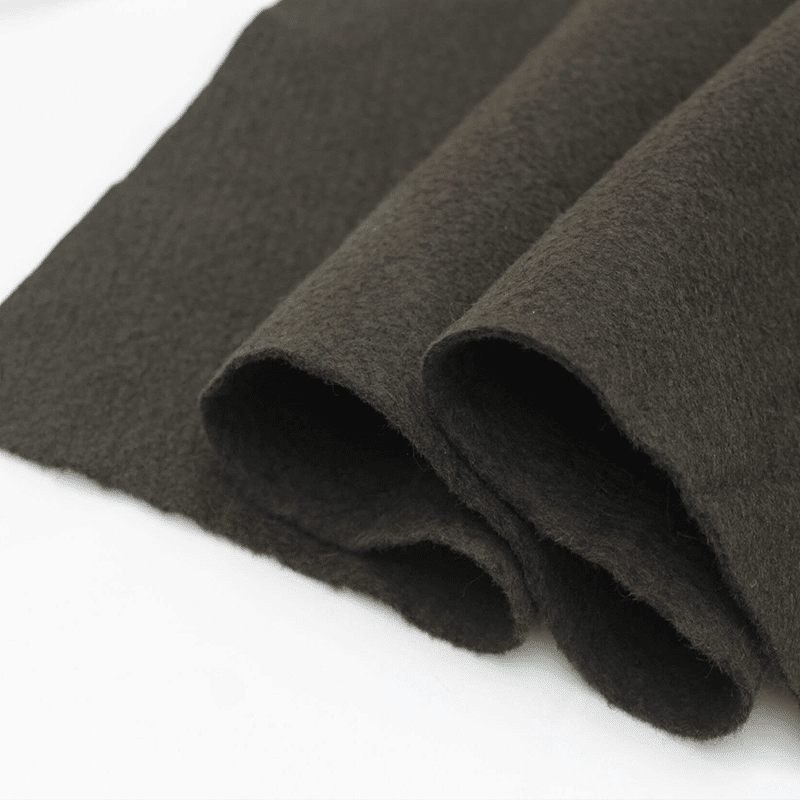
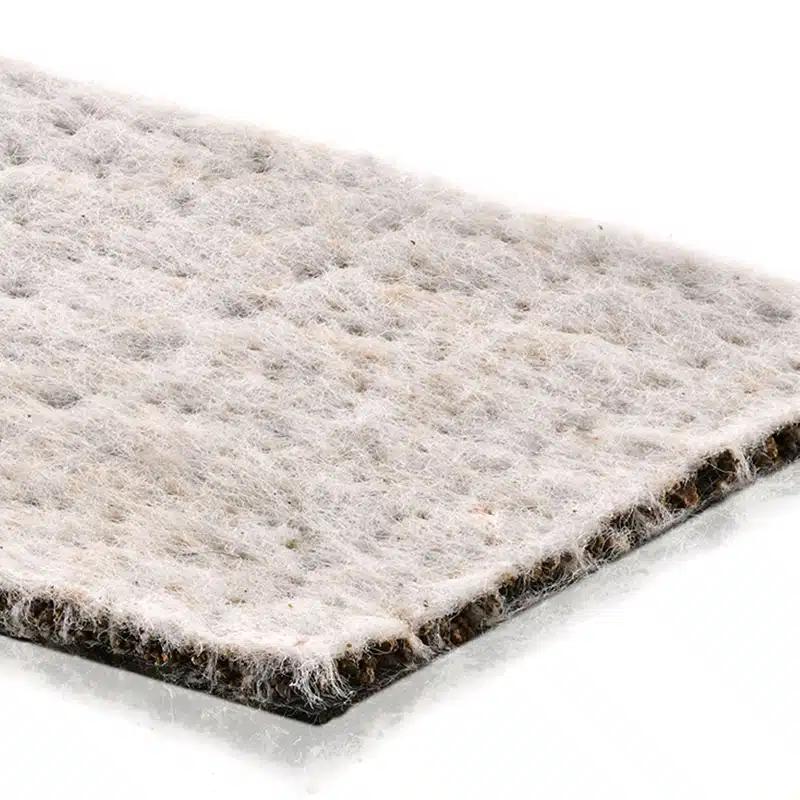
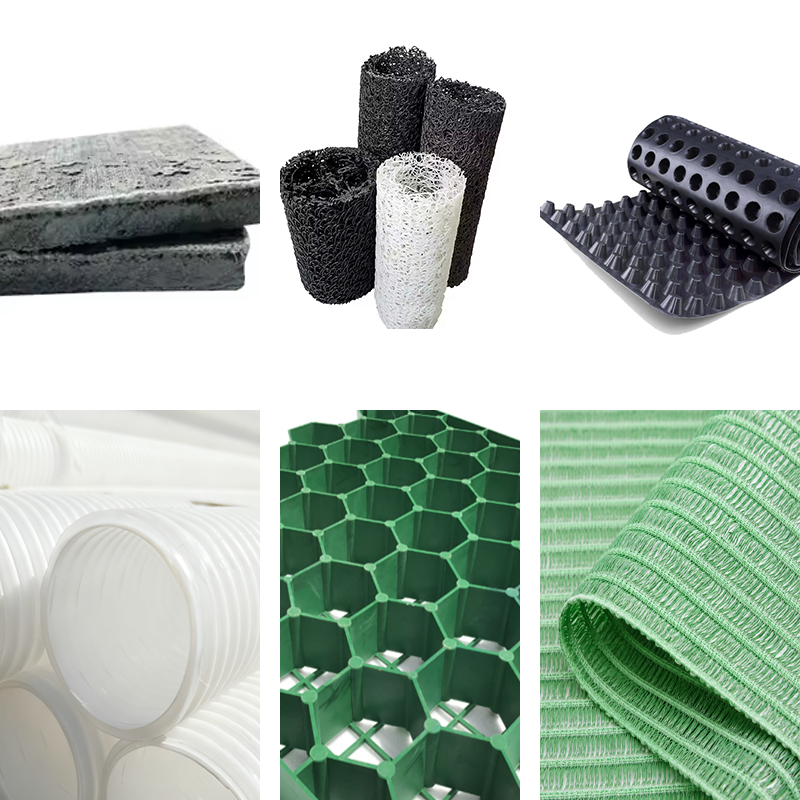
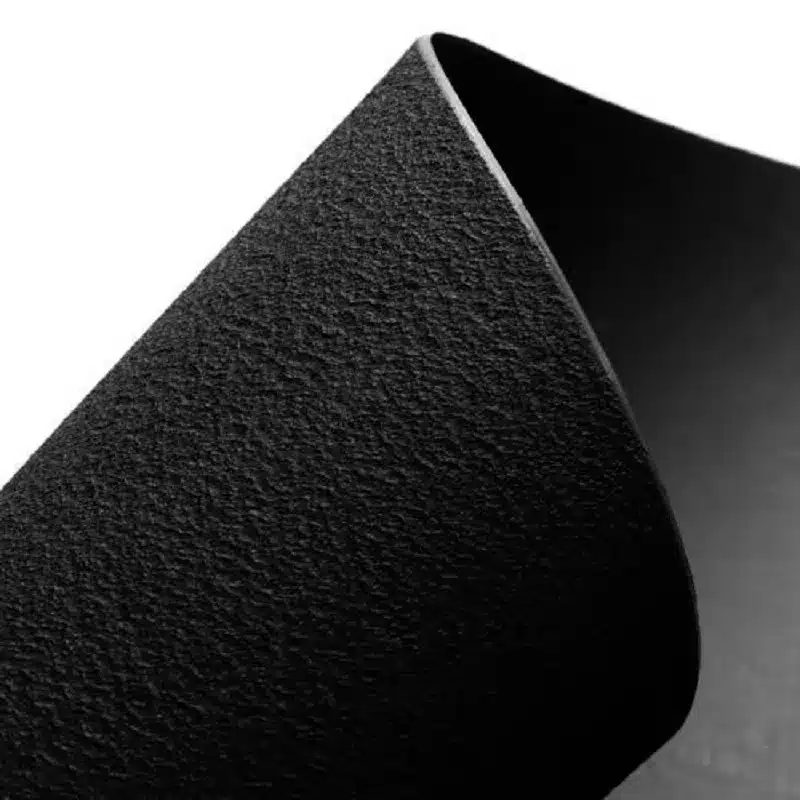
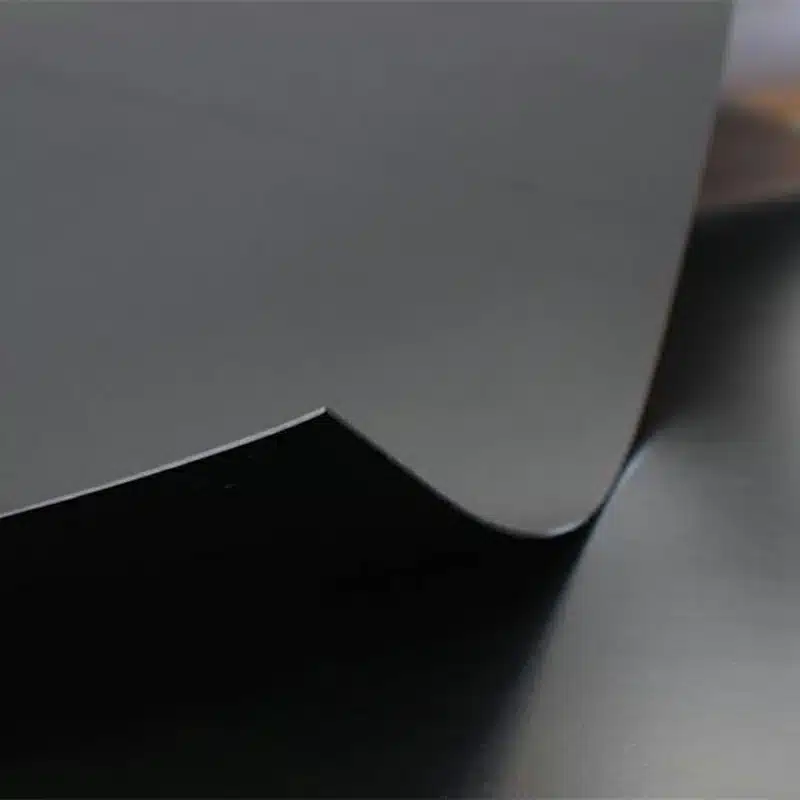
Material selection depends on the containment application, foundation characteristics, anticipated loads, and expected exposure conditions. HDPE geomembranes serve as hydraulic barriers, while nonwoven geotextiles provide mechanical protection where required. Smooth and textured geomembranes have different interface friction characteristics, making slope geometry and interface shear resistance important design considerations.
When evaluating geosynthetic liner materials for water containment, engineers should consider membrane thickness, puncture resistance, tensile properties, chemical compatibility, and long-term durability. Contractors and procurement teams should also review manufacturing quality documentation, relevant material specifications, and installation requirements. The selected system must meet the project’s engineering specifications rather than being chosen solely on the basis of material cost or thickness.
How Should a Geosynthetic Liner Be Installed for Reliable Performance?
Proper installation begins with subgrade preparation to create a stable, uniform surface free of sharp objects, unsuitable debris, and significant irregularities. Protective geotextiles are placed where specified, followed by geomembrane panels arranged according to the approved installation layout.
Adjacent panels are joined using appropriate thermal welding methods, with seam integrity verified through suitable inspection and testing procedures. Anchorage details, weather conditions, and construction traffic must also be managed to minimize installation damage. A documented geosynthetic liner installation and quality control process helps contractors identify defects before commissioning. Regular inspection and maintenance further support the containment system’s long-term performance.
A properly designed geosynthetic liner system helps control seepage in reservoirs and industrial wastewater ponds while supporting environmental containment. Effective performance depends on compatible materials, stable foundations, appropriate installation methods, and construction quality assurance.
Geofantex supplies HDPE geomembranes and protective geotextiles for water containment applications. Contact our team to discuss suitable material options and technical specifications for your project.
Get Free Sample
We’ll respond as soon as possible(within 12 hours)