

+86-159 9860 6917
info@geofantex.com
geofantex@gmail.com
+86-400-8266163-44899
Geocell slope stabilization uses three-dimensional cellular confinement to stabilize soil, control erosion, and protect slopes. For engineers, contractors, distributors, and project buyers, selecting the right geocell can improve soil confinement, support vegetation, and reduce surface erosion in landscaping, highway embankments, and other slope protection projects.
How Does Geocell Slope Stabilization Work?
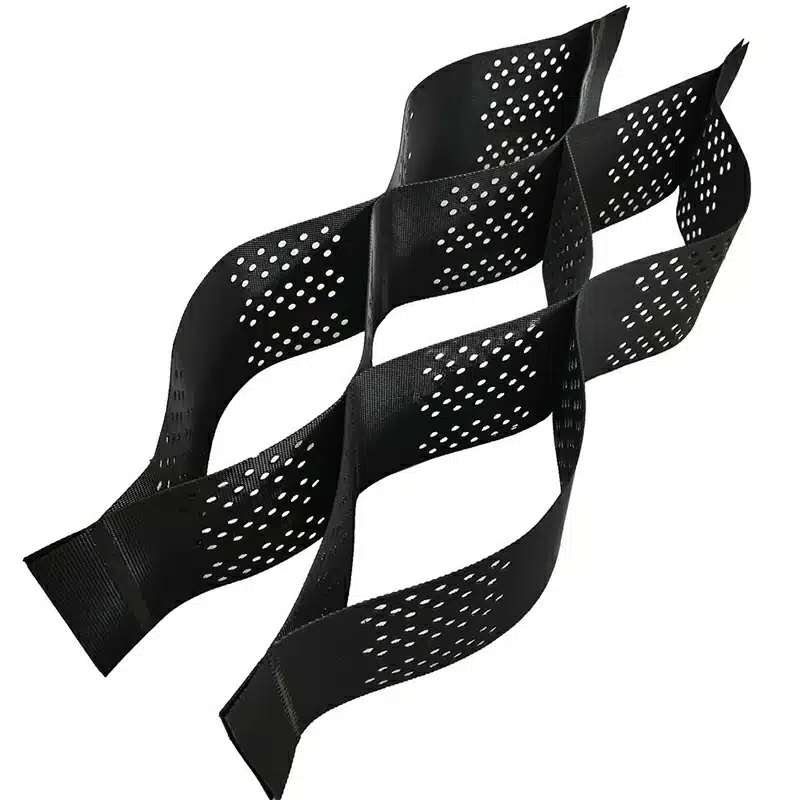
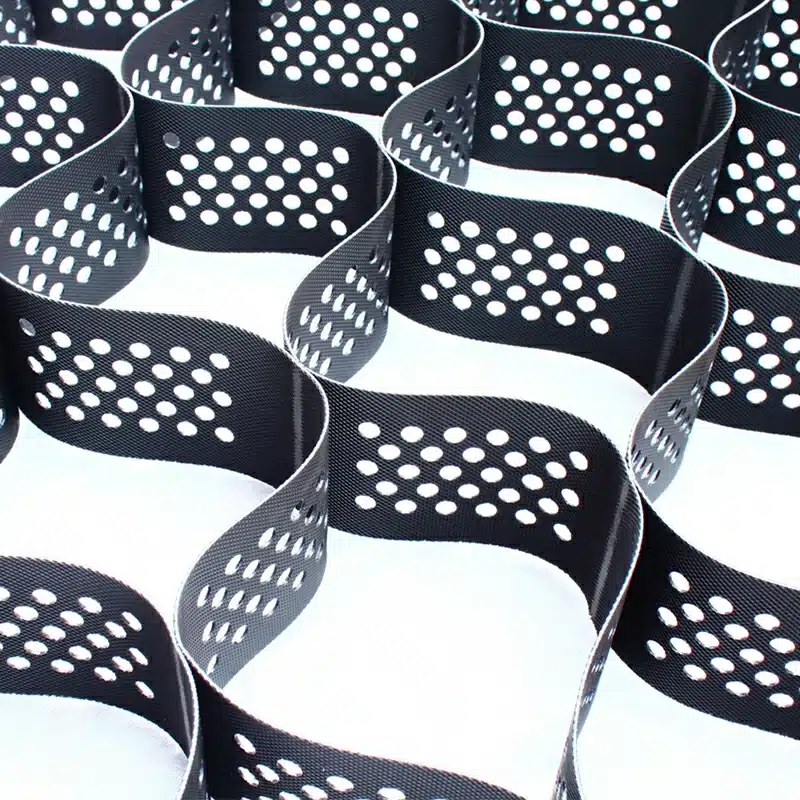
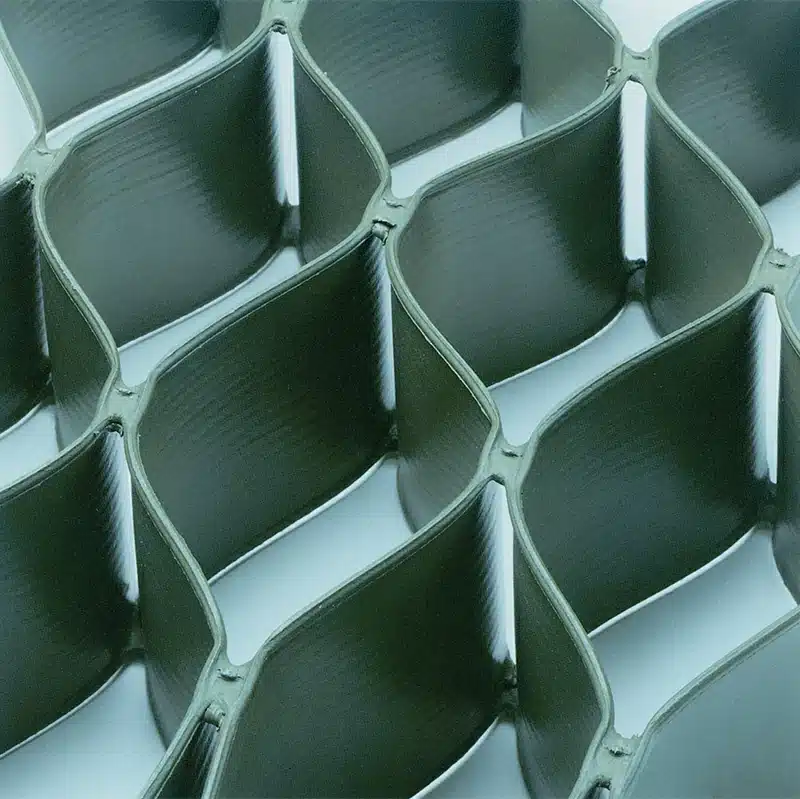
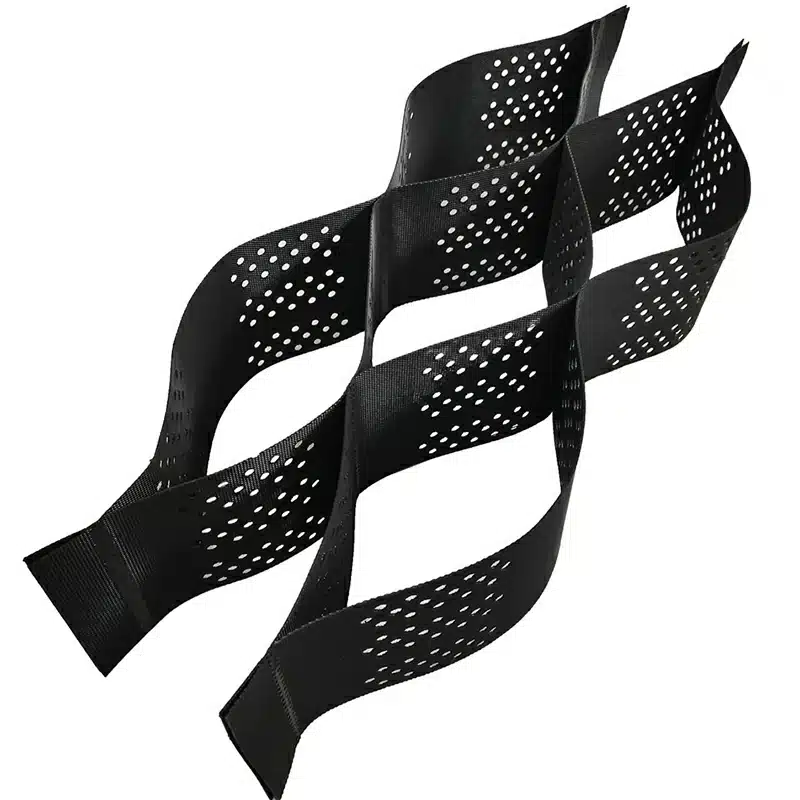
Geocells are expandable three-dimensional cellular structures typically manufactured from polymeric strips. Once expanded and secured to a slope, the cells are filled with soil, aggregate, or other specified infill material.
The cellular structure confines the infill and limits lateral movement. This helps retain surface materials and reduce displacement caused by rainfall and surface runoff.
The performance of geocell slope stabilization systems for erosion control depends on slope angle, soil conditions, rainfall, infill material, cell depth, and anchoring. For vegetated slopes, suitable topsoil can be used as infill to support plant growth while helping protect the soil surface.
Where Is Geocell Slope Stabilization Used?
Geocell systems are used in civil engineering, transportation, hydraulic, and landscaping projects where slopes require surface stabilization or erosion protection.
Typical applications include:
- Highway cut and fill slopes
- Road and railway embankments
- Landscape slopes
- Riverbanks
- Drainage channels
- Reservoir slopes
- Mining areas
- Construction site erosion control
For landscaping, geocell slope stabilization for vegetated landscape slopes helps retain topsoil within the cells and provides a stable surface for vegetation establishment.
For highway projects, geocells can help retain soil or aggregate on embankments and cut slopes exposed to rainfall and surface runoff. Product configuration and anchoring should be selected according to slope geometry and site conditions.
Geocell for Slope Protection and Erosion Control
Slope stabilization and erosion control requirements vary considerably between projects. Geocells provide cellular confinement that helps retain infill within the treated area and protect exposed soil surfaces.
For vegetated applications, soil-filled cells can support grass and other suitable vegetation. For applications requiring greater resistance to runoff, aggregate or other specified infill material may be used.
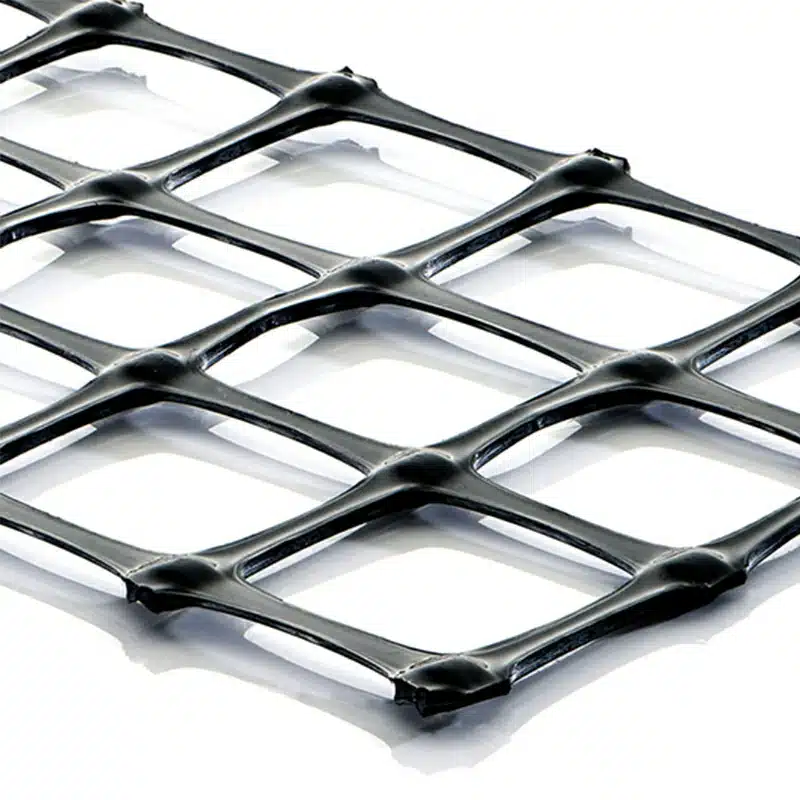
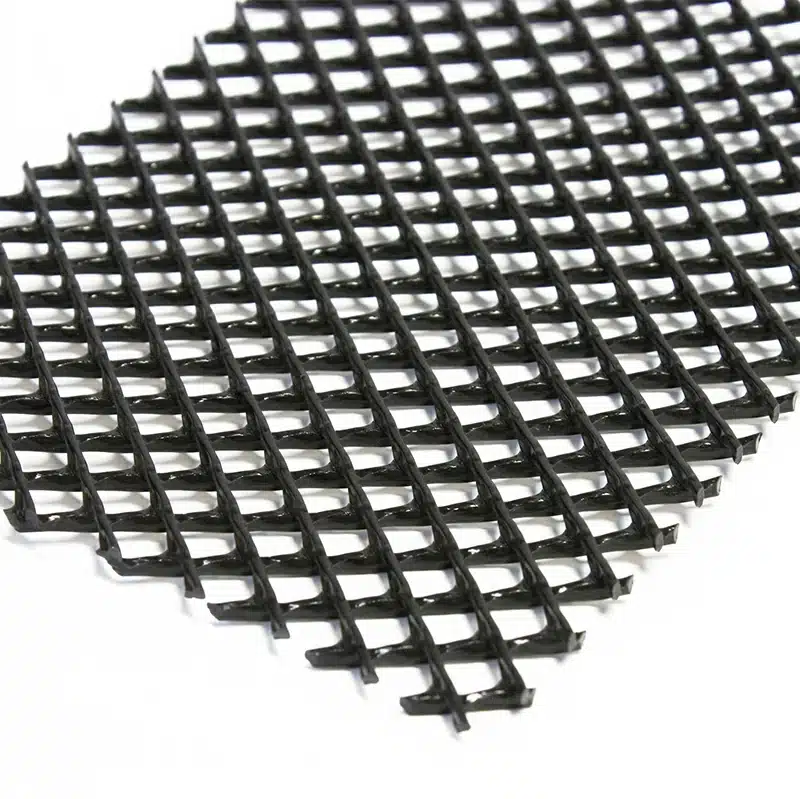
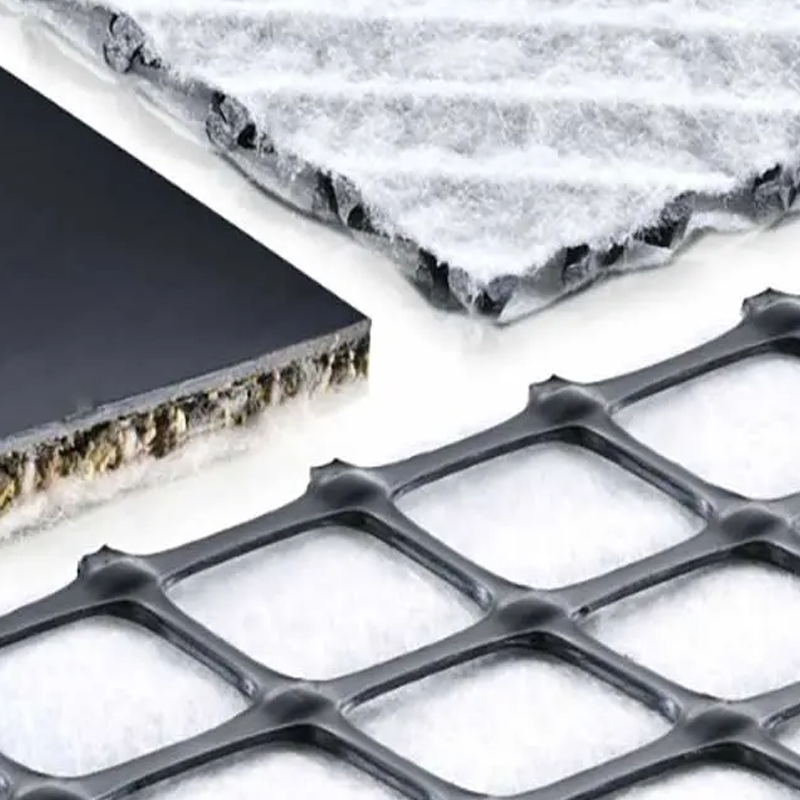
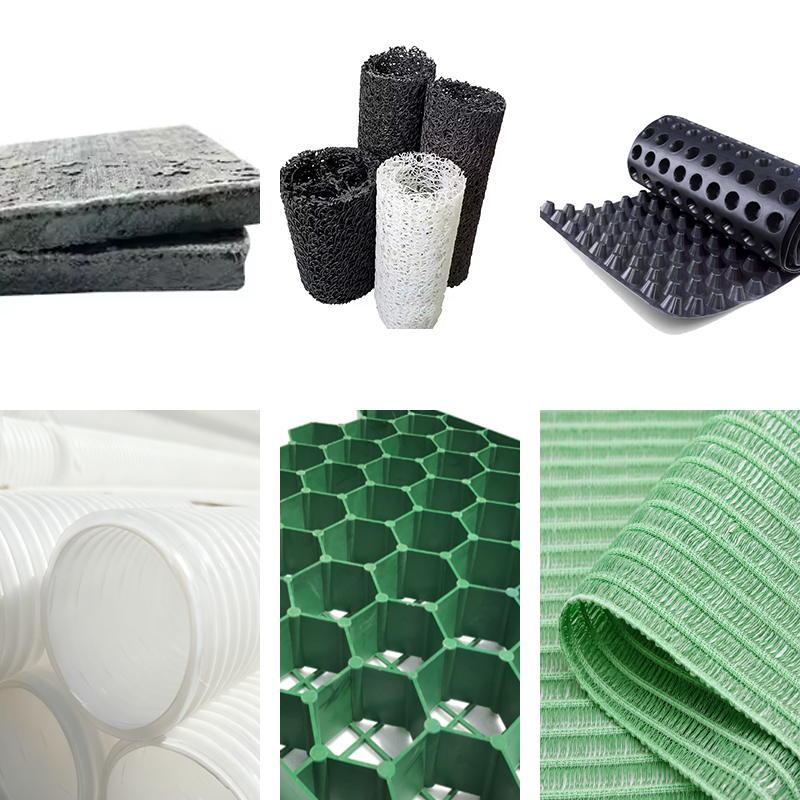
Geocells can also be combined with geotextiles, geomats, drainage products, or anchoring systems where required by the project design.
This flexibility makes geocells suitable for projects ranging from landscape development to transportation infrastructure.
How Does Geocell Compare With Other Slope Stabilization Systems?
Selecting a slope stabilization system requires evaluating site conditions, construction requirements, and long-term performance rather than material price alone.
Compared with rigid surface protection systems, geocells provide a flexible cellular system that can conform to slope geometry. Compared with basic erosion control mats, geocells provide three-dimensional confinement for soil or aggregate.
When evaluating geocell slope stabilization cost and performance for civil projects, consider:
- Material specifications
- Slope preparation
- Anchoring requirements
- Infill availability
- Transportation
- Installation labor
- Drainage conditions
- Maintenance requirements
The most appropriate system depends on slope angle, hydraulic exposure, soil conditions, project design life, and required surface treatment.
What Affects Geocell Slope Stabilization Cost?
There is no single cost per square meter that applies to every project. Material and installation costs vary according to geocell specifications and site conditions.
Major cost factors include:
- Total project area
- Cell depth and dimensions
- Geocell material specifications
- Slope angle and length
- Anchor type and spacing
- Infill material
- Site accessibility
- Transportation distance
- Installation requirements
Using locally available soil or aggregate may reduce transportation requirements, while steep or difficult-to-access slopes may increase installation costs.
Buyers should therefore compare complete system requirements rather than selecting products based solely on unit price.
How to Select Geocell for a Slope Project
Selecting the right product requires matching geocell specifications to the site’s geometry, soil conditions, hydraulic exposure, and intended infill material.
Important parameters include cell depth, cell dimensions, material, strip thickness, seam or weld strength, section dimensions, and anchoring requirements.
For geocell slope stabilization materials for highway slopes, project drawings and technical specifications should be reviewed before final product selection.
Buyers should provide:
- Project area
- Slope angle and dimensions
- Required cell depth
- Required cell dimensions
- Infill material
- Soil conditions
- Anchor requirements
- Required standards
- Delivery destination
Providing this information allows the supplier to recommend a suitable configuration and prepare a more accurate quotation.
Request Geocell for Your Slope Project
A properly selected geocell slope stabilization system can provide effective soil confinement, erosion control, and flexible slope protection. Product selection should be based on actual slope conditions and engineering requirements.
Geofantex supplies geocell systems for landscaping, highway slopes, embankments, channels, erosion control, and other civil engineering applications.
Send your project drawings, required specifications, quantity, slope conditions, and delivery destination for product matching and a project-based quotation.
Get Free Sample
We’ll respond as soon as possible(within 12 hours)