

+86-159 9860 6917
info@geofantex.com
geofantex@gmail.com
+86-400-8266163-44899
A geocell foundation provides an effective solution for reinforcing weak soils and improving ground stability in construction projects. Made from high-density polyethylene (HDPE), geocells form a three-dimensional cellular structure that confines aggregate, distributes loads, and reduces surface deformation. For engineers, contractors, and project buyers, selecting suitable geocell specifications is essential for reliable road foundations, construction platforms, and infrastructure applications.
What Is a Geocell Foundation?
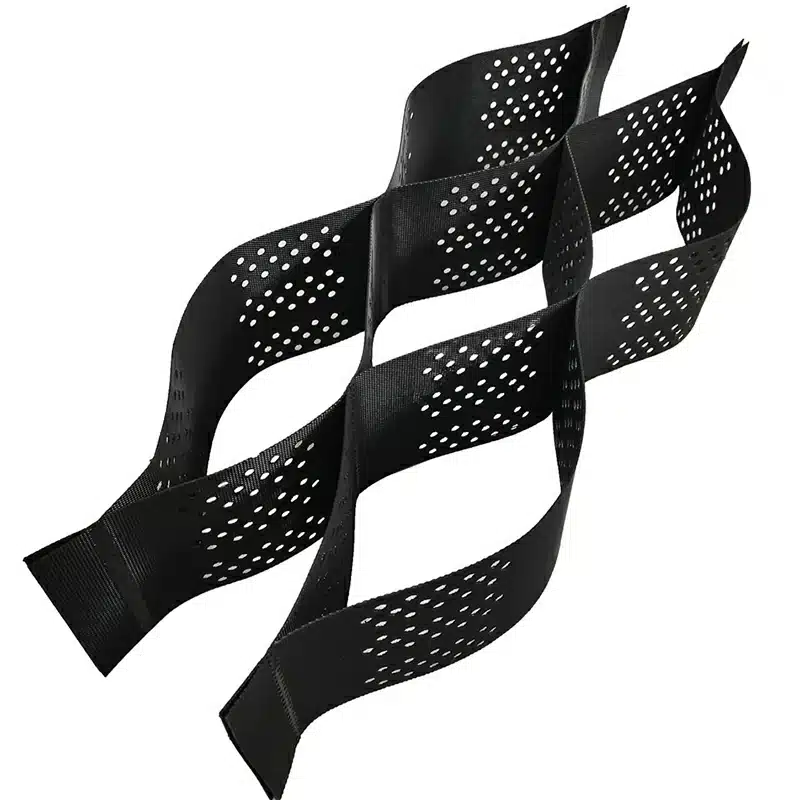
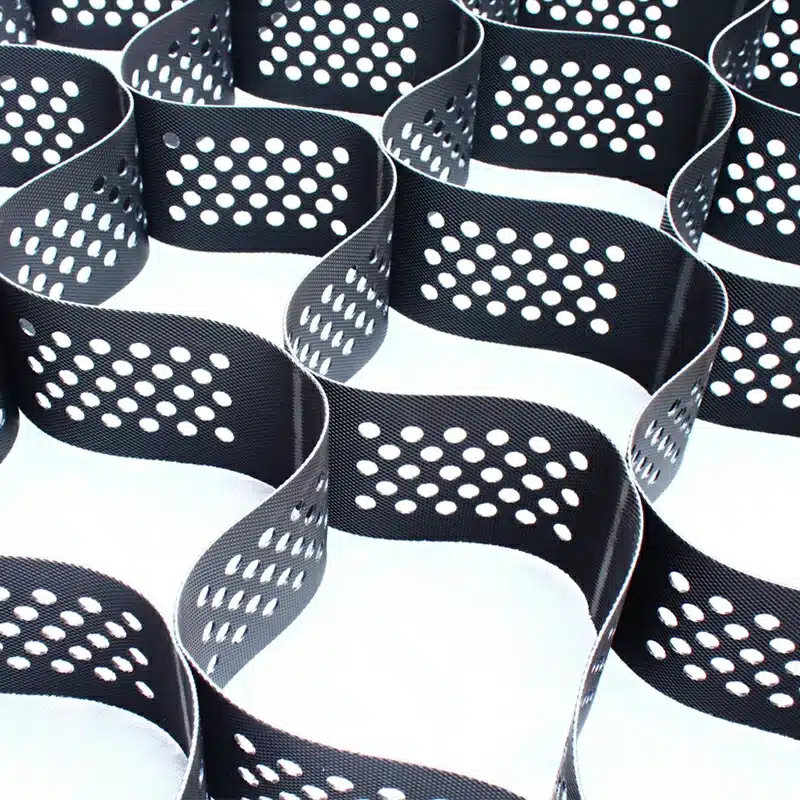
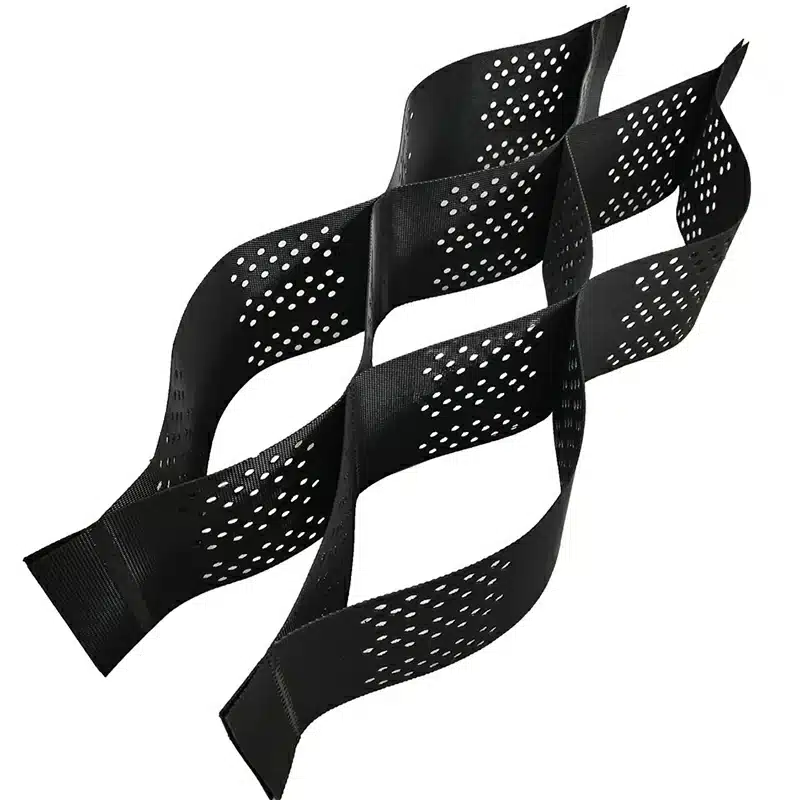
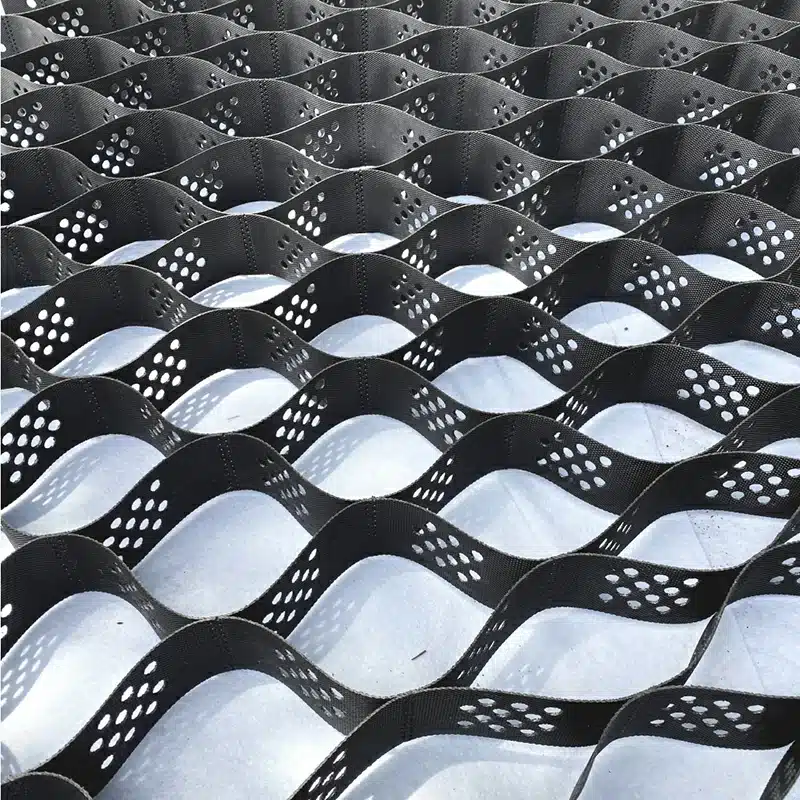
A geocell-reinforced foundation layer consists of interconnected polymeric cells expanded over a prepared subgrade and filled with compacted aggregate or suitable soil.
The cellular confinement system restricts lateral movement of infill materials, improving the stiffness and stability of the reinforced layer. Compared with conventional unconfined aggregate layers, geocells can reduce rutting and improve load distribution under appropriate conditions.
HDPE geocells are commonly used for temporary access roads, working platforms, industrial yards, and pavement foundation reinforcement.
Engineers and contractors can explore geocell foundation reinforcement solutions for weak soils to evaluate suitable materials for specific ground conditions.
How Does Geocell Foundation Reinforcement Work?
The performance of a cellular confinement system depends on three primary mechanisms.
Lateral Confinement: The honeycomb structure restricts aggregate displacement under vertical loading, improving resistance to deformation.
Load Distribution: Interconnected cells help spread applied loads across the reinforced layer, reducing localized stress concentrations.
Surface Stabilization: Confined infill materials resist lateral movement, helping reduce rutting and settlement under repeated traffic.
These mechanisms are particularly beneficial for construction access roads and temporary working platforms built over weak subgrades.
However, geocell reinforcement does not eliminate the need for geotechnical evaluation of bearing capacity, settlement, and overall stability.
Key Benefits of Geocell Foundation Systems
- Improved Soil Stability
- Cellular confinement enhances the performance of compacted granular layers, helping maintain structural integrity under construction and operational loads.
- Reduced Aggregate Requirements
- Depending on engineering design, geocell reinforcement may allow thinner aggregate layers or suitable locally sourced infill, potentially reducing transportation and material costs.
- Flexible Installation
- Lightweight HDPE panels are transported in collapsed sections and expanded on-site, simplifying handling and installation.
- Long-Term Durability
- Properly specified HDPE geocells offer resistance to many chemical and environmental conditions, supporting long-term ground reinforcement applications.
For material selection, review HDPE geocell foundation products and technical specifications before confirming project requirements.
Geocell Foundation Installation Process
Proper installation is essential for achieving the required reinforcement performance.
- Step 1: Subgrade Preparation
- Clear unsuitable materials, grade the surface, and verify subgrade conditions before construction.
- Step 2: Geotextile Placement
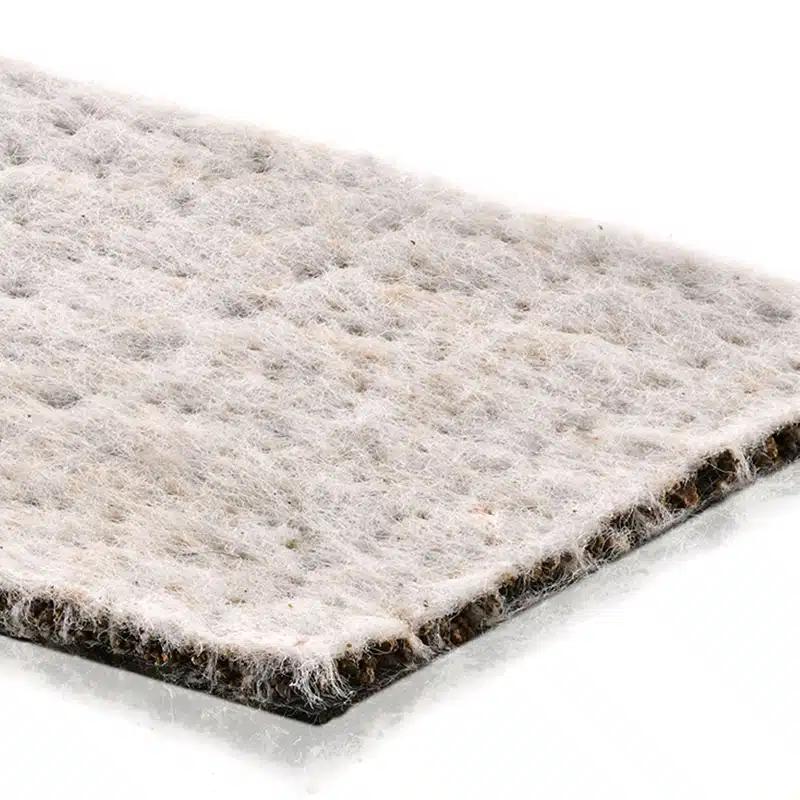
- Install a separation geotextile where required to prevent mixing between the granular layer and underlying fine-grained soil.
- Step 3: Geocell Expansion
- Expand and position HDPE geocell panels according to the approved layout and specified dimensions.
- Step 4: Aggregate Filling
- Fill the cells with approved granular materials while avoiding excessive displacement or damage.
- Step 5: Compaction and Finishing
- Compact the infill using suitable equipment and complete additional surface layers as required.
Applications in Weak Soil Stabilization
Geocell systems are suitable for various ground improvement applications.
- Temporary Roads: Improve trafficability and reduce rutting on weak subgrades.
- Construction Platforms: Reinforce granular working surfaces supporting construction equipment.
- Industrial Yards: Improve aggregate stability under repeated vehicle loading.
- Pavement Foundations: Enhance the performance of reinforced base and subbase layers.
Actual performance depends on soil strength, applied loads, drainage conditions, and reinforcement geometry.
How to Choose HDPE Geocells for Foundation Projects
Selecting suitable materials requires evaluating cell height, expanded cell dimensions, sheet thickness, seam strength, and polymer durability.
Engineers should also consider infill gradation, compaction requirements, subgrade strength, and drainage provisions.
Geofantex supplies HDPE geocells for ground stabilization, road reinforcement, and infrastructure construction.
For project planning, consult geocell foundation material selection and installation guidance to identify appropriate product configurations.
A geocell foundation can improve granular layer stability, distribute loads, and reduce deformation in suitable ground reinforcement applications. Successful projects depend on proper geotechnical design, compatible infill materials, drainage management, and installation quality. Contact Geofantex for HDPE geocell specifications, technical support, and a project quotation.
Get Free Sample
We’ll respond as soon as possible(within 12 hours)