What Are Geocomposite Wall Drains? Key Uses Explained
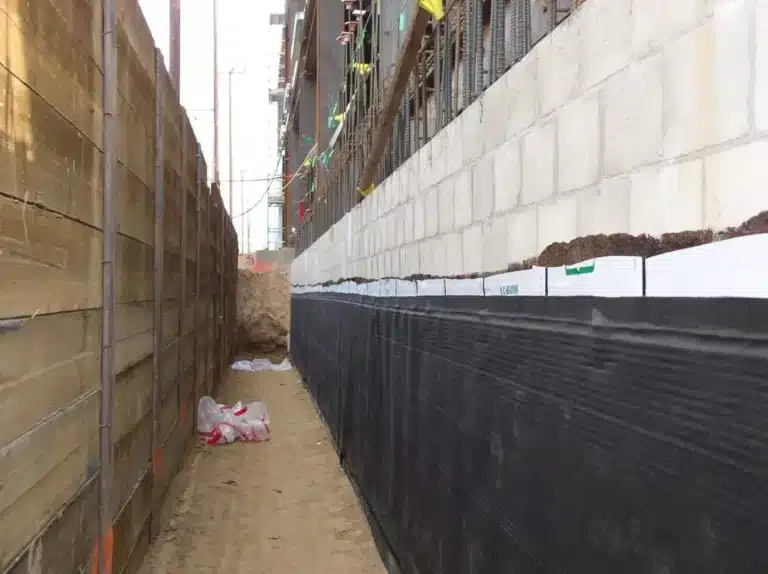
Geocomposite wall drains offer an efficient solution for managing water flow and preventing water-related damage to structures.
Tel: +86-411-39569550 | E-mail: info@geofantex.com/geofantex@gmail.com
Geocomposite wall drains offer an efficient solution for managing water flow and preventing water-related damage to structures.
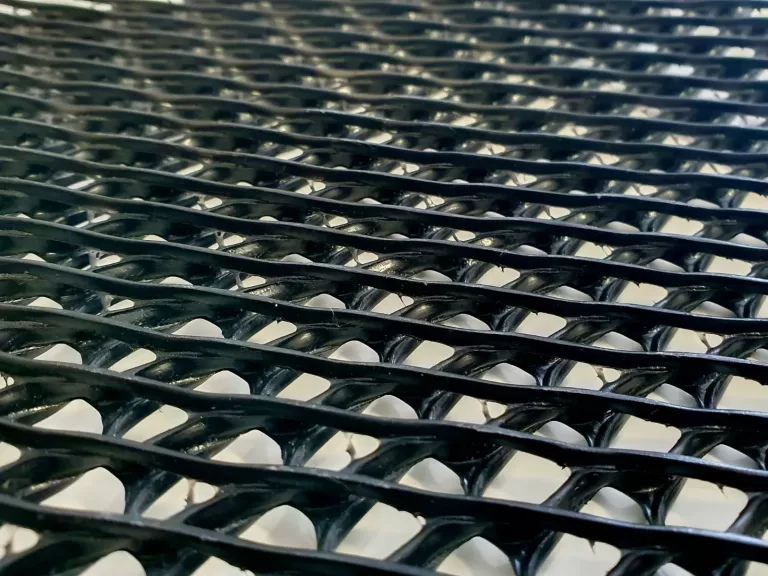
Geonet material is a critical component in many civil and environmental engineering projects. These polymeric materials, often made from virgin high-density polyethylene (HDPE), are used in drainage and filtration systems to provide efficient flow pathways for liquids and gases. Geonets are lightweight, durable, and versatile, making them indispensable in applications like landfill liners, road construction, and erosion control. In this article, we will explore what geonets are made of, their differences from geotextiles, and their specific uses.
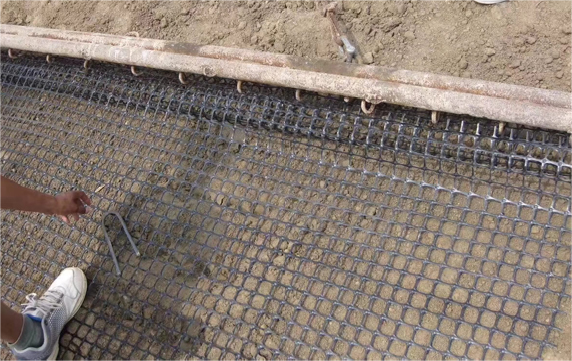
Geogrid soil stabilization is a critical engineering method that enhances the stability and strength of soil, especially in construction and landscaping. These grid-like materials, made from polymers such as polyester or polypropylene, create a structured foundation that reinforces the soil, making it more resistant to erosion, load pressures, and environmental wear. This process is especially valuable on slopes, roads, and areas with challenging soil conditions. In this article, we explore how geogrids contribute to soil stabilization, their practical applications, and when to choose geogrids over geotextiles.
Geotextile fabric has become a staple in various construction and landscaping projects, especially when it comes to managing drainage effectively. This permeable material, typically made from synthetic fibers like polyester or polypropylene, serves as a reliable filter that allows water to pass through while preventing soil migration. This capability makes geotextile fabric essential for drainage systems, trench drains, and soil stabilization. Here, we delve into how geotextile fabric aids in effective drainage and strengthens soil for various construction needs.
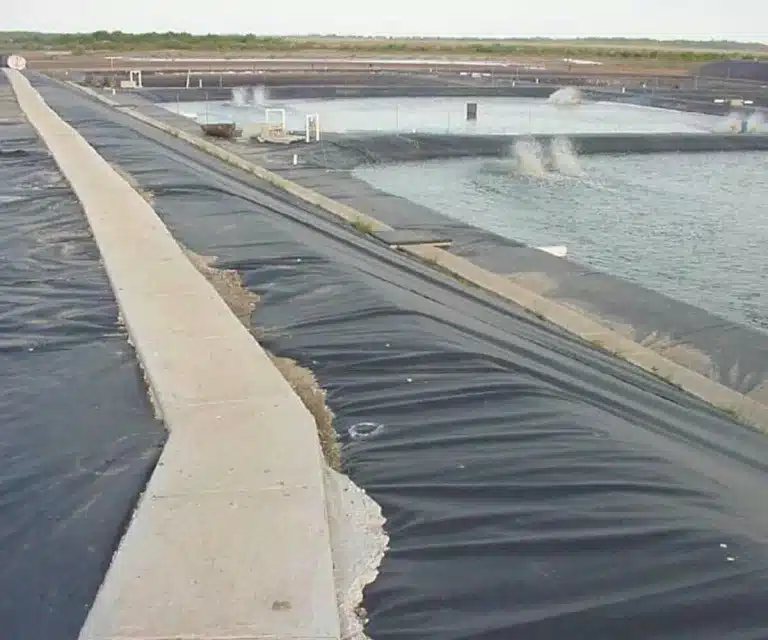
HDPE geomembranes, a type of geomembrane made from high-density polyethylene, are widely used in various industrial and environmental applications. These synthetic membranes act as barriers, preventing the movement of fluids or gases, making them essential for projects involving waste containment, water conservation, and environmental protection. In this article, we will explore the differences between HDPE geomembrane and other types of geomembranes, as well as the various types available, to understand their benefits and applications.
Geogrid driveway plastic grids are innovative and reliable solutions for strengthening driveways, especially on soft or unstable ground. Designed to hold and stabilize materials like gravel or sand, these plastic grids prevent issues such as rutting, sinking, and surface displacement. They offer an eco-friendly, sustainable choice that can improve a driveway’s durability and support under heavy loads, reducing maintenance needs over time. In this article, we will explore why geogrid systems are ideal for driveways, how to install them, and important considerations for achieving the best results.
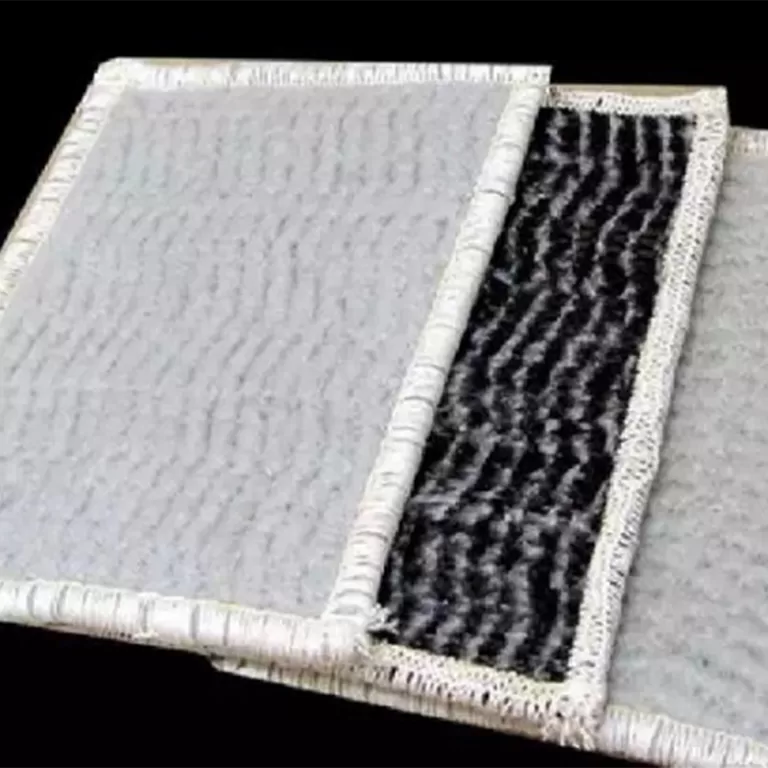
Waterproof barrier geosynthetics are essential components in many civil engineering and environmental protection projects. These materials are specifically designed to act as barriers, preventing the passage of liquids and gases through soils and other substrates. In this article, we will explore the barrier function of geosynthetics, distinguish between geotextiles and geosynthetic membranes, discuss the types of geosynthetics commonly used as barriers, and explain what a geosynthetic liner is.
Geosynthetics, including geogrids and geonets, play a crucial role in civil engineering, environmental protection, and construction. Geogrids provide strength and durability for large-scale projects, whereas geonets offer excellent drainage capabilities for retaining walls and soil separation. Although they may sound similar, geogrids and geonets serve different functions and are applied in distinct ways. This article explores the fundamental differences between these two materials, highlights their unique applications, and discusses their advantages.
Hotwedge welding is a crucial technique in the installation of geomembranes, which are synthetic membranes widely used in civil engineering and environmental applications to prevent fluid migration. This welding method ensures strong, reliable seams in geomembranes, making it indispensable in projects like landfills, ponds, and containment systems. In this article, we will explore the hotwedge welding technique and answer key questions to help you understand its importance and application.
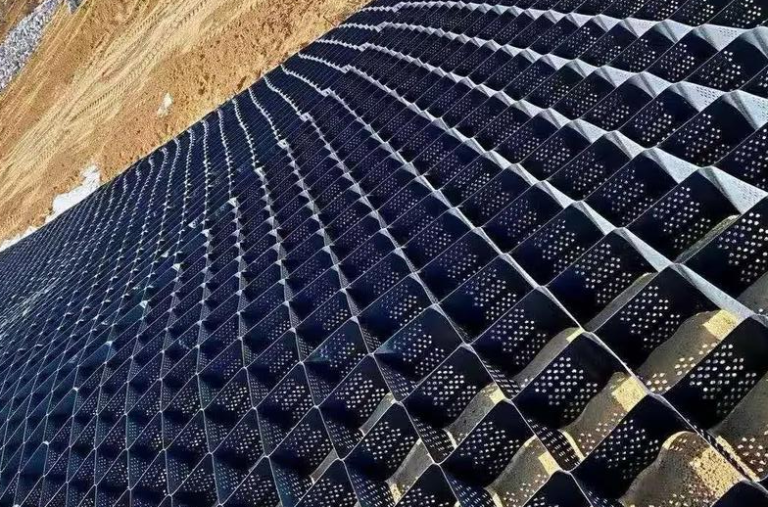
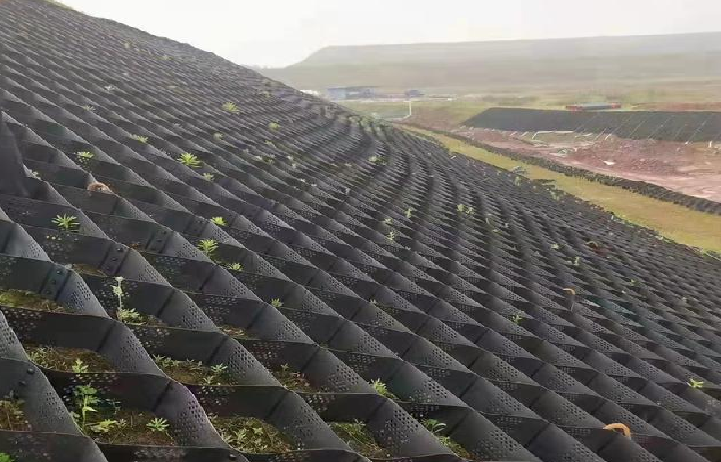
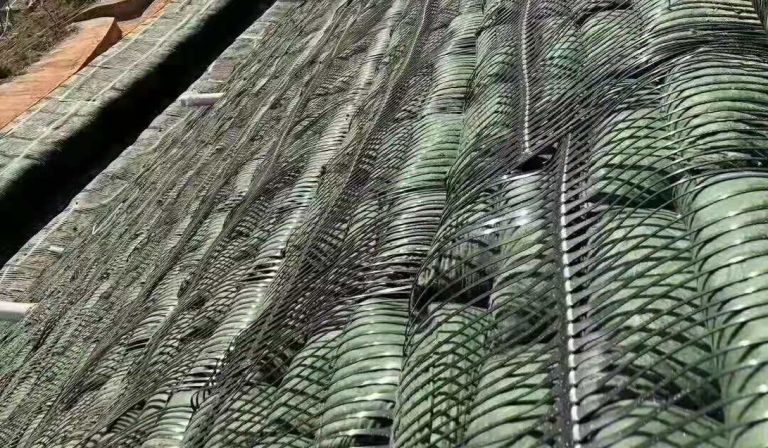
Geocell soil erosion control products have become essential for stabilizing slopes, preventing soil erosion, and enhancing the durability of various landscapes. These honeycomb-shaped, cell-like structures are filled with materials that reinforce soil on slopes and embankments, ensuring protection against erosion. Geocells are particularly valued in civil engineering and environmental protection projects due to their durability and ease of installation. Understanding the materials, filling requirements, and specific benefits of geocells helps clarify their role in controlling soil erosion.
End of content
End of content
WhatsApp us