

+86-159 9860 6917
info@geofantex.com
geofantex@gmail.com
+86-400-8266163-44899
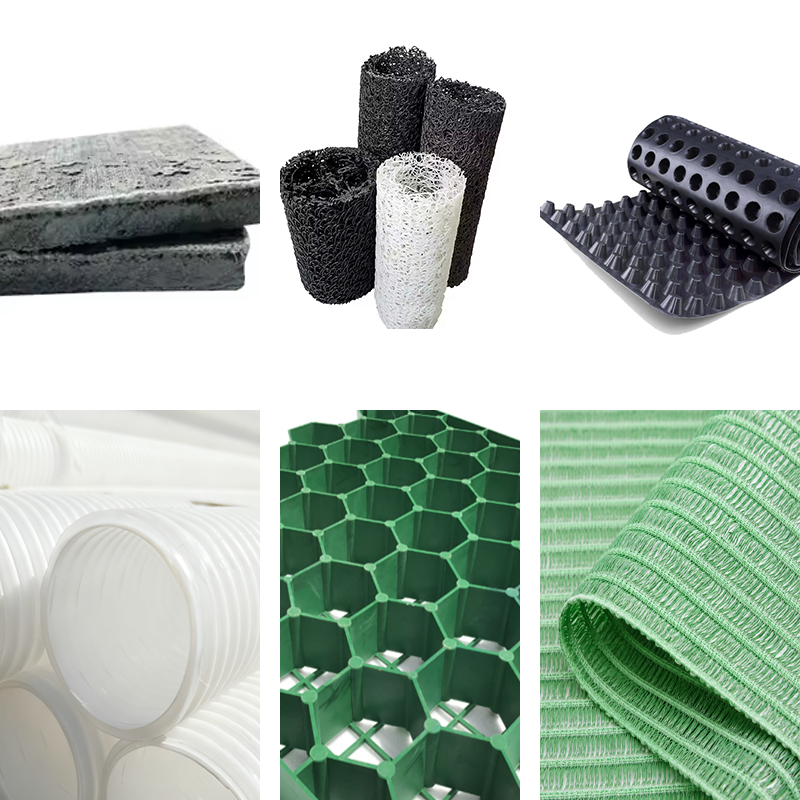
Drainage composites provide efficient subsurface water management for retaining walls, landfills, foundations, and other civil engineering projects. For engineers, contractors, and procurement teams, choosing the right drainage geocomposite involves evaluating hydraulic performance, compressive strength, filtration properties, and installation requirements. Understanding these factors helps buyers compare technical specifications, reduce project risks, and select cost-effective drainage solutions.
How Do You Select Drainage Composites for Different Applications?
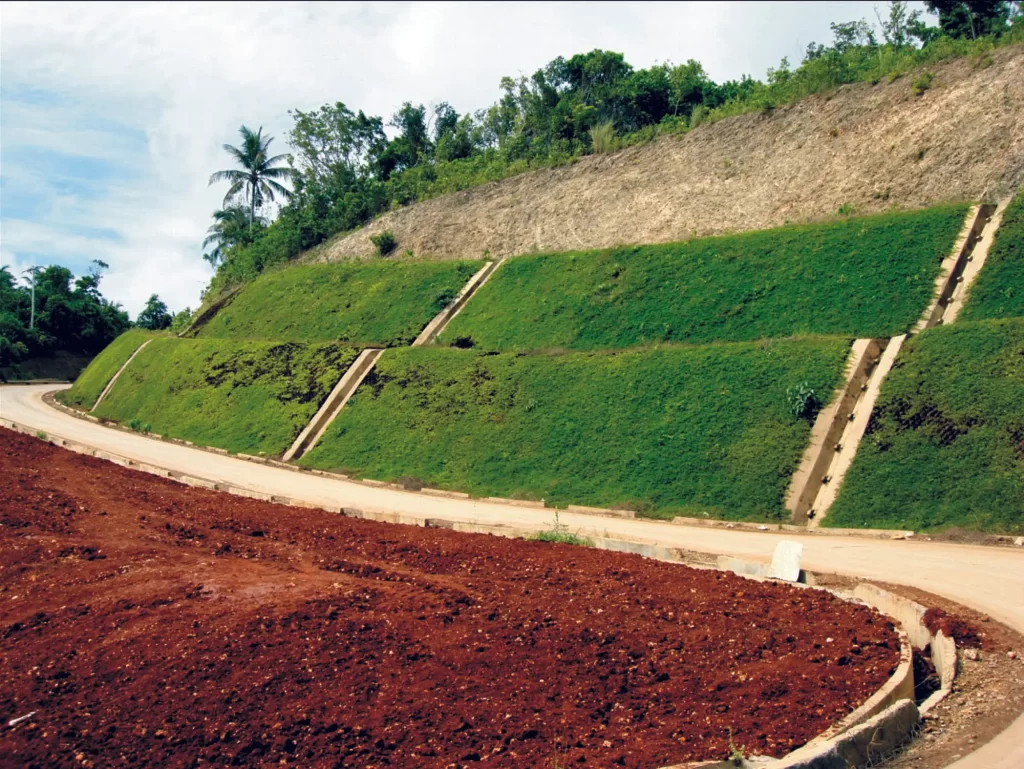
Selecting the appropriate drainage geocomposite depends on the project’s hydraulic requirements, loading conditions, and surrounding soil characteristics. Although these materials serve similar drainage functions, their performance requirements vary significantly across applications.
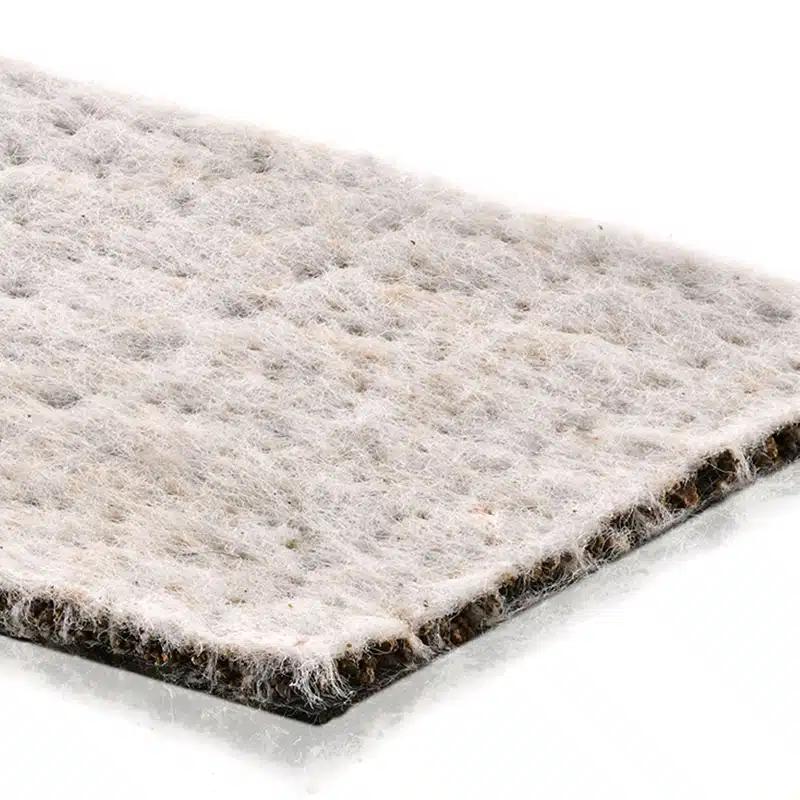
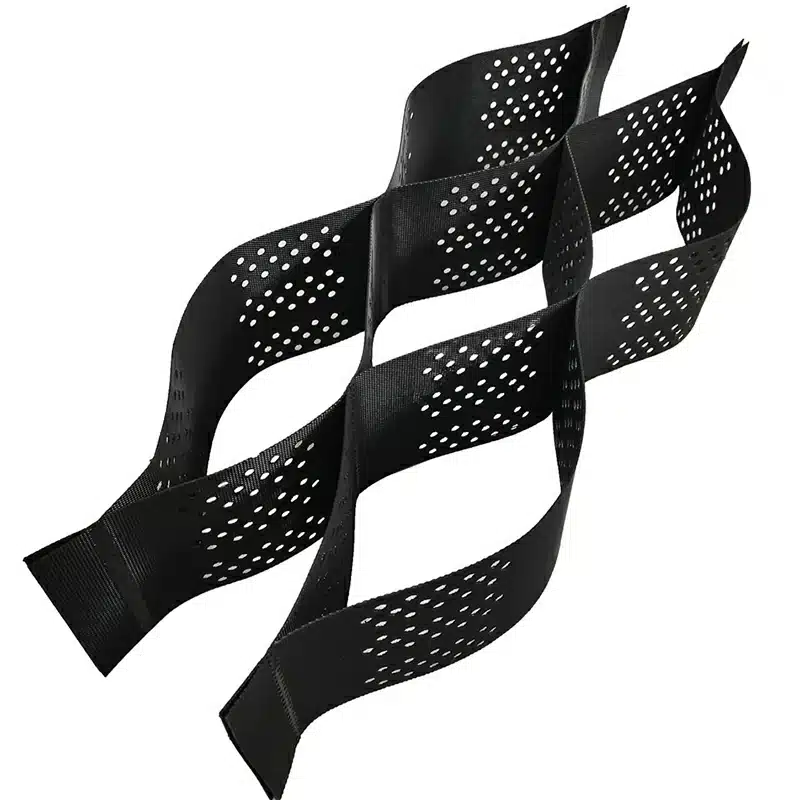
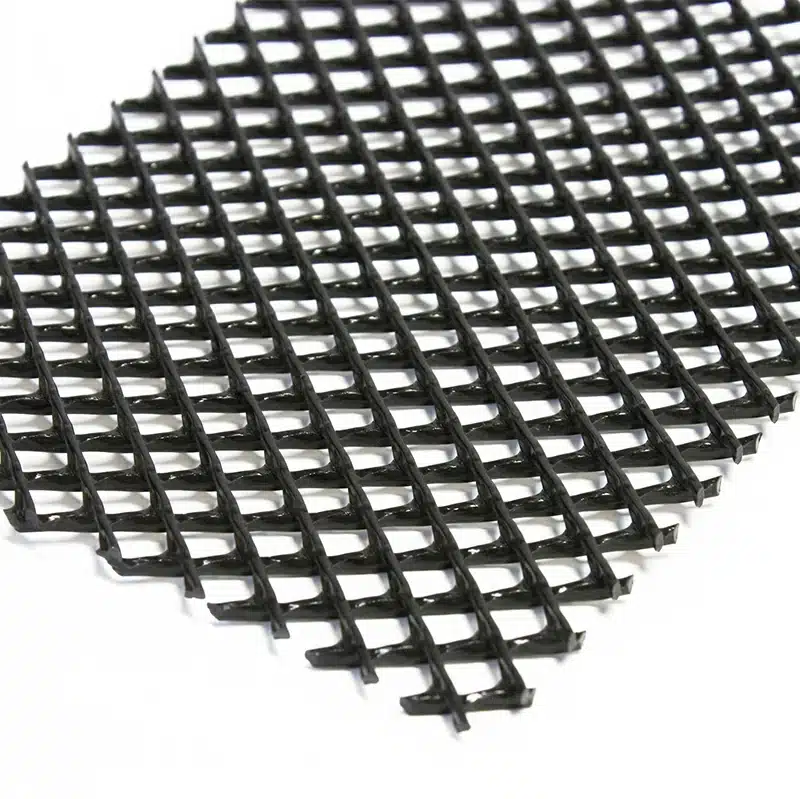
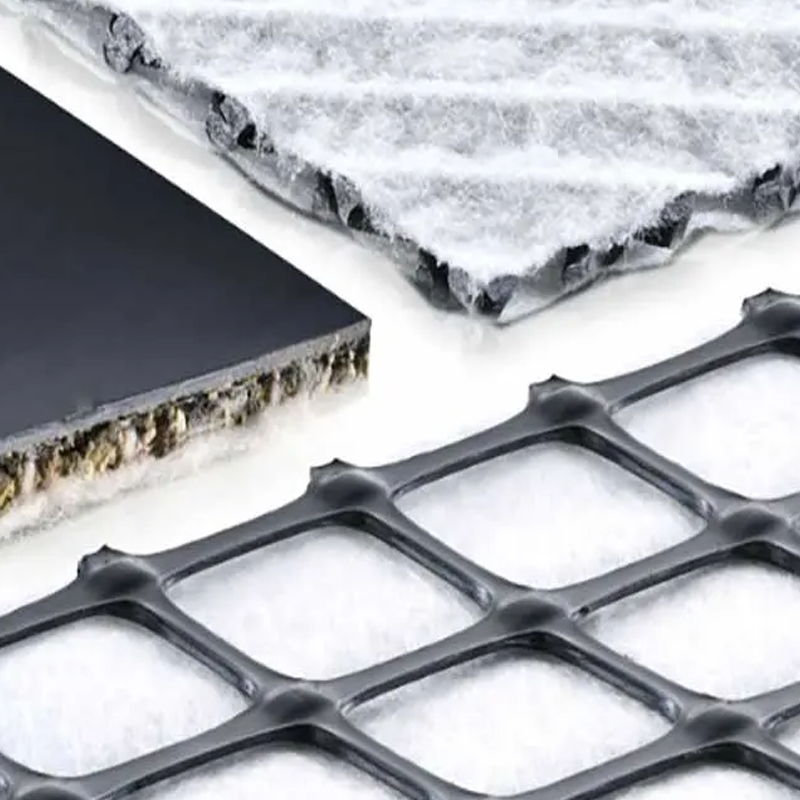
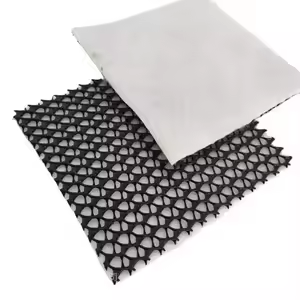
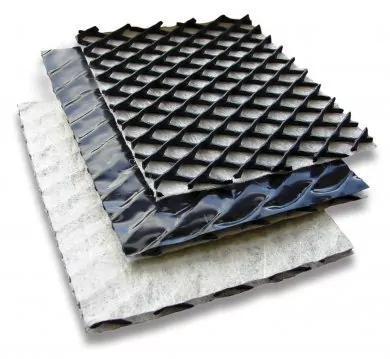
For retaining walls, drainage geocomposites help collect and redirect groundwater, reducing hydrostatic pressure behind the structure. A typical system combines a polymer drainage core with geotextile filtration layers that allow water to enter while limiting soil particle intrusion. In landfill applications, drainage materials must maintain adequate flow capacity under sustained compression and potentially aggressive chemical conditions. They may be incorporated into leachate collection systems or drainage layers above geomembrane liners, depending on the engineered design.
For foundations and tunnels, flexibility, drainage continuity, and compatibility with waterproofing systems are important considerations. Buyers should evaluate the expected hydraulic conditions and structural loads before selecting a product.
For additional guidance, explore drainage composites for retaining walls and landfill systems to compare application-specific requirements and identify suitable drainage solutions.
What Drainage Composites Specifications Should Buyers Compare?
Technical specifications are essential when comparing drainage geocomposites because products with similar thicknesses may perform differently under actual operating conditions. Buyers should prioritize verified hydraulic and mechanical properties rather than relying solely on nominal dimensions or unit prices.
| Specification | Purchasing Consideration |
|---|---|
| Hydraulic Transmissivity | Verify in-plane flow capacity under design loading conditions |
| Compressive Strength | Evaluate resistance to deformation under applied loads |
| Geotextile Permittivity | Confirm adequate water flow through the filtration layer |
| Apparent Opening Size | Assess filtration compatibility with surrounding soil |
| Core Thickness | Review drainage geometry and deformation characteristics |
| Creep Resistance | Evaluate long-term performance under sustained compression |
Hydraulic transmissivity testing according to ASTM D4716 provides useful information about in-plane water flow under specified conditions. However, laboratory results should be evaluated alongside the project’s normal stress, hydraulic gradient, and applicable long-term reduction factors.
Before purchasing, request a Technical Data Sheet (TDS), relevant laboratory test reports, and installation recommendations. Comparing equivalent performance data helps prevent specification mismatches and unnecessary procurement costs.
For further evaluation, review drainage composites technical specifications and performance requirements before approving materials for your project.
What Installation Problems Can Reduce Drainage Efficiency?
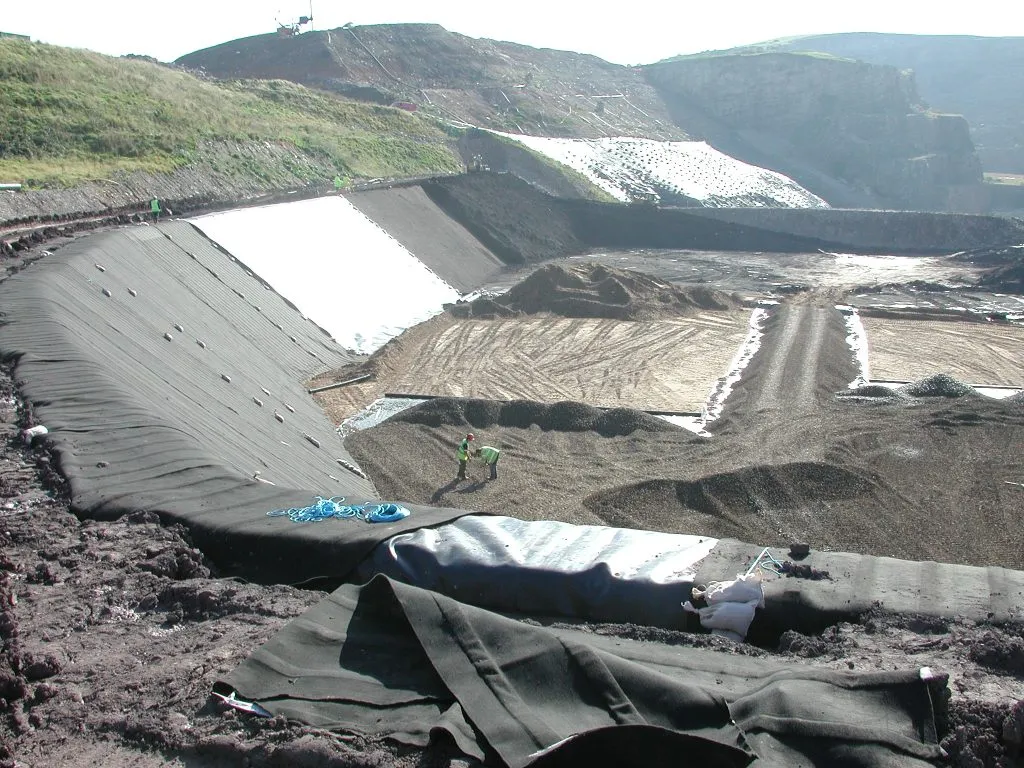
Even properly selected drainage geocomposites may experience reduced performance if installation procedures are not followed correctly. Common problems include damaged geotextile filters, interrupted drainage pathways, blocked outlets, and excessive compression of the drainage core.
Before installation, contractors should prepare the surface by removing sharp objects, debris, and protrusions that could damage the material. Adjacent panels must be connected according to the manufacturer’s recommendations to maintain drainage continuity. Proper integration with collection pipes and discharge outlets is equally important because accumulated water must have a reliable drainage route.
During backfilling, suitable materials and controlled placement methods should be used to prevent displacement or excessive compression. Contractors should also inspect panel connections, filtration layers, and drainage outlets before covering the installed system.
In retaining wall projects, these practices help manage groundwater pressure and maintain drainage performance. In landfill applications, installation quality is particularly important because damaged drainage components can compromise leachate collection and environmental containment.
How Can Buyers Optimize Drainage Composites Procurement Costs?
Effective procurement requires balancing product performance, installation efficiency, and logistics costs rather than selecting materials based solely on the lowest quotation.
Buyers should begin by providing suppliers with clear project requirements, including the intended application, design loads, required drainage capacity, relevant standards, and preferred roll dimensions. This information allows suppliers to recommend suitable products and prepare more accurate quotations.
When comparing offers, evaluate technical specifications, test documentation, manufacturing capabilities, and quality control procedures. Roll dimensions also influence overall project costs because appropriate widths and lengths can reduce installation joints, cutting waste, and handling requirements.
For international orders, minimum order quantity (MOQ), production lead time, packaging, container loading efficiency, and Incoterms should be confirmed before purchase. Requesting samples and relevant technical documentation can further reduce the risk of ordering unsuitable materials.
Explore drainage composites purchasing options and customized roll specifications to identify solutions that meet your project’s technical requirements and shipping preferences.
Choosing drainage composites requires careful consideration of hydraulic performance, mechanical durability, filtration compatibility, installation conditions, and procurement efficiency. Proper product selection and installation help maintain effective drainage in retaining walls, landfills, foundations, and underground structures.
Geofantex supplies geosynthetic drainage solutions for civil engineering and environmental applications. Our team can assist with product selection, technical specifications, customized roll dimensions, and international shipping arrangements.
Contact Geofantex today to request technical documentation, product recommendations, and a project-specific quotation.
Get Free Sample
We’ll respond as soon as possible(within 12 hours)