

+86-159 9860 6917
info@geofantex.com
geofantex@gmail.com
+86-400-8266163-44899
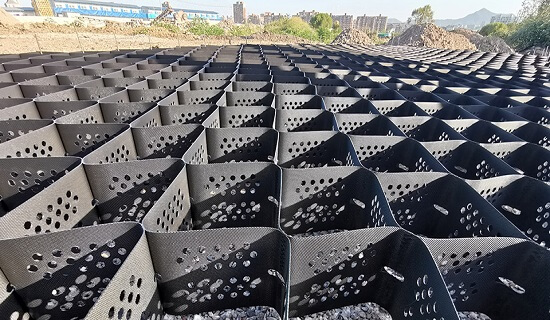
Geo Mesh for Driveways is a geosynthetic reinforcement solution that helps stabilize weak ground, improve load distribution, and extend driveway service life. For contractors, developers, and property owners, it offers a practical way to reduce rutting, sinking, and maintenance costs.
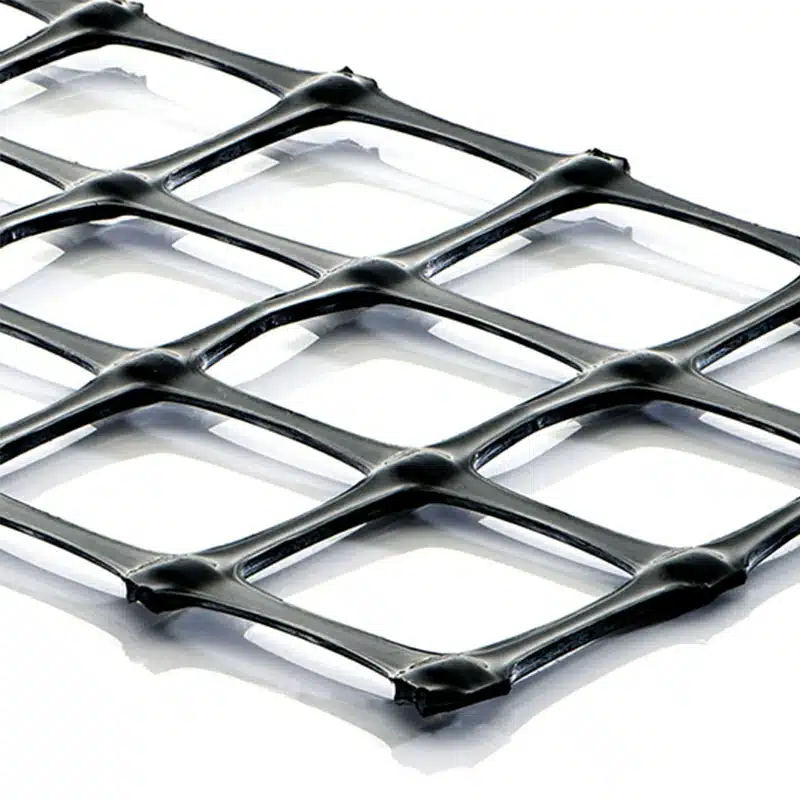
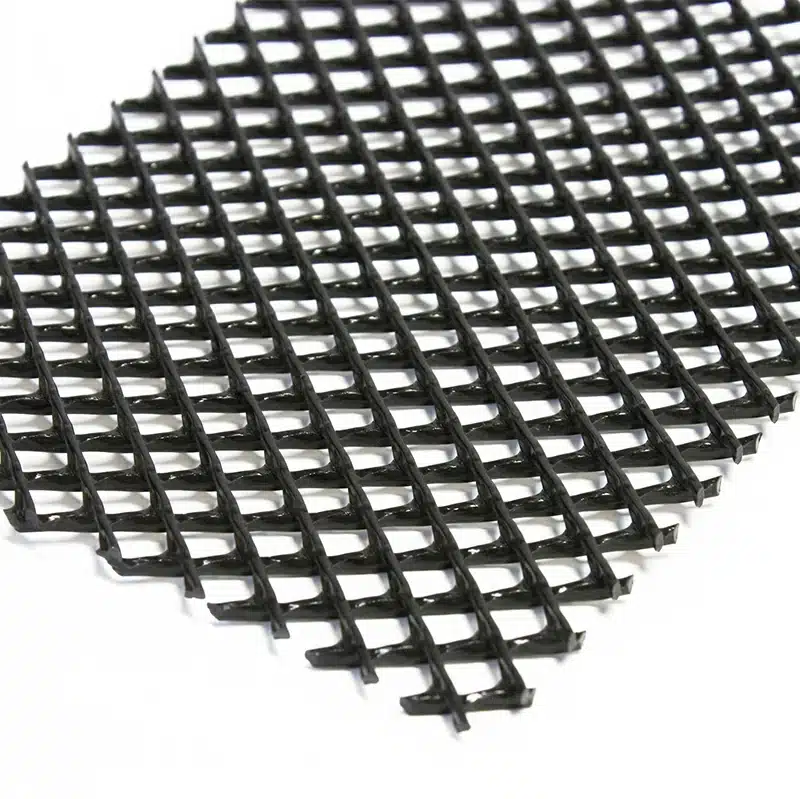
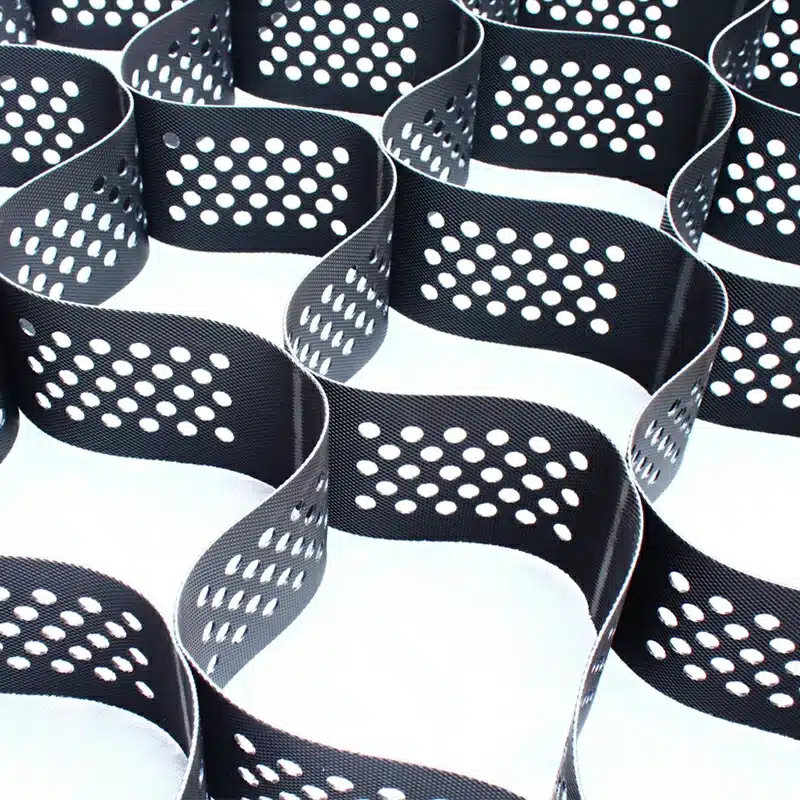
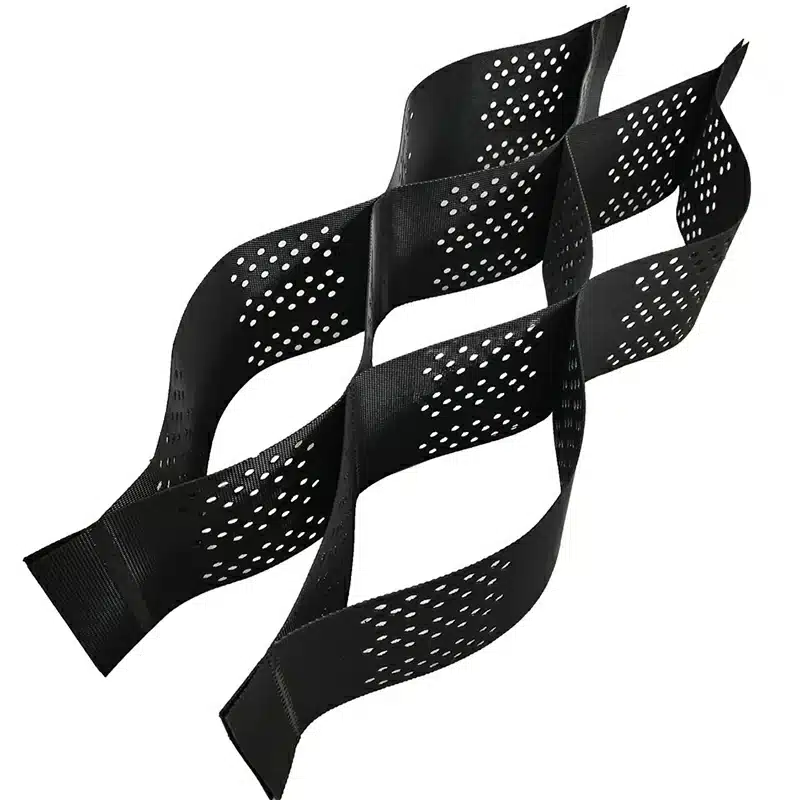
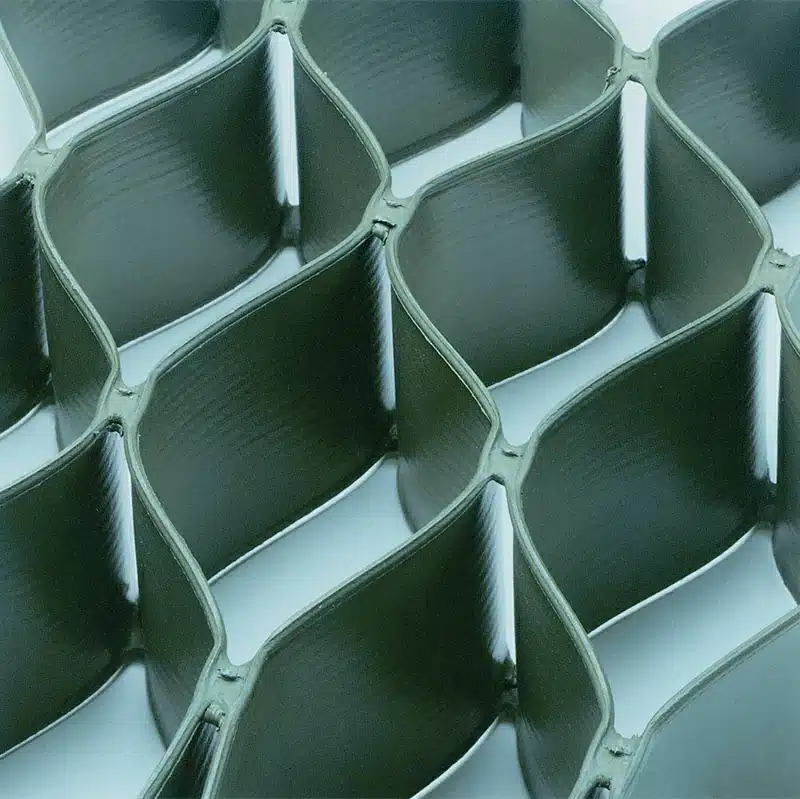
Installed beneath gravel or suitable pavement layers, this reinforcement material interacts with surrounding aggregates to limit lateral movement. Its open-grid structure improves aggregate confinement and helps distribute vehicle loads more effectively. Performance depends on soil conditions, product properties, and installation quality.
What Problems Can Geo Mesh for Driveways Solve?
Geo mesh for driveways helps address common surface problems caused by weak subgrades, poor aggregate stability, and repeated vehicle loading.
Key applications include:
- Rutting: Limits lateral aggregate movement and helps reduce wheel-track deformation.
- Sinking: Improves load distribution over weak or uneven subgrades.
- Gravel Displacement: Helps keep aggregate particles confined under traffic.
- Surface Instability: Supports a more stable driveway foundation.
- Frequent Maintenance: May reduce aggregate replacement and surface repairs.
These benefits make geosynthetic reinforcement useful for residential driveways, access roads, parking areas, and light industrial surfaces.
How Does Geo Mesh for Driveways Prevent Rutting and Sinking?
The reinforcement grid interacts with compacted aggregate to restrict lateral movement under repeated wheel loads. This confinement helps maintain base stability and reduces excessive deformation.
However, effective performance also requires adequate drainage, suitable aggregate, and proper compaction.
Can Geo Mesh for Driveways Stabilize Weak Soil?
Yes. Geo mesh for driveways can improve aggregate stability over weak subgrades by providing mechanical interlock and better load distribution.
For soft clay, silt, or poorly compacted soil, engineers should evaluate subgrade strength before selecting the appropriate reinforcement. Extremely weak ground may require additional stabilization measures.
Geo Mesh for Gravel Driveway Reinforcement
Gravel driveways frequently experience aggregate displacement, especially under turning vehicles and repeated traffic.
A properly selected geogrid helps confine gravel particles within the base layer. This reduces lateral spreading and improves surface stability.
The main advantages include:
- Improved aggregate confinement and load transfer.
- Reduced rutting and gravel displacement.
- Better stability under repeated vehicle loads.
- Potential reductions in aggregate maintenance.
- Longer service life when properly designed.
For demanding applications, geo mesh for driveways should be selected according to aggregate gradation, aperture size, grid stiffness, and expected traffic conditions.

How Does Geo Mesh for Driveways Improve Performance?
The reinforcement mechanism relies primarily on mechanical interlock between the geogrid apertures and surrounding aggregate.
As vehicle loads act on the driveway, the aggregate tends to move laterally. The grid restricts this movement, helping maintain a stable granular layer.
This interaction provides several engineering benefits:
- Aggregate Confinement: Restricts lateral movement and improves base stability.
- Load Distribution: Helps spread vehicle loads across a wider area of the underlying soil.
- Deformation Control: Reduces the risk of rutting and uneven settlement when appropriately designed.
- Structural Efficiency: May allow optimization of aggregate thickness when supported by engineering analysis.
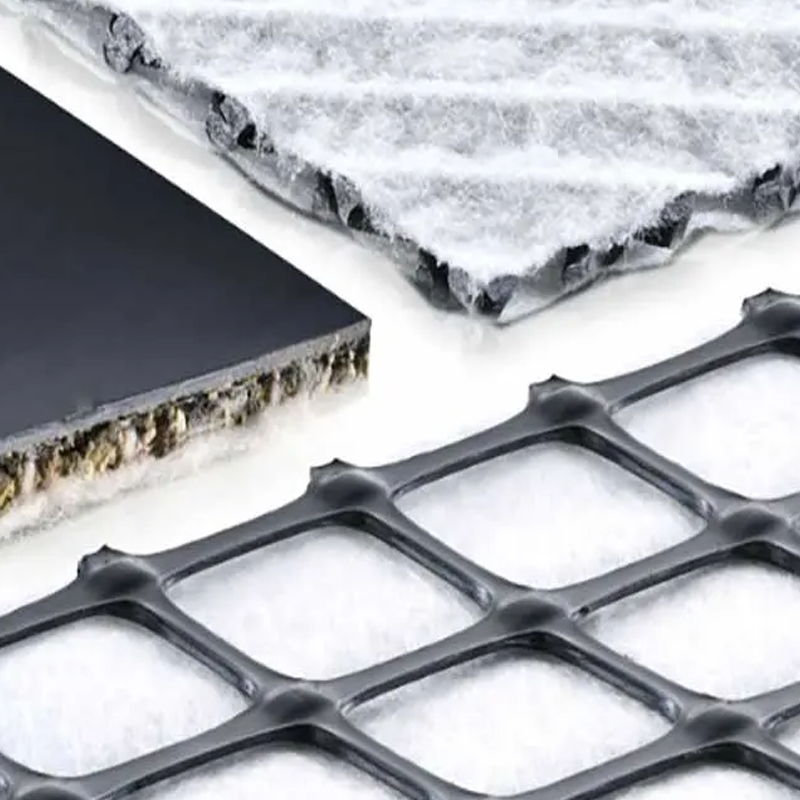
Unlike geotextiles used primarily for separation and filtration, open-grid reinforcement focuses on aggregate interlock and stabilization.
Is Geo Mesh Installation Complicated?
Installing geo mesh for driveways is generally straightforward, although the procedure depends on soil conditions and project specifications.
The basic installation process includes:
- Prepare the Subgrade: Remove debris, vegetation, and unsuitable materials. Grade the surface according to the design.
- Position the Reinforcement: Unroll the mesh over the prepared area, keeping it flat and properly aligned.
- Overlap Adjacent Panels: Follow manufacturer recommendations and project requirements for overlaps and connections.
- Place Aggregate: Spread suitable granular material carefully to avoid damaging or displacing the grid.
- Compact the Base: Compact the aggregate to the specified density before installing the final surface.
Where soil separation or filtration is required, a compatible geotextile may also be necessary.
Proper installation helps maximize reinforcement performance and reduces the risk of premature driveway deformation.
What Are the Long-Term Benefits of Using Geo Mesh?
The long-term value of driveway reinforcement depends on appropriate product selection, installation, and maintenance.
Geo mesh for driveways can provide several practical advantages:
- Lower Maintenance Costs: Helps reduce rutting, gravel displacement, and frequent repairs.
- Improved Durability: Supports stable aggregate layers under repeated traffic.
- Material Efficiency: May reduce aggregate requirements when justified by pavement design.
- Better Traffic Performance: Improves stability for residential vehicles and light commercial traffic.
- Resource Conservation: Can reduce material consumption and replacement frequency over the driveway’s service life.
For contractors and bulk buyers, selecting suitable geosynthetic reinforcement requires reviewing tensile properties, aperture dimensions, polymer type, roll size, and relevant technical standards.
When properly designed and installed, this solution helps create more stable driveway foundations while supporting long-term performance and cost efficiency.
Get Free Sample
We’ll respond as soon as possible(within 12 hours)