

+86-159 9860 6917
info@geofantex.com
geofantex@gmail.com
+86-400-8266163-44899
Geocell slope protection effectively stabilizes slopes, controls soil erosion, and reinforces landscaped areas. For engineers, contractors, and project buyers, HDPE geocells offer a durable cellular confinement system that helps retain soil and aggregate under varying site conditions. Selecting the right cell height, infill material, and anchoring system is essential for reliable performance and cost-effective installation.
What Is Geocell Slope Protection?
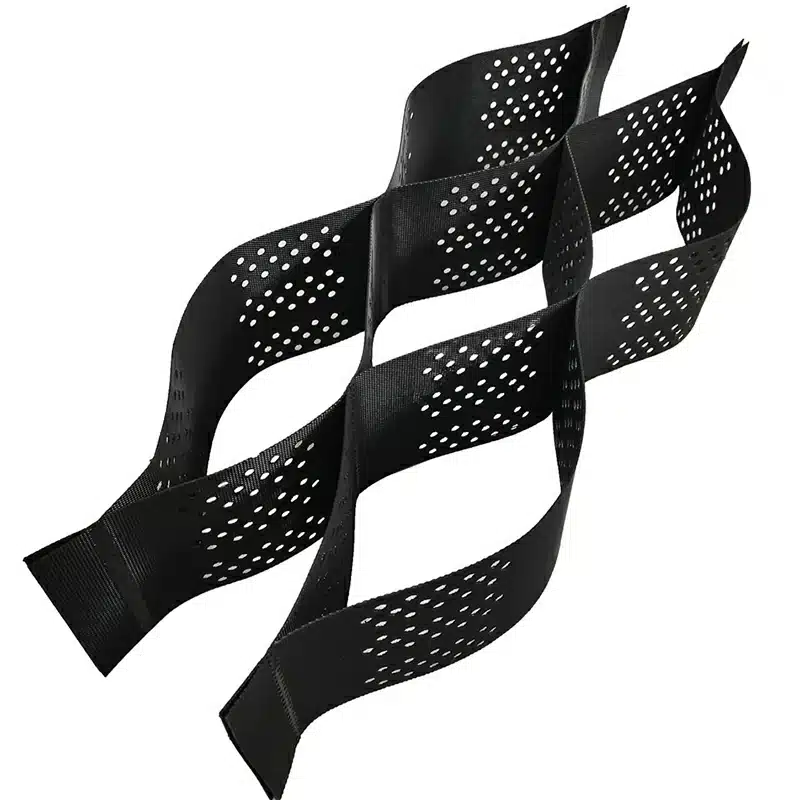
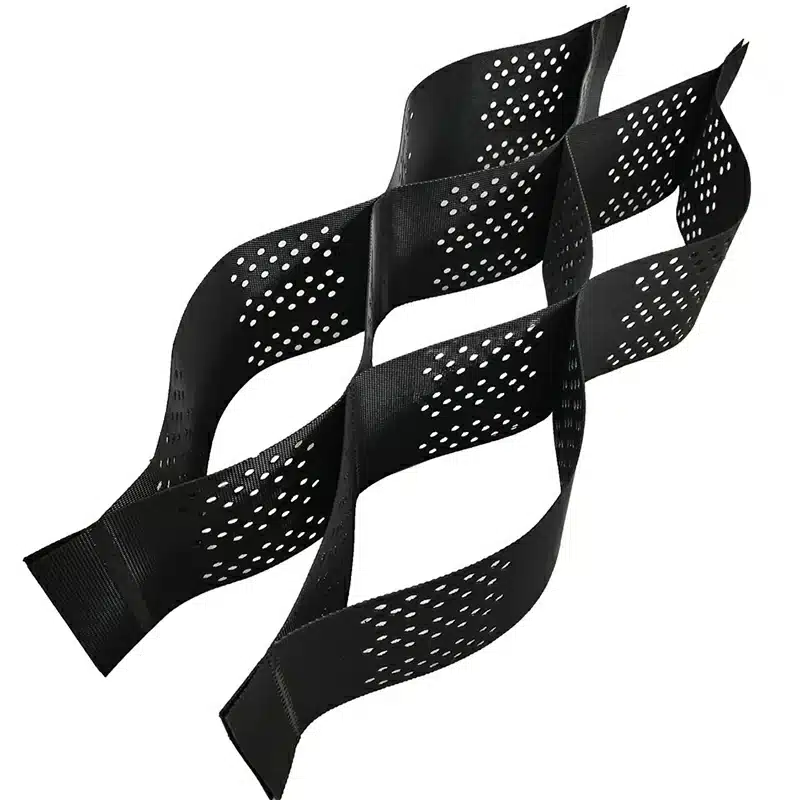
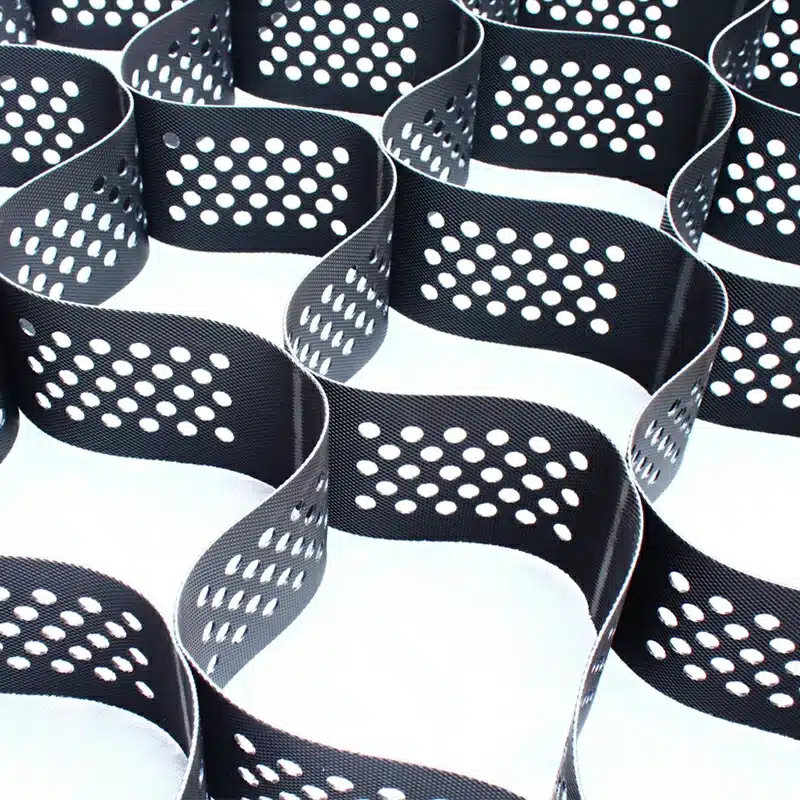
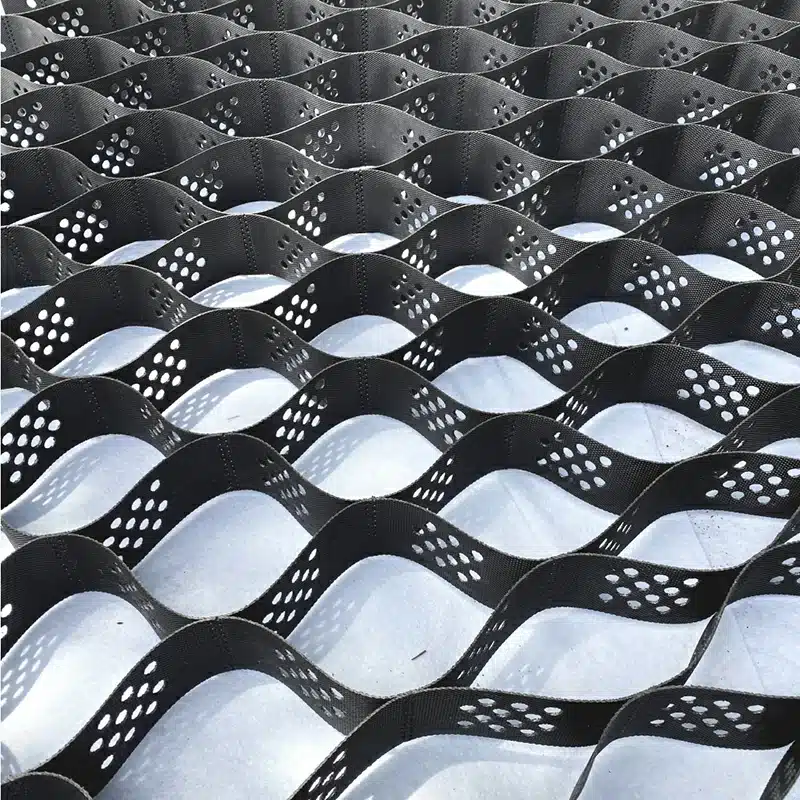
Geocell slope protection uses three-dimensional HDPE cellular structures to confine soil, gravel, or aggregate on inclined surfaces. Once expanded and anchored, the interconnected cells reduce lateral soil movement and improve surface stability.
Unlike conventional erosion control blankets, geocells provide mechanical confinement while supporting drainage and vegetation establishment.
This makes them suitable for highway embankments, residential landscaping, infrastructure slopes, and environmental restoration projects.
Benefits of Geocell Slope Protection for Engineering Projects
A properly designed cellular confinement system provides several practical advantages:
- Improved soil stability: Confines loose soil and reduces surface displacement.
- Erosion resistance: Protects slopes from rainfall and surface runoff.
- Vegetation support: Retains topsoil for grass and other suitable plants.
- Flexible installation: Adapts to irregular terrain and different slope geometries.
- Material efficiency: Allows the use of locally available infill materials when project specifications permit.
For contractors evaluating geocell slope protection systems for erosion control, these benefits can improve construction efficiency and reduce future surface maintenance requirements.
How to Choose the Right HDPE Geocell for Slope Protection
Selecting a suitable geocell requires evaluating slope gradient, soil properties, drainage conditions, and expected loads.
Geocell Height and Material Specifications
Common geocell heights include 50 mm, 75 mm, 100 mm, 150 mm, and 200 mm. The appropriate height depends on the required confinement depth, infill characteristics, and engineering design.
HDPE material quality, sheet thickness, and weld strength should also be reviewed before purchasing.
Choosing the Right Infill Material
Different infill materials serve different engineering purposes:
- Topsoil: Suitable for vegetated slopes and landscaping.
- Gravel: Provides drainage and granular confinement.
- Crushed stone: Offers durable surface protection for infrastructure projects.
- Concrete: Suitable for selected applications requiring greater hydraulic resistance.
For buyers comparing HDPE geocell slope protection materials and specifications, matching the infill material to the project environment is essential for long-term performance.
Geocell Applications in Landscaping and Slope Engineering
Geocell systems are widely used in landscaping and civil engineering projects where surface stability and erosion resistance are required.
Landscaping and Vegetated Slopes
In residential landscaping, parks, and commercial green spaces, geocells retain topsoil and support vegetation on inclined surfaces.
Their cellular structure helps reduce soil washout while allowing grass and other plants to establish naturally.
Vegetated geocell systems can also integrate slope reinforcement with landscape design.
Road Embankments and Engineered Slopes
For highway embankments, railway corridors, and infrastructure slopes, geocells help stabilize surface materials exposed to rainfall and runoff.
Aggregate-filled systems provide additional surface protection, while vegetated systems offer solutions that integrate with the surrounding environment.
The choice depends on slope geometry, hydraulic conditions, and maintenance requirements.
How to Install Geocell Slope Protection Systems
Correct installation is essential for maintaining the performance of a cellular confinement system.
- Prepare the slope: Remove debris, grade the surface, and address unstable soil conditions.
- Position the panels: Expand the geocell panels according to the specified layout and dimensions.
- Install anchors: Secure the panels using stakes, tendons, or engineered anchoring systems.
- Place infill: Fill the cells evenly with approved soil, gravel, or aggregate.
- Inspect the installation: Check connections, anchoring, drainage, and infill coverage.
For steep slopes, anchoring requirements must be determined through project-specific engineering calculations.
Why Choose Geofantex Geocells for Slope Stabilization?
Geofantex provides HDPE geocell products for landscaping, erosion control, and infrastructure slope reinforcement.
When selecting geocell slope protection solutions for construction projects, buyers should evaluate product dimensions, material properties, weld strength, and compatibility with project specifications.
Our team can assist with product information, technical specifications, and material selection for different engineering applications.
Geocell slope protection combines soil confinement, erosion resistance, and flexible infill options for landscaping and infrastructure applications.
Successful projects require appropriate material selection, anchoring, drainage, and installation practices.
Contact Geofantex today to discuss your project requirements, request technical specifications, and obtain a quotation for HDPE geocell products.
Get Free Sample
We’ll respond as soon as possible(within 12 hours)