

+86-159 9860 6917
info@geofantex.com
geofantex@gmail.com
+86-400-8266163-44899
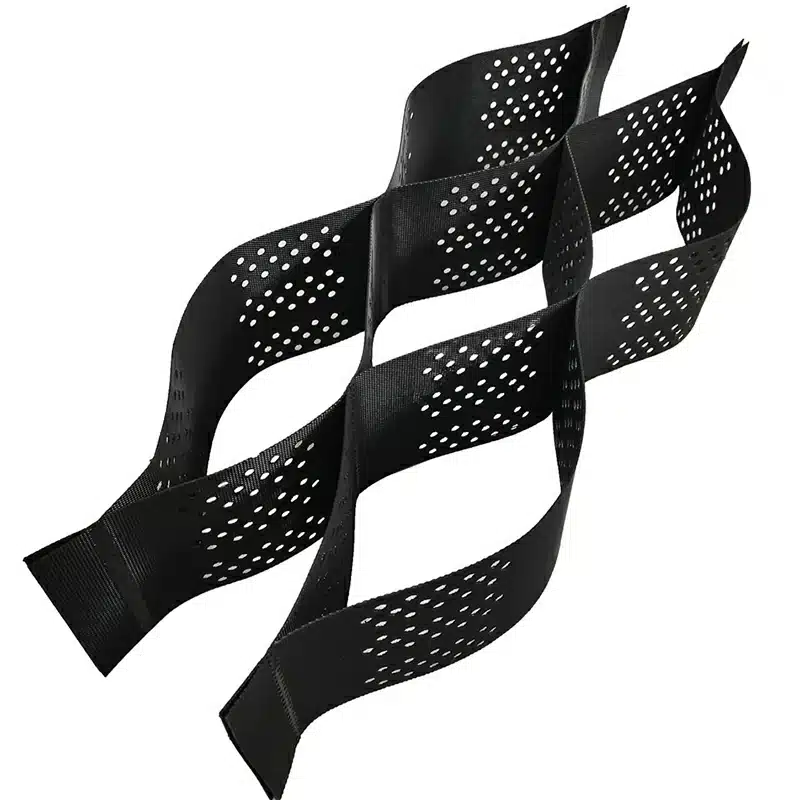
A geocell ground grid is a three-dimensional HDPE cellular confinement system used to stabilize soil, reinforce granular layers, and control surface erosion. Its interconnected cells hold gravel, sand, crushed aggregate, or soil in place, limiting lateral movement and improving ground stability.
For engineers, contractors, and infrastructure buyers, understanding its applications, infill requirements, and installation methods helps ensure appropriate product selection. Geocell systems are commonly used in landscaping, road construction, access routes, and embankment protection.
What Are the Main Applications of Geocell Ground Grid?
A geocell ground grid supports ground stabilization in landscaping, transportation, and civil engineering projects. In landscaping, cellular confinement helps retain topsoil or aggregate on slopes, embankments, and pedestrian pathways. Vegetated cells can also help control erosion by limiting surface soil displacement during rainfall and runoff.
In transportation projects, geocells reinforce granular layers beneath gravel driveways, access roads, and temporary construction routes. Their cellular structure restricts aggregate movement and helps distribute vehicle loads over the underlying subgrade. For projects involving weak subgrades, geocell ground grid for road stabilization provides a reinforcement option when incorporated into an appropriate engineering design.
Which Infill Materials Work Best with Geocell Ground Grid?
Infill selection depends on the intended application, loading conditions, drainage requirements, and subgrade characteristics. Angular, well-graded crushed aggregate is generally preferred for load-bearing applications because particle interlock improves stability and facilitates compaction. Rounded gravel provides less mechanical interlock and may be unsuitable for heavily trafficked surfaces.
For landscaping and erosion control, topsoil can support vegetation establishment, while selected sand or granular materials may be appropriate for other applications. The selected particle size must be compatible with cell dimensions and compaction procedures. When evaluating geocell ground grid infill materials, engineers should consider aggregate gradation, durability, drainage performance, and local material availability rather than relying on a single gravel size for all applications.
How Is Geocell Ground Grid Installed for Ground Stabilization?
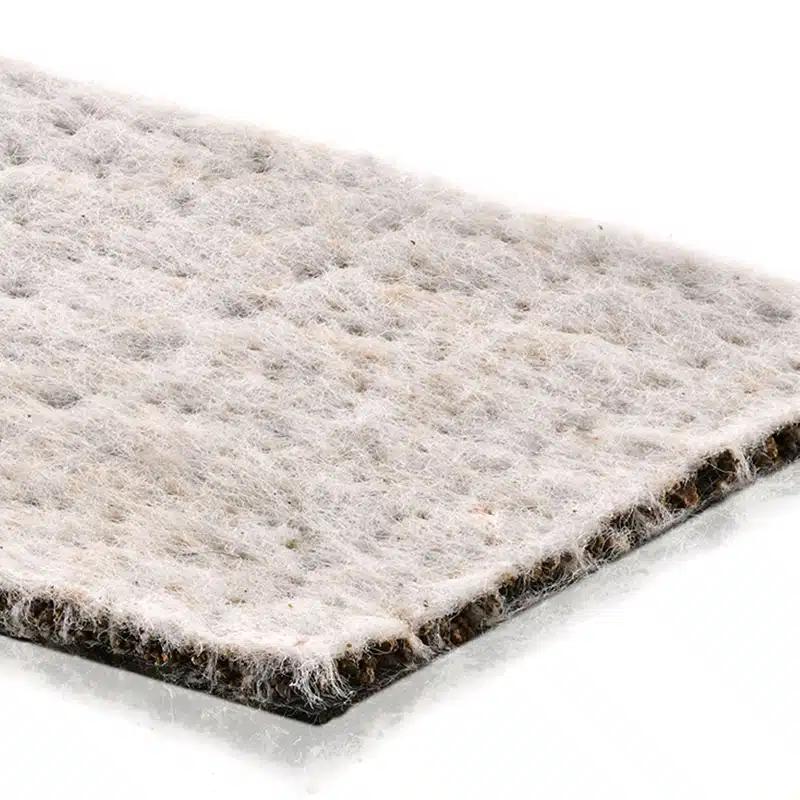
Installing a geocell ground grid begins with preparing and grading the subgrade to the required elevation. Unsuitable materials should be removed, and drainage issues addressed before installation. Where separation is necessary, a suitable geotextile may be placed beneath the reinforcement to prevent fine soil particles from contaminating the granular layer.
Geocell panels are then expanded, positioned, and secured according to the manufacturer’s instructions. Adjacent panels are connected before the cells are filled with the specified materials. Infill placement and compaction must follow project requirements to avoid damaging the cellular structure. Proper geocell ground grid installation for gravel stabilization helps maintain cell geometry and achieve consistent reinforcement performance.
What Should Buyers Consider When Selecting HDPE Geocells?
Selecting an HDPE geocell system requires evaluating cell height, expanded cell dimensions, strip thickness, seam strength, and polymer properties. These characteristics influence installation suitability and confinement performance. Textured or perforated cell walls may be specified where improved interaction with the infill or enhanced drainage is required.
Engineers and procurement teams should also review subgrade conditions, anticipated loads, infill availability, and installation requirements. Product documentation should identify relevant material properties, dimensional tolerances, and testing information. For bulk procurement, geocell ground grid technical specifications and supplier selection should be evaluated alongside manufacturing consistency, packaging, delivery arrangements, and project-specific requirements.
A geocell ground grid provides cellular confinement for soil stabilization, aggregate reinforcement, and erosion control in landscaping and transportation projects. Reliable performance depends on suitable infill selection, engineering design, and proper installation. Geofantex supplies HDPE geocell solutions for civil engineering applications. Contact our team to discuss available specifications, project requirements, and bulk purchasing options.


Get Free Sample
We’ll respond as soon as possible(within 12 hours)