

+86-159 9860 6917
info@geofantex.com
geofantex@gmail.com
+86-400-8266163-44899
Geocell tree root protection helps protect existing tree roots during the construction of parking areas, roads, pathways, and urban infrastructure. By distributing surface loads and reducing soil compaction, HDPE geocells improve ground stability while minimizing disturbance to sensitive root zones. For contractors, landscape engineers, and project buyers, these systems offer a practical solution for combining infrastructure development with tree preservation.
What Is Geocell Tree Root Protection?
Geocell tree root protection is a ground reinforcement method that uses three-dimensional cellular confinement systems to distribute loads above sensitive tree root zones.
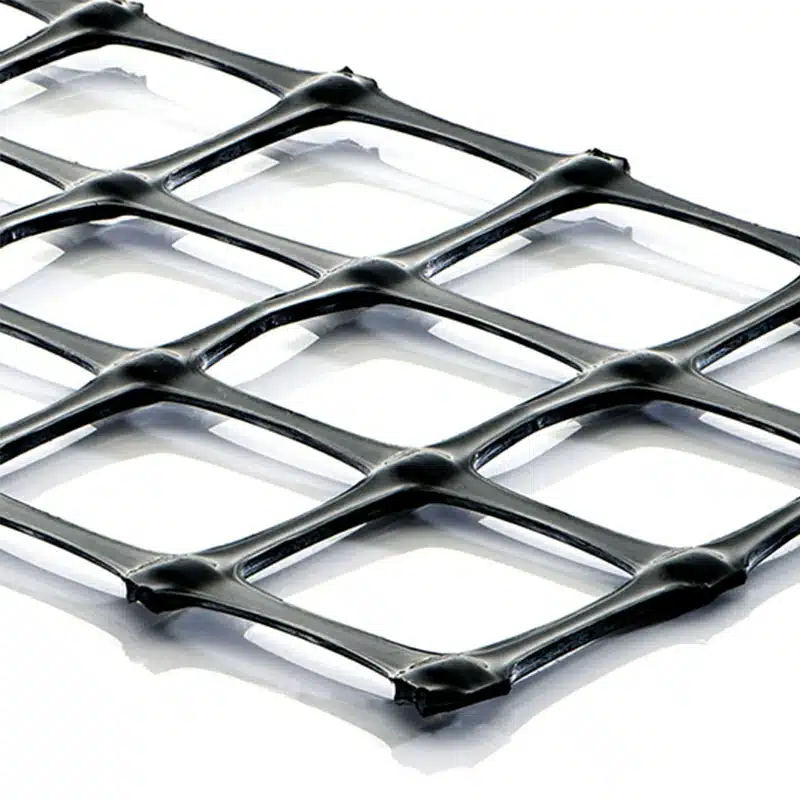
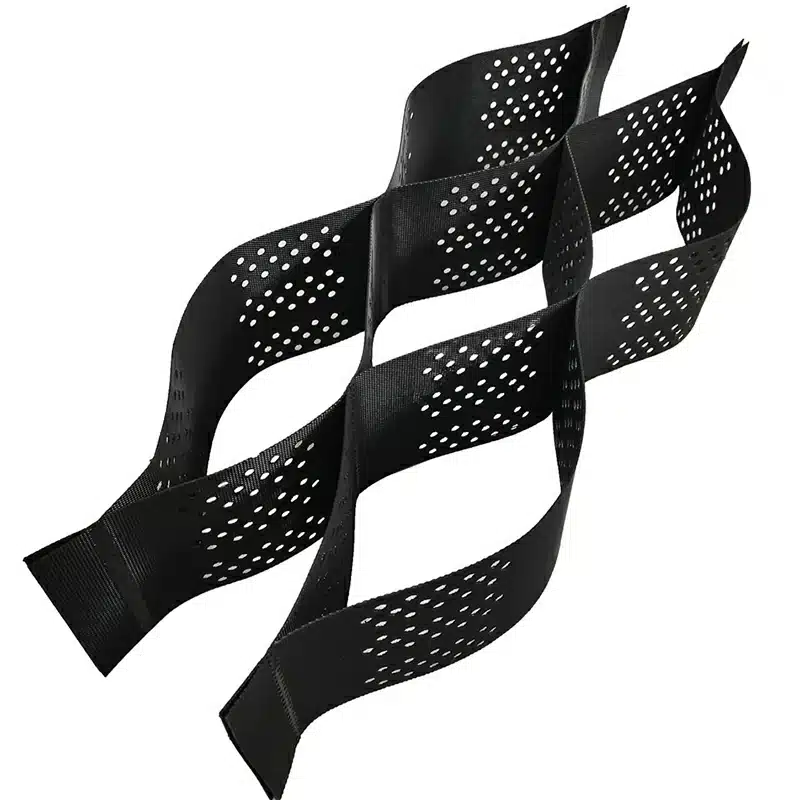
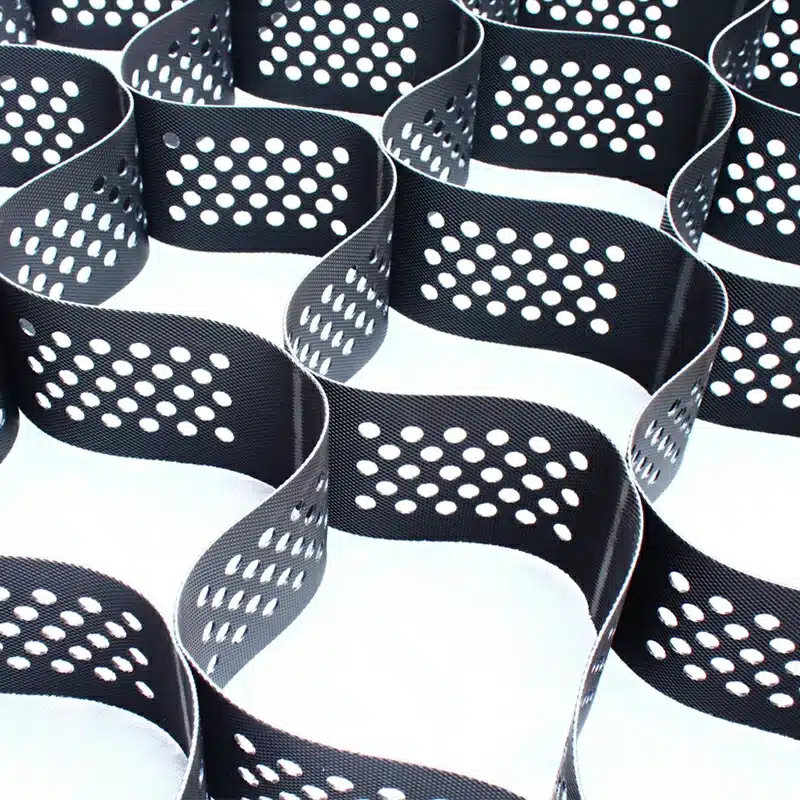
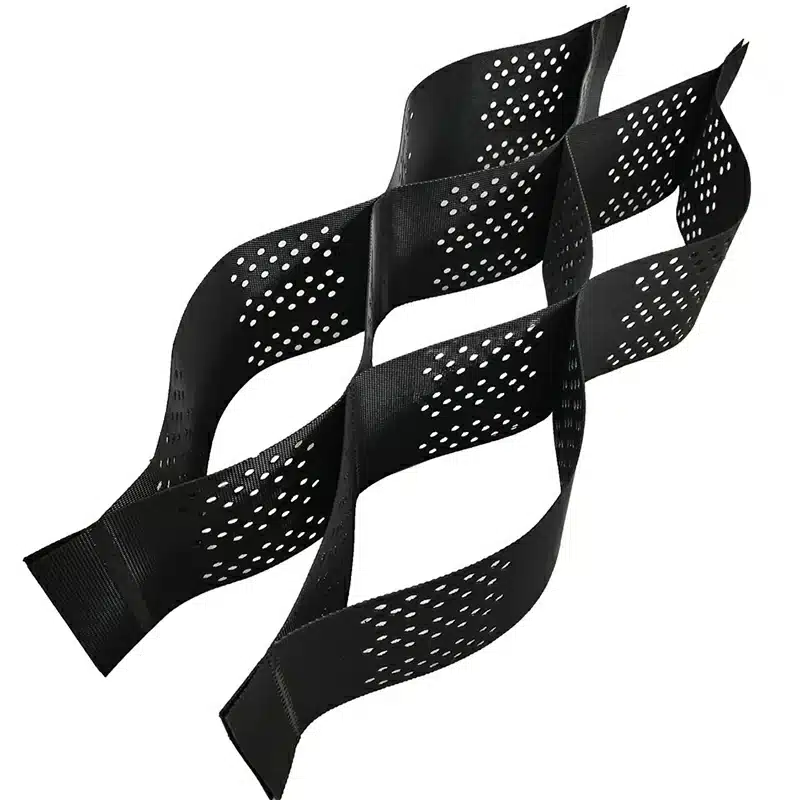
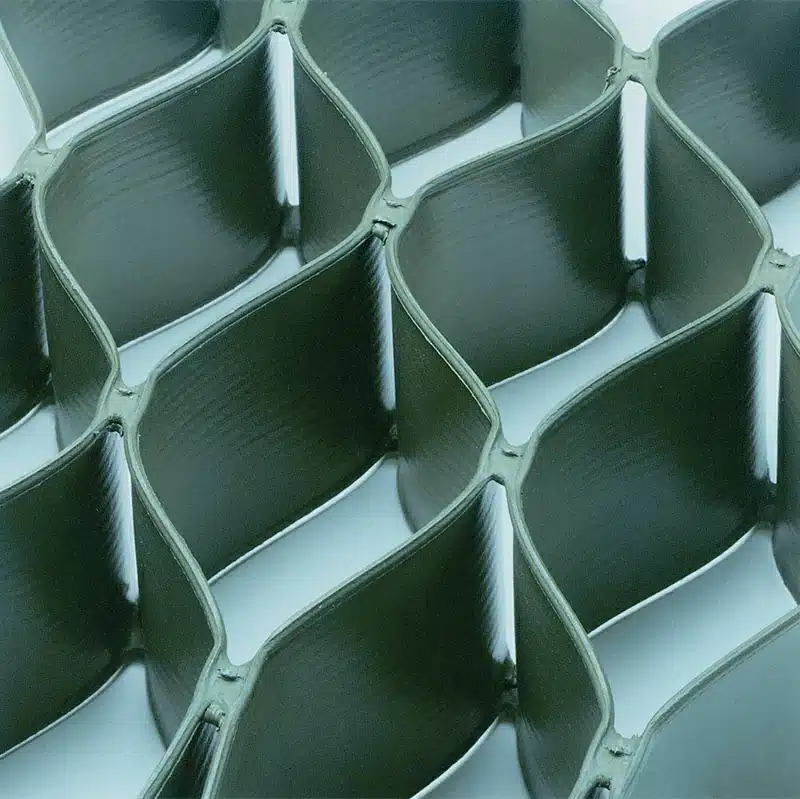
Manufactured from high-density polyethylene (HDPE), geocells form a honeycomb structure when expanded and filled with suitable granular materials. The interconnected cells restrict lateral aggregate movement and distribute applied loads over a wider area, reducing localized stress on the underlying soil.
Unlike conventional foundation methods that may require extensive excavation, geocell systems can be incorporated into low-disturbance pavement designs.
Their main functions include:
- Load distribution: Reduces concentrated pressure on the underlying soil.
- Soil protection: Helps limit additional compaction around existing roots.
- Drainage: Supports water infiltration through permeable granular infill.
- Ground stabilization: Restricts aggregate movement and reduces surface deformation.
These characteristics make geocells suitable for construction projects where maintaining root-zone conditions is an important design requirement.
How Does Geocell Tree Root Protection Work?
The effectiveness of geocell tree root protection comes from cellular confinement technology. When filled with aggregate, the interconnected cells create a stabilized layer that distributes surface loads while restricting lateral movement of the infill material.
Tree roots require adequate oxygen, moisture, and soil pore space to develop properly. Excessive soil compaction reduces pore space, restricts water infiltration, and limits oxygen availability. By distributing surface loads, geocells help reduce localized stress on the underlying soil, particularly in areas exposed to pedestrian traffic or vehicle loading.
For projects requiring geocell tree root protection for permeable pavement systems, suitable granular infill and permeable surface materials can help maintain water infiltration and air movement within the root zone.
However, performance depends on soil conditions, pavement design, drainage capacity, and installation methods. Geocells should be installed with minimal excavation and without damaging existing roots.
Where Is Geocell Tree Root Protection Used?
Geocell systems are suitable for infrastructure and landscaping projects where existing trees must be preserved during construction.
- Parking areas: Geocells reinforce permeable parking surfaces near mature trees by distributing vehicle loads and reducing localized soil stress. For contractors selecting geocell tree root protection for parking areas, traffic loads, aggregate specifications, and root-zone restrictions should be evaluated.
- Road construction: Geocell reinforcement stabilizes aggregate layers in access roads and low-impact pavement systems. When properly designed, the reinforced layer distributes loads while reducing the need for extensive excavation near existing roots.
- Pedestrian pathways: Geocells provide aggregate confinement beneath walkways in parks, gardens, and public spaces. They help maintain stable walking surfaces while minimizing disturbance to the surrounding soil.
- Urban landscaping: Geocells can be incorporated into landscape renovation projects to stabilize surfaces around existing trees without relying entirely on rigid concrete foundations.
For these applications, project design should consider structural loads, soil conditions, root distribution, and arboricultural requirements to achieve both ground stability and effective tree protection.
How to Install Geocells for Tree Root Protection
Proper installation is essential for maintaining ground stability while protecting existing tree roots. The process typically involves five steps:
- Assess the site: Identify protected root zones and evaluate soil conditions with guidance from a qualified arborist.
- Prepare the ground: Remove loose debris while avoiding unnecessary excavation, root damage, and heavy compaction.
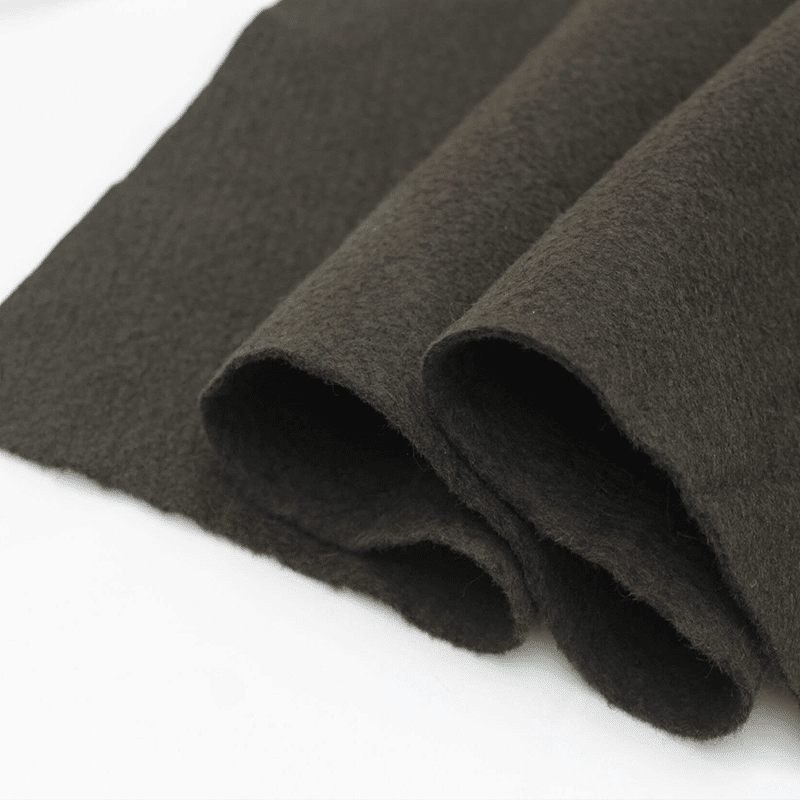
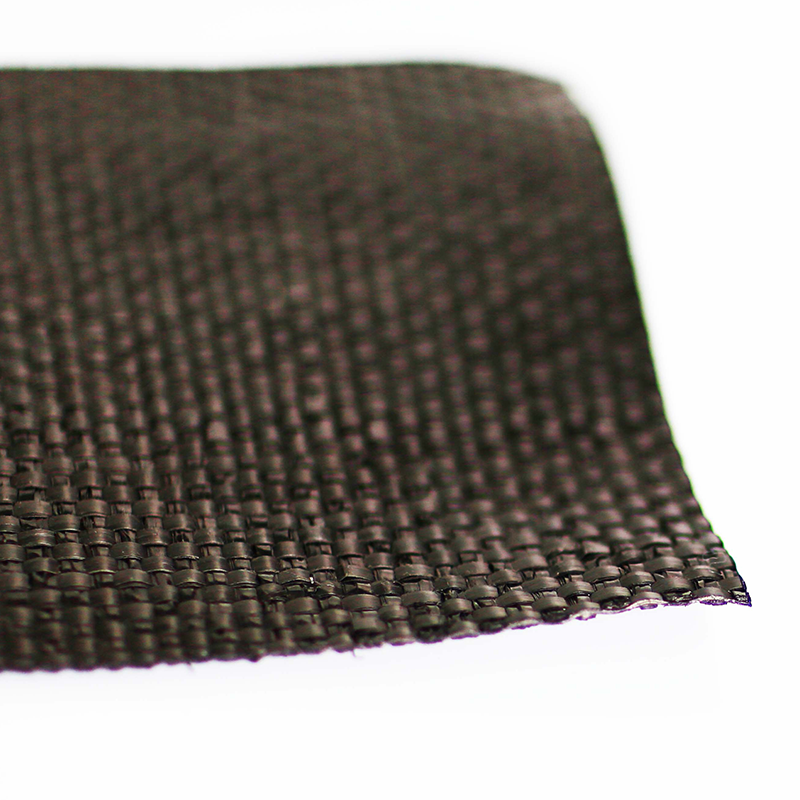
- Install geotextile: Place a permeable separation geotextile over the prepared surface where specified.
- Position the geocells: Expand and secure HDPE geocell panels using methods that avoid damaging existing roots.
- Fill and finish: Fill the cells with permeable aggregate, follow approved compaction procedures, and install the specified pavement surface.
For projects involving geocell tree root protection installation methods, cell height, aggregate selection, and construction procedures should match site conditions, expected loads, and root protection requirements.
Geocell tree root protection provides a practical approach to stabilizing parking areas, roads, and pathways near existing trees. Through cellular confinement, improved load distribution, and compatibility with permeable pavement systems, geocells help support infrastructure development while reducing disturbance to sensitive root zones.
For contractors, landscape engineers, and distributors, selecting appropriate HDPE geocell specifications and following proper installation procedures are essential for reliable performance.
Contact Geofantex to discuss geocell dimensions, technical specifications, and quotations for tree root protection projects.
Get Free Sample
We’ll respond as soon as possible(within 12 hours)