


+86-159 9860 6917
info@geofantex.com
geofantex@gmail.com
+86-400-8266163-44899
In recent months, geocomposite retaining walls have emerged as a key trend in the construction industry, driven by the demand for more sustainable and cost-effective solutions. As environmental concerns continue to influence engineering practices, the adoption of geosynthetics in retaining wall design is gaining momentum.
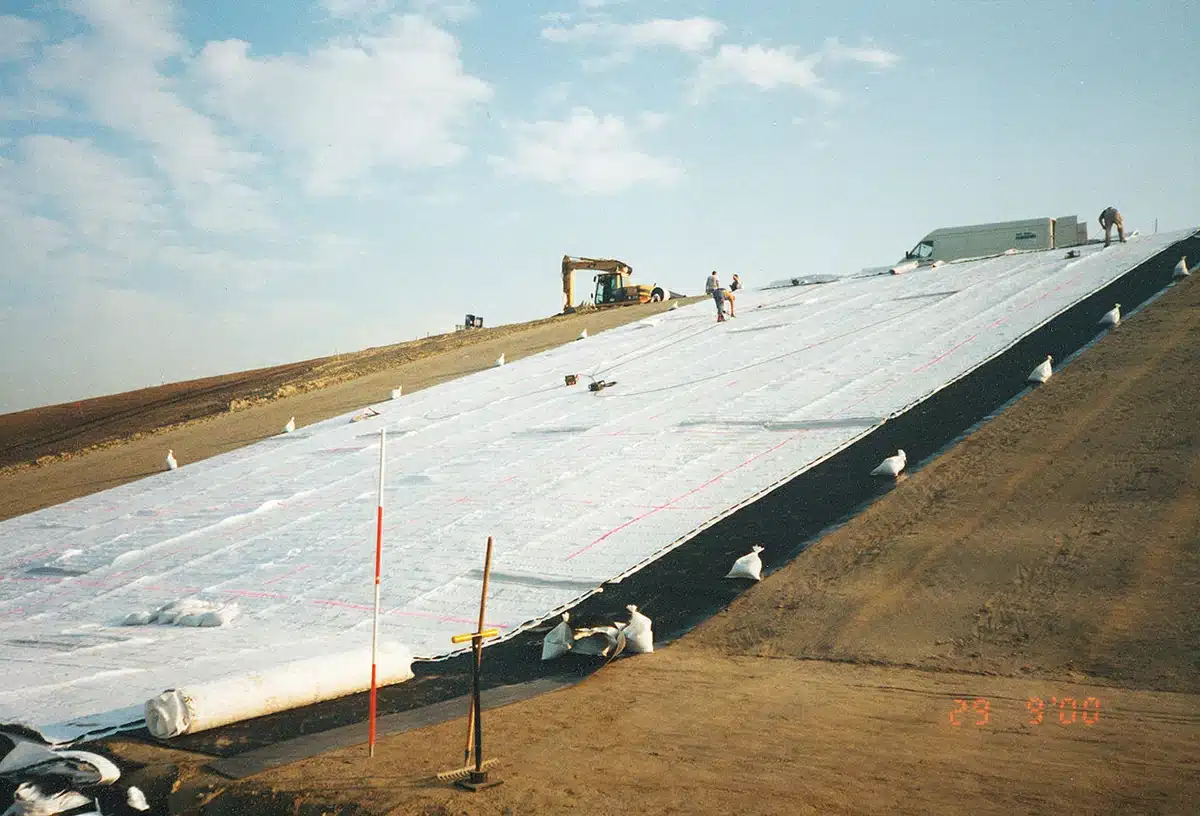
Innovative Materials for Enhanced Performance
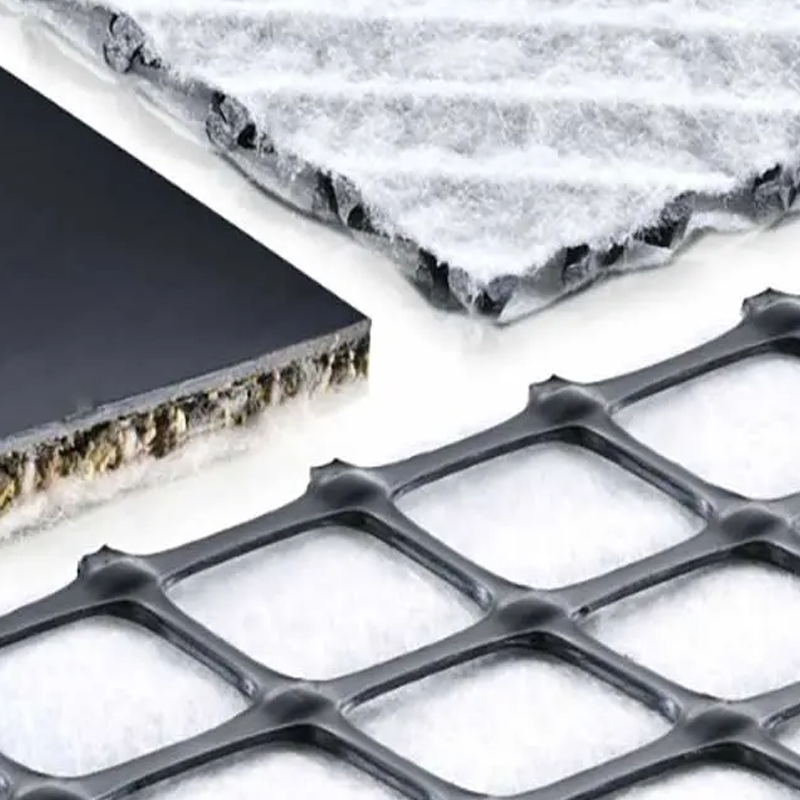
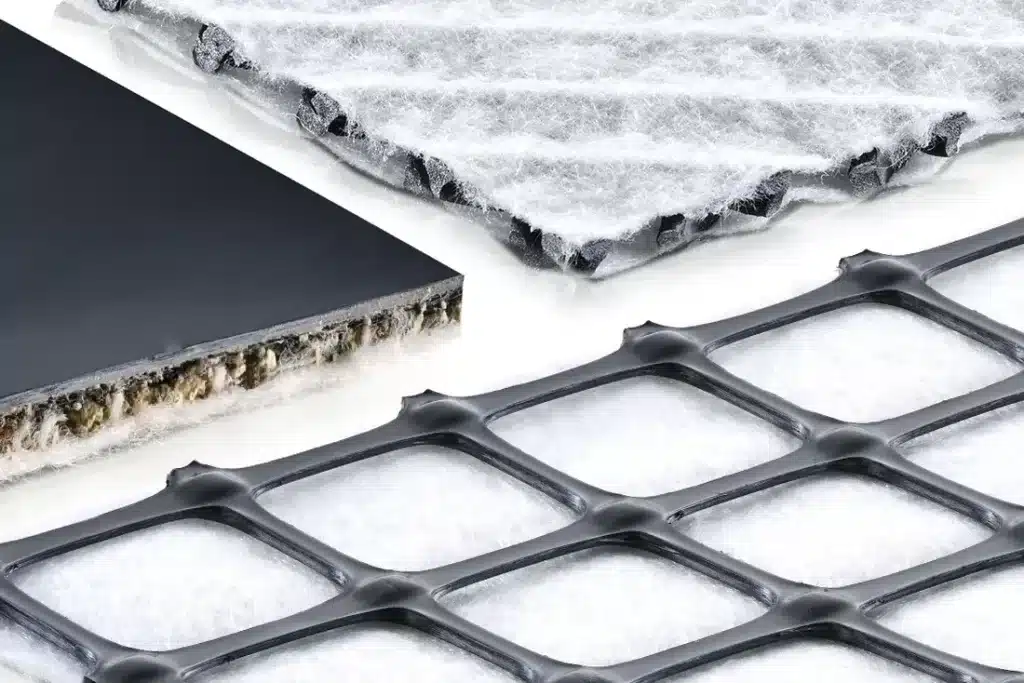
In a new report, experts highlight the growing use of geocomposites in retaining wall systems for various civil engineering projects. These innovative materials, which combine geotextiles with other geosynthetics, offer superior drainage properties, enhanced stability, and reduced environmental impact compared to traditional concrete walls. Notably, geocomposite retaining walls are now being used in high-performance applications, from roadways to slopes and embankments, with increased attention to long-term sustainability.
Benefits of Geocomposite Retaining Walls in Challenging Conditions

The use of geocomposite retaining walls is particularly advantageous in areas with challenging soil conditions or tight budgets. By improving soil stability and providing drainage capabilities, geocomposites help reduce the risk of erosion and structural failure. As more industry professionals realize the potential of these materials, it’s expected that geocomposite retaining walls will become a staple in eco-friendly construction practices across the globe.
Why Are Geocomposite Retaining Walls Gaining Popularity in Sustainable Construction?
Geocomposite retaining walls are gaining popularity because they effectively address the combined challenges of soil stability, drainage control, cost efficiency, and environmental sustainability—all of which are critical in modern infrastructure development.
- Adaptability to challenging ground conditions: In areas with weak, saturated, or variable soils, geocomposite systems enhance internal drainage and reduce pore water pressure behind retaining walls. This significantly lowers the risk of hydrostatic pressure buildup, erosion, and long-term structural instability.
- Integrated drainage and reinforcement: Unlike conventional concrete retaining walls that rely on separate drainage layers, geocomposite retaining walls integrate filtration, drainage, and separation within a single system. This improves hydraulic performance while simplifying design and construction.
- Reduced construction cost and environmental impact: Geocomposites reduce the need for thick granular backfill and extensive concrete use. This lowers material consumption, transportation demands, and carbon emissions, aligning retaining wall construction with green building and sustainability goals.
- Faster installation and design flexibility: Lightweight geocomposite materials allow for faster installation, reduced excavation, and easier handling on constrained sites. Their flexibility makes them suitable for roadways, embankments, slopes, and urban environments where space and access are limited.
- Long-term durability and lifecycle performance: Engineered geocomposites offer high chemical resistance, durability, and consistent performance over time. This leads to lower maintenance requirements and improved lifecycle cost efficiency compared to traditional retaining wall solutions.
In summary, geocomposite retaining walls are gaining traction because they combine engineering performance with sustainability, offering a reliable solution for complex site conditions while meeting modern environmental and economic expectations.
This shift toward geosynthetics underscores a larger movement within the industry to embrace innovation and sustainability in the face of climate challenges and urbanization. The future looks promising for geocomposite solutions, with continued investment and research poised to make them an even more integral part of infrastructure development.
Get Free Sample
We’ll respond as soon as possible(within 12 hours)