

+86-159 9860 6917
info@geofantex.com
geofantex@gmail.com
+86-400-8266163-44899
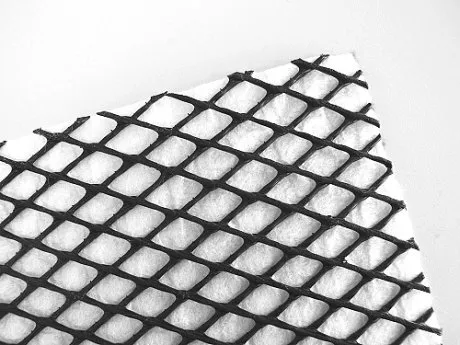
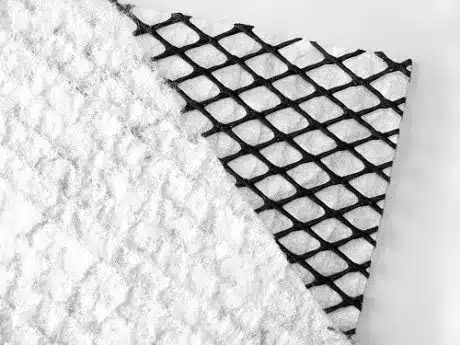
Geocomposite wall drain provides an efficient solution for foundation, basement, and retaining wall drainage where buyers need reliable water management with easier installation. By combining a drainage core with a geotextile filter layer, the system helps control subsurface water while reducing dependence on thick aggregate drainage layers. For contractors, distributors, and project buyers, selecting the correct drainage capacity, compressive strength, dimensions, and filtration properties is essential before ordering.
Why Geocomposite Wall Drain Is Gaining Market Attention
Water accumulating around foundations and behind retaining walls can generate hydrostatic pressure and create long-term moisture problems. Traditional drainage designs often use graded aggregate together with separate filtration materials. Although effective when correctly designed and installed, these systems may require substantial excavation space, transportation, and on-site handling.
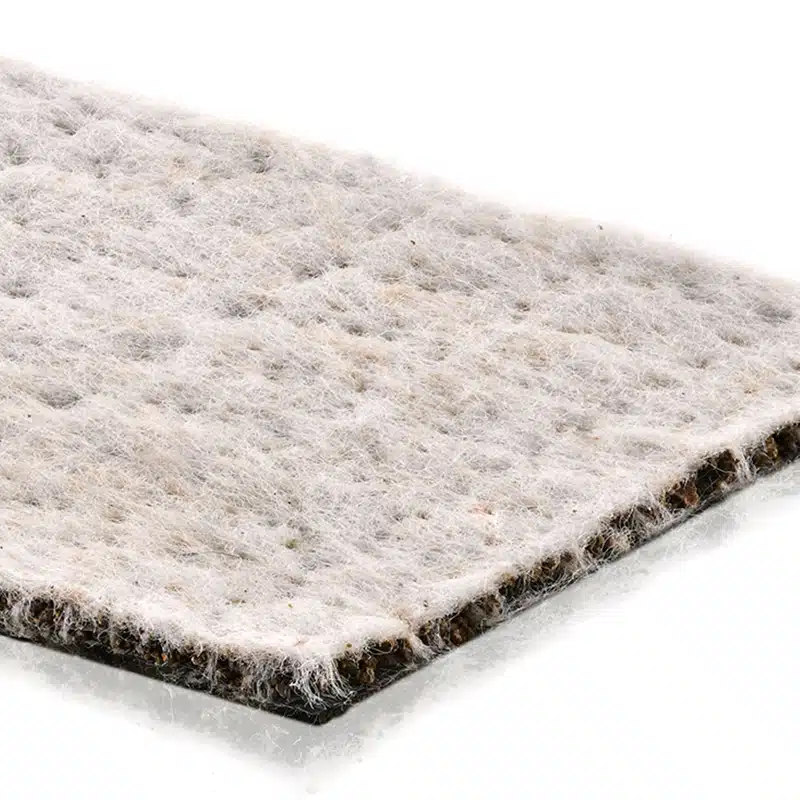
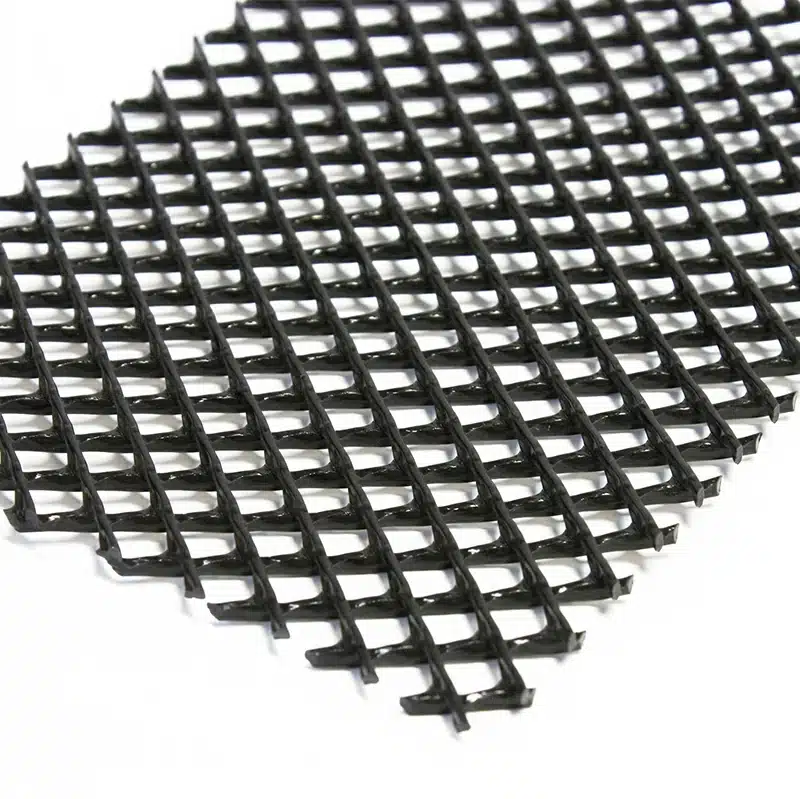
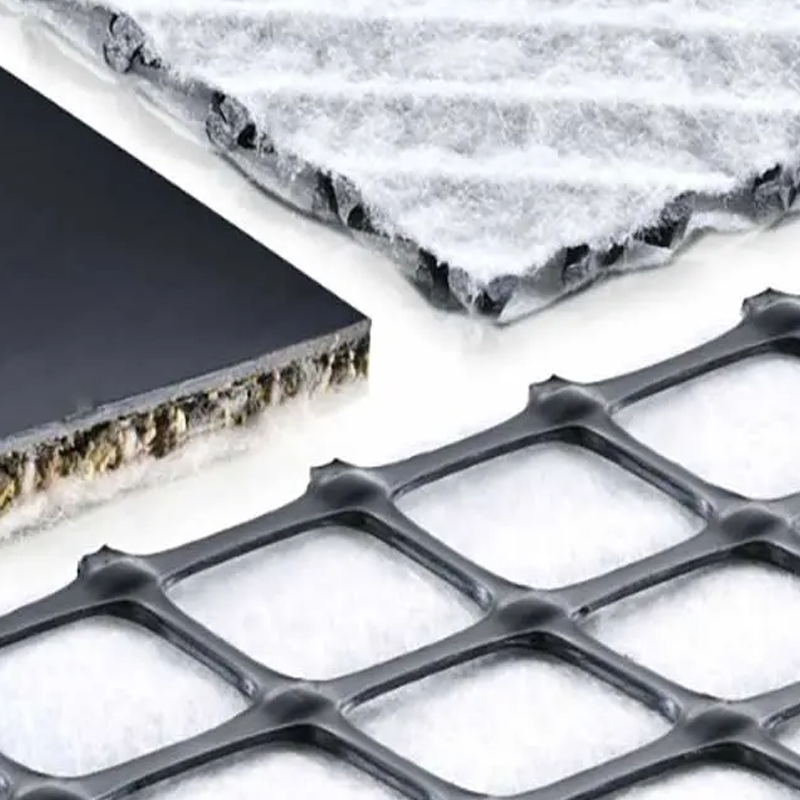
A geocomposite drainage system integrates filtration and drainage into a lightweight manufactured product. Its polymer core creates channels through which collected water can move toward designated outlets, while the bonded geotextile helps prevent surrounding soil particles from entering and restricting the drainage pathway.
For buyers evaluating alternatives to conventional drainage layers, geocomposite wall drain solutions for foundation projects can help reduce material handling and simplify installation while providing consistent factory-controlled product characteristics.
Geocomposite Wall Drain for Foundation Projects
Foundation drainage is one of the key applications for geocomposite wall drain systems. The material is installed against below-grade structural surfaces to collect water from surrounding soil and direct it toward a drainage pipe or other discharge system.
Because the product is supplied in rolls or panels, contractors can cover relatively large vertical surfaces without placing thick layers of drainage aggregate directly against the structure. This can be particularly useful where construction space is limited or installation efficiency is a priority.
When sourcing materials, project buyers should compare flow capacity, core thickness, compressive strength, geotextile properties, roll dimensions, and expected installation loads. The selected product should correspond to the hydraulic and mechanical conditions specified for the project rather than being chosen solely according to thickness or price.
For projects with specific dimensions or performance requirements, buyers can evaluate geocomposite wall drain specifications for foundation drainage before confirming quantities and shipment arrangements.
Retaining Wall Drainage and Hydrostatic Pressure Control
Retaining walls require effective drainage because water trapped behind the structure can increase lateral pressure. A suitable drainage composite creates a continuous pathway that collects infiltrating water and conveys it toward the designed drainage outlet.
In these applications, the geotextile layer performs an important filtration function by allowing water to pass while helping retain soil particles. The drainage core must also maintain adequate flow capacity under the expected pressure from soil and backfill.
Using a geocomposite wall drain can therefore support both drainage performance and construction efficiency, especially on retaining walls where placing and compacting conventional drainage aggregate may require additional labor and working space.
Project engineers should still consider wall height, backfill characteristics, groundwater conditions, outlet design, installation method, and anticipated loads before establishing the final specification.
What Buyers Should Check Before Ordering
International contractors, distributors, and importers should evaluate more than the basic product price. Drainage performance, compressive resistance, geotextile filtration characteristics, polymer selection, roll size, packaging, container loading, and technical documentation can all influence procurement decisions.
Customized roll widths and lengths may also reduce cutting and material waste on large projects. For bulk orders, packaging and loading configuration can affect freight efficiency and total landed cost.
Working with a specialized geosynthetics manufacturer also allows buyers to discuss geocomposite wall drain options for retaining walls according to project drawings, installation conditions, required quantities, and destination-market specifications.
Choosing the Right Drainage Solution
The increasing use of geocomposite drainage materials reflects the construction industry’s demand for systems that combine hydraulic performance with efficient installation. However, successful application depends on selecting a product that matches actual project conditions.
Before purchasing a geocomposite wall drain, buyers should provide the supplier with the application, required dimensions, expected loads, drainage requirements, project quantity, and relevant technical specifications. This information allows the manufacturer to recommend an appropriate configuration and prepare an accurate commercial quotation.
For foundation, basement, or retaining wall projects, contact our geosynthetics team with your specifications and required quantity to receive technical recommendations, product data, samples, and a project-based quotation.
Get Free Sample
We’ll respond as soon as possible(within 12 hours)