

+86-159 9860 6917
info@geofantex.com
geofantex@gmail.com
+86-400-8266163-44899
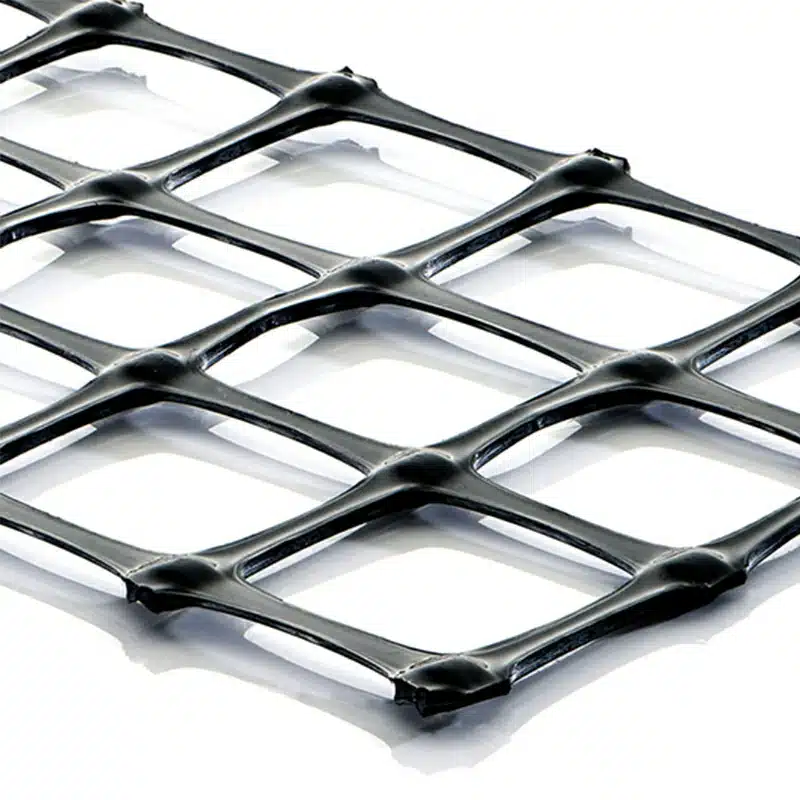
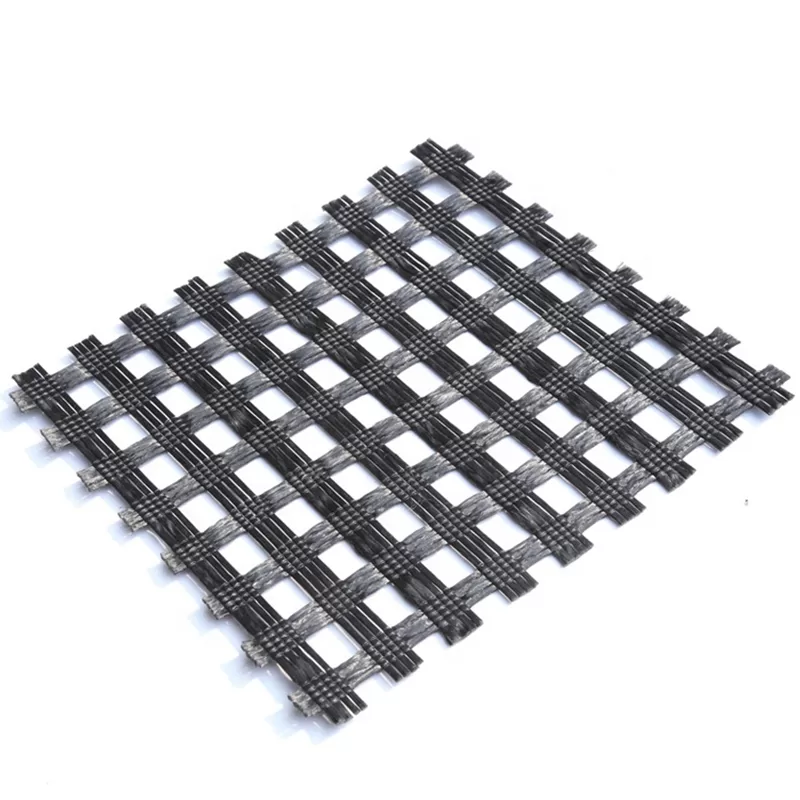
Geogrid fabric for roads is widely used by contractors, engineers, and infrastructure developers seeking stronger road foundations and longer pavement service life. By reinforcing aggregate layers and improving load distribution, geogrid solutions help reduce maintenance costs, enhance structural performance, and support sustainable road construction projects.
Why Choose Geogrid Fabric for Roads for Subgrade Stabilization?
Road construction projects often encounter weak subgrades, soil settlement, and early pavement deterioration. These challenges can increase maintenance costs and shorten the service life of a roadway.
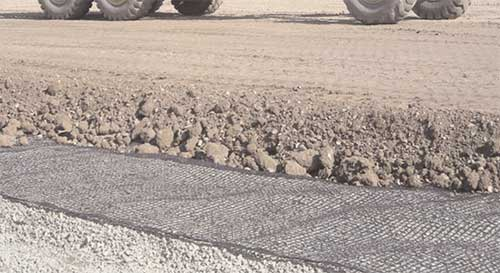
When installed between the subgrade and aggregate base, geogrids help distribute traffic loads more evenly across the road structure. This reinforcement mechanism reduces rutting, minimizes deformation, and increases bearing capacity.
For infrastructure projects requiring long-term durability, road construction solutions using geogrid fabric for roads provide a practical way to improve performance while controlling material consumption and construction costs.
How Geogrid Fabric for Roads Improves Pavement Performance
Road reinforcement strengthens the aggregate base and helps maintain structural integrity under repeated traffic loads. Because of this, pavements can withstand heavier use and remain serviceable for longer periods.
Key advantages include:
- Improved load distribution
- Reduced aggregate thickness requirements
- Enhanced road lifespan
- Lower maintenance costs
- Faster construction schedules
- Better performance on soft or unstable soils
As transportation infrastructure continues to expand, engineers increasingly specify geogrids for highways, industrial roads, access roads, and rural transportation networks.
Project owners looking for geogrid fabric for roads applications in pavement reinforcement often find that geogrid systems deliver measurable lifecycle cost savings compared with traditional construction methods.
Applications in Modern Infrastructure
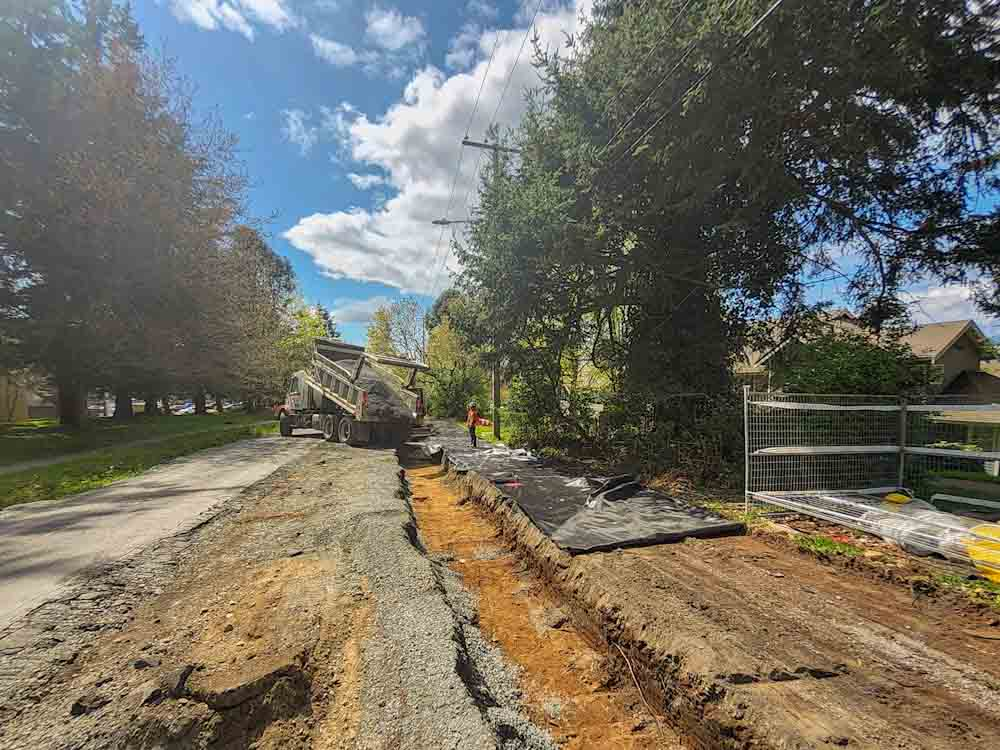
Today, reinforcement and stabilization technologies support a wide variety of civil engineering projects. Their flexibility makes them suitable for both new construction and rehabilitation work.
Common applications include:
- Highway construction
- Municipal roadways
- Industrial yards
- Mining haul roads
- Airport access roads
- Temporary construction roads
By reinforcing weak soil conditions, geogrids help maintain roadway stability even under heavy traffic loads. This benefit is particularly important in regions with poor ground conditions or significant seasonal moisture variations.
Many contractors select engineered geogrid fabric for roads reinforcement systems to reduce excavation depth and optimize aggregate usage without sacrificing structural performance.
Selecting the Right Geogrid Solution for Road Projects
Choosing the appropriate geogrid depends on several technical factors, including soil conditions, traffic volume, design requirements, and project lifespan.
Important considerations include:
- Tensile strength
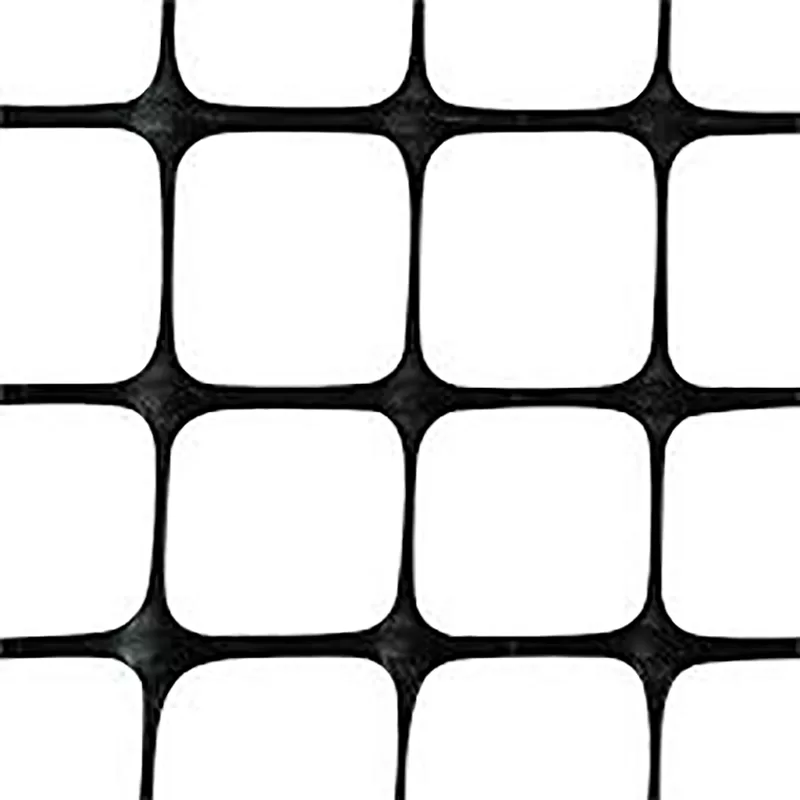
- Aperture size and geometry
- Junction efficiency
- Long-term durability
- Chemical and environmental resistance
- Compliance with international standards
Working with an experienced geosynthetics manufacturer can help ensure that the selected product matches project specifications and performance goals.
As infrastructure investment continues to grow worldwide, advanced stabilization technologies remain essential. They improve road quality, reduce maintenance demands, and support sustainable construction practices.
Modern transportation projects require cost-effective solutions that improve performance while extending pavement service life. Geogrid fabric for roads offers a proven method for stabilizing subgrades, reinforcing aggregate layers, and enhancing roadway durability. Whether for highways, industrial roads, or municipal infrastructure, geogrid reinforcement provides long-term value and reliable engineering performance.

Get Free Sample
We’ll respond as soon as possible(within 12 hours)