

+86-159 9860 6917
info@geofantex.com
geofantex@gmail.com
+86-400-8266163-44899
Geogrid material is widely used in civil engineering to reinforce soil, stabilize road foundations, and improve embankment performance. Manufactured from polymers such as polypropylene (PP), high-density polyethylene (HDPE), polyester (PET), and polyvinyl alcohol (PVA), geogrids provide tensile reinforcement for demanding construction applications. For engineers, contractors, and project buyers, understanding material properties, strength requirements, and application-specific differences helps ensure appropriate product selection and cost-effective procurement.
What Is Geogrid Material?
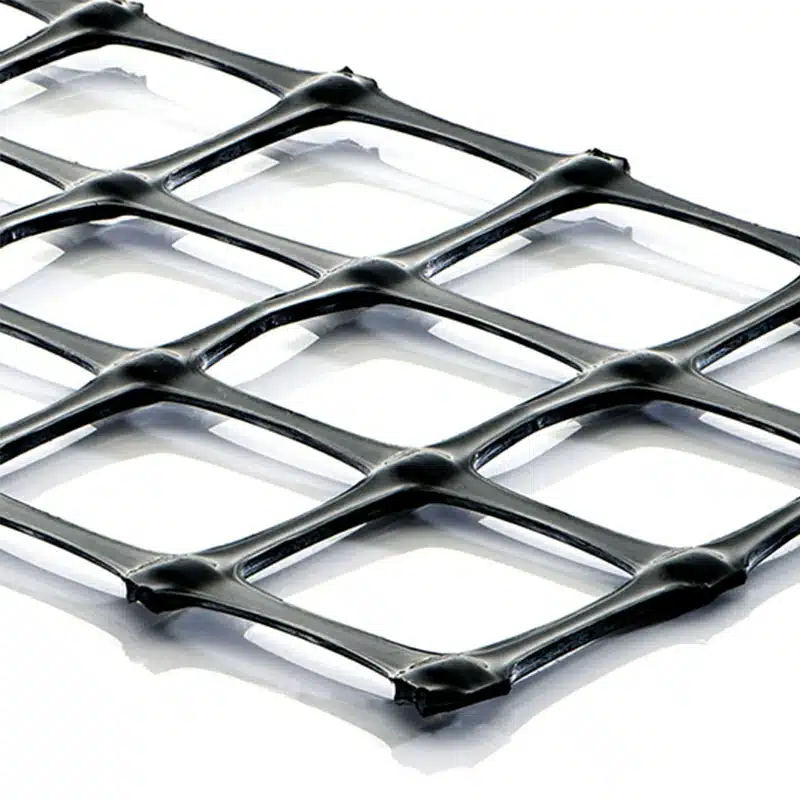
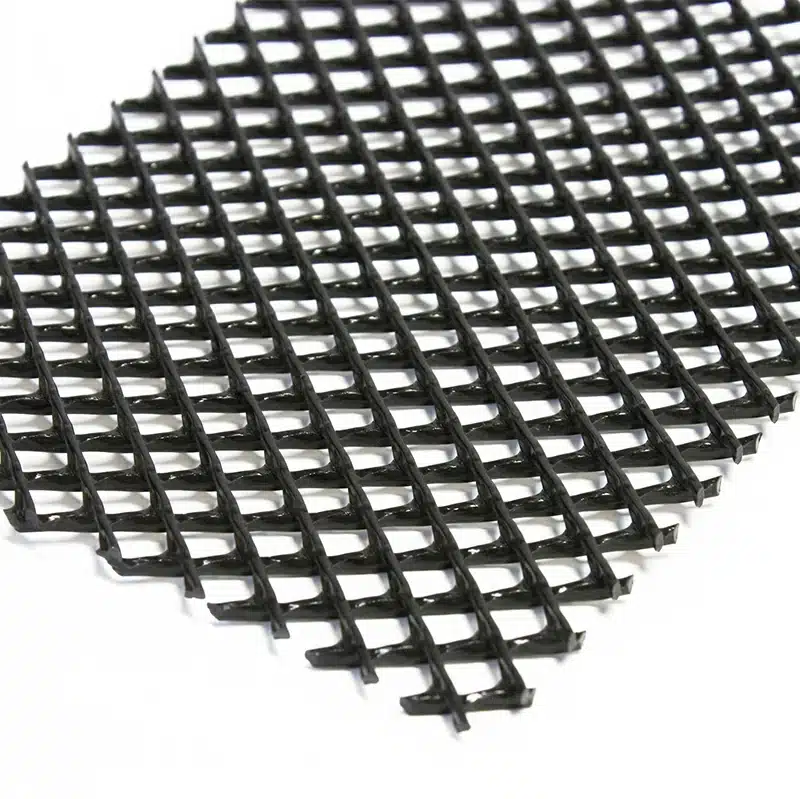
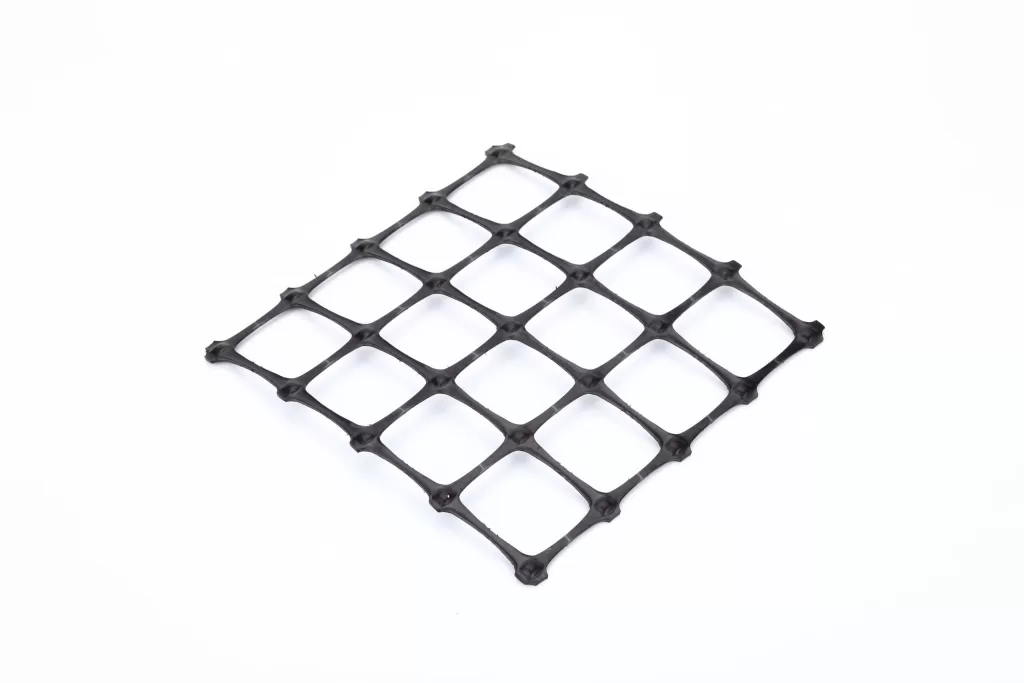
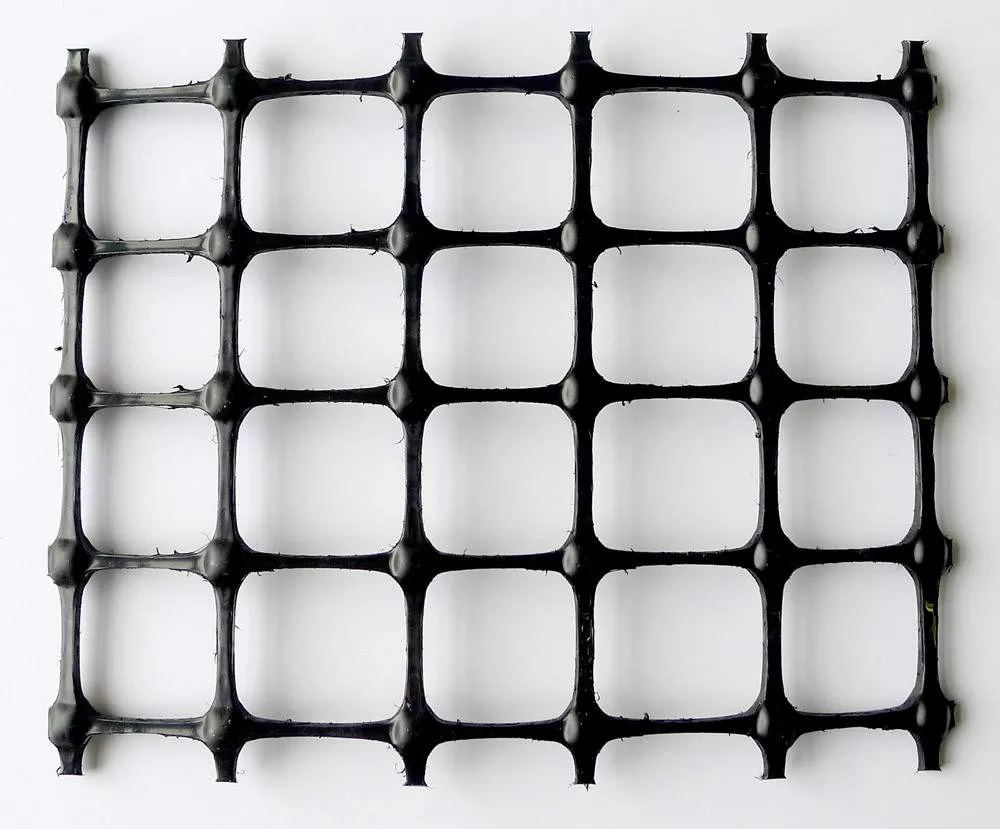
Geogrid is a polymer-based geosynthetic reinforcement product designed to improve soil and aggregate stability. Its open-grid structure allows it to interact with surrounding materials, providing tensile reinforcement and, in suitable applications, mechanical interlock.
Unlike geotextiles, which commonly provide separation, filtration, and drainage, geogrids primarily function as reinforcement materials.
They are widely used in road construction, reinforced embankments, retaining walls, and ground improvement projects.
What Are the Main Types of Geogrid Material?
Different polymers offer distinct mechanical properties, durability characteristics, and reinforcement capabilities.
Polypropylene (PP) Geogrids
PP geogrids are commonly used for road base stabilization and aggregate reinforcement. Their relatively low weight and chemical resistance make them suitable for many ground improvement applications.
Biaxial and multi-directional PP geogrids are frequently selected for roads, working platforms, and parking areas.
High-Density Polyethylene (HDPE) Geogrids
HDPE geogrids provide tensile reinforcement and resistance to a wide range of chemical environments. Uniaxial HDPE geogrids are commonly used in retaining walls, reinforced slopes, and mechanically stabilized earth structures.
Polyester (PET) Geogrids
PET geogrids offer high tensile strength and stiffness, making them suitable for reinforced embankments and other soil reinforcement applications.
Their long-term performance depends on product specifications, loading conditions, and environmental exposure.
Polyvinyl Alcohol (PVA) Geogrids
PVA geogrids provide high tensile stiffness and relatively low elongation in suitable product designs.
They are used in specialized reinforcement applications requiring controlled deformation.
Geogrid Material Comparison: PP vs. HDPE vs. PET vs. PVA
Understanding geogrid material types and their engineering properties helps buyers compare reinforcement products for different projects.
| Material | Main Properties | Typical Applications |
|---|---|---|
| PP | Lightweight, chemically resistant | Road bases, working platforms |
| HDPE | Flexible, chemically resistant | Retaining walls, reinforced slopes |
| PET | High tensile strength and stiffness | Reinforced embankments, soil reinforcement |
| PVA | High stiffness, relatively low elongation | Specialized reinforcement projects |
Actual performance varies depending on manufacturing methods, product geometry, and test conditions.
What Are the Key Properties of Geogrids?
Engineers should evaluate several technical parameters before selecting reinforcement products.
- Tensile strength: Indicates resistance to tensile loading.
- Tensile stiffness: Indicates resistance to deformation under applied loads.
- Creep resistance: Influences long-term performance under sustained loading.
- Chemical durability: Determines suitability for different soil environments.
- Aperture dimensions: Affect aggregate interlock and confinement.
- Junction strength: Influences load transfer in applicable grid structures.
When reviewing geogrid material tensile strength and technical specifications, buyers should compare verified test results and applicable engineering standards.
Where Is Geogrid Used in Civil Engineering?
Geogrids provide soil reinforcement and stabilization across a range of infrastructure applications.
Reinforced Embankments
Geogrids provide tensile reinforcement within compacted soil layers, helping improve embankment stability and control deformation.
PET and HDPE geogrids may be selected depending on reinforcement loads, soil conditions, and design requirements.
Road Construction and Base Stabilization
In road construction, geogrids help restrict lateral aggregate movement and improve base stability.
PP biaxial and multi-directional geogrids are commonly used for pavement foundations, temporary access roads, and working platforms.
Retaining Walls and Reinforced Slopes
Geogrids reinforce soil structures by providing tensile resistance within the reinforced soil mass.
Appropriate reinforcement length, spacing, and strength must be determined through engineering design.
How to Choose the Right Geogrid Material for Your Project
Selecting suitable reinforcement requires evaluating soil strength, traffic loads, aggregate characteristics, and long-term performance requirements.
Buyers should review polymer type, tensile properties, aperture geometry, durability, roll dimensions, and applicable test reports.
For permanent structures, long-term design strength must account for creep, installation damage, and environmental exposure.
When comparing geogrid material options for road and embankment reinforcement, engineers should prioritize verified product performance and compatibility with project specifications.
Geogrid material provides essential tensile reinforcement for road construction, reinforced embankments, retaining walls, and ground stabilization. PP, HDPE, PET, and PVA geogrids offer different mechanical properties and application advantages. Selecting the appropriate product requires evaluating engineering conditions and verified technical specifications.
Geofantex Geosynthetics supplies geogrid solutions for infrastructure and soil reinforcement projects. Contact Geofantex today to request technical specifications, discuss your project requirements, and obtain a quotation.

Get Free Sample
We’ll respond as soon as possible(within 12 hours)