



+86-159 9860 6917
info@geofantex.com
geofantex@gmail.com
+86-400-8266163-44899
The application of geogrid for retaining wall systems has become a core solution in modern geotechnical engineering, offering reliable soil reinforcement, structural stability, and long-term performance advantages for infrastructure and commercial construction projects.
What is geogrid for retaining wall and how does it work?
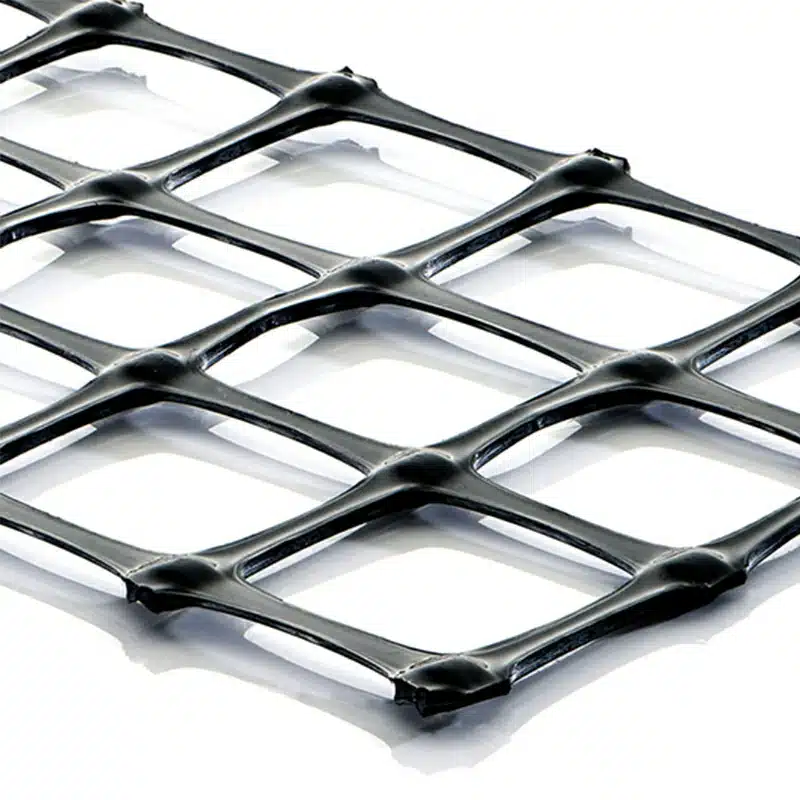
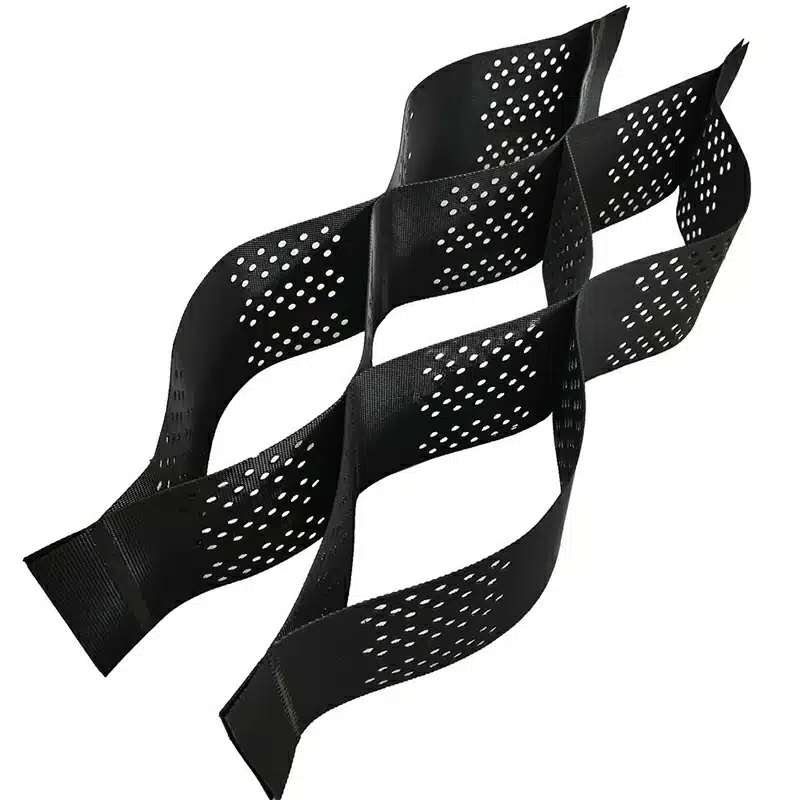
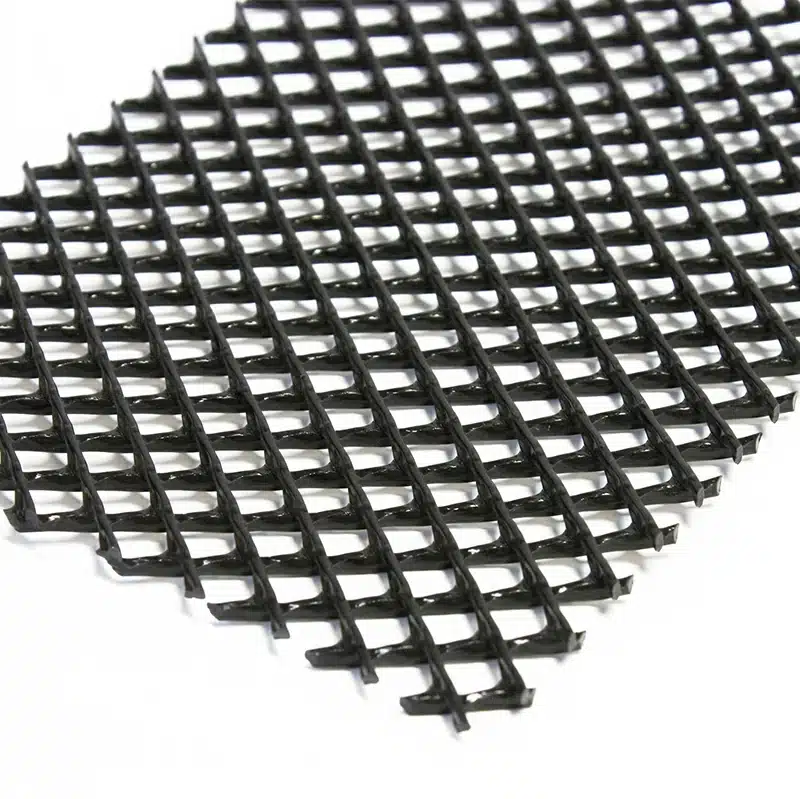
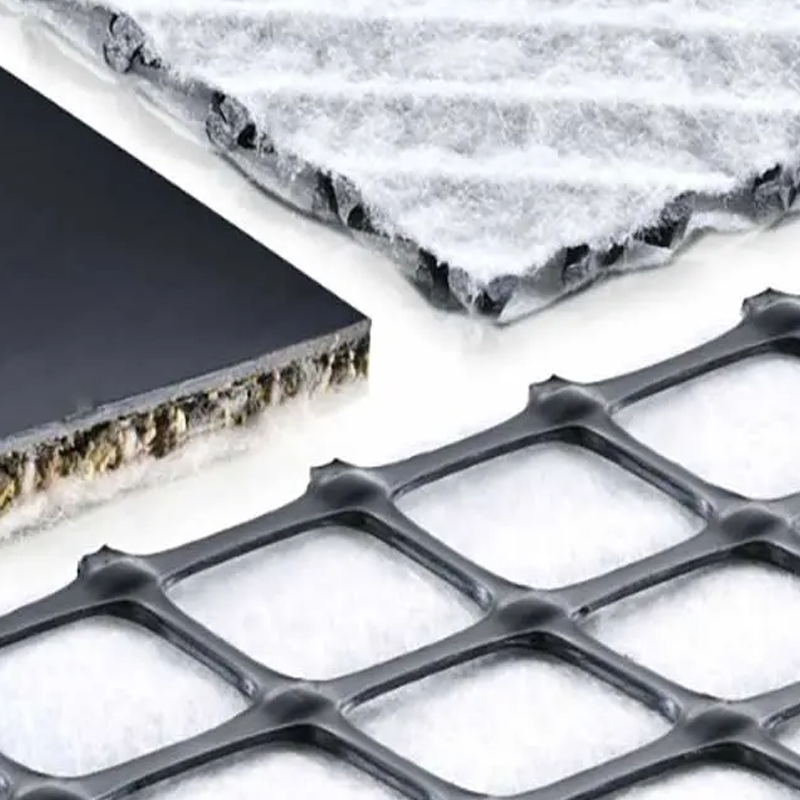
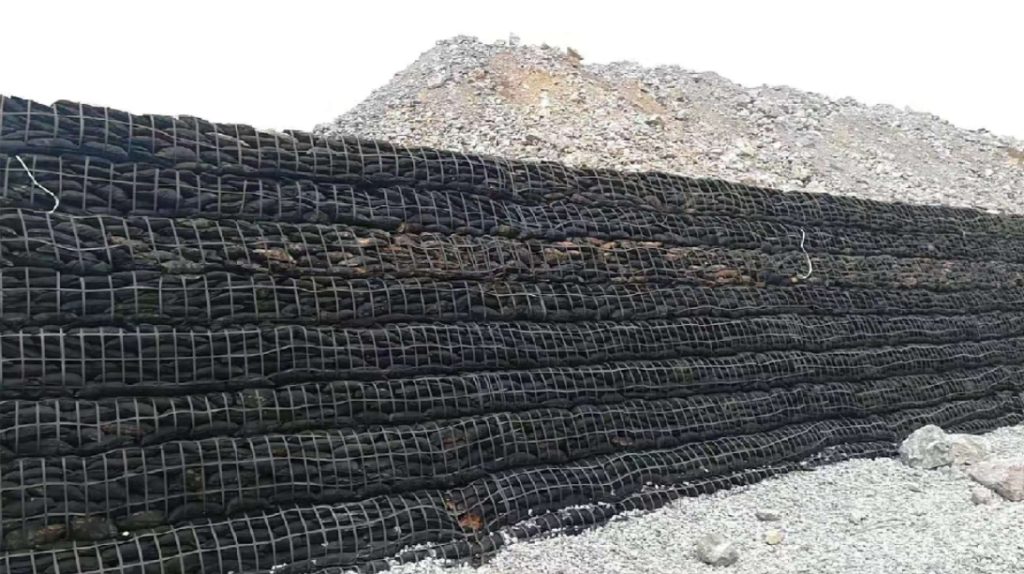
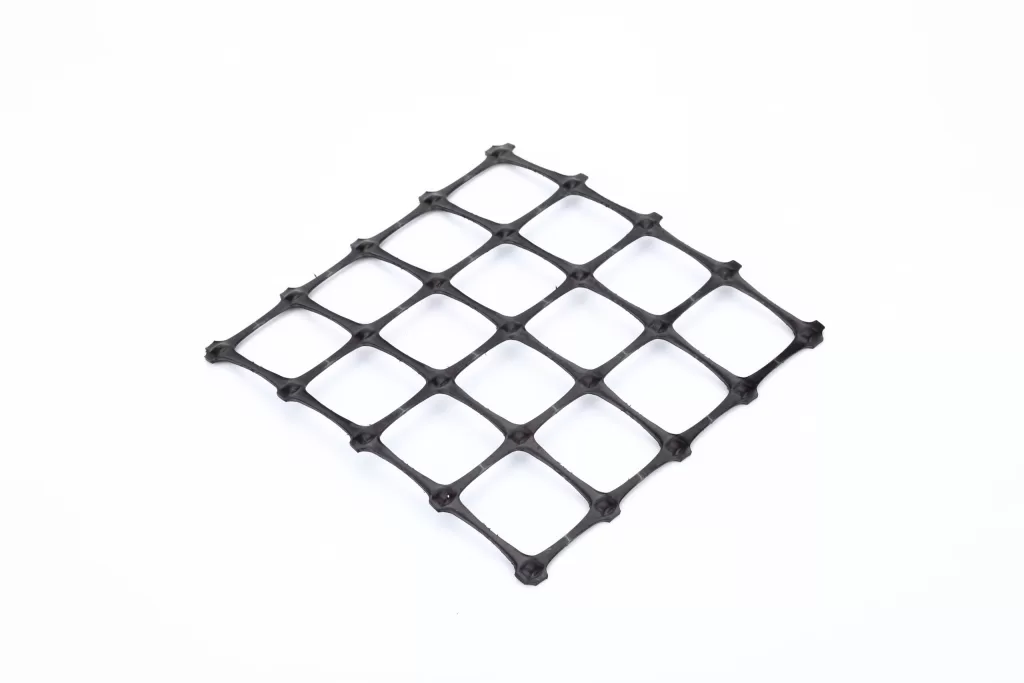
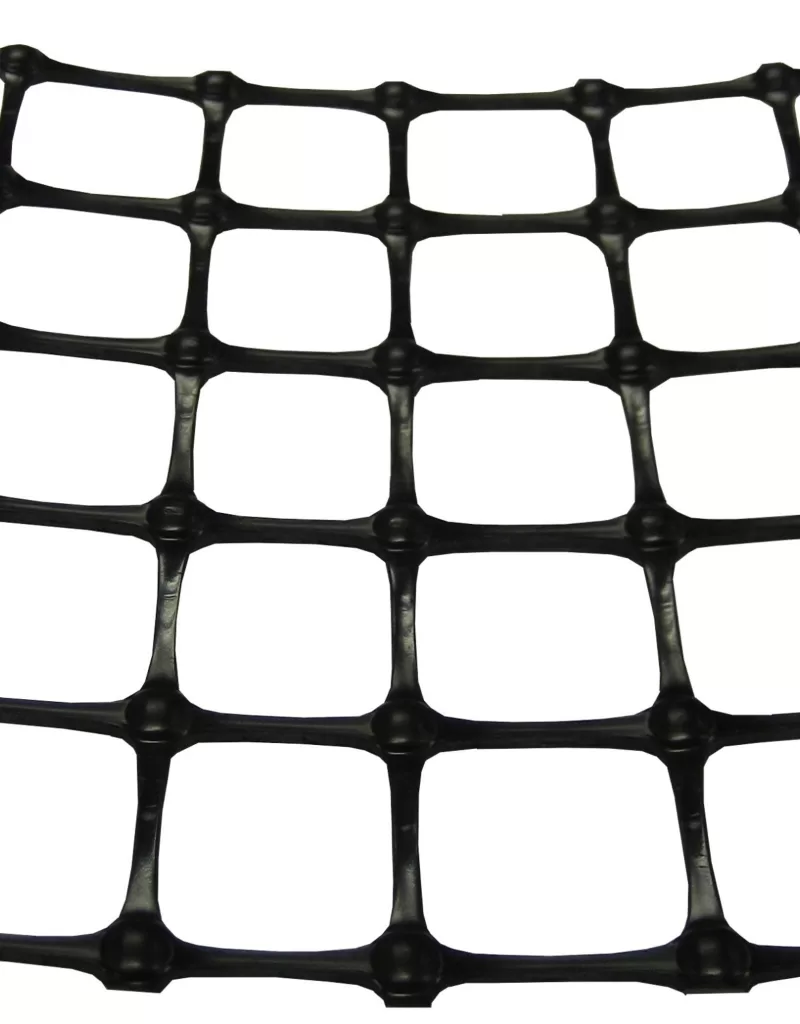
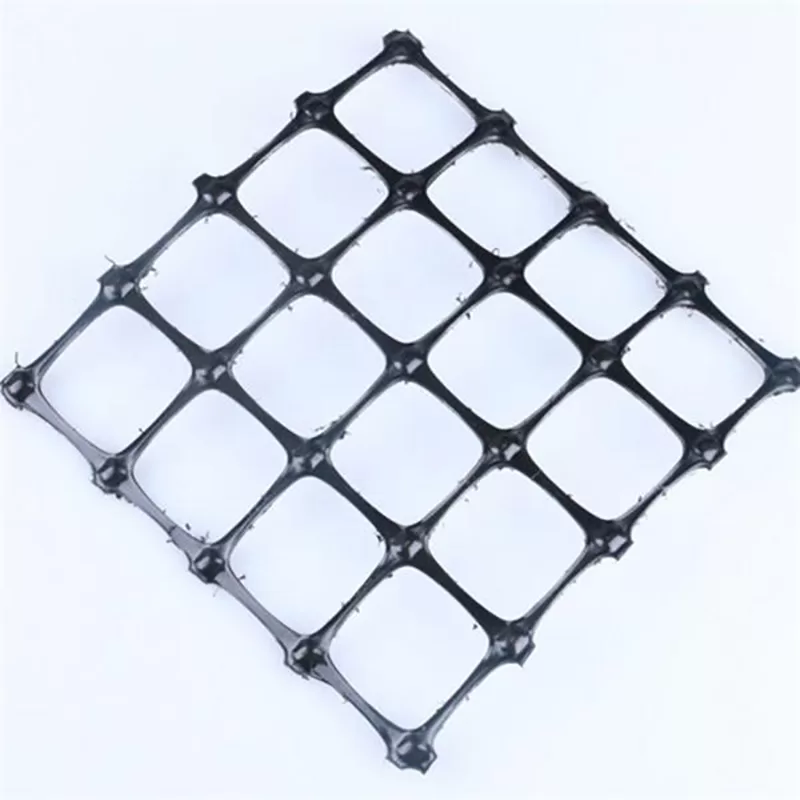
A geogrid for retaining wall is a high-strength polymer geosynthetic material designed to reinforce soil structures and improve overall stability. When placed in horizontal layers within compacted backfill, the geogrid interlocks with soil particles to create a reinforced composite mass that increases shear strength and reduces lateral earth pressure on the wall facing. In practical design applications, it is widely used behind modular block walls, concrete panel systems, and reinforced slopes. In engineered retaining structures, geogrids are often integrated with Geofantex Geogrid Products and complementary Geosynthetics Solutions to ensure long-term durability and structural integrity.
Why are geogrids essential in retaining wall engineering?
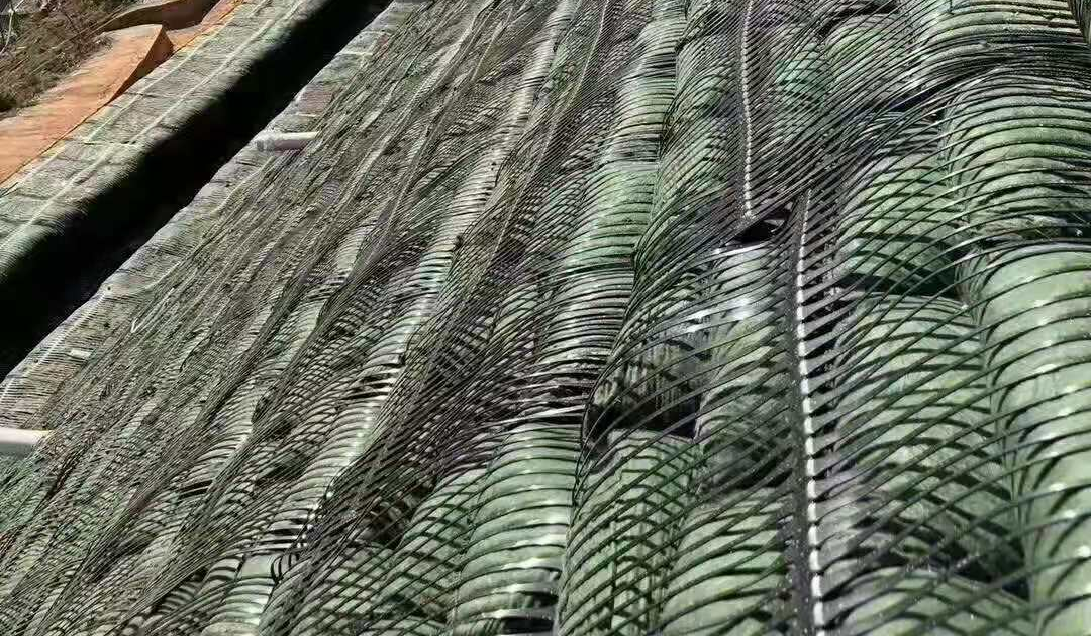
Geogrids are essential because they enable engineers to use locally available soils while still meeting strict structural performance standards. By improving tensile resistance within the soil mass, they significantly reduce structural load concentration and minimize long-term settlement. Compared with traditional gravity walls, reinforced soil systems provide improved flexibility, better seismic performance, and enhanced cost efficiency. These benefits make geogrids a preferred technology in modern Soil Reinforcement Applications and sustainable infrastructure projects.
What does industry data reveal about the geogrid market?
Market research confirms strong global demand for geogrids within transportation and infrastructure sectors. According to Grand View Research, the global geogrid market reached USD 2,123.9 million in 2024 (Source: Grand View Research) and is projected to grow to USD 3,079.6 million by 2030 (Source: Grand View Research), reflecting a compound annual growth rate of approximately 6.4% from 2025 to 2030 (Source: Grand View Research). This sustained growth is primarily driven by highway expansion, retaining wall construction, and large-scale civil engineering investments across North America and Asia-Pacific.
What future trends will shape geogrid for retaining wall applications?
The future of geogrid for retaining wall systems is closely connected to sustainability and material innovation within the geosynthetics industry. Increasing infrastructure demands require solutions that reduce carbon emissions, lower aggregate usage, and extend service life. Advanced polymer engineering now allows manufacturers to produce higher tensile strength geogrids with improved creep resistance and environmental durability. As infrastructure resilience becomes a global priority, reinforced soil systems supported by integrated geosynthetics will continue to expand in both developed and emerging markets.
Geogrids remain a strategically important product category within the geosynthetics sector. By forming a reinforced composite structure with soil, they enhance stability, reduce deformation risks, and enable cost-effective retaining wall construction. Supported by steady market growth and ongoing technological advancement, geogrids will continue to play a critical role in future geotechnical and infrastructure development worldwide.
Get Free Sample
We’ll respond as soon as possible(within 12 hours)